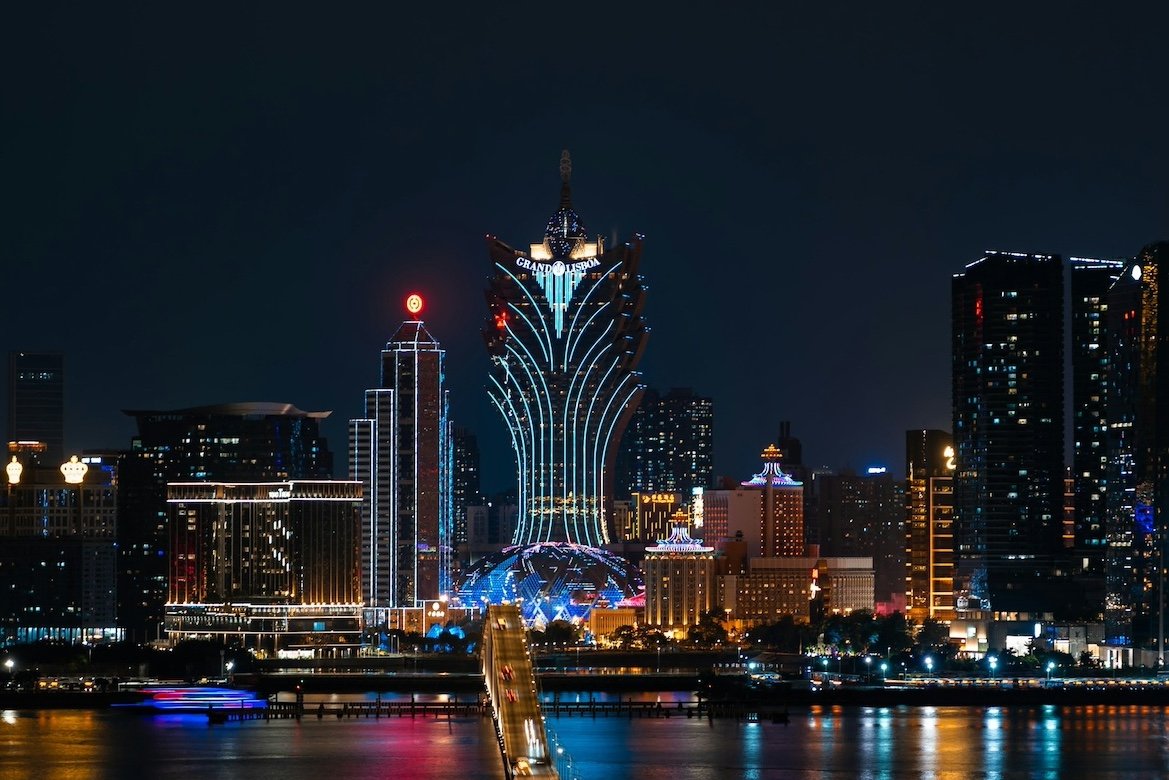
Uber has officially relaunched its ride-hailing services in Macau, re-entering an Asian market it exited nearly a decade ago and signaling a cautious but strategic push back into Greater China-linked mobility. The return allows riders to book licensed taxis directly through the Uber app and introduces a premium limousine service connecting Macau with Hong Kong, aimed at business travelers and high-spending tourists moving between the two hubs.
The relaunch marks Uber’s first new entry into an Asian market in years. After selling its mainland China operations to Didi in 2016 and exiting Southeast Asia in 2018, Uber has focused on strengthening positions in markets such as India, Japan, and South Korea. Macau offers a controlled testing ground: a high-traffic tourism economy, close integration with Hong Kong, and regulatory conditions that require cooperation with licensed taxi operators rather than private ride-hailing vehicles.
Uber’s initial offering in Macau relies on partnerships with existing taxi fleets, reflecting local laws that still restrict private-car ride-hailing without permits. Riders can book and pay for trips in multiple languages, while the limousine service to Hong Kong must be reserved at least 24 hours in advance. The cross-border product fits squarely into Uber’s broader push toward higher-value mobility services, where premium pricing can help improve margins in regions with limited scale.
Macau’s importance as a global gaming and tourism destination adds to the strategic appeal. Millions of visitors pass through the city each year, many traveling onward to or from Hong Kong. By positioning itself along this corridor, Uber gains visibility among international and mainland Chinese travelers who already use the app in other markets. The company has also been actively recruiting local drivers, offering short-term incentives to seed supply, though initial availability is expected to be limited.
From an investor perspective, the Macau move is less about immediate revenue and more about proof of concept. It tests whether Uber can rebuild presence in tightly regulated Asian environments through cooperation rather than confrontation. Regulatory outcomes will matter: Macau authorities are reviewing taxi rules, and any future allowance for platform fees or expanded ride-hailing could materially change the economics of the service.
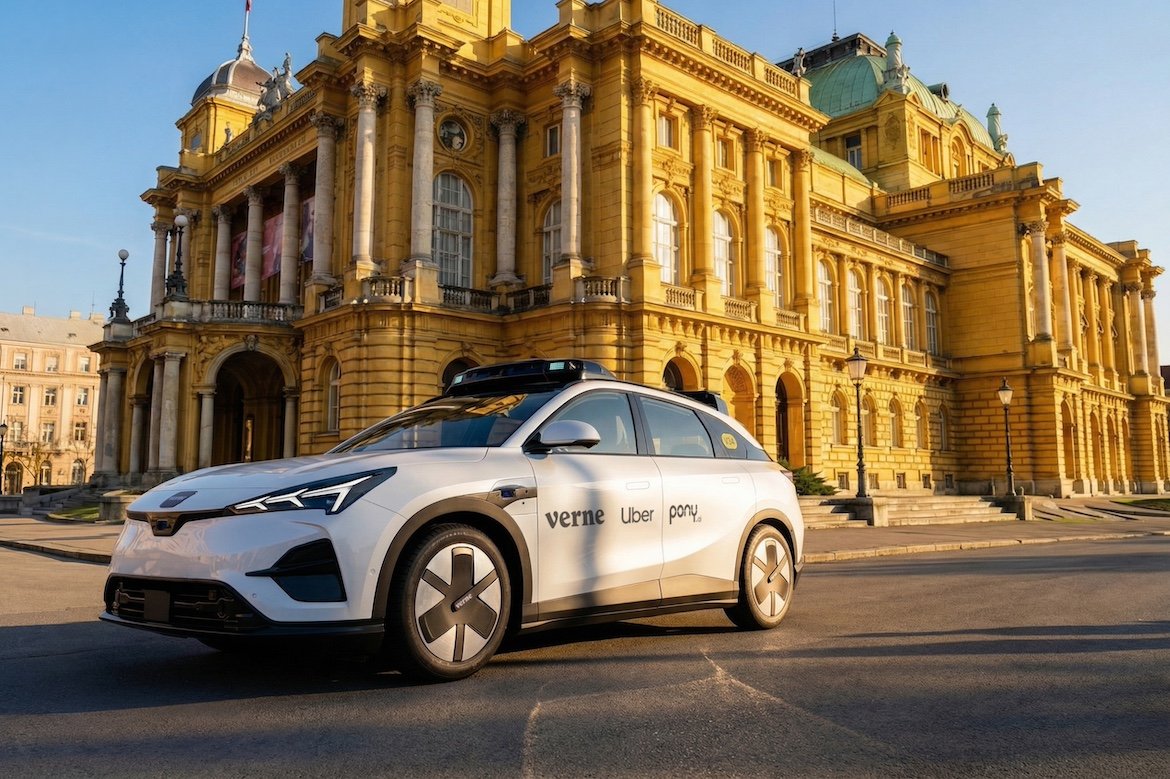
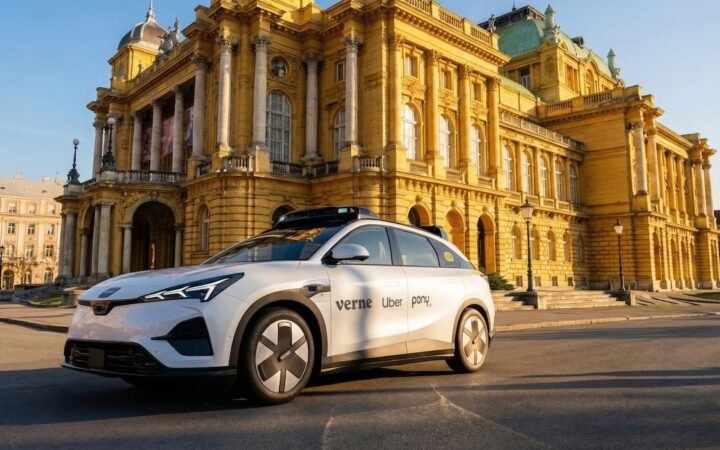
The relaunch also aligns with Uber’s longer-term narrative of blending human-driven services with future autonomous mobility. Management has said robotaxi deployments are expected to expand into more than 10 markets by the end of 2026, with Asia firmly on the radar. If Macau demonstrates that premium, compliant services can scale without regulatory backlash, it could serve as a blueprint for Uber’s next phase of growth across Asia’s most complex markets.