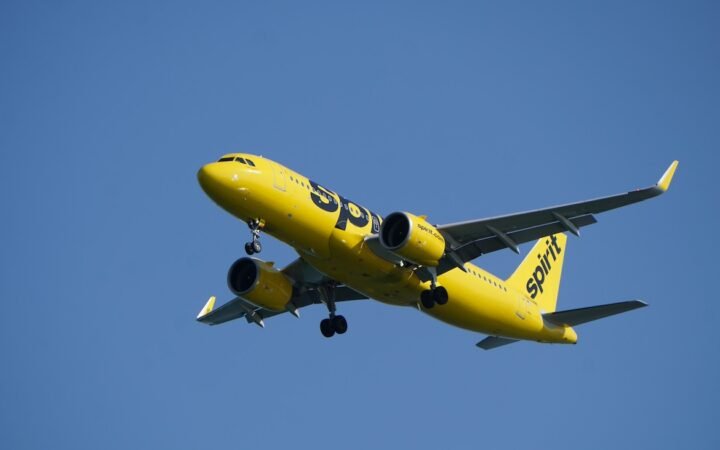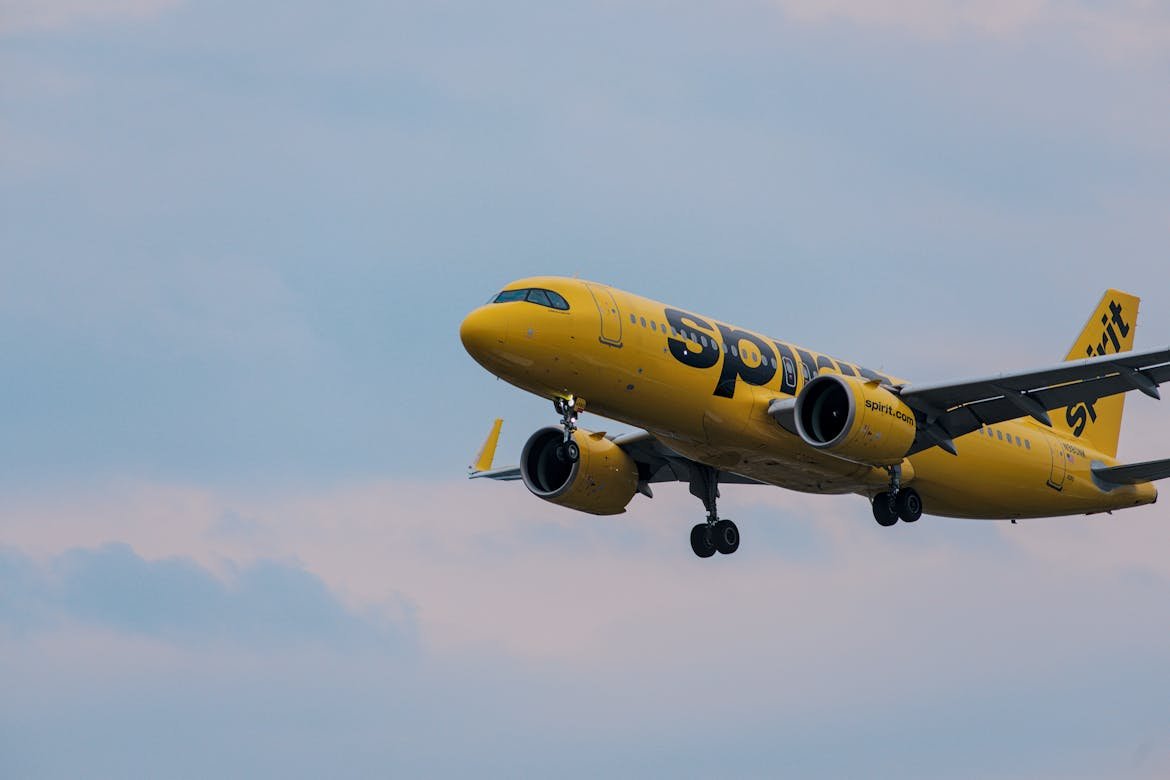
Spirit Airlines is preparing to furlough approximately 1,800 flight attendants, marking a dramatic contraction of its workforce as it enters a second Chapter 11 bankruptcy in less than a year.
The carrier’s plan calls for the cuts to take effect December 1, 2025, following a period of voluntary leaves offered beginning November. The move reflects mounting financial pressure, declining demand, and the need to reshape its operations.
The furloughs will amount to nearly one-third of Spirit’s cabin crew, who number around 5,200. Previously, the airline had relied heavily on voluntary furloughs in an effort to reduce expenses without forced layoffs.
But with operating costs and debt continuing to mount, management states that involuntary cuts are now unavoidable. At the same time, Spirit plans to reduce flight capacity by 25% in its November schedule compared to the previous year, retreating from markets it deems less sustainable.
Deep Cuts & Market Withdrawals
In addition to cabin crew reductions, Spirit earlier announced plans to furlough 270 pilots and demote 140 captains, moves scheduled to begin November 1, with demotions effective October 1.
These decisions target more than just one group – they reflect a broader retrenchment strategy across the airline’s core operations. The pilot cuts aim to match staffing levels with a leaner route network and optimize cash flows.
Another highly visible part of the plan is Spirit’s decision to exit a series of markets. The airline has already confirmed it will suspend flights in numerous cities across the U.S., including Sacramento, Oakland, San Diego, Boise, and Chattanooga.
In our own coverage of Spirit Airlines withdrawing from 11 cities, we described how these exits are designed to focus resources on stronger routes and restore financial stability. This broader contraction, combined with staffing reductions, paints a picture of a carrier in deep transformation rather than incremental change.
Impacts, Challenges & What to Watch
For employees, the changes are deeply unsettling. Those not choosing voluntary leave will face involuntary furloughs by seniority. The union has worked to secure preferential interviews for displaced workers with other airlines, and many hope for redeployment or alternative opportunities. However, reentry and job security remain uncertain.
Operational challenges loom. Cutting capacity and exiting cities can disrupt connectivity, strain remaining crew, and affect reliability. Spirit must ensure that service on remaining routes remains strong. Also, the timing of these cuts – particularly just before holiday travel – may complicate scheduling and customer confidence.
For passengers, fewer route options, reduced frequency, and possible disruptions are real risks. The ultra-low-cost structure on which Spirit built its reputation may be tested if coverage shrinks significantly. Market watchers will closely monitor how Spirit balances price competitiveness with operational viability amid scale reductions.
In the bigger picture, Spirit’s overhaul highlights how low-margin, volume-dependent airlines are more vulnerable to cost pressure and debt burdens. In the coming months, how Spirit navigates bankruptcy proceedings, renegotiates aircraft leases, and restores market confidence will determine if it can survive its second fall.