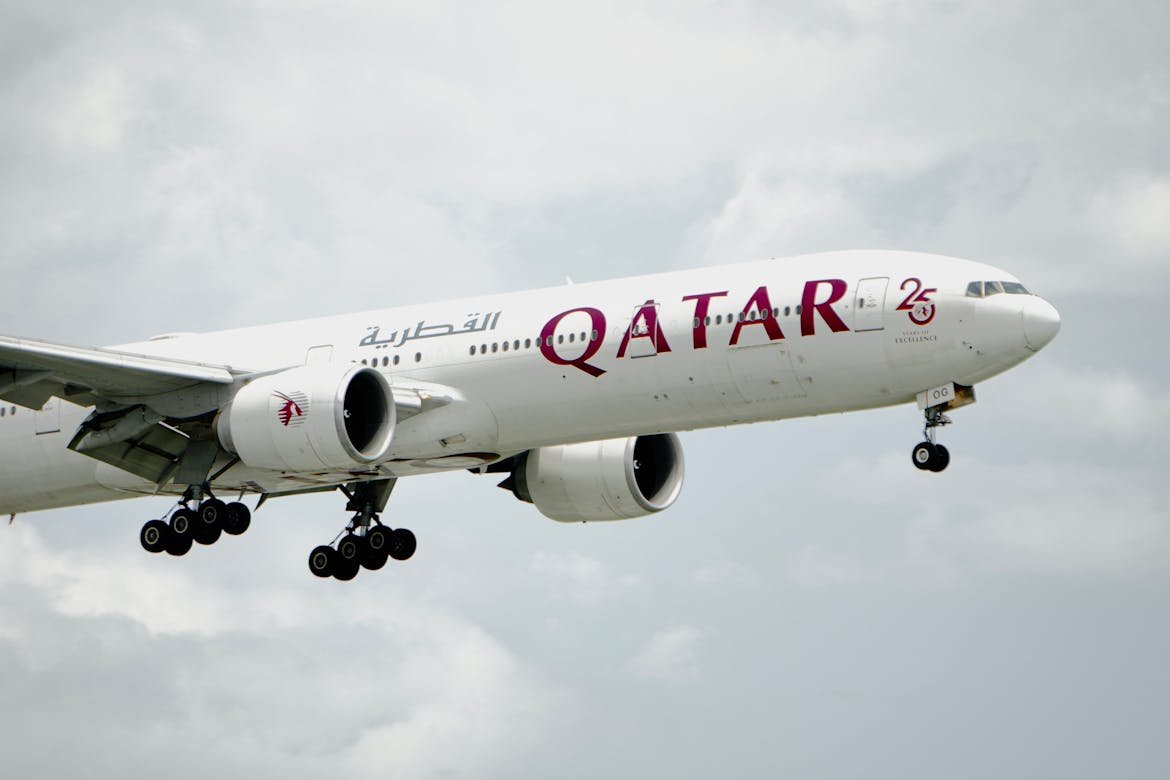

Qatar Airways has announced the launch of limited relief flights from Muscat and Riyadh to assist passengers stranded by widespread airspace disruptions across the Middle East. The move comes as Qatari airspace remains temporarily closed amid escalating regional tensions involving the United States, Israel, and Iran, forcing airlines to suspend or reroute many flights across the region.
The airline said the special operations will begin on March 5 and will focus on transporting affected passengers to major European destinations. Qatar Airways plans to operate flights from Muscat, the capital of Oman, to cities including London Heathrow, Berlin, Copenhagen, Madrid, Rome, and Amsterdam. Another flight is scheduled to depart from Riyadh in Saudi Arabia to Frankfurt.
Passengers will be contacted directly by the airline regarding these relief services, and travelers have been advised not to go to airports unless they receive official notification confirming their booking. Qatar Airways has also urged customers to ensure their contact information is updated through the airline’s website or mobile app so that travel instructions and flight updates can be delivered quickly.
Regional Disruptions Leave Thousands Stranded
The relief flights are part of a broader effort across the Gulf region to help travelers affected by the ongoing airspace closures. Qatar’s Civil Aviation Authority continues to keep the country’s airspace closed for safety reasons, with authorities reviewing the situation regularly as regional conditions evolve.
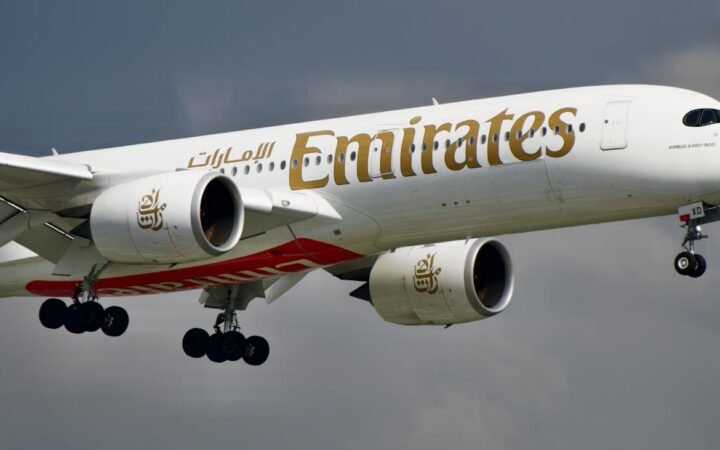
The disruptions have affected thousands of travelers who were either passing through Gulf hub airports or planning to depart from them. Many airlines have temporarily suspended scheduled operations in response to the situation. Carriers such as Emirates and Etihad Airways have halted several flights, while others have adjusted schedules until regional airspace conditions stabilize.
Neighboring countries have taken steps to manage the disruption. In the United Arab Emirates, authorities coordinated a series of special evacuation and repatriation flights to help passengers leave the country. According to aviation officials, roughly 17,500 people departed on around 60 special flights during the first days of the crisis.
Some airlines have already resumed limited services where conditions allow. Flights between Dubai and London have restarted on certain routes, while several regional carriers including flydubai and Air India have also resumed selected operations to reconnect key travel corridors.
The situation remains fluid, and airlines continue to monitor developments closely. Qatar Airways emphasized that the safety of passengers and crew remains the company’s top priority and that operations will fully resume once aviation authorities confirm that the reopening of Qatari airspace is safe.
Meanwhile, the Qatari government has introduced measures to support travelers affected by the disruption. Authorities announced that entry visas nearing expiration for visitors in the country will be automatically extended for one month, helping stranded travelers remain legally in the country without additional fees or paperwork.
While uncertainty remains around when regular flights will resume, the relief flights from Muscat and Riyadh are expected to provide a critical travel lifeline for passengers seeking to return to Europe and other destinations during the ongoing regional disruption.