The escalating conflict involving the United States, Israel and Iran is beginning to weigh heavily on the Middle East’s tourism sector, threatening to derail years of investment aimed at positioning the region as a global travel hub. Analysts warn the fallout could result in tens of millions fewer visitors traveling to the region in 2026 and billions of dollars in lost tourism revenue.
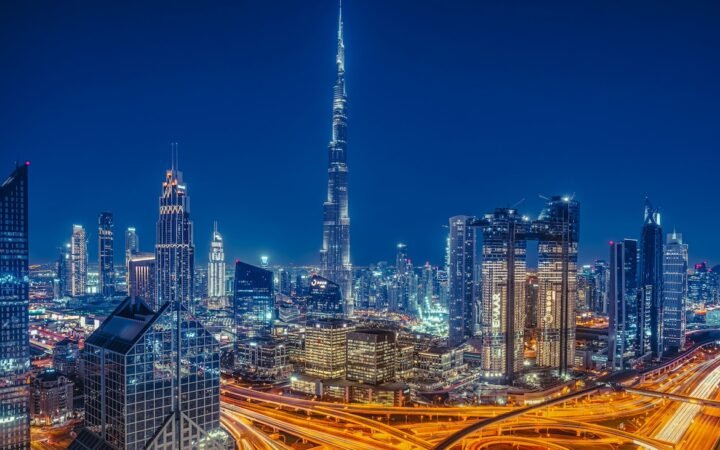
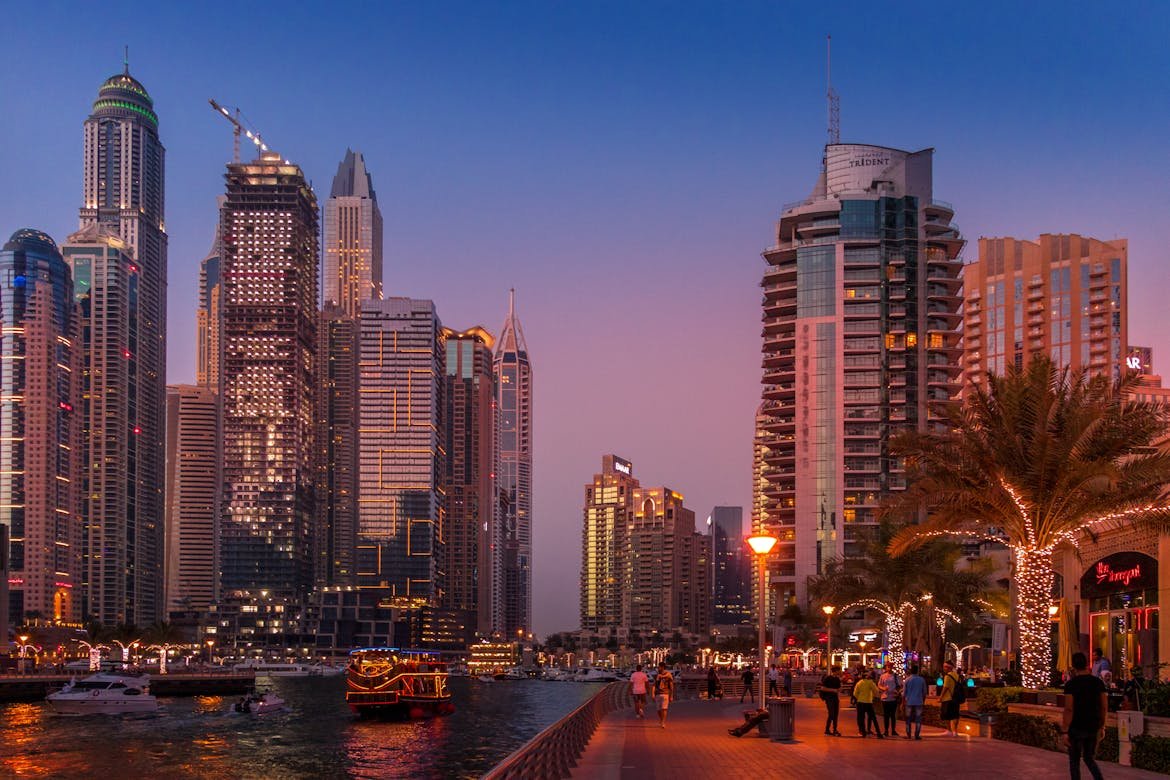
Tourism across the Middle East had been experiencing strong growth before the crisis. Countries such as the United Arab Emirates, Saudi Arabia and Qatar had been attracting rising numbers of international visitors thanks to major investments in hospitality infrastructure, airline connectivity and large-scale tourism development projects. That momentum has now slowed sharply as the conflict triggers widespread travel disruptions.
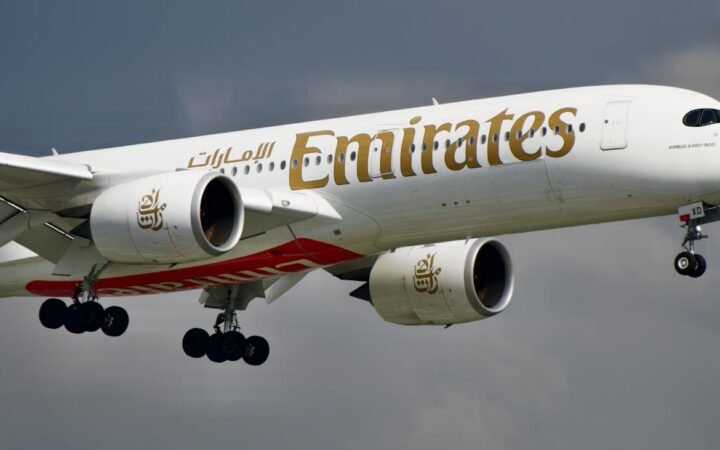
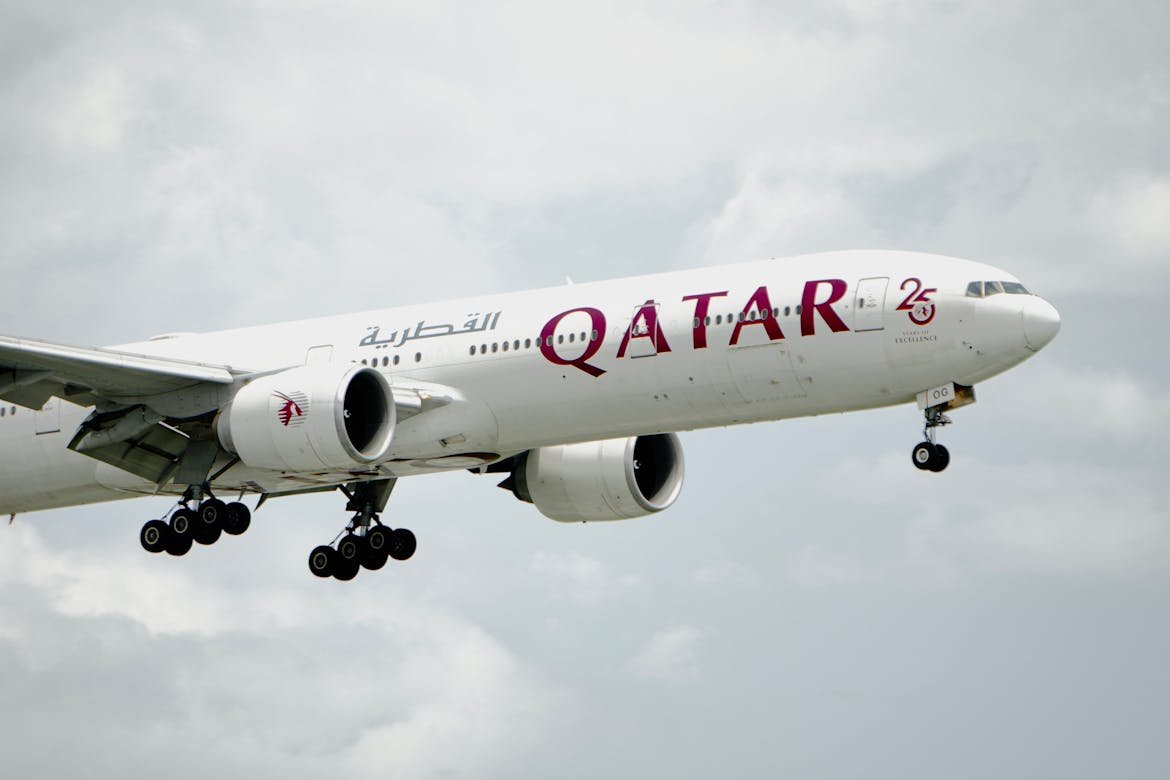
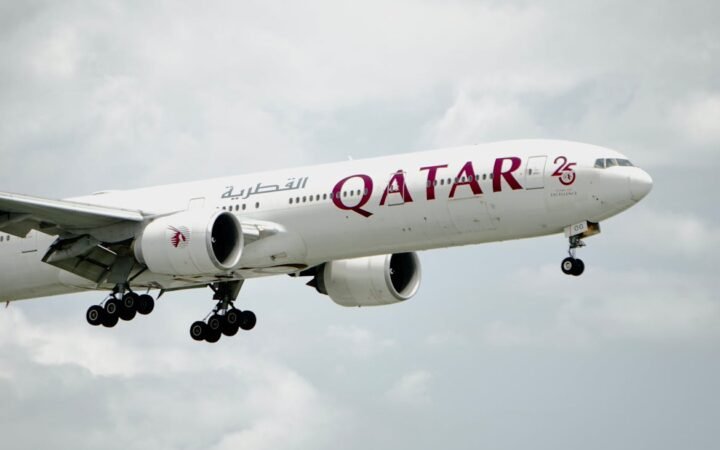
Airspace closures across parts of the region have already grounded thousands of flights and left travelers stranded. Within the first 48 hours after the initial missile and drone attacks, more than 5,000 flights were removed from global schedules. Major aviation hubs, including Dubai International Airport, have faced operational disruptions as airlines cancel routes and governments issue travel warnings.
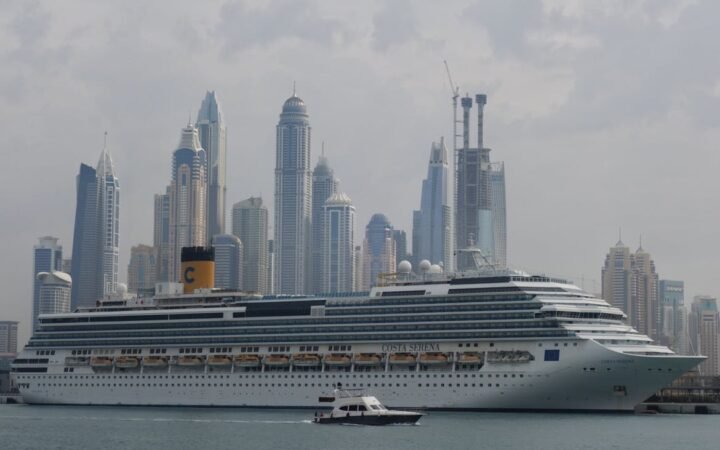
Many travelers currently visiting tourism hotspots such as Dubai and Doha have been trying to secure limited evacuation or repatriation flights. At the same time, several governments have advised citizens to avoid non-essential travel to parts of the Middle East until the situation stabilizes.
Forecasts Point to Sharp Drop in Visitors
New projections from Tourism Economics suggest the conflict could significantly reduce international arrivals across the region. The consultancy estimates inbound travel to the Middle East could decline between 11 percent and 27 percent in 2026 compared with earlier forecasts that had expected strong growth.
In practical terms, that could translate into between 23 million and 38 million fewer international visitors than previously projected. The decline would also have a major financial impact. Analysts estimate that the region could lose between $34 billion and $56 billion in visitor spending this year.
The Gulf Cooperation Council countries are expected to face the most significant losses in visitor volume. The United Arab Emirates and Saudi Arabia in particular rely heavily on international aviation traffic and have built their tourism strategies around global connectivity and perceptions of stability. When security concerns increase, demand for long-haul travel to these destinations can quickly weaken.
Tourism data also shows early signs of booking declines. Vacation rental cancellations in the United Arab Emirates more than doubled shortly after the first attacks, with thousands of stays scheduled for March being scrapped.
Global Travel Disruptions and Industry Response
The impact of the conflict extends well beyond the Middle East itself. Airports in the region handle roughly 14 percent of global transit passengers, making them essential connectors between Europe, Asia and other long-haul travel markets. When these hubs face disruptions, the effects can ripple across international flight networks and travel demand worldwide.
Some airlines have already reported shifts in traveler behavior. Industry executives say bookings for destinations in southern Europe, including Greece, Italy and Portugal, have increased as travelers look for alternatives to the Middle East ahead of the Easter holiday period.
Despite the current disruption, tourism leaders remain cautiously optimistic about the sector’s long-term resilience. The Middle East tourism market is valued at approximately $367 billion annually, and the region has historically recovered relatively quickly from geopolitical shocks.
Industry groups say demand tends to rebound once stability returns. For now, however, uncertainty surrounding the duration of the conflict continues to weigh on travel confidence and booking trends across the region.