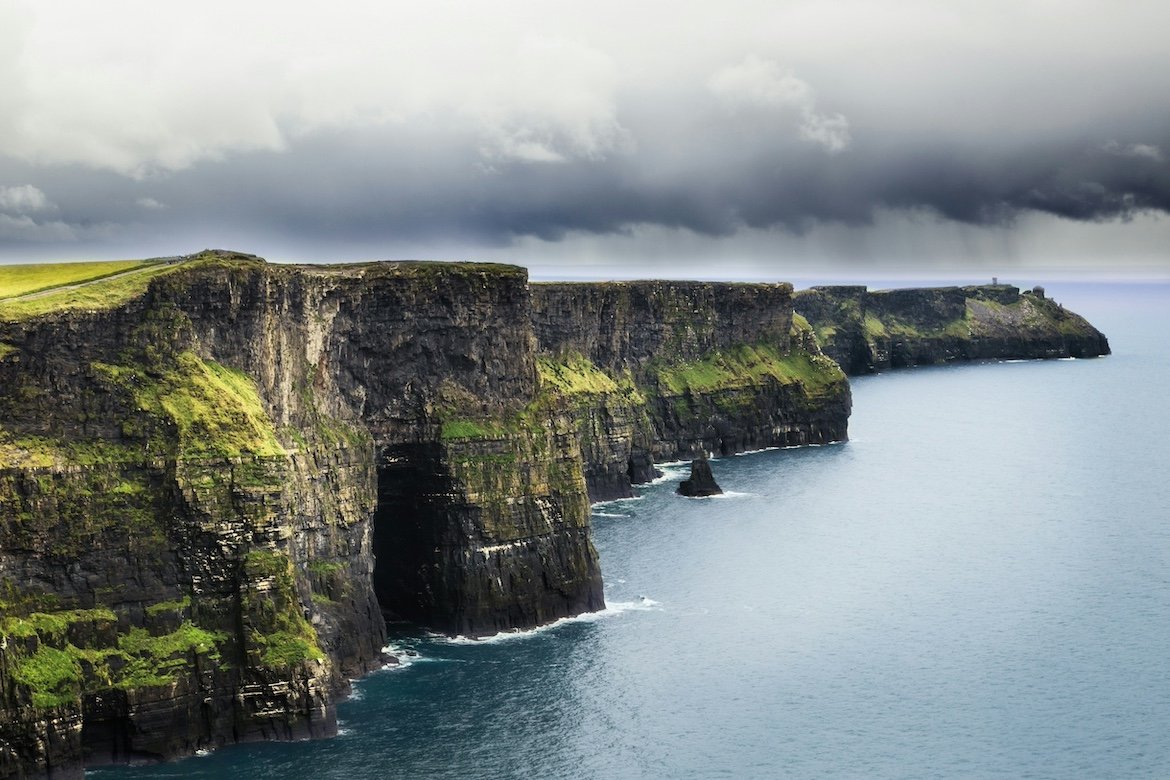
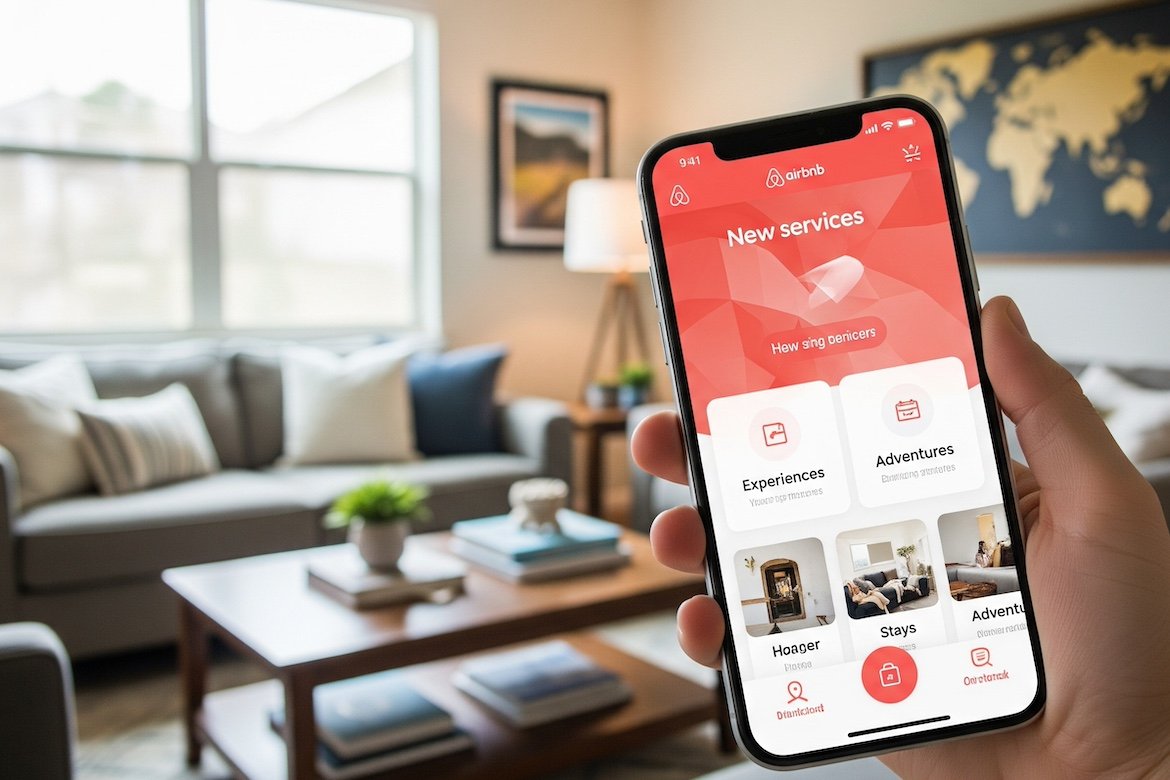
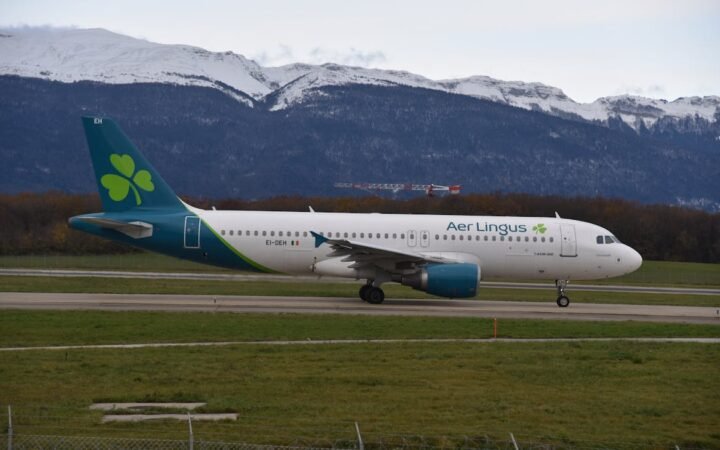
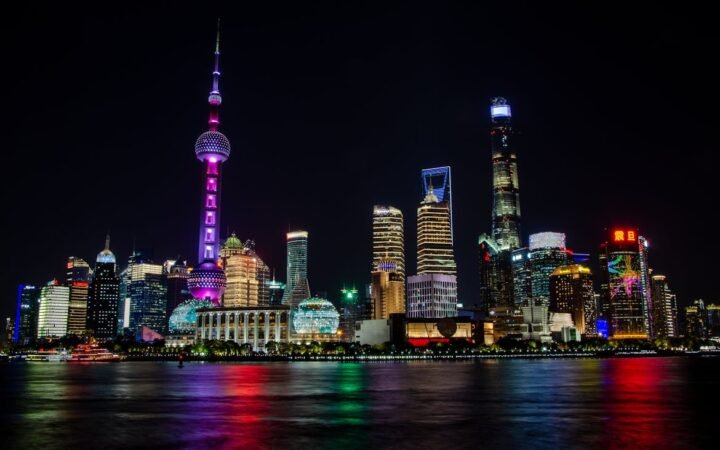
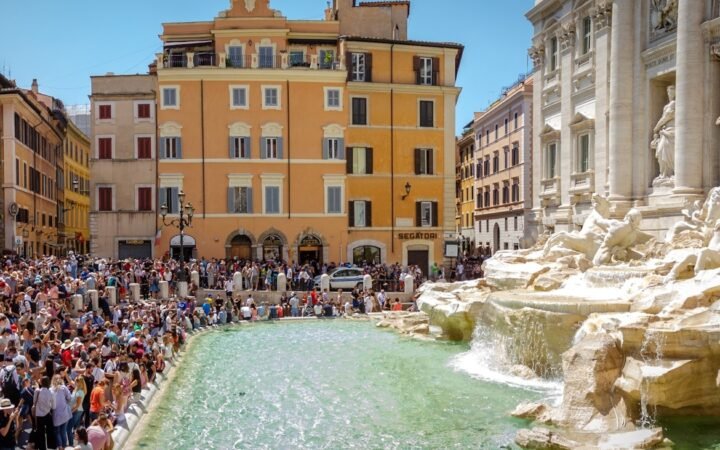
Croatia has expanded its digital nomad visa program, allowing non-EU remote workers to live and work in the country for up to three years – boosting long-term tourism, local economies, and lifestyle travel.
By Yuliya Karotkaya
Published:
Updated:
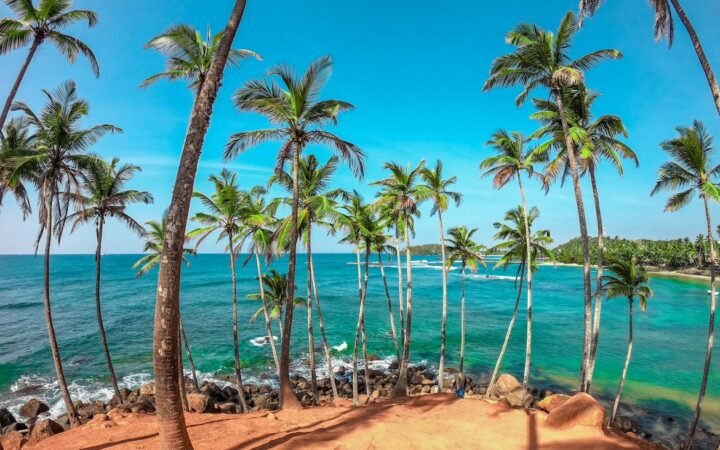
Croatia now welcomes digital nomads for up to three years under its expanded visa, supporting longer stays in one of Europe's most scenic and vibrant countries. Photo: Anastasiia Nelen / Unsplash
Croatia has taken a bold step in redefining remote-work travel: starting March 2025, non-EU digital nomads can now stay for a full three years – 18 months initially, with the option to extend for the same period. Previously capped at one year, this strategic update transforms tourism dynamics, offering remote professionals more time to immerse themselves in the Adriatic lifestyle – from Dubrovnik’s medieval streets to the sunlit terraces of Hvar. It’s a game-changer for destination strategy, lifestyle travel, and local business growth.
Immersive Stays Become Reality
This extension isn’t just about extra time – it’s about depth. With the full three years now open, remote workers can shift from transient visitors to semi-immersive residents. They’ll frequent local cafés, attend language classes, try regional wines, rent seasonal villas, and perhaps adopt Croatian as their temporary home. These longer stays provide a revenue boost not just to coastal hotels, but also inland towns, authentic dining spots, tradition-rich markets, and small-business artisans.
Importantly, the updated visa retains the core eligibility requirements: proof of remote work (employment contract, freelancer agreement, or business registration abroad), a monthly income threshold of around €3,295, valid health insurance, and a clean criminal record. The rules also now allow family members to reunite under the same permit – expanding Croatia’s appeal for remote-working couples and families seeking both adventure and stability.
A Maritime Haven Strengthened by Strategic Policy
Croatia’s amended legislation – reflected in updates to its Aliens Act – moves remote tourism from short-term splashes of seasonal demand to year-round stability. This influx of longer-term visitors helps soften tourism’s cyclical nature and supports infrastructure growth, from co-working spaces and healthcare to urban internet networks and local transport.
Beyond economics, the policy positions Croatia as a forward-thinking ally of flexible work culture. With over 60 countries offering nomad-friendly options, few provide this extended duration. It places Croatia near the top for countries like Thailand or Portugal – and even ahead of them in length of stay, combined with family inclusivity. In the evolving hybrid-work world, this visa makes Croatia not just a vacation spot, but a possible new residence – a working base where quality of life, community, and heritage coalesce.
Air France-KLM has confirmed a data breach linked to a third-party platform, prompting warnings to affected customers and highlighting the growing cybersecurity risks facing major airlines.
By Yuliya Karotkaya
Published:
Updated:
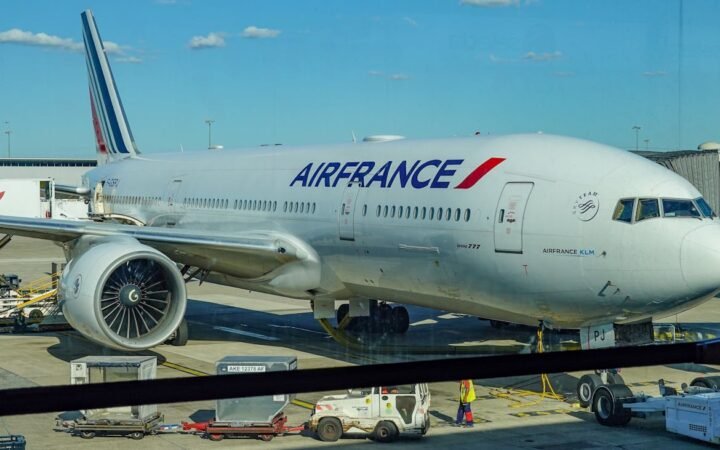
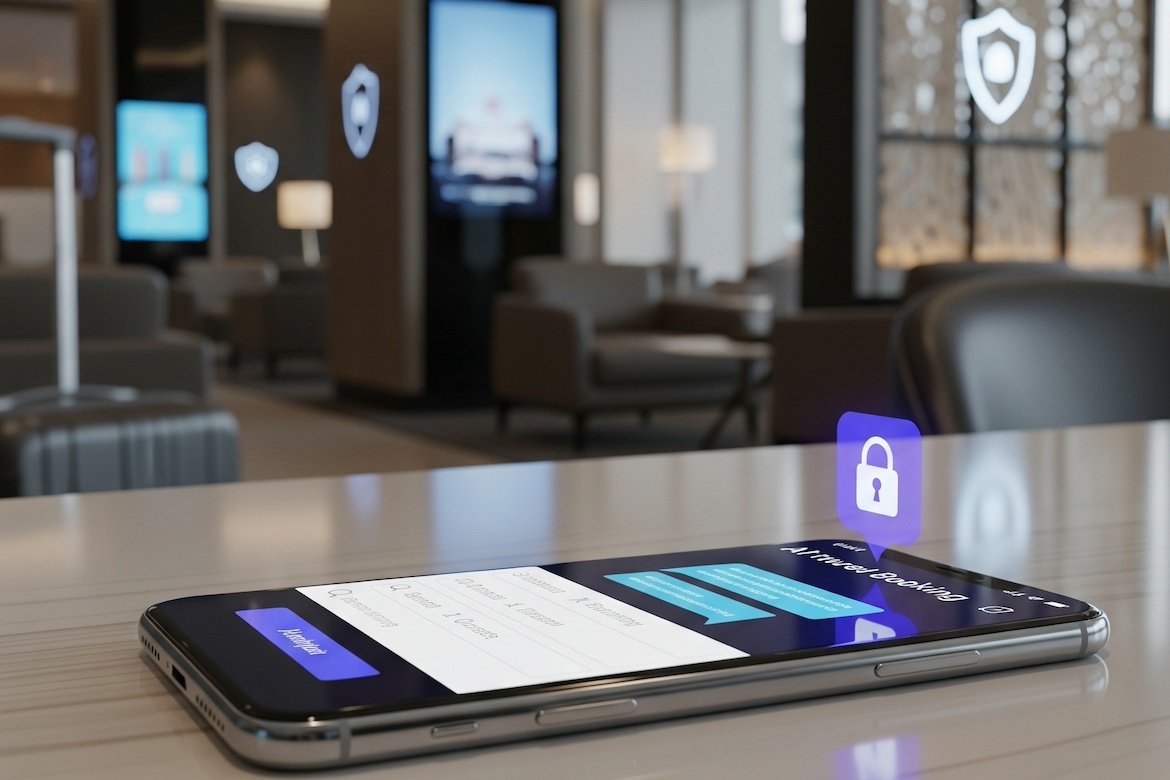
Air France-KLM confirms customer data breach after a cyberattack on a third-party platform, urging vigilance and transparency. Photo: Magda Ehlers / Pexels
In a concerning development, Air France-KLM has confirmed that it suffered a data breach stemming from vulnerabilities in a third-party platform it uses. While the airline group has not disclosed detailed specifics of which data has been impacted or the number of affected customers, it has issued public warnings urging vigilance. This incident places Air France-KLM alongside other airlines like Qantas, WestJet, United, and Aeroflot that have recently grappled with cybersecurity threats and outages.
Customer Alert and Airline Response
Air France-KLM has proactively reached out to customers who might be affected, encouraging them to monitor accounts and change passwords. The airline group emphasized that no internal systems have been compromised – the issue stems solely from its reliance on the external platform. The confidentiality and integrity of direct airline data remain protected, according to internal assurances.
Still, the incident has prompted calls for airlines to reevaluate their reliance on third-party systems. Even platforms that serve routine tasks such as booking management or customer notifications can expose airlines to high-stakes vulnerabilities if not rigorously secured and monitored. It raises questions about security standards, oversight, and data access controls across the travel technology ecosystem.
Broader Implications and Industry Context
This breach arrives amid an uptick in cybersecurity incidents within the aviation industry. Airlines are increasingly targeted by cybercriminals, and Air France-KLM’s alert underscores the urgency of fortifying digital defenses. For passengers, the trust implications are significant – knowing their data may be compromised, even indirectly, can erode confidence in airline systems.
To address these challenges, experts recommend conducting comprehensive security audits of all third-party partners, implementing more robust encryption and access policies, and offering credit-monitoring or identity-protection services to affected customers. Transparency and remediation efforts will be pivotal in maintaining customer trust and positioning the airline group as a responsible steward of sensitive information.
OutsideAgents.com has introduced MAGgie, an AI-powered assistant designed to help travel advisors automate itinerary creation, marketing, and client communications for streamlined, personalized service.
By Yuliya Karotkaya
Published:
Updated:
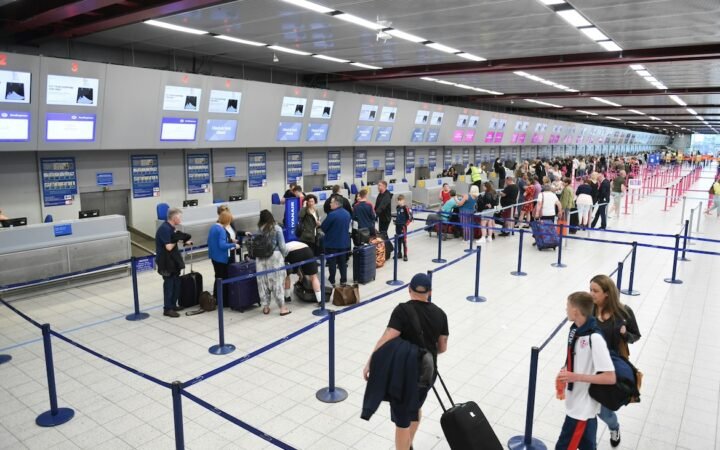
MAGgie, the AI assistant from OutsideAgents.com, helps travel advisors deliver personalized service and improve productivity. Photo: Tara Winstead / Pexels
OutsideAgents.com has launched MAGgie, an AI assistant aimed at transforming how travel advisors work by automating routine tasks. It enables advisors to craft personalized itineraries, send client emails, manage marketing strategies, and even plan blog and social media campaigns – saving time while improving productivity. Claiming to cater to advisors at any experience level, MAGgie integrates AI into daily workflows to elevate advisory services.
According to OutsideAgents co-owner Chad Burt, MAGgie goes beyond task automation by combining AI-enabled insights with each advisor’s training, sales background, brand voice, and client experience. This allows MAGgie to offer hyper-personalized assistance, helping advisors engage more meaningfully with clients and creating higher-quality proposals without the overhead.
Personalized Content and Structural Assistance
One of MAGgie’s standout capabilities is organizing research and streamlining proposal creation. Advisors can save research content – such as files, notes, or sentences – to a searchable research library and organize materials effectively, ensuring critical information never gets lost. MAGgie can also generate interactive proposal pages for advisors’ websites, dynamically incorporating client details, travel dates, preferences, and supplier data.
Beyond itinerary management, MAGgie supports marketing and communications by drafting email campaigns, optimizing posts for SEO, and automating social media workflow. Whether repurposing content or scheduling posts, MAGgie’s multi-phase assistance equips advisors with tools to boost visibility and engagement online.
Embracing AI Without Losing the Human Element
MAGgie is designed to augment advisors, not replace them. By freeing up time spent on administrative and repetitive tasks, advisors can focus more on value-added activities such as curating uniquely tailored travel experiences or building their brand narrative. MAGgie’s content and proposals reflect advisor-specific voice and preferences, helping maintain authenticity even while scaling efficiency.
The move by OutsideAgents.com underlines how AI in travel is maturing from novelty to practical necessity. With MAGgie, advisors are empowered to deliver polished results – faster and smarter – without sacrificing personalization or customer connection.
Ryanair has launched Travel Agent Direct (TAD), a platform tailored to offline travel agencies that enables direct booking, transparent pricing, and reliable communication with customers across 230+ destinations.
By Yuliya Karotkaya
Published:
Updated:
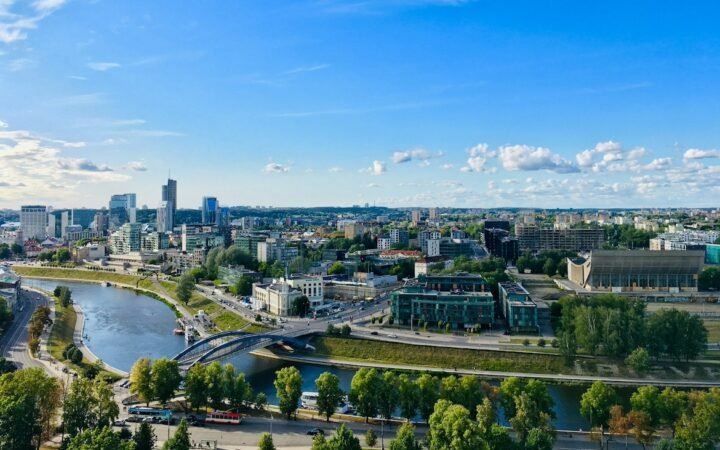
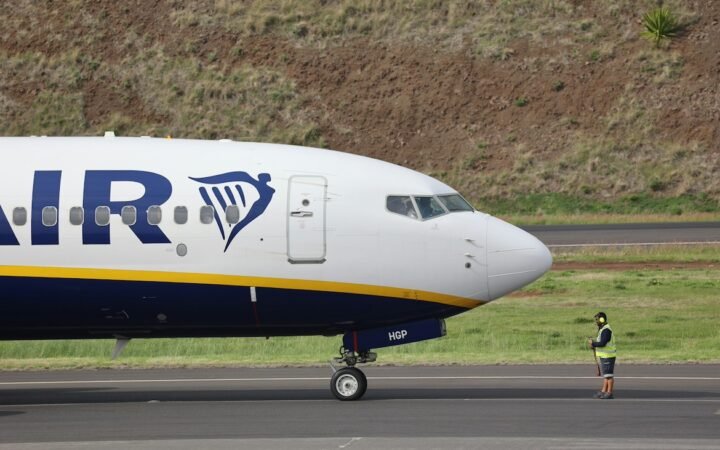
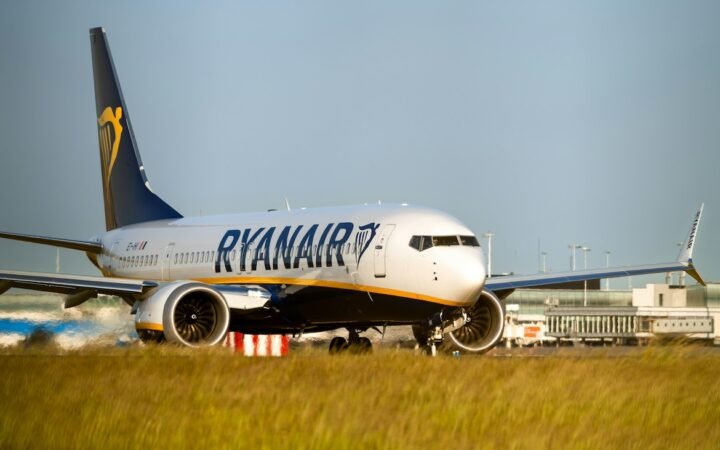
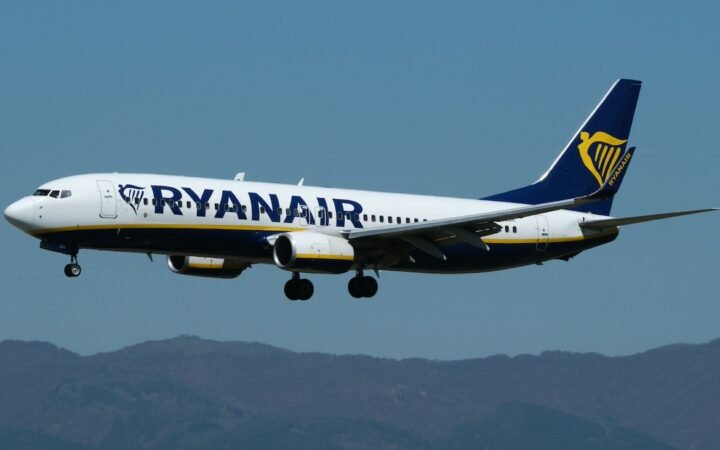
Ryanair’s new Travel Agent Direct platform empowers offline agents with direct access to flight booking, transparent pricing, and improved customer service. Photo: Rafael Minguet Delgado / Pexels
Ryanair has taken a bold step in reshaping its relationship with traditional travel agencies through the launch of Travel Agent Direct (TAD). This new booking platform gives offline, authorized agents direct access to Ryanair’s flight inventory, allowing them to reserve tickets at the airline’s real fares without hidden markups. The move comes as part of the airline’s broader push for consumer protection, aiming to eliminate issues caused by unauthorized agents who often inflate prices or fail to pass on critical flight information.
Through TAD, agencies gain access to Ryanair’s massive network of over 3,600 daily flights to more than 230 destinations across Europe and beyond. Bookings made via the platform require agents to submit accurate customer details, which allows the airline to communicate directly with passengers about schedule changes, delays, or other important updates. This direct line between airline, agent, and traveler not only improves efficiency but also helps avoid misunderstandings and service disruptions.
The interface is designed with simplicity in mind, allowing even smaller independent agencies to use the system effectively without the need for complex training. For Ryanair, the goal is clear: strengthen trust, ensure transparency, and give agencies the tools to deliver a better, more reliable travel experience to their customers.
Transparency, Trust, and the Future of Distribution
The launch of Travel Agent Direct signals a significant change in the way Ryanair approaches ticket distribution. By limiting access to licensed and approved agencies, the airline is creating a safer, more transparent sales environment for passengers. Customers can be confident they are paying the same fares they would find on Ryanair’s own website, while still benefiting from the personalized service and travel planning expertise of offline agents.
This initiative also has strategic implications for Ryanair’s long-term growth. With a target of reaching 300 million annual passengers by 2034, building stronger relationships with trusted agency partners will be key to expanding its reach and maintaining its reputation as Europe’s leading low-cost carrier. The airline believes that combining its competitive pricing with agency-led customer service can attract travelers who still prefer booking face-to-face or through local, specialized agents.
Ultimately, TAD represents more than just a booking platform – it’s a statement about the future of air travel distribution. In an industry where transparency and customer trust are increasingly vital, Ryanair’s decision to work more closely with authorized agencies positions it as both a protector of consumer interests and an innovator in how flights are sold.
With Wednesday Season 2 premiering just yesterday, Airbnb is spotlighting Guest Favourite stays near Nevermore Academy filming locations in Ireland – perfect for fans seeking a gothic getaway.
By Yuliya Karotkaya
Published:
Updated:
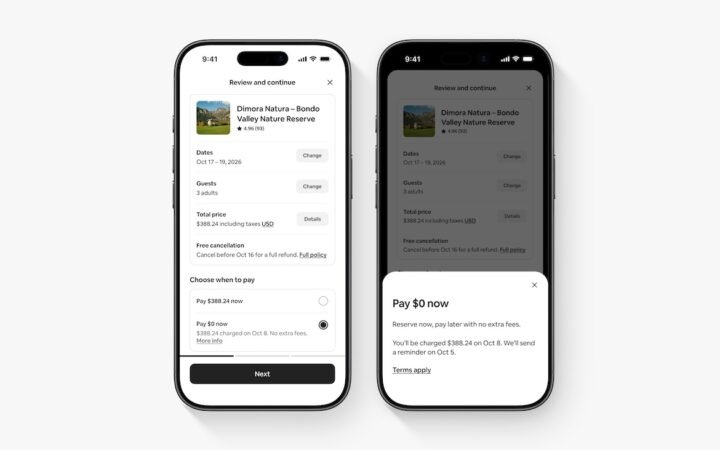
Airbnb’s curated stays near Wednesday Season 2 filming spots in Ireland offer fans the chance to live within the show’s haunting landscapes. Photo: Airbnb
Yesterday marked the premiere of Wednesday Season 2, and Airbnb is answering with travel inspiration tailored to fans. Ahead of the launch, the company released a guide featuring Guest Favourite stays near the series’ Irish filming locations. Now that the new season is live, these accommodations offer perfect settings for gothic getaways filled with atmosphere and mystery.
Airbnb highlights listings within easy reach of key filming locations – such as Charleville Castle, Powerscourt Estate, and the surrounding villages like Roundwood – so guests can stay immersed in the same atmospheric landscapes that brought Nevermore Academy to life.
One standout is the playfully spooky Knockmore Garden Wing – a listing fitting for supernatural botany enthusiasts and located within easy reach of Powerscourt filming locations.
For groups seeking grandeur, a Period Irish Manor just a short drive from Charleville Castle echoes the imposing tone of Nevermore Academy’s architecture. This creepily elegant manor channels the right mood for a post-premiere stay – imagine curling up with new episodes after exploring its stately grounds.
Cottage Charm & Rustic Moods near Powerscourt Estate and Roundwood
Fans craving cozy and cinematic spots will find a tiny studio lodge nestled in the Wicklow hills near Roundwood as a perfect match. With stone cobbles and foggy peaks, it’s a snug escape that brings the supernatural to life. Nearby, guests can also choose an Eerie Boutique Apartment in Enniskerry – the heart of Powerscourt manor country – but still far from conventional.
These choices are ideal for quiet, moody stays, where woodland whispers and historical architecture amplify the uncanny vibe of the show.
Modern Comfort Meets Gothic Flair in Tullamore Apartment
For a more comfortable and stylish option, Airbnb highlights a two-bedroom apartment in Tullamore. With spiral staircases and bookshelves, it echoes academic aesthetics – but updated for modern living. Perfect for post-Charleville Castle excursions or episode-watch parties, it’s an excellent base that blends gothic flair with convenience.
Guests can relax, plot their next adventure, or binge-watch Season 2 while surrounded by the textures that feel plucked from Wednesday’s campus.
Why These Stays Matter Right Now
The original Airbnb feature was published before the premiere, but now that Season 2 is out, each property becomes its own extension of the story. By staying in these homes near Powerscourt Waterfall, Charleville Castle, or quiet Wicklow lanes, fans step into the world they just watched – with real fog, echoes, and atmosphere replacing special effects.
With the season now live, this guide becomes more than inspiration – it’s an invitation. Fans can book stays in immersive locations that blend show magic with real-world landscapes. When you add the imagery and exact Airbnb links, each link and picture will tell the tale: this isn’t just fandom – it’s a full, gothic experience.
Starting September 2025, South Korea will allow visa-free entry for Chinese group tourists, signaling a major boost to tourism and cross-border travel.
By Yuliya Karotkaya
Published:
Updated:
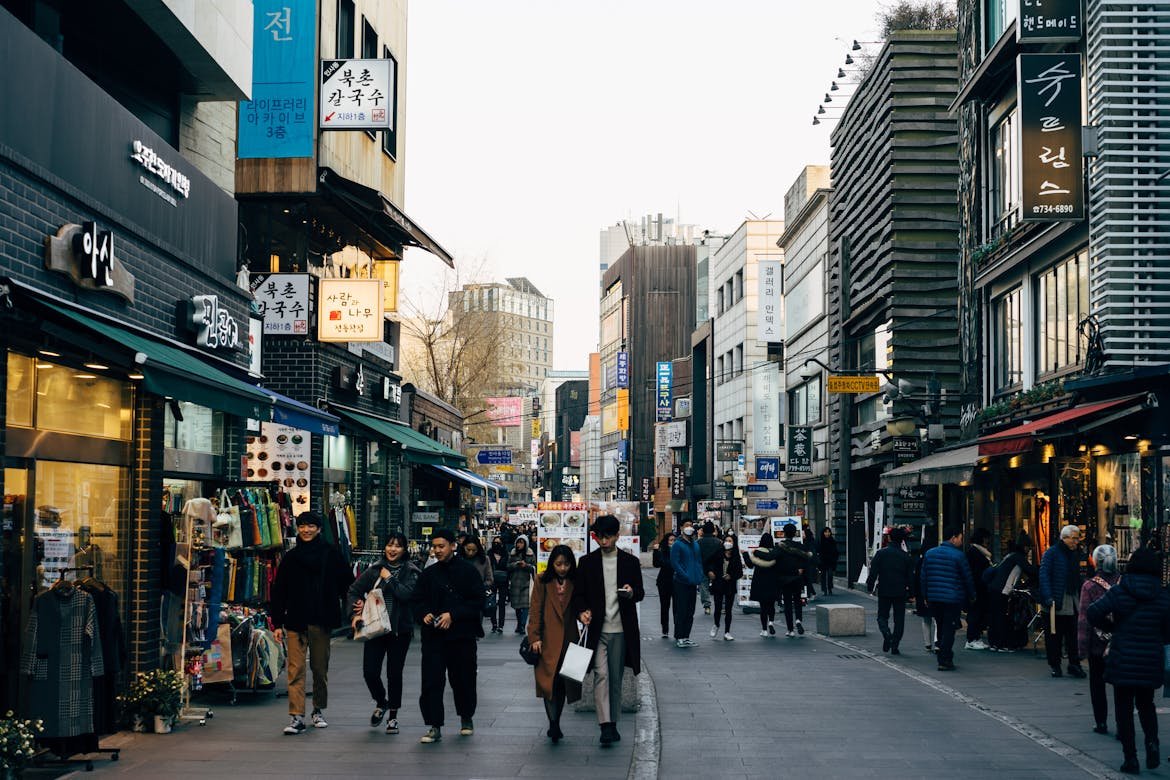
Chinese group tourists will be able to visit South Korea visa-free starting September 2025, reigniting post-pandemic travel. Photo: Markus Winkler / Pexels
South Korea has announced it will reinstate visa-free entry for Chinese group tourists beginning in late September 2025. The move is seen as part of Seoul’s broader push to revitalize inbound tourism and mend economic ties with Beijing. Group travelers from China will be allowed to enter the country without a visa when arriving via specific entry points such as cruise ships or chartered flights.
The policy had been suspended during the COVID-19 pandemic, effectively halting the once-thriving Chinese group travel segment. Now, with international travel rebounding, South Korea is strategically opening its borders to one of its most important tourism markets. Officials hope the measure will attract more than just tourists – also signaling improved diplomatic and cultural relations.
A Strategic Economic Move
The tourism sector in South Korea has long relied on Chinese visitors, who made up a significant share of pre-pandemic arrivals. The return of group travel is expected to bring a meaningful uptick in economic activity, particularly in retail, hospitality, and entertainment. Tour operators and local businesses are preparing for the surge, hoping for a repeat of the strong numbers seen before 2020.
The government has emphasized that this is not just about boosting arrival numbers but about creating a better travel experience overall. By facilitating smoother entry processes and targeting high-value group tourism, South Korea aims to balance quantity with quality. This visa-free program may also evolve over time, depending on traveler demand and bilateral relations.
Tourism Revival and Regional Competition
This policy shift comes amid growing competition across Asia to lure Chinese tourists. Countries like Japan, Thailand, and Malaysia have all rolled out aggressive tourism campaigns aimed at Chinese travelers. South Korea’s visa-free reintroduction aligns with this trend, showing its intent to remain competitive and relevant in the region’s tourism landscape.
Beyond economics, the move reflects soft diplomacy and the desire to deepen people-to-people exchanges. With easier access and curated group itineraries, Chinese visitors will have more opportunities to explore South Korea’s diverse offerings – from K-culture hotspots in Seoul to historic cities like Gyeongju and coastal escapes in Busan. As the fall travel season approaches, all eyes will be on how quickly group bookings rebound.
Southwest Airlines has partnered with Priceline to offer travelers more booking options, allowing customers to book Southwest flights directly on Priceline’s platform while still earning Rapid Rewards points.
By Yuliya Karotkaya
Published:
Updated:
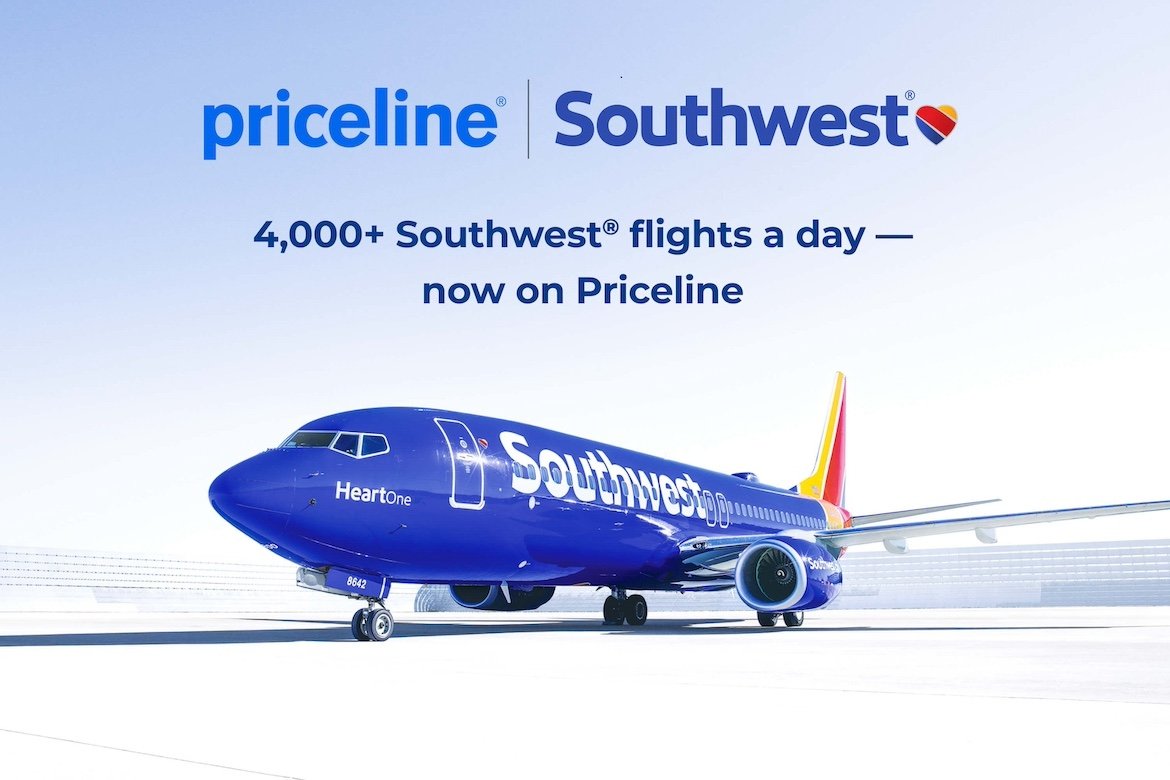
Southwest Airlines flights are now available for booking on Priceline, offering travelers more options and flexibility. Photo: Priceline
Southwest Airlines has announced a new partnership with Priceline, allowing travelers to book Southwest flights directly on Priceline’s platform. This collaboration aims to provide customers with more ways to compare, customize, and save on flights. Travelers can now access Southwest’s extensive network of over 4,000 daily flights to more than 100 destinations across the U.S., Mexico, Central America, and the Caribbean.
By booking through Priceline, customers can also bundle Southwest flights with hotels and car rentals, potentially unlocking additional savings. This partnership enhances the convenience for travelers, offering a one-stop shop for their travel needs.
Earning Rapid Rewards Points
Despite booking through Priceline, travelers can still earn Southwest’s Rapid Rewards points. This ensures that customers continue to benefit from the airline’s loyalty program, accumulating points for future travel. The integration of Southwest flights into Priceline’s platform maintains the value of the Rapid Rewards program while expanding booking options for travelers.
Availability Across Booking Holdings Brands
In addition to Priceline, Southwest flights are now available for booking across other Booking Holdings brands, including Booking.com and Agoda. This broadens the reach of Southwest Airlines, making it more accessible to a global audience. Travelers can now plan and book their trips across multiple platforms, enjoying the same benefits and rewards.
Enhancing Customer Experience
This partnership reflects Southwest Airlines’ commitment to enhancing the customer experience by providing more flexibility and options for booking travel. By collaborating with Priceline and other Booking Holdings brands, Southwest aims to meet the evolving needs of travelers in an increasingly digital and interconnected world.
Wednesday Season 2 brings the Addams Family world to life with gothic castles, misty forests, and real Irish villages. Discover every filming location and how to visit them.
By Yuliya Karotkaya
Published:
Updated:
Ireland’s castles and landscapes created the darkly enchanting world of Wednesday Season 2. Photo: Netflix
Netflix’s Wednesday Season 2 left Romania behind and embraced Ireland’s hauntingly beautiful landscapes, creating a perfect gothic backdrop for the next chapter of Wednesday Addams’ story. Ireland’s mix of historic castles, abandoned seminaries, coastal villages, and misty forests gave the series a darker yet more grounded visual identity. Every location used in filming is a real place that you can visit, making it a dream for fans of the show and travelers alike.
Below is a full guide to all the key locations used in Wednesday Season 2.
Charleville Castle, County Offaly – The Exterior of Nevermore Academy
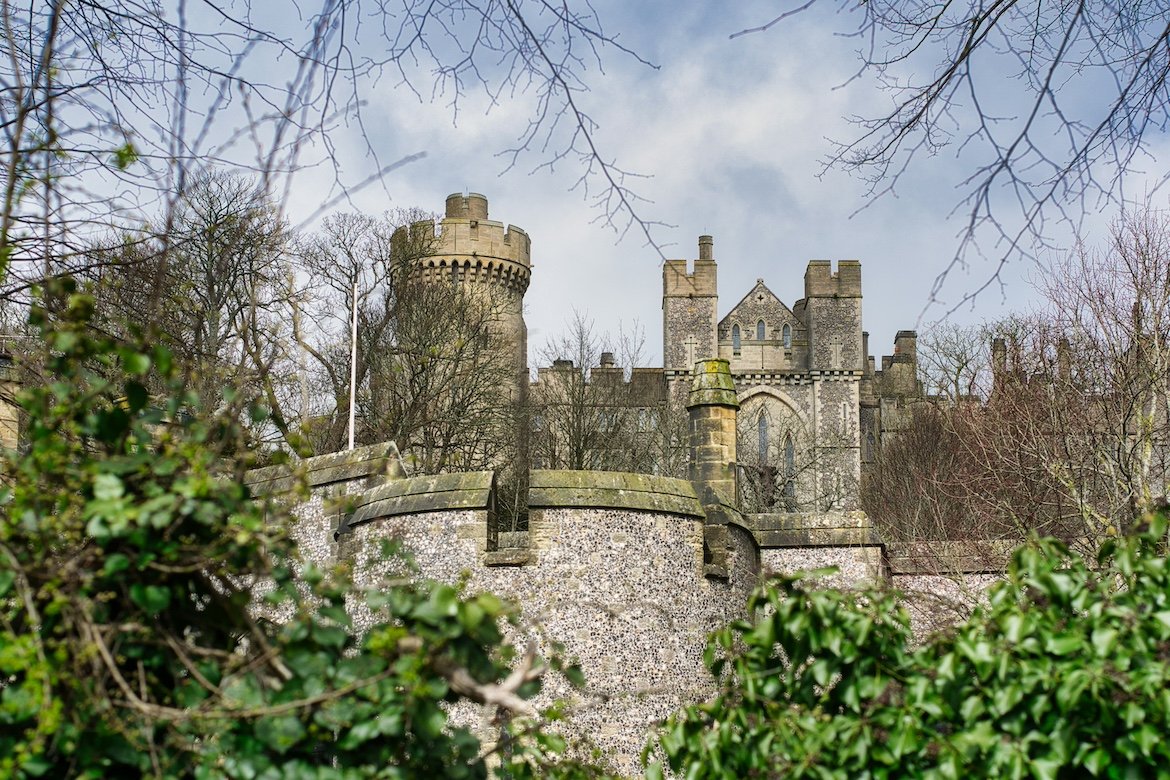
One of the most striking locations in Season 2 is Charleville Castle, which once again stands in for the exterior of Nevermore Academy. This early 19th-century Gothic Revival castle, surrounded by thick oak forests, already looks like it belongs in the world of the Addams Family. Its looming turrets, battlements, and pointed arch windows create a picture-perfect gothic silhouette on camera.
The castle carries a reputation as one of the most haunted places in Ireland, with countless local ghost stories adding to its atmosphere. For the show, these authentic features allowed the crew to capture sweeping exterior shots with minimal CGI, giving Nevermore a sense of real history and mystery.
Travel Tip: Charleville Castle offers guided tours and occasional events for visitors. Walking through its grand halls and creaking staircases feels like stepping into Nevermore itself. The nearby town of Tullamore makes a convenient base for exploring the area.
Ashford Studios, County Wicklow – The Heart of Nevermore
While Charleville provided the exterior, all the interior shots of Nevermore Academy were filmed at Ashford Studios, a state-of-the-art facility in County Wicklow. Here, the production team built detailed gothic sets, including the famous library, classrooms, and the hidden catacombs.
Filming in a studio allowed for precise lighting and weather control, letting the crew capture the eerie, candlelit vibe that defines Wednesday’s world. The studio also gave the designers freedom to expand the interiors of Nevermore far beyond what any real castle could accommodate.
Travel Tip: Ashford Studios is not open to the public, but the surrounding Wicklow Mountains National Park is a must-see. Hiking through its misty trails offers the same moody, cinematic atmosphere that inspired the show.
Powerscourt Estate & Roundwood, Wicklow – Outdoor Adventures and Cemeteries
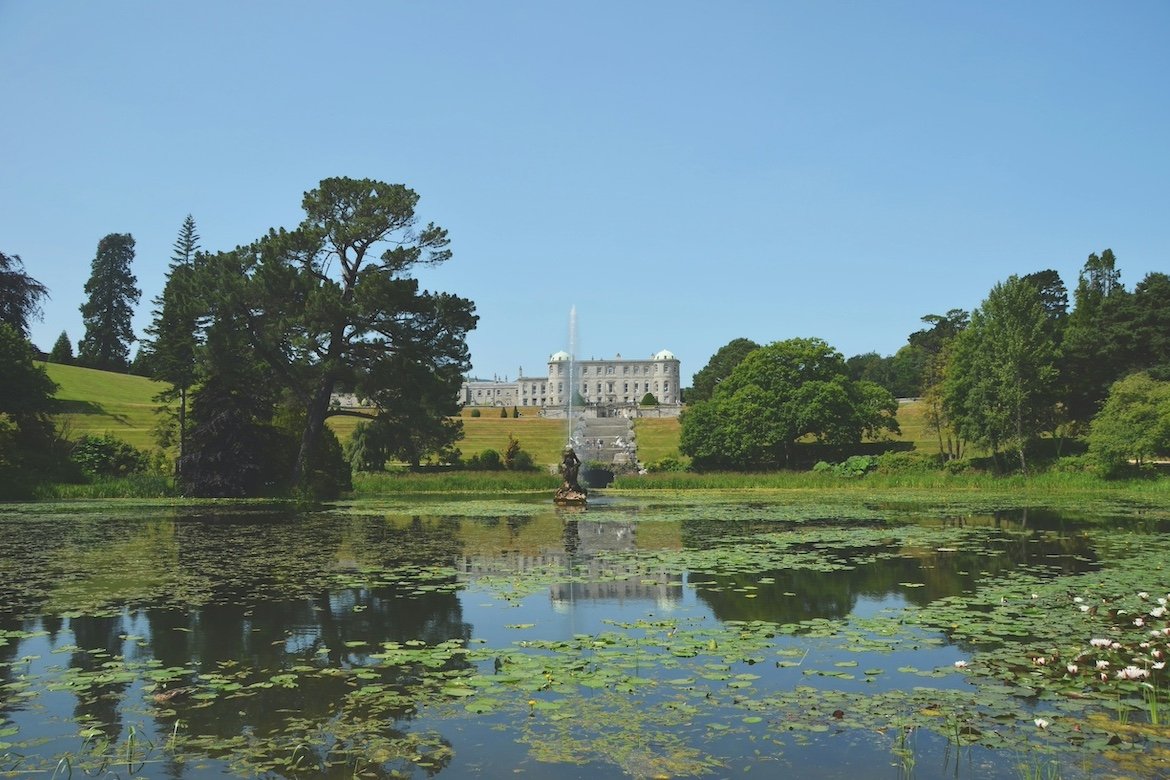
Season 2 features several outdoor and action sequences, including Nevermore’s cemetery scenes and the Wendigo’s forest encounters, which were shot at Powerscourt Estate. This sprawling property includes formal gardens, lakes, and sweeping views of Sugarloaf Mountain, all of which provided dramatic backdrops.
To add to the gothic mood, the production team often used fog machines and dark lighting to transform the bright Irish landscape into Wednesday’s shadowy world. Roundwood’s windswept hills and nearby forests were also used for scenes where Wednesday explores beyond Nevermore’s grounds.
Travel Tip: Powerscourt is open to the public year-round, with highlights like Powerscourt Waterfall, Ireland’s tallest, and forest walks that feel like stepping into a gothic fantasy. Roundwood village nearby is a perfect stop for traditional Irish pubs.
Trinity College Dublin – An American Airport in Ireland
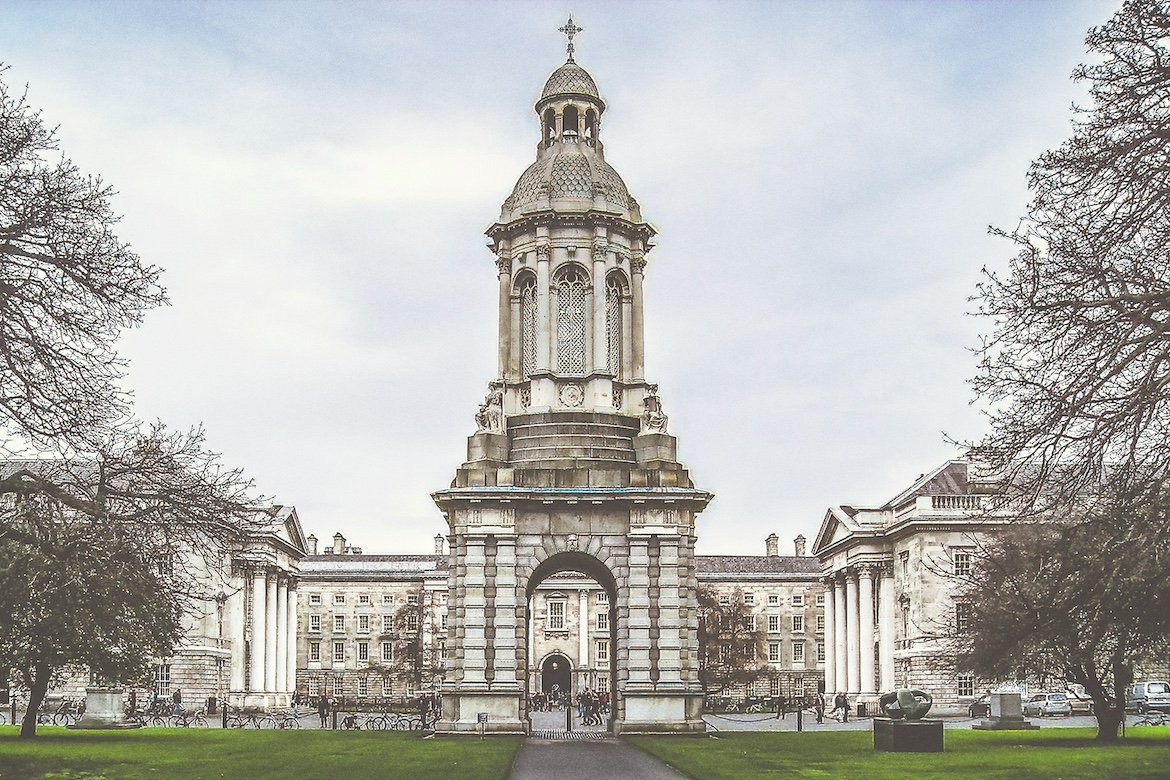
In a clever bit of filmmaking, the modern glass halls of Trinity College Dublin’s Business School were transformed into Newark Airport for the opening scenes of Season 2. Sleek corridors, polished floors, and wide open spaces created the illusion of a busy American terminal without leaving Ireland.
The college’s blend of historic architecture and modern buildings made it an ideal urban filming spot, allowing the production to capture an authentic international feel.
Travel Tip: Trinity College is one of Ireland’s most iconic attractions. After visiting the areas used for filming, don’t miss the Long Room Library and the Book of Kells, which are true treasures of Dublin.
Newcastle Village, County Wicklow – A Slice of Suburban Horror
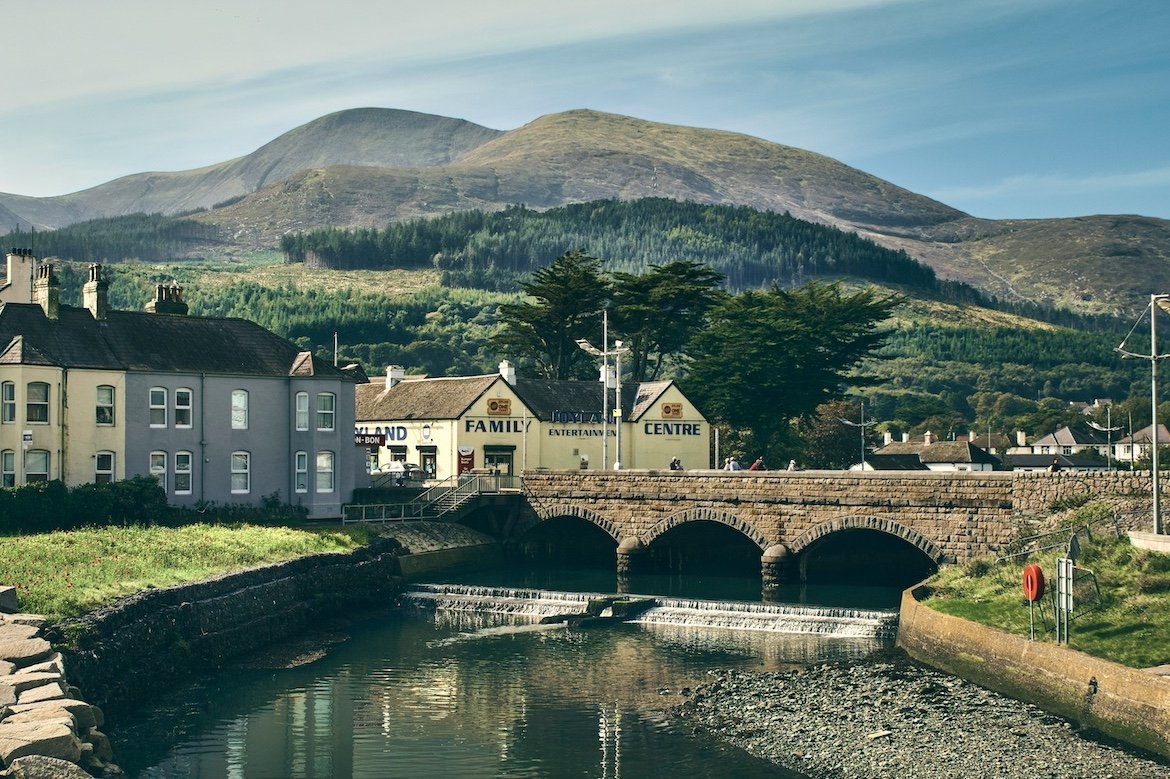
For the storyline involving the “Kansas City Scalper,” the crew turned Newcastle, a quiet village in County Wicklow, into a believable American suburb. Local houses and streets were dressed with U.S.-style props, including mailboxes and cars, creating the eerie feeling that danger was lurking in an otherwise peaceful neighborhood.
This location shows the show’s flexibility – gothic castles one moment, small-town suspense the next – adding to the season’s sense of unease and unpredictability.
Travel Tip: Newcastle is a peaceful spot for a filming-location road trip. Combine your visit with a detour to Brittas Bay Beach, offering long sandy stretches and views of the Irish Sea.
Clonliffe College, Dublin – Willow Hill Psychiatric Facility
The chilling Willow Hill Psychiatric Facility sequences were filmed at Clonliffe College, a 19th-century seminary that has long been abandoned. Its arched windows, decaying corridors, and echoing stairwells provided a naturally unsettling backdrop. Little set dressing was required, as the real building already looked like it belonged in a psychological thriller.
The location adds a layer of authentic eeriness to the season, enhancing the show’s darker subplots.
Travel Tip: Clonliffe College itself is not open for public tours, but Dublin offers numerous Victorian architecture walking routes, where you can experience the same historic and slightly haunted atmosphere.
Ireland as the Perfect Gothic Stage
From haunted castles and abandoned seminaries to rolling hills and misty forests, Ireland became the ultimate stage for Wednesday Season 2. Each filming location offers a real-world connection to the Addams Family universe, inviting fans to walk through the settings they’ve seen on screen.
Whether you’re chasing gothic castles or quiet Irish villages, visiting these spots brings Wednesday’s darkly whimsical world to life – just don’t be surprised if you leave with a sudden urge to wear black and practice your best deadpan stare.
Trivago achieved 17% year-over-year revenue growth in Q2 2025, marking its third straight quarter of gains, and finalized its acquisition of AI-powered travel tech company Holisto, signaling a strategic expansion beyond metasearch.
By Yuliya Karotkaya
Published:
Updated:
Trivago reported strong Q2 growth and completed the Holisto acquisition to broaden its travel technology platform. Photo: TravelCapybara
Trivago achieved €139.3 million in revenue for the second quarter of 2025, marking a 17% year-over-year increase and extending its growth trajectory to a third consecutive quarter. The key driver was Referral Revenue, which rose 18% to €138.5 million, with robust performance across all geographic segments – 10% in the Americas, 20% in Developed Europe, and an impressive 32% in Rest of World.
While the company’s net loss widened to €6.5 million, a positive silver lining was the improved loss in Adjusted EBITDA, which improved slightly to €5.1 million. The gains reflect effective brand marketing, product enhancements, and strong execution by the global team aimed at enhancing conversion rates and user loyalty.
Strategic AI-Powered Tech Acquisition: Holisto
On July 31, 2025, Trivago completed its acquisition of Holisto Limited for approximately €22.3 million. Holisto, an AI-driven travel tech provider specializing in hotel rate aggregation and a white-label booking engine, immediately becomes a wholly-owned subsidiary.
With a team of 211 employees and merchant-of-record capabilities, Holisto’s technology promises to enhance Trivago’s booking funnel and reduce reliance on metasearch models. This acquisition lays the foundation for diversifying revenue streams and improving user experience.
However, Trivago has not provided specific financial metrics for Holisto, leaving the integration execution and synergy realization as key uncertainties to watch. The company expects low double-digit million euros in additional revenue from Holisto by the end of 2025, without significantly affecting its Adjusted EBITDA guidance.
Looking Ahead to Continued Growth
Trivago reaffirmed its outlook for Q3, anticipating continued double-digit revenue growth, although possibly at a slightly reduced rate compared to Q2 owing to tough year-over-year comparisons. Logged-in users contributed 20% of Referral Revenue, highlighting enhanced engagement and deeper loyalty among returning users.
Looking further ahead, the company remains committed to disciplined brand marketing and operational efficiency. Success will depend on its ability to capitalize on Holisto’s technology, sustain high-performing branded traffic growth, and ultimately translate its new capabilities into a richer, more integrated booking experience.
Starting in 2027, New Zealand will require foreign visitors to pay a fee – ranging from NZ$20 to NZ$40 – at four of its most visited conservation sites, reinvesting the revenue in maintenance, infrastructure, and boosting local communities.
By Yuliya Karotkaya
Published:
Updated:
New Zealand plans to charge foreign visitors NZ$20-40 to visit iconic natural landmarks, with funds earmarked for conservation and local infrastructure. Photo: Félix Lam / Unsplash
New Zealand is taking a proactive step to protect its natural heritage by introducing fees for international tourists visiting its most iconic natural sites. From 2027, foreign visitors will pay between NZ$20 and NZ$40 to access four flagship attractions – Cathedral Cove / Te Whanganui-a-Hei, Tongariro Crossing, Milford Sound, and Aoraki Mount Cook. The new fees are part of a broader strategy to tackle overtourism, support environmental preservation, and promote equitable economic benefit for local communities.
Balancing Tourism and Conservation Through Targeted Fees
The move reflects the government’s commitment to sustainable tourism. Conservation Minister Tama Potaka explained that these locations frequently host up to 80% international visitors – so having them contribute directly to upkeep is only fair. The fund is expected to raise up to NZ$62 million annually, earmarked for trail maintenance, waste management, habitat restoration, and updated visitor infrastructure.
Prime Minister Christopher Luxon echoed the sentiment, noting that charging foreign tourists for these natural treasures helps support ecological stewardship while preserving free access for New Zealand citizens. The initiative also aligns with reforms to the Conservation Act that aim to simplify business concessions in protected areas, enabling more eco-friendly services and infrastructure to flourish without excessive bureaucracy.
However, not everyone is convinced. Environmental groups caution that easing rules for commercial activity may threaten fragile ecosystems. Critics argue that making it easier to permit tourism businesses on conservation land risks prioritizing profit over protection. Public feedback reflects similar tension – while many acknowledge the need for better funding of conservation efforts, there is concern about increasing costs for travelers and potential penalty to local tourism.
Despite mixed reactions, this policy aligns with global tourism models where user fees fund sustainability – similar to Bhutan’s per-night environmental levy or Iceland’s eco-tourism taxes. The approach allows governments to ring-fence revenue specifically for conservation, bypassing general budget constraints. As New Zealand navigates tourism recovery post-pandemic, the targeted fee model represents a thoughtful step toward preserving its natural wonders for future generations.
Airbnb posted a robust Q2 2025 with double‑digit revenue growth, record profitability, and new services and AI strategies that underline its push toward becoming a comprehensive travel platform.
By Yuliya Karotkaya
Published:
Updated:
Airbnb delivered standout Q2 results and unveiled new services and AI plans as it doubles down on becoming the travel platform of the future. Photo: TravelCapybara
Airbnb posted a strong second quarter, with revenue hitting $3.1 billion, up 13% year-over-year. Growth was driven by increased nights booked, higher average daily rates, and strong demand trends across key regions. Net income rose 16% to $642 million, delivering a 21% net margin – evidence of sustained profitability and scale.
The company also reported adjusted EBITDA of $1 billion, maintaining a 34% margin, and its free cash flow reached $1 billion as well. With these results, Airbnb announced a $6 billion share buyback program, reinforcing its confidence in long-term performance and shareholder value.
Services Launch and AI as Strategic Growth Catalysts
Airbnb’s ambitions go beyond lodging. In Q2, it began rolling out new offerings under the “Airbnb Services” banner, alongside a relaunch of Airbnb Experiences. These additions aim to position the platform as a one-stop solution for all parts of the travel journey. A redesigned app now allows users to seamlessly explore stays, activities, and services all in one place.
Meanwhile, Airbnb is leaning deeper into artificial intelligence. AI-powered customer service tools have already reduced reliance on human support by around 15%. The company is also exploring AI “travel agents” capable of building itineraries and assisting users in booking – potentially reshaping how people plan trips.
Looking Ahead: Optimism with Cautious Outlook
Looking forward, Airbnb expects Q3 revenue to land between $4.02 and $4.10 billion, slightly ahead of market expectations. Demand in domestic travel, particularly in the U.S., continues to grow, and North American average daily rates rose 3% in Q2. Gross booking value climbed 11% to $23.5 billion, further highlighting Airbnb’s reach.
At the same time, the company remains cautious. It anticipates that growth may moderate in Q3 and Q4 due to tougher comparisons with last year and continued investments in new verticals and regulatory efforts. After the earnings call, shares dipped slightly in after-hours trading – underscoring investor sensitivity to forward guidance.
Booking.com has launched its first-ever U.S. credit card – the Genius Rewards Visa Signature Card – offering tier upgrades, travel credits, and no annual fee to drive direct bookings via its app and platform.
By Yuliya Karotkaya
Published:
Updated:
Booking.com introduces its U.S. Genius Rewards Visa Signature Card, bringing travel credits and elite status to loyal travelers. Photo: TravelCapybara
Booking.com has officially entered the U.S. credit card market with the launch of its first-ever card, the Genius Rewards Visa Signature. Designed to incentivize direct bookings on its platform, the card offers travel credits instead of traditional points or cash back, making travel more rewarding for frequent users of Booking.com.
Generous Earning Structure and Welcome Incentives
Cardholders can earn up to 6% back in travel credits on accommodations booked via the Booking.com mobile app, and 5% back on other travel categories booked through the platform, including flights, car rentals, cruises, attractions, and airport taxis.
Additionally, the card offers 3% back on dining, gas, and groceries, as well as 3% back on in-person purchases made during a stay – within 50 miles of your booked accommodation on Booking.com, up to $10,000 per year. All other purchases earn 2% back.
New cardholders receive $150 in Booking.com travel credits after spending $1,500 within the first 90 days. They also earn an additional $100 in travel credits annually for spending $15,000 in a cardholder year.
Elite Tier Upgrade and Travel Protections
As a key perk, the card grants instant Genius Level 3 status, normally earned after 15 bookings. This tier provides 10–20% discounts on eligible stays, free breakfast, room upgrades, and priority customer support.
The card also waives the annual fee, has no foreign transaction fees, and includes travel benefits such as auto rental insurance, trip cancellation, and travel accident coverage – solid incentives for frequent travelers.
What Makes This Card Stand Out
This offering is tailored for travelers deeply committed to Booking.com, particularly those staying in independent or boutique lodgings that offer Genius perks. With its elite tier benefits and strong earning rates, the card delivers immediate value – especially given the $0 annual fee.
However, its platform-restricted travel credits diminish flexibility; unlike transferable points programs, these rewards can only be used on Booking.com. Frequent users of hotel loyalty programs may find this limiting.
That said, for those who consistently use Booking.com as their primary travel booking platform, the simplicity of earning and redeeming credits, combined with automatic status upgrades, could make this a hassle-free and rewarding travel tool. It’s not aiming to compete with premium travel cards, but rather carve out its own niche for loyal users seeking convenience and direct-value travel perks.
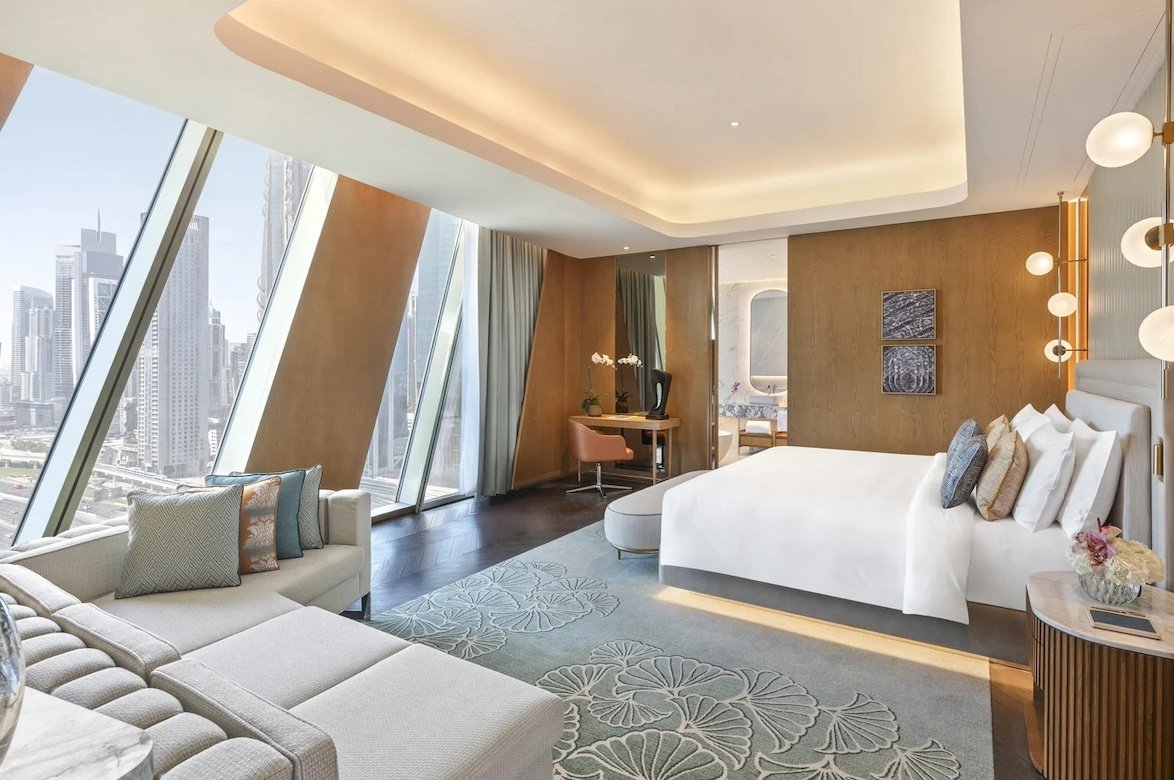
Mandarin Oriental is set to launch its second Dubai property – Mandarin Oriental Downtown, Dubai – within the architectural spectacle of Wasl Tower this October. Featuring 259 rooms and 224 branded residences, this luxury hotel reimagines urban hospitality with design innovation, sustainability, and world-class wellness and dining.
By Yuliya Karotkaya
Published:
Updated:
Mandarin Oriental Downtown, Dubai prepares to open in October 2025 within the striking Wasl Tower, combining luxury accommodations, branded residences, award-level wellness, and sustainable architecture. Photo: Mandarin Oriental
Mandarin Oriental is expanding its footprint in Dubai with its second city-center property – Mandarin Oriental Downtown, Dubai – slated to open in October 2025. Perched within the sculptural Wasl Tower on Sheikh Zayed Road, this bold new landmark promises a new standard in sophisticated, sustainable urban hospitality.
Architectural Innovation Meets Sustainable Luxury
Mandarin Oriental Downtown, Dubai inhabits a twisted, futuristic form rising prominently along Sheikh Zayed Road. Its ceramic façade is set to become the tallest of its kind in the region – an artistic element that also functions as natural climate control thanks to aerodynamic fins designed to optimize airflow and reduce indoor heat, enhancing energy efficiency.
The hotel includes 259 luxury rooms and suites, arranged across mid-level floors, with an additional 224 branded residences occupying the upper tiers. These residences offer the convenience and privacy of home, paired with full access to the hotel’s signature services. A rooftop helipad ensures seamless VIP access, reflecting the property’s design narrative of elegance and cutting-edge convenience.
Elevated Hospitality: Dining, Wellness, and Lifestyle
The property’s two-floor spa redefines urban wellness by fusing ancient healing traditions with advanced treatment technologies. Organized around four wellness pillars – nourishment, in-room wellness, beauty, and intelligent movement – the spa also features a serene rooftop lap pool surrounded by lush gardens.
Food will play a central role in the guest experience. With ten curated dining venues and bars, hotel guests can explore global flavors – from French and Chinese to Greek and Italian cuisines – each designed to provide an immersive culinary adventure complemented by stylish, sophisticated ambiance and nightlife energy.
The design ethos extends to every detail: natural materials, curated art, and intelligent technology blend to create a refined aesthetic. Noteworthy accommodations – such as a Presidential Suite and a marble-adorned Royal Penthouse – provide a luxurious retreat, while guestrooms reflect Mandarin Oriental’s signature attention to comfort and discreet luxury.
Mandarin Oriental Downtown, Dubai elevates expectations of what urban hospitality in Dubai can be. It delivers a blend of architectural audacity, sustainable innovation, comprehensive wellness, culinary breadth, and residential luxury – all in the heart of a dynamic metropolitan setting. As the brand’s second Dubai outpost, it exemplifies how global luxury hospitality can harmonize with regional vision and environmental consciousness.
Adyen’s 2025 Hospitality & Travel Report reveals a surge in AI-driven travel booking – from planning to payments – while payments flexibility and fraud prevention emerge as key industry priorities.
By Yuliya Karotkaya
Published:
Updated:
AI-powered booking and payments are becoming essential in hospitality, according to Adyen’s 2025 Hospitality & Travel Report. Photo: TravelCapybara
Travelers worldwide are increasingly turning to AI tools for vacation discovery and bookings. Adyen’s latest report finds that roughly one-third of travelers use AI to book summer getaways, marking a nearly 74% increase year-over-year. In markets like the UK, older generations are embracing AI at notable rates – Boomers showed a 147% increase in adoption – demonstrating that the appeal spans generations. Travelers cite AI’s ability to cut through noise and deliver faster, personalized inspiration compared to cluttered social media platforms.
Hospitality businesses are responding to these shifting expectations. Over half say AI-enabled search tools and guest personalization are poised to reshape the travel booking experience in 2025. AI isn’t just for discovery – it’s becoming a core enabler across the guest journey, from inspiration to final booking.
Payments Evolution: Flexibility and Security as Foundations
Beyond planning, Adyen’s report underscores the importance of integrated, seamless payment experiences. Most travelers abandon bookings when faced with rigid or fragmented checkout options; a third cite inflexible payments as a deal-breaker. To address this, hotels are investing in unified commerce platforms, enabling seamless transactions across booking, in-app, and in-person channels.
Security remains a top concern – nearly 40% of accommodation providers reported increased fraud attempts in the past year. Adyen’s AI-powered fraud solution, Protect, reduces false positives by 86%, ensuring genuine bookings are processed smoothly. As booking workflows and payment methods converge, AI becomes the essential link between efficient operations and guest satisfaction.
Balancing Tech with Trust: The Human Element Remains Vital
While AI is gaining traction, data reveals that full trust in automation remains limited: only a small fraction of consumers are comfortable with AI making key decisions independently. Many travelers still fact-check AI-generated results and prefer the option to retain human guidance, especially in complex or emotionally driven decisions like travel planning.
This sentiment is reflected across global audiences: AI is viewed as a tool that enhances, not replaces, the human experience. The most successful hospitality brands will integrate AI insightfully – supporting guest needs while preserving trust and transparency.
Saudi Arabia is investing heavily in the Aseer province, aiming to transform its natural landscapes and cultural heritage into a world-class tourism destination that supports the Kingdom’s 2030 goals.
By Yuliya Karotkaya
Published:
Updated:
The scenic mountains of Aseer are at the heart of Saudi Arabia’s new nature-focused tourism strategy. Photo: Faisal Alhassan / Unsplash
Saudi Arabia is accelerating its tourism ambitions by turning Aseer province into a world-class destination that highlights the country’s natural beauty and cultural heritage. Known for its green mountains, cooler climate, mud palaces, and sweeping desert plains, the region is being positioned as a year-round getaway for both domestic and international travelers.
The government and major investors, including the Public Investment Fund (PIF), are developing billion-dollar master plans to create new tourism experiences that are immersive, sustainable, and rooted in local culture. Unlike the ultramodern developments of Riyadh or NEOM, Aseer’s strategy focuses on nature-based attractions and adventure tourism, appealing to visitors seeking authentic experiences and outdoor activities.
From Mud Palaces to Mountain Adventures
Aseer’s charm lies in its blend of history and nature. The province is dotted with traditional mud-brick palaces, vibrant local markets, and UNESCO-recognized cultural heritage sites. Its coastal areas provide beaches and desert landscapes, while the mountainous interior offers hiking, paragliding, and nature trails.
The cooler climate sets Aseer apart from many other Saudi regions, making it suitable for year-round tourism. This climate advantage aligns with the Kingdom’s broader Vision 2030 strategy, which aims to diversify the economy and increase international arrivals to 70 million annually within the next five years.
Billion-Dollar Tourism Vision
Officials are prioritizing sustainable development in the region, ensuring that tourism growth supports environmental preservation while generating economic opportunities for local communities. Large-scale investment is flowing into resorts, eco-lodges, and infrastructure projects designed to enhance accessibility without compromising the province’s natural charm.
Industry experts suggest that Aseer could become Saudi Arabia’s answer to Alpine and Mediterranean retreats, offering luxury and adventure in a region historically overlooked by international travelers. The blend of heritage and modern amenities is expected to attract nature enthusiasts, cultural explorers, and high-end tourists alike.
A Key Step Toward the 2030 Tourism Target
The development of Aseer is a critical pillar in Saudi Arabia’s plan to become a top global tourism destination. By diversifying its attractions beyond megacities and desert resorts, the Kingdom aims to capture a wider share of the global travel market and redefine its international image.
As the projects progress, Aseer is poised to play a central role in the Kingdom’s tourism story, balancing preservation and innovation. If successful, the region will showcase how Saudi Arabia can merge its natural assets with global tourism trends, bringing the nation closer to its ambitious 2030 goals.
Join our list to receive latest Blockchain, Crypto & Fintech news:
WordPress database error: [Table 'u752143311_aXVuj.wp_coingecko_coins' doesn't exist]
SELECT coins.*, meta.post_id as post_id
FROM `wp_coingecko_coins` coins
INNER JOIN wp_postmeta meta ON (meta.meta_key = 'wpcf-coin-main-tag' AND meta.meta_value = coins.slug )
ORDER BY market_cap_usd
DESC LIMIT 9