Thousands of hotels across Europe have united to file a class-action lawsuit against Booking.com, alleging years of unfair pricing policies and seeking major compensation.
By Staff Writer | Edited by Yuliya Karotkaya
Published:
Updated:
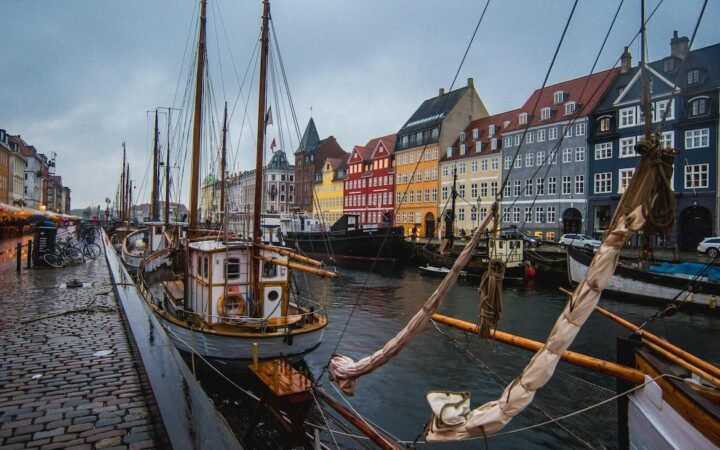
In a historic move, thousands of European hotels are suing Booking.com in the Netherlands over restrictive pricing policies and commission structures that have shaped the industry for years. Photo: John Tekeridis / Pexels
In a bold move that could reshape the online travel landscape, more than 4,000 hotels from 10 European countries have launched a class-action lawsuit against In a historic move, thousands of European hotels are suing Booking.com in the Netherlands over restrictive pricing policies and commission structures that have shaped the industry for years.. The lawsuit accuses the online travel giant of anti-competitive behaviour, including imposing price restrictions that allegedly harmed hotel revenues and limited consumer choice.
Spearheaded by the European Hotel Alliance and law firm Hausfeld, the legal action has been filed in the Netherlands, where Booking.com is headquartered. The case represents a growing pushback from the hospitality sector against dominant digital platforms and their control over pricing, visibility, and commissions.
Why Hotels Are Taking Action Now
At the heart of the lawsuit is Booking.com’s long-standing use of rate parity clauses, which have historically required hotels to offer the same or lower prices on Booking.com than on their own websites or other channels. Hoteliers argue that these clauses, coupled with high commission rates, have eroded their ability to compete fairly and undermined profitability.
According to the European Hotel Alliance, the financial impact of these practices has been substantial – especially for small and independent hotels that depend heavily on online visibility but struggle to absorb hefty fees and pricing constraints.
With the rise of direct booking campaigns and growing frustration over platform dominance, the lawsuit marks a pivotal moment in how hotels engage with digital distribution partners.
A Wider Movement for Fairer Online Travel Markets
The case is the largest of its kind in the European hospitality industry and reflects a broader demand for regulation and transparency in online travel bookings. Similar complaints have surfaced in other regions, including investigations by competition authorities in Germany, France, and Italy in past years.
This legal action could lead not only to significant financial compensation but also to potential reforms in how booking platforms operate. Industry groups are calling for more balanced partnerships, greater autonomy over pricing, and a fairer digital marketplace where hotels can thrive without disproportionate dependence on a few major platforms.
For travelers, the outcome could influence how room rates are displayed and whether more competitive pricing emerges across booking channels in the future.
Looking Ahead: What This Means for the Travel Industry
As the post-pandemic tourism rebound continues, the dynamics between hotels and booking platforms are under renewed scrutiny. While OTAs like Booking.com have played a critical role in global travel recovery, hotel operators are now demanding a more equitable framework that supports both innovation and fair competition.
If successful, this lawsuit could set a precedent for similar actions globally, encouraging more independent properties to push for control over their own pricing and customer relationships. For now, it sends a clear message: Europe’s hotel sector is no longer willing to accept the status quo.
Shangri-La debuts its new Signatures brand with a luxurious lakeside retreat in Hangzhou, China. The opening marks a refined step into boutique-style hospitality focused on immersive, destination-driven stays.
By Yuliya Karotkaya
Published:
Updated:
Shangri-La Signatures debuts in Hangzhou, blending modern luxury with local elegance in a new lifestyle-focused hotel concept. Photo: Shangri-La Group
Shangri-La has officially launched its new lifestyle hospitality brand, Shangri-La Signatures, with the opening of its first property in Hangzhou, China. This marks a significant expansion for the luxury hotel group as it embraces a more contemporary, community-centric approach to hospitality.
Located in the heart of Hangzhou’s bustling commercial district, the inaugural Shangri-La Signatures hotel offers 325 guestrooms, including 20 suites and 24 long-stay apartments. The property blends modern design with warm Asian-inspired interiors, featuring soft wood textures, neutral tones, and tactile materials that create a welcoming, residential ambiance.
A New Vision for Modern Travelers
Designed to cater to modern, urban-minded travelers, Shangri-La Signatures focuses on comfort, connectivity, and local engagement. The brand’s guiding concept, “Beautifully New, Comfortably Familiar,” aims to deliver a personalized experience that maintains Shangri-La’s renowned hospitality while adapting to evolving guest expectations.
The Hangzhou property emphasizes communal spaces and lifestyle programming. The Living Room replaces a traditional lobby, offering a multifunctional area where guests can work, relax, and connect. A signature scent, curated playlists, and curated book collections create an immersive and relaxing atmosphere.
On the culinary side, the hotel features a new restaurant concept called “Signatures Café & Kitchen,” offering all-day dining with an emphasis on regional Chinese flavors and international comfort dishes. A dedicated Social Hub hosts community-focused events, from yoga sessions to art pop-ups.
Future Expansion Plans
Shangri-La Group has announced that more Signatures properties are already in the pipeline. New hotels under this brand are planned for key gateway cities in Asia and the Middle East, including Tokyo, Bangkok, and Dubai, in the coming years. Each property will reflect its local culture while adhering to the brand’s unified design principles and service philosophy.
With Shangri-La Signatures, the group is aiming to attract younger travelers and long-stay guests who seek a refined yet unpretentious hotel experience. The brand’s debut in Hangzhou signals a shift toward more flexible, experience-driven hospitality offerings within the luxury space.
Southwest Airlines has officially retired its iconic “bags fly free” policy, introducing checked baggage fees starting May 28, 2025. The move aligns the carrier with industry standards and is projected to boost profits by over $400 million.
By Staff Writer | Edited by Yuliya Karotkaya
Published:
Updated:
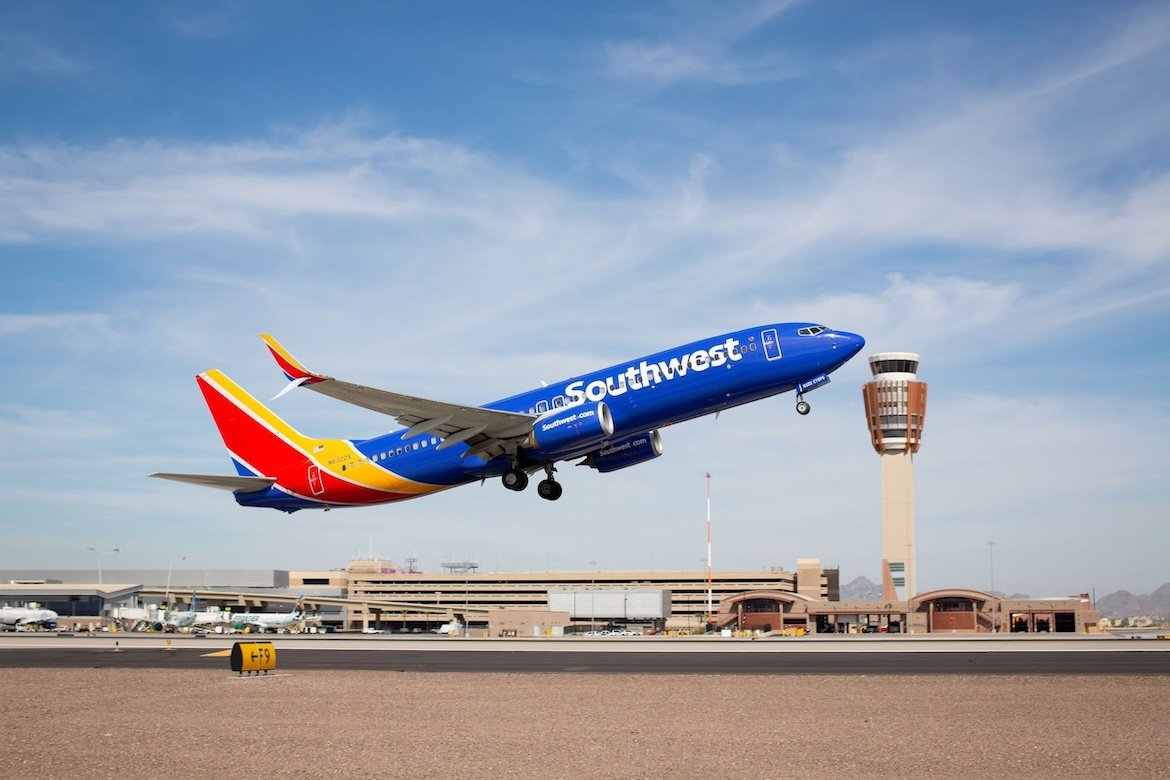
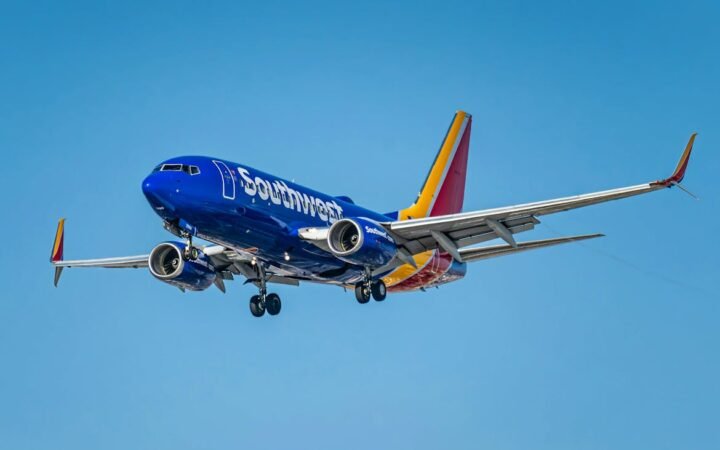
Southwest Airlines announce the end of its long-standing ‘Bags Fly Free’ policy with the introduction of new checked bag fees. Photo: Southwest Airlines
After more than five decades of offering complimentary checked luggage, Southwest Airlines has ended its hallmark “bags fly free” policy. Effective May 28, 2025, passengers booking flights will incur fees of $35 for the first checked bag and $45 for the second. This policy shift brings Southwest in line with other major U.S. carriers like Delta and American Airlines, which have long charged for checked baggage .
Passengers who booked their flights before May 28 will still enjoy the previous benefit of two free checked bags, even if their travel dates are later. However, any changes made to existing bookings on or after this date will be subject to the new fees .
Exceptions and Loyalty Perks
While the new fees apply broadly, Southwest has outlined specific exemptions:
Business Select/Choice Extra and A-List Preferred customers will continue to receive two free checked bags.
A-List members and Chase Rapid Rewards credit cardholders are entitled to one free checked bag.
Financial Implications
The introduction of baggage fees is part of a broader strategy to enhance Southwest’s financial performance. Analysts project that the new fees could generate approximately $430 million in earnings before interest and taxes this year. This initiative is among several aimed at yielding around $1.8 billion through new revenue streams, cost savings, and fleet-related changes.
Operational Adjustments
The policy change may impact operational efficiency, particularly concerning boarding times and overhead bin space. To mitigate potential disruptions, Southwest has implemented new technologies, including AI predictive tools like the Lobby Awareness Tool and Bebop, to manage lobby crowding and carry-on estimates. Additional innovations include mobile bag-tag printers and enhanced crew communication tools.
Looking Ahead
Beyond baggage fees, Southwest plans to introduce other significant changes, such as assigned seating and extra legroom options for an added fee, marking a notable shift in the airline’s customer service model and fare structure .
As Southwest navigates these transitions, passengers are encouraged to review the new policies and consider their travel needs accordingly.
The Ritz-Carlton Yacht Collection unveils Luminara, its newest ultra-luxury cruise yacht, promising elevated experiences at sea with immersive itineraries, refined design, and gourmet dining.
By Staff Writer
Published:
Updated:
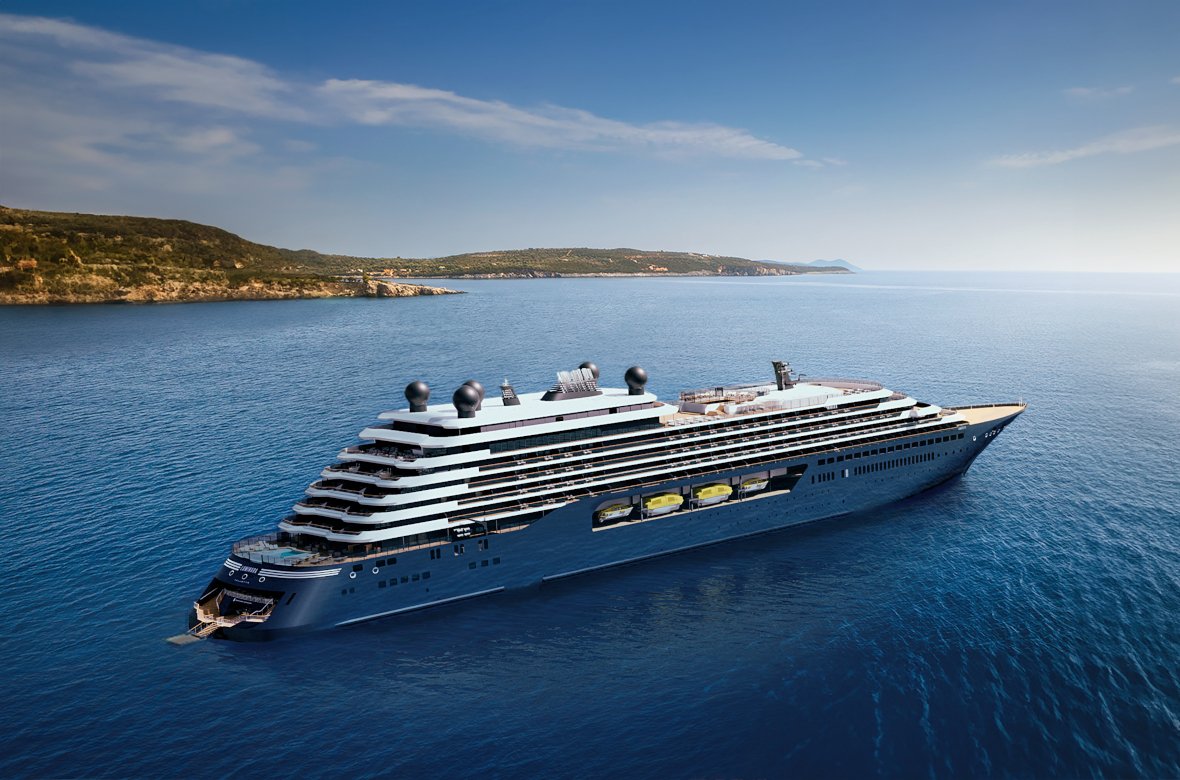
The Ritz-Carlton Yacht Collection introduces Luminara, a 452-guest yacht setting new standards in luxury cruising with elevated design and culinary excellence. Photo: Ritz-Carlton Yacht Collection
The Ritz-Carlton Yacht Collection is poised to elevate the luxury cruise market with the upcoming debut of Luminara, its second yacht and the next evolution in upscale sea travel.
Scheduled to launch in summer 2025, Luminara is the latest addition to the hospitality brand’s marine portfolio following the successful introduction of Evrima. The new vessel is designed for discerning travellers seeking immersive journeys, sophisticated interiors, and exclusive destinations, blending the brand’s hallmark luxury with the allure of yachting.
Built at the Chantiers de l’Atlantique shipyard in France and recently delivered to the company, Luminara will accommodate up to 452 guests in 226 spacious suites, each featuring a private terrace. The design emphasises a seamless indoor-outdoor experience and a sleek, superyacht aesthetic curated by London-based AD Associates.
Curated Experiences and Refined Dining
Beyond its stunning accommodations, Luminara will deliver curated cultural and culinary experiences, with its itineraries covering sought-after locations across the Mediterranean and Caribbean. Guests can expect over 50 different voyages that blend iconic cities with off-the-beaten-path ports, staying overnight in many destinations to encourage deeper exploration.
On board, the yacht features five distinct dining venues, including signature restaurant S.E.A., developed by Chef Sven Elverfeld of Aqua, the three-Michelin-starred restaurant at The Ritz-Carlton, Wolfsburg. Other options will include a Southeast Asian restaurant, a sushi bar, and a poolside grill — all designed to match the gourmet standards of The Ritz-Carlton brand on land.
Amenities will include a full-service marina with watersports equipment, a world-class spa, an infinity pool, a wine vault, and a Ritz Kids programme. A dedicated Concierge Ashore service will also offer guests access to exclusive land-based excursions and bespoke shore experiences.
A Growing Presence at Sea
With Luminara, The Ritz-Carlton Yacht Collection strengthens its unique position at the intersection of ultra-luxury cruising and luxury hospitality. The company plans to expand further, with a third yacht, Ilma, currently under construction and expected to launch in 2026. This growth supports a long-term vision to redefine sea travel for high-end leisure seekers.
Whether sailing through the Mediterranean’s hidden harbours or the Caribbean’s pristine waters, Luminara represents a new chapter in the evolution of boutique cruising — promising sophistication, comfort, and unforgettable discovery on every voyage.
Airbnb’s expanded anti-party system uses machine learning to prevent disruptive bookings during peak travel periods, as part of a broader effort to promote safe, community-friendly stays.
By Staff Writer | Edited by Yuliya Karotkaya
Published:
Updated:
Airbnb is stepping up its efforts to prevent unauthorized parties during peak travel season, rolling out enhanced tools designed to protect neighborhoods and ensure safe stays. Photo: Airbnb
With summer travel ramping up and demand for vacation rentals on the rise, Airbnb is once again tightening its grip on disruptive guests. The platform has announced the return – and expansion – of its anti-party technology ahead of the Memorial Day weekend and other high-traffic holidays.
The system, originally piloted in select regions, is now being deployed more widely across the U.S. and Canada, with aims to stop party-style bookings before they even happen. According to Airbnb, this is part of its broader strategy to protect hosts, guests, and the communities where rentals operate – particularly during summer months when incidents typically increase.
How Airbnb’s Anti-Party Technology Works
Airbnb’s anti-party system uses machine learning to assess reservation risk by analyzing a range of factors: the timing and duration of a booking, the listing’s location, and the guest’s previous history on the platform. Short stays at entire-home listings booked at the last minute by users with limited booking history, for instance, may trigger a block.
The platform emphasizes that this isn’t a blanket ban on young travelers or new users. Instead, it’s a data-informed approach that flags potentially high-risk reservations without penalizing good guests. In many cases, guests flagged by the system are redirected to hotel-style listings or private rooms, which carry less risk of parties.
Airbnb also reports that since implementing this technology, areas such as Los Angeles and Toronto have seen noticeable declines in party-related incidents and neighbor complaints.
Keeping Travel Fun, But Safe
While Airbnb acknowledges that most guests use the platform responsibly, it also understands that unauthorized parties can cause serious disruptions for hosts and their neighbors. By implementing proactive safeguards, Airbnb hopes to maintain the trust of both its users and the communities where its listings are located.
In addition to its automated detection system, Airbnb has reintroduced a 24-hour Neighborhood Support Line and expanded its partnership with local law enforcement to respond more quickly to potential disturbances.
The company is also working with hosts to encourage stricter house rules, clearer guest expectations, and the use of noise-monitoring devices (within privacy limits) to deter unruly behavior. During high-risk weekends like Memorial Day, the Fourth of July, and Labor Day, the platform may also impose stricter booking restrictions on certain listings altogether.
Part of a Larger Travel Safety Trend
This move by Airbnb reflects a broader industry trend where tech companies are investing in safety and experience quality, not just convenience. As vacation rentals become more mainstream, platforms are under growing pressure to show they can manage both scale and responsibility.
For summer travelers, this means better assurance that their stay won’t be disrupted by noise or chaos next door. And for hosts, it offers an added layer of confidence that their property won’t be misused.
While Airbnb’s anti-party tech may not eliminate all issues, it signals a clear shift toward more structured, predictable vacation rental experiences – and a commitment to preserving the integrity of travel.
Universal’s Epic Universe, the first new major theme park in the U.S. in over two decades, is now open in Orlando. Here’s everything travelers should know before they go.
Universal’s Epic Universe, the long-awaited fourth theme park from Universal Destinations & Experiences, has officially opened in Orlando, Florida. This marks the first entirely new major U.S. theme park in 24 years – a bold move that redefines the theme park experience with cutting-edge technology and next-generation immersion.
Located just a few miles south of the existing Universal Orlando Resort complex, Epic Universe spans more than 750 acres, nearly doubling Universal’s footprint in Central Florida. With five elaborately themed lands and a staggering lineup of attractions, restaurants, and hotels, it’s poised to be one of the most ambitious undertakings in theme park history.
A Look at the Five Immersive Worlds
At the heart of the park is Celestial Park, the cosmic-themed central hub that connects all five lands. This lush, starry environment is dotted with gardens, fountains, and the dual-launch roller coaster “Starfall Racers,” which soars through the sky above the water.
Super Nintendo World is arguably the most anticipated land, transporting guests into the vibrant video game universes of Mario, Luigi, and Princess Peach. Guests can ride through “Mario Kart: Bowser’s Challenge” and explore interactive features via Power-Up Bands. The land is a direct expansion of the versions already popular in Japan and Hollywood, but on a larger scale.
Then there’s How to Train Your Dragon – Isle of Berk, based on the DreamWorks franchise. Families can ride dragons, enjoy water-based play zones, and meet familiar Viking characters. This area is designed to appeal to younger travelers while still offering thrills for all ages.
The Wizarding World of Harry Potter – Ministry of Magic introduces a new spin on the beloved franchise, merging elements from both the British Ministry and the French wizarding community as seen in the Fantastic Beasts films. The highlight is a new ride that promises to take visitors deep into the magical corridors of the Ministry itself.
Dark Universe, themed around Universal’s classic monsters, is a more adult-friendly zone inspired by Frankenstein, Dracula, and the Wolfman. Expect gothic architecture, haunting rides, and a darker tone that balances out the more whimsical areas of the park.
Next-Level Attractions and Amenities
Epic Universe isn’t just about lands – it’s about how they’re connected. The park utilizes new transportation systems and seamless digital integration, allowing guests to plan, navigate, and even interact with elements in real time through the Universal app. Realistic animatronics, state-of-the-art ride systems, and massive scale environments elevate the guest experience.
Food offerings have also been leveled up, with each land featuring immersive dining options – from Butterbeer carts to Princess Peach’s Café – as well as upscale restaurants in Celestial Park. The new Stella Nova and Terra Luna hotels, opening alongside the park, place guests right in the heart of the action.
What This Means for Orlando and the Industry
With its opening, Epic Universe is expected to bring a major tourism boom to the Orlando area, further intensifying competition with Walt Disney World. Industry analysts see the park as a potential game-changer, setting new standards in immersion, interactivity, and guest customization.
The debut also reflects a broader trend: travelers are increasingly seeking immersive, story-driven experiences that blur the line between entertainment and adventure. Epic Universe delivers on that promise — and then some.
As the first new U.S. theme park of its scale in over two decades, Epic Universe is more than just a new park – it’s a bold vision of where entertainment travel is headed next.
With real-time translation, AI-powered navigation, and a sleek traveler-first design, Google’s new smart glasses could soon become the ultimate travel companion.
Google has unveiled its latest innovation aimed squarely at the global traveler: AI-powered smart glasses that offer real-time translation, on-the-go navigation, and seamless digital assistance. Presented during the company’s I/O 2025 developer conference, the smart glasses are part of Google’s broader push into wearable AI, built to bridge language barriers and enhance the travel experience.
The new glasses integrate Google’s Gemini AI with Android XR, offering contextual guidance and real-world overlays that make foreign cities feel instantly more accessible. Whether navigating a metro system in Tokyo or ordering food in a small café in Rome, users can rely on the glasses to translate signs, provide spoken interpretation, and visually direct them with heads-up navigation prompts.
Built for Exploration, Powered by AI
The smart glasses are designed to reduce the friction many travelers face abroad: not knowing the local language, struggling to follow directions, or feeling disoriented in a new environment. With the ability to detect and translate over 100 languages in real time, the device aims to empower more confident, independent travel.
Beyond translation, travelers can receive turn-by-turn directions overlaid directly onto their field of view, helping them navigate unfamiliar streets without staring at their phones. AI enhancements also provide local points of interest, reviews, and even travel safety alerts as users explore their surroundings.
One standout feature is “Ask Gemini,” which allows wearers to make voice queries about nearby attractions, customs regulations, or transportation options. This real-time interface with Google’s large language model offers a concierge-like experience—one that’s always available, wherever you are in the world.
Early Access and Global Travel Trials
Google is currently partnering with select tour operators and travel platforms to test the glasses in real-world environments. Trials have already started in destinations across Europe and Africa, with strong interest from guides, hospitality professionals, and tech-savvy travelers. In particular, Google highlighted case studies in Kenya and Spain, where the glasses helped tourists interact with locals and navigate cultural sites with ease.
While no retail release date has been announced, Google has hinted at a wider consumer launch later this year. The company is also collaborating with Android hardware partners to support broader adoption and refine the device’s design.
The Future of Travel Tech Is Wearable
As travel continues to rebound globally, wearable technology like Google’s smart glasses may redefine how people explore the world. The focus is no longer just on booking or reviewing trips—it’s about enhancing the real-time travel experience itself.
For now, these smart glasses remain in limited circulation, but their potential is clear. For travelers seeking a more immersive, frictionless, and language-inclusive journey, Google may have just unveiled the future of exploration.
Spain is cracking down on illegal short-term rentals, demanding Airbnb remove over 65,000 listings that violate national housing laws. The move aims to ease the housing shortage and protect residents in popular tourist destinations.
By Staff Writer
Published:
Updated:
Spain enforces new regulations targeting unlicensed short-term rental listings on platforms like Airbnb. Photo: Pexels
Spain has launched a major offensive against unregulated short-term rentals, ordering Airbnb to remove nearly 66,000 listings that authorities say fail to meet legal standards. The crackdown, announced by the Consumer Rights Ministry, is intended to curb the growing impact of tourism on the housing market and ease pressure on local communities struggling with rising rents and limited long-term housing.
Many listings were flagged for missing license numbers, providing inaccurate owner details, or violating regional housing rules. Officials argue that the widespread lack of transparency fuels speculation and contributes to housing shortages in cities like Madrid, Barcelona, and coastal tourist hubs.
A Turning Point for Tourism and Housing
The Consumer Rights Minister stated that the government’s goal is to rebalance the housing market by placing residents’ needs above tourism-driven profits. The first wave of enforcement has already begun, with around 5,800 listings taken down. Authorities plan to continue removals in stages.
Cities are also taking their own steps. Barcelona, one of the most visited cities in Europe, announced it will eliminate all 10,000 licensed short-term rentals by 2028 to free up housing stock for permanent residents.
These moves come amid growing public discontent. In recent months, mass protests have drawn attention to the impact of tourist rentals on neighborhoods, with locals demanding stricter controls and affordable housing.
Airbnb Pushes Back as Legal Battle Looms
Airbnb has criticized the decision, arguing the government used overly broad criteria and included listings not subject to licensing requirements. The company says it will appeal, but so far, Spain’s high court has upheld the government’s authority to act.
As the legal battle unfolds, both tourists and hosts will feel the effects. Travelers are advised to verify rental legitimacy before booking. Hosts must ensure full compliance with local regulations or risk removal from the platform.
Spain’s strong stance marks a shift in European tourism policy, placing housing access at the center of urban planning. For cities overwhelmed by short-term rentals, this could be a model for reclaiming residential life from the pressures of tourism.
In 2025, the Happy City Index highlights ten cities—Copenhagen, Zurich, Singapore, Aarhus, Antwerp, Amsterdam, Tokyo, Munich, Wellington, and Helsinki—that lead the way in sustainability, innovation, and quality of life.
The 2025 Happy City Index, developed by the Institute for Quality of Life, evaluates urban happiness across 82 indicators in six categories: Citizens, Governance, Environment, Economy, Health, and Mobility. This year’s top ten cities showcase what it takes to create livable, joyful communities in the modern world.
1. Copenhagen, Denmark
Copenhagen tops the list with its commitment to sustainability, a robust economy, and vibrant cultural life. With most residents cycling daily, supported by excellent infrastructure, it’s a prime model of green mobility and urban wellness.
2. Zurich, Switzerland
Zurich is renowned for economic stability, affordable education, and one of the best public transport systems in Europe. Residents enjoy clean air, low crime rates, and a high quality of healthcare.
3. Singapore
Singapore stands out for smart governance, urban innovation, and a strong focus on safety and environmental responsibility. With excellent healthcare and green public transport, it’s one of Asia’s most livable cities.
4. Aarhus, Denmark
Denmark’s second-largest city prioritizes health, education, and work-life balance. Aarhus supports lifelong learning, access to healthcare, and widespread green mobility, making it an excellent example of small-city success.
5. Antwerp, Belgium
Antwerp ranks high for education and healthcare. While limited in green spaces, the city makes up for it with efficient transportation, clean air, and a strong sense of community.
6. Amsterdam, Netherlands
Amsterdam continues to lead in urban design and sustainability. Known for its vast cycling network and inclusive governance, the Dutch capital supports innovation while maintaining a strong sense of local culture.
7. Tokyo, Japan
Tokyo offers a unique blend of tradition and cutting-edge innovation. Its high safety standards, excellent healthcare system, and world-class public transportation contribute to a consistently high quality of life.
8. Munich, Germany
Munich scores well in health services, job security, and environmental quality. Its residents enjoy a balance of professional opportunity and outdoor leisure, surrounded by ample green space.
9. Wellington, New Zealand
Wellington emphasizes well-being through a relaxed lifestyle, clean environment, and strong civic trust. It benefits from a close-knit community and policies that promote both mental and physical health.
10. Helsinki, Finland
Helsinki rounds out the top ten with a strong focus on digital innovation, education, and public services. Its family-friendly policies and social equality contribute significantly to residents’ happiness.
From efficient transport and clean air to strong public services and inclusive governance, these ten cities offer powerful lessons in how to build urban environments that truly support human well-being.
Six global travel tech startups have raised over $110 million, signalling strong momentum for smarter, more sustainable travel experiences.
By Staff Writer
Published:
Updated:
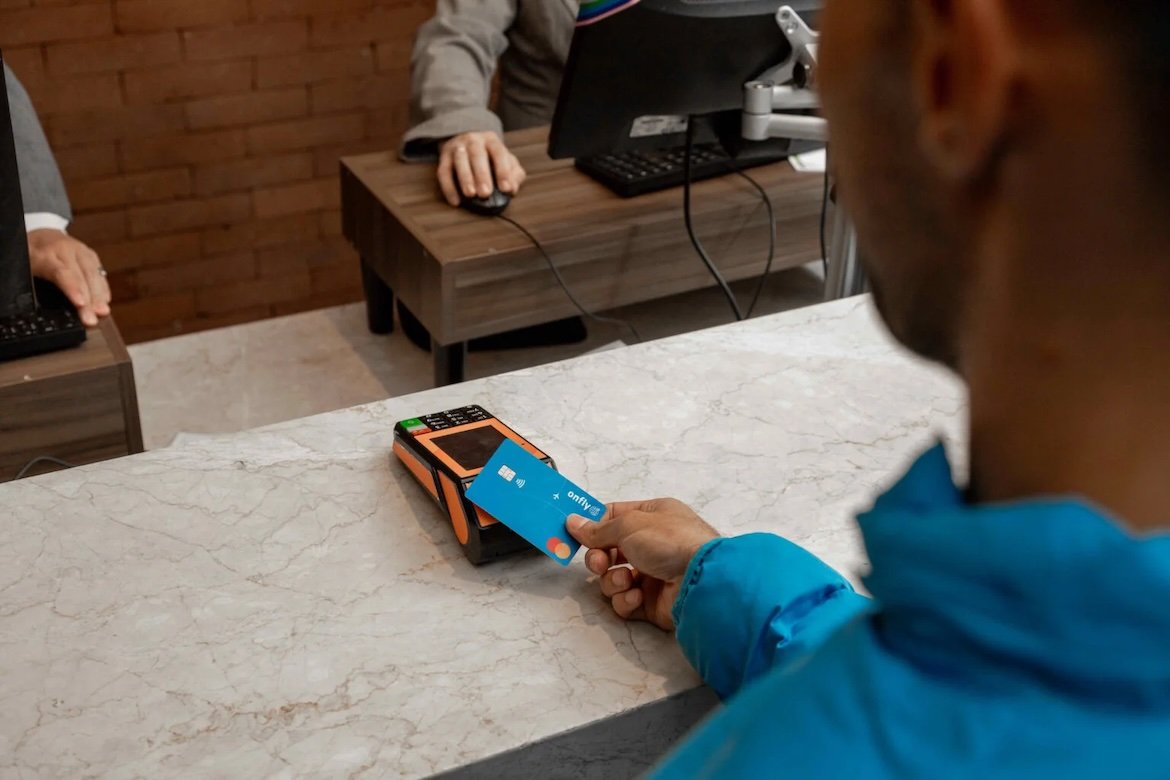
Onfly, a Brazil-based travel tech startup, recently raised $40 million to expand its corporate travel and expense management platform across Latin America. Photo: Onfly
The travel and hospitality technology landscape continues to attract significant investment, with six key startups recently closing substantial funding rounds. While the original estimate pointed to $53 million, a closer look at funding activity reveals that the actual total has surged beyond $110 million.
These startups, hailing from regions including Latin America, Europe, and Asia, are redefining everything from corporate travel logistics to sustainable tourism, hotel operations, and next-gen air transport.
Let’s explore how these innovative brands are shaping the future of travel.
Corporate Travel and Hotel Operations Lead the Charge
Onfly, a Brazil-based B2B travel tech platform, raised $40 million in Series B funding. The startup offers an all-in-one solution for managing business travel and expenses — from booking flights, hotels, buses, and rental cars, to issuing corporate cards and integrating with enterprise resource planning (ERP) systems. Onfly is also investing in artificial intelligence to further streamline operations and plans to expand into Mexico and other Latin American markets.
Meanwhile, LimoLane, an Italian company offering premium chauffeur services, secured €35 million (around $38.2 million). Targeting the business travel segment, LimoLane’s software and mobile app allow over 2,000 clients to book and manage executive transportation in real time across major cities worldwide. The fresh capital will fund both organic growth and strategic acquisitions, enhancing its presence in the global business travel space.
Innovative Aviation and Hospitality Startups Emerge
Volant Aviation Technology in Shanghai is pushing boundaries with its development of an electric vertical take-off and landing (eVTOL) aircraft designed to carry four passengers. Backed by 100 million yuan (about $13.8 million) in Series A funding, Volant aims to complete additional test flights and invest heavily in R&D. The firm’s ambition reflects the growing interest in low-emission, short-distance air transport.
In the hotel tech world, The Hyoosik, based in South Korea, closed an $11.5 million Series B round. The company provides a cloud-based hotel property management system (PMS) and also operates its own hospitality brand, “The Rest.” It currently supports over 1,100 small and mid-sized hotels, offering not only software but also hotel development and construction services. This vertical integration gives it a strong competitive edge in the Asian hospitality tech market.
Sustainable and Localised Travel Solutions
In London, flight-free travel specialist Byway raised £5 million ($6.5 million) in an oversubscribed Series A round. Byway curates sustainable, overland holidays across Europe, enabling travellers to explore scenic rail and ferry journeys while reducing their carbon footprint. The new funding will help Byway scale up its tech capabilities and expand across new European markets, tapping into rising demand for eco-conscious travel.
Finally, Centriti, an Indian startup focused on hospitality procurement, raised ₹60 million ($719,000) to scale its B2B marketplace. The platform enables hotels to source supplies directly from multiple vendors — a much-needed efficiency boost in markets where procurement is still largely manual. Major hotel chains such as Accor and Taj Hotels already use the platform, and further development is underway.
Together, these brands are not only solving real-world challenges across corporate and leisure travel — they are reshaping how the travel industry operates. As funding continues to flow into smart, sustainable solutions, the global travel experience is set to become more streamlined, innovative, and environmentally conscious than ever before.
Join our list to receive latest Blockchain, Crypto & Fintech news:
WordPress database error: [Table 'u752143311_aXVuj.wp_coingecko_coins' doesn't exist]
SELECT coins.*, meta.post_id as post_id
FROM `wp_coingecko_coins` coins
INNER JOIN wp_postmeta meta ON (meta.meta_key = 'wpcf-coin-main-tag' AND meta.meta_value = coins.slug )
ORDER BY market_cap_usd
DESC LIMIT 9