Tourism boom in Japan has become one of the defining travel stories of recent years. Record visitor numbers, driven by a weak yen and pent-up post-pandemic demand, have transformed the country into one of the world’s most sought-after destinations.
But alongside the economic upside, the strain on local communities has intensified, particularly in places already struggling with congestion, rising living costs, and photo-driven tourism. Nowhere is this tension more visible than around Mount Fuji, where local authorities have taken the extraordinary step of cancelling a major seasonal event.
Why Fujiyoshida Pulled the Plug on a Popular Festival
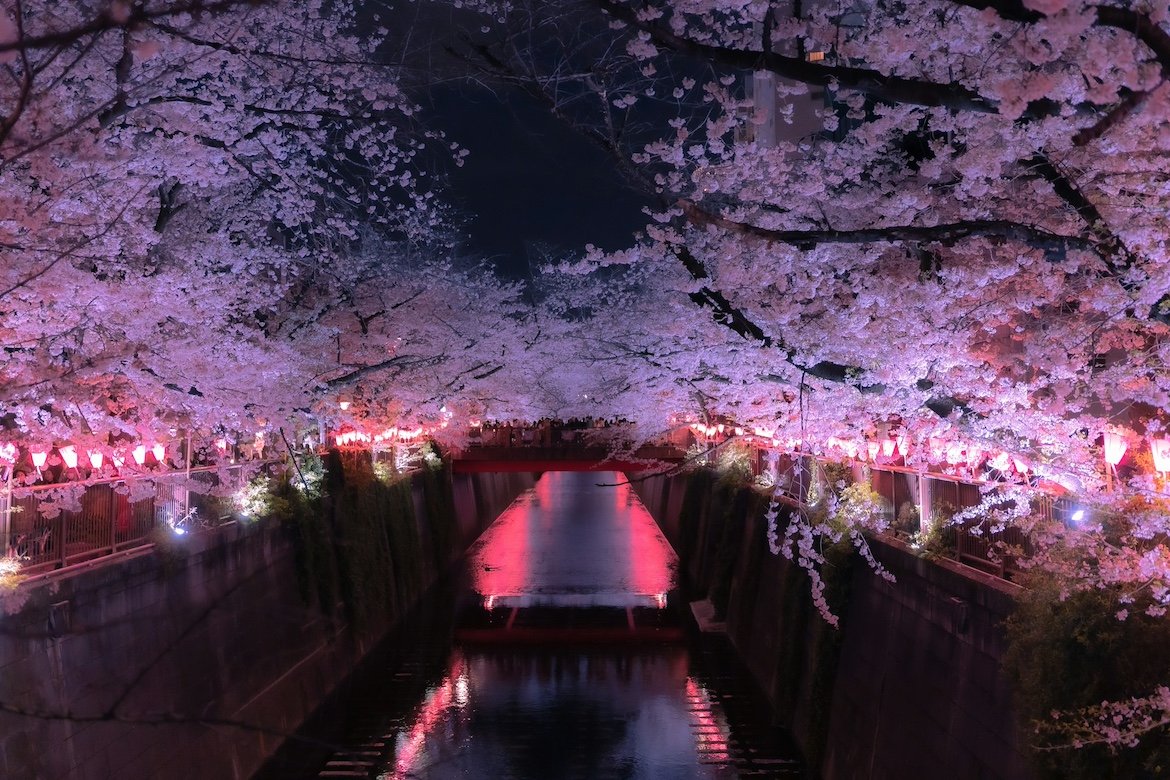
The city of Fujiyoshida, located in Yamanashi Prefecture, has cancelled its cherry blossom festival for the first time in a decade after residents complained that overtourism had begun to threaten everyday life. The weeks-long event typically attracts around 200,000 visitors eager to capture an iconic view combining cherry blossoms, a pagoda, and Mount Fuji itself.
City officials cited chronic traffic congestion, littering, trespassing, and a growing number of incidents on private property as key reasons behind the decision. According to the mayor, the picturesque image shared online masks a harsher reality for locals, whose streets and neighborhoods have become overwhelmed during peak season. The cancellation, authorities said, was necessary to protect residents’ dignity and restore some sense of normalcy to daily life.
While the festival itself will not take place, officials have acknowledged that the surrounding park and viewpoints are still likely to draw large crowds during the spring bloom, underscoring how difficult it has become to control visitor flows once a location gains global visibility.
Overtourism and Japan’s Record-Breaking Visitor Numbers
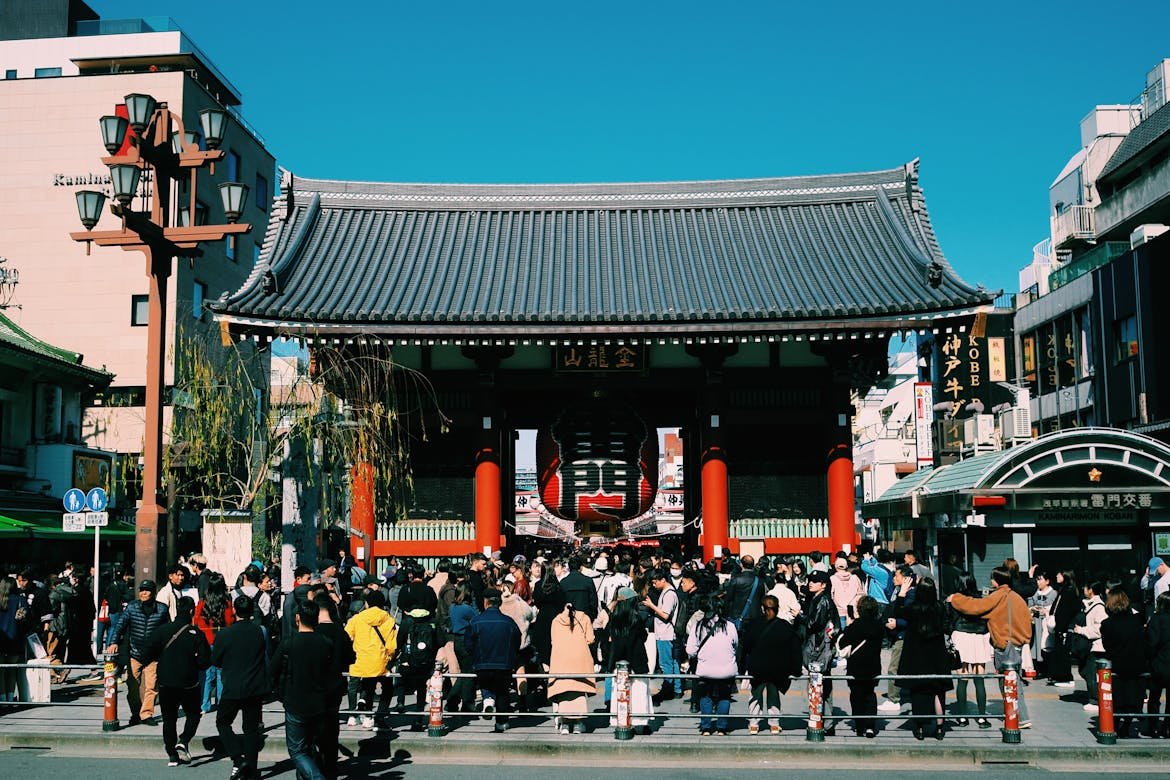
Japan welcomed an estimated 42.7 million international tourists in 2025, surpassing the previous year’s already historic total. The surge has been felt most acutely in high-profile destinations such as Kyoto, Tokyo, and Mount Fuji, where narrow streets, limited infrastructure, and residential neighborhoods sit alongside world-famous landmarks.
In Kyoto, local frustration has grown over reports of tourists harassing geisha performers and ignoring basic etiquette in pursuit of social media content. Around Mount Fuji, authorities have previously resorted to installing view-blocking barriers, introducing hiking fees, and capping daily climber numbers in an effort to slow the flow. The Fujiyoshida festival cancellation now stands as one of the clearest signals yet that incremental measures may no longer be enough.
What the Cancellation Signals for Japan’s Tourism Future
The decision to cancel a long-running and economically valuable festival reflects a broader shift in how Japan is approaching tourism management. While officials remain eager to welcome visitors, there is growing recognition that unchecked growth risks damaging both community well-being and the visitor experience itself.
Experts increasingly argue that Japan’s long-term tourism strategy must focus on redistribution rather than sheer volume. That could mean promoting lesser-known regions, introducing timed-entry systems at popular sites, or expanding fees and caps during peak seasons. Technology-driven crowd management and stronger enforcement of visitor behavior rules are also likely to play a role.
For now, the loss of the Mount Fuji cherry blossom festival serves as a stark reminder that even the most beautiful destinations have limits. How Japan balances its global appeal with the needs of its residents may shape the future of its tourism industry for years to come.