
For decades, Dubai and Abu Dhabi marketed themselves as the “Switzerland of the Middle East” – politically stable, business-friendly, and insulated from the region’s recurring conflicts.
That carefully cultivated image is now under strain after Iranian missile and drone strikes rattled key infrastructure and exposed new vulnerabilities in the United Arab Emirates’ economic model.
Defense systems intercepted waves of ballistic missiles and drones over the weekend, but fragments and explosions still caused damage near airports, ports, and hotels.
Dubai International Airport, one of the world’s busiest travel hubs, was temporarily shut. Supermarkets saw panic buying, and residents reported sheltering in basements as sirens sounded. While officials stressed that the situation remained under control, the psychological impact has been significant.
A Brand Built on Stability
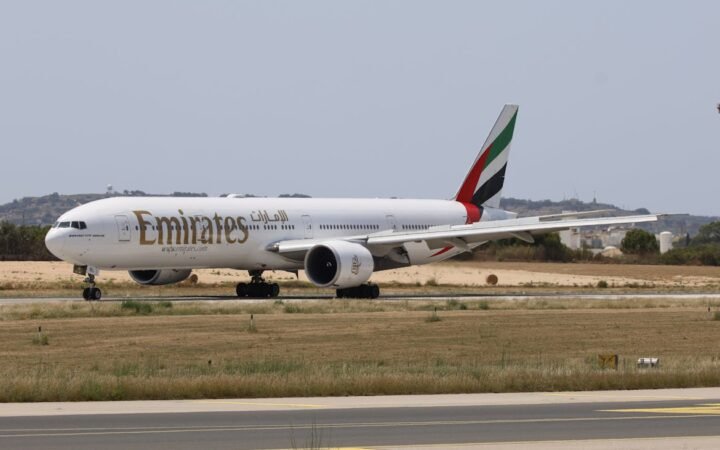
Dubai’s rise from a modest trading port to a global financial and tourism hub was built on predictability. The launch of Emirates airline in the 1980s, the development of landmark real estate such as the Burj Al Arab, and the creation of the Dubai International Financial Centre attracted multinational banks, hedge funds, and family offices. Zero income tax and liberal business rules drew waves of expatriates, from finance professionals to social media influencers.
The model relied on the assumption that regional instability would stop at the UAE’s borders. Oil accounts for only a small share of Dubai’s economy, which instead depends on aviation, tourism, logistics, and property. Abu Dhabi, while wealthier in hydrocarbons, has used sovereign wealth funds to diversify into technology, infrastructure, and global finance.
Population growth underscored that success. The UAE’s population expanded dramatically over the past four decades, and it has recently ranked among the top destinations globally for relocating millionaires. Property prices surged, and financial firms expanded their regional footprints. The promise was simple: stability in an unstable neighborhood.
Infrastructure and Investor Nerves
The latest strikes have tested that promise. Damage to airport facilities and port infrastructure, along with temporary tech outages linked to cloud computing disruptions, raised concerns about the resilience of critical systems. The Strait of Hormuz, a key oil and trade corridor near the UAE’s coastline, faces renewed geopolitical risk, adding another layer of uncertainty.
Stock markets in the UAE were temporarily closed, an unprecedented move reflecting the severity of the moment. Some investment firms reportedly began contingency planning, while demand for gold and other perceived safe assets rose. International banks and asset managers are reassessing exposure, even if large-scale capital flight has not materialized.
The longer the conflict persists, analysts warn, the more likely global talent and capital will consider alternatives. Dubai’s appeal has always rested on mobility – both of people and money. If executives and high-net-worth individuals perceive that risk premiums are permanently higher, relocation decisions could shift.
Diversification at a Crossroads
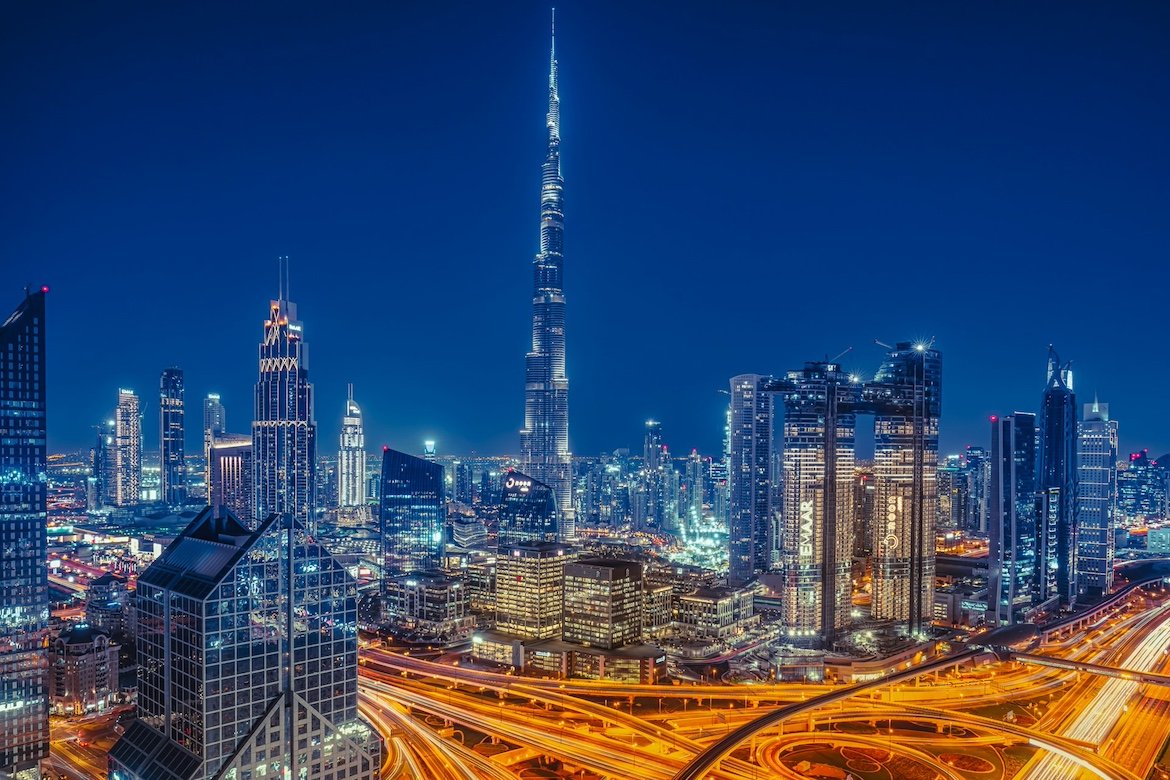
UAE leaders have invested heavily in projecting an image of forward-looking modernization, including artificial intelligence partnerships and large-scale infrastructure projects. Those ambitions depend on international confidence. Images of missile intercepts over luxury skylines complicate that narrative.
Still, the outcome is not predetermined. Short conflicts in the past did little lasting damage to Dubai’s allure. If hostilities subside quickly and infrastructure remains largely intact, the emirates could reinforce their reputation for resilience. But if the war drags on, the safe-haven brand that underpinned decades of growth may prove more fragile than many assumed.