Explore Tenerife, the "Island of Eternal Spring." Our guide covers the volcanic wonders of Mount Teide, the prehistoric laurel for...
Toronto Travel Guide 2025
| Updatedby Yuliya Karotkaya · 7 mins read

Explore Toronto, Canada’s largest and most multicultural city. Our guide covers iconic sights like the CN Tower and Casa Loma, world-class art at the AGO and ROM, and essential tips for navigating the city’s unique streetcar system and vibrant neighborhoods.
Prepare to immerse yourself in Toronto, Canada’s largest city and one of the most multicultural metropolises in the world, where over 200 different ethnic origins are represented.
This dynamic city offers a stunning mix of modern skyscrapers, historic neighborhoods, world-class arts, and exceptional cuisine, all set against the dramatic backdrop of Lake Ontario. Get ready to experience a city that is constantly evolving and always welcoming.
Must See
Toronto’s skyline is instantly recognizable, but the city’s charm lies in its diverse sights, ranging from iconic structures that define its profile to unique cultural districts. This section highlights the essential landmarks that capture the energy and history of Canada’s biggest urban center.
CN Tower
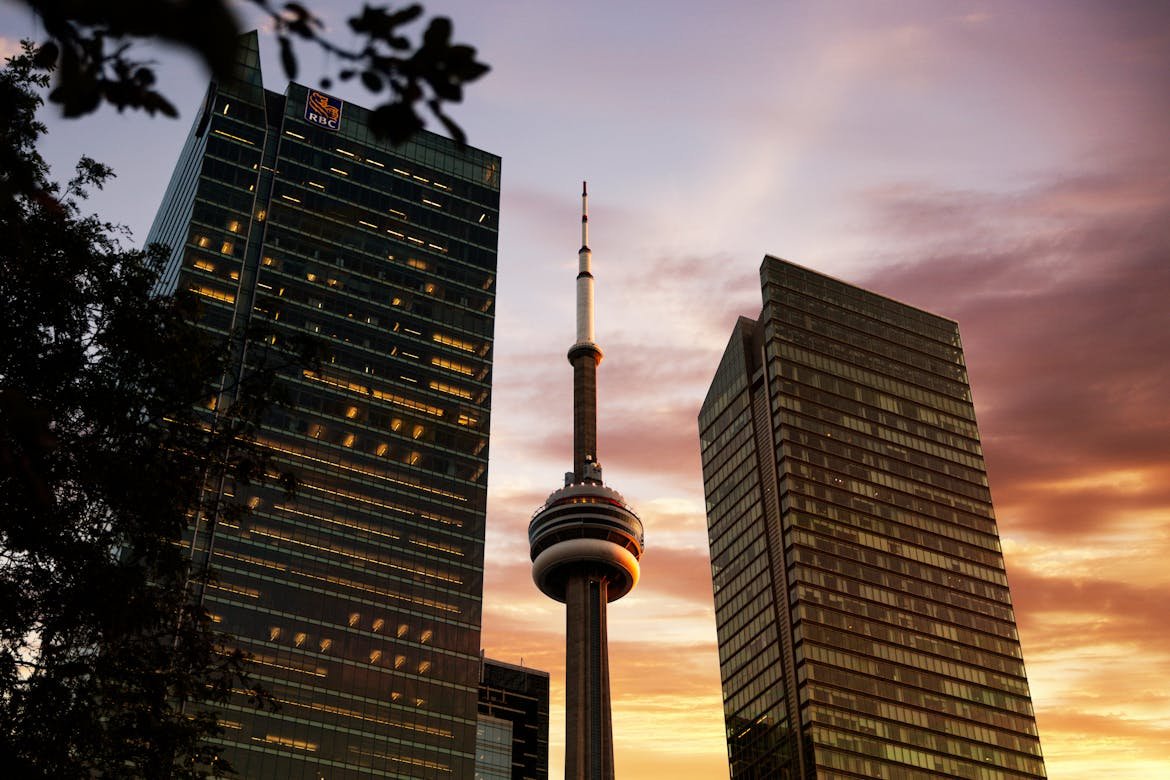
The CN Tower is the defining symbol of Toronto’s skyline and a record-breaking architectural marvel. Take a high-speed elevator to the observation decks for incredible panoramic views of the city, Lake Ontario, and the surrounding areas.
For the truly daring, try the EdgeWalk, a hands-free walk around the outside ledge of the main pod, over 1,168 feet above the ground.
Casa Loma
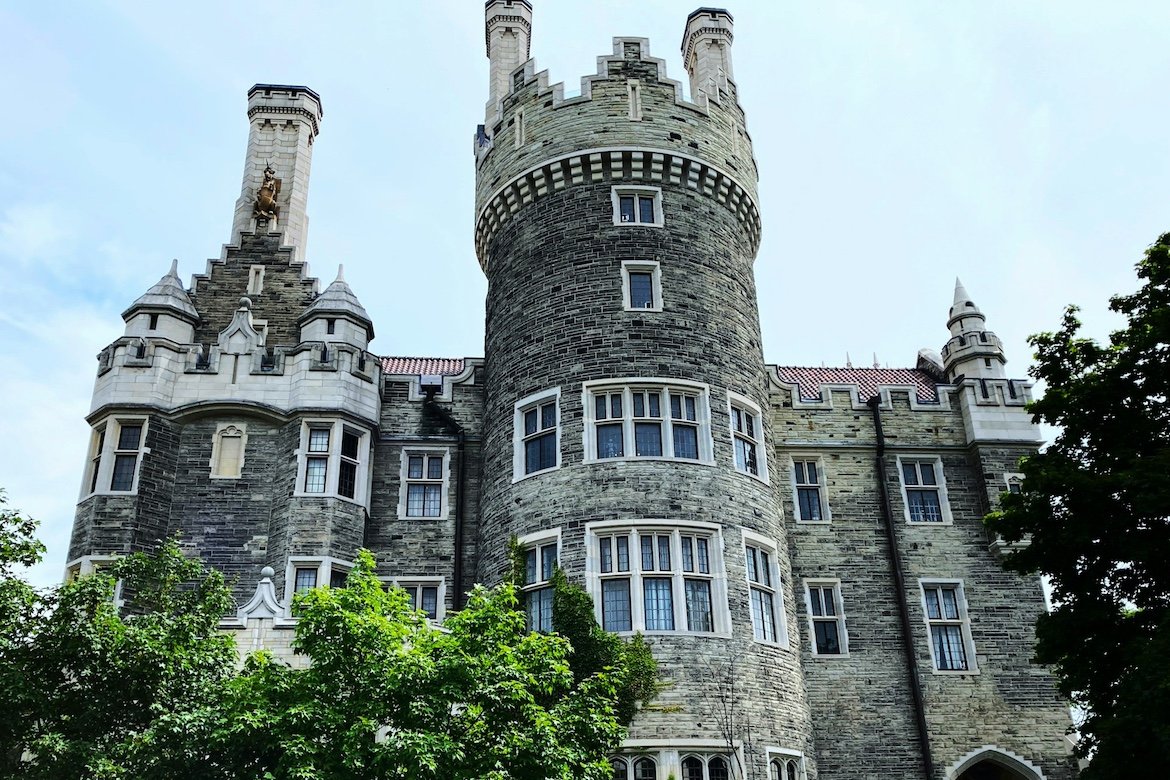
Step back in time at Casa Loma, a majestic and extravagant Gothic Revival style mansion. Built in the early 20th century, this former residence of financier Sir Henry Pellatt features luxurious suites, secret passages, and beautifully preserved gardens. It offers a fascinating look at the lavish lifestyle of Toronto’s early elite.
St. Lawrence Market
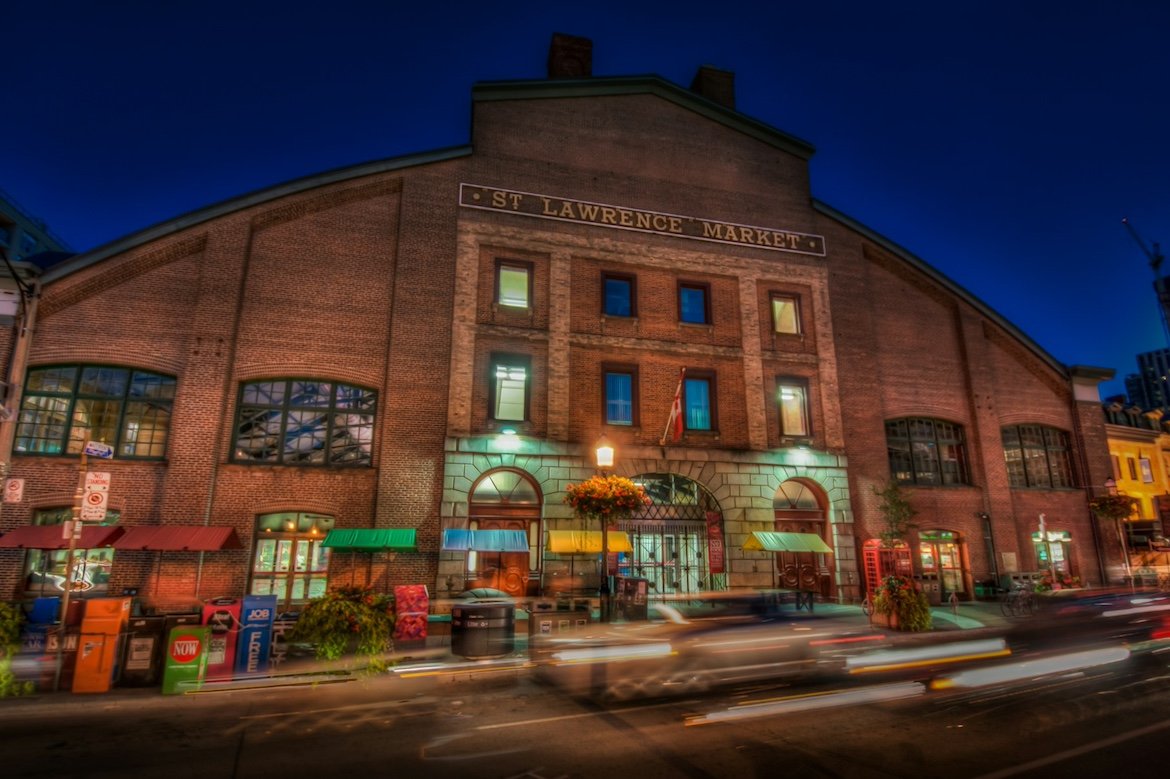
A central pillar of Toronto’s culinary scene, the St. Lawrence Market has been serving the city for over 200 years. The complex includes the South Market (famous for the Saturday Farmers Market) and the North Market, offering a huge array of fresh produce, artisanal cheeses, seafood, and prepared foods.
Don’t miss the famous peameal bacon sandwich!
Distillery District
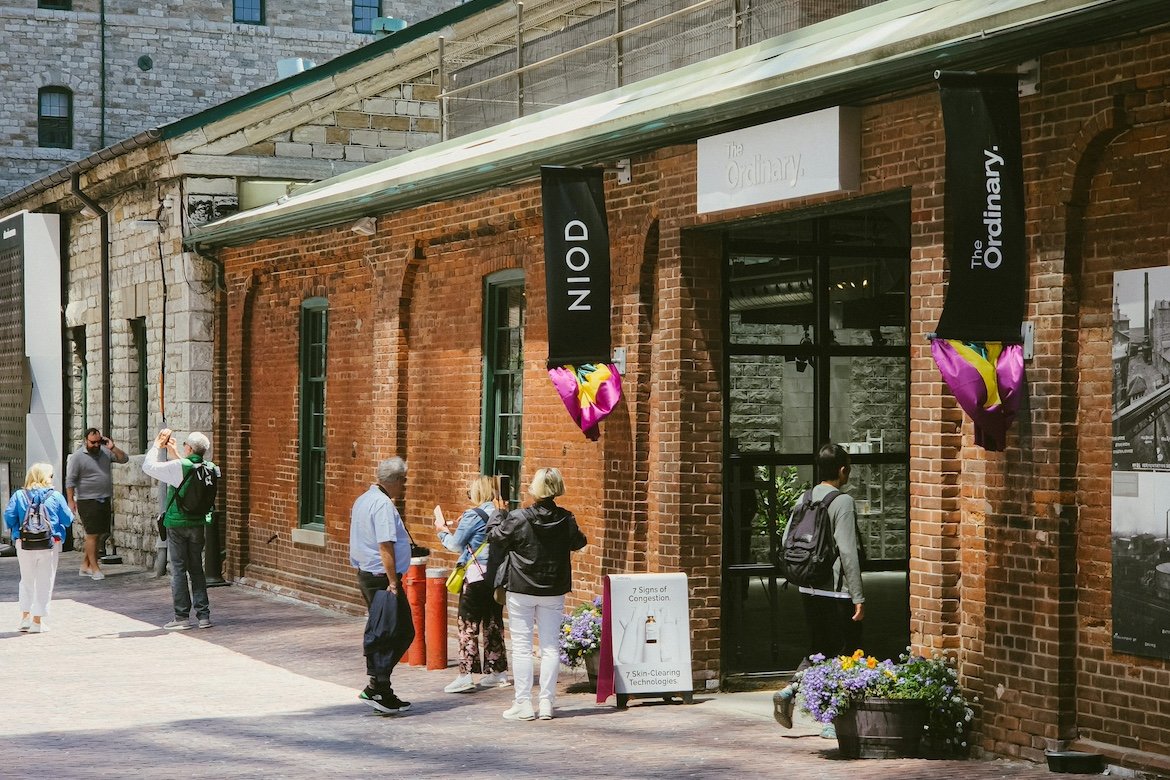
Explore the charming, cobblestone streets of the Distillery District, a historical neighborhood famous for its beautifully preserved Victorian industrial architecture.
The district is now entirely pedestrianized and features independent boutiques, art galleries, and numerous cafes and restaurants. It is particularly popular during the Christmas Market season.
Royal Ontario Museum (ROM)
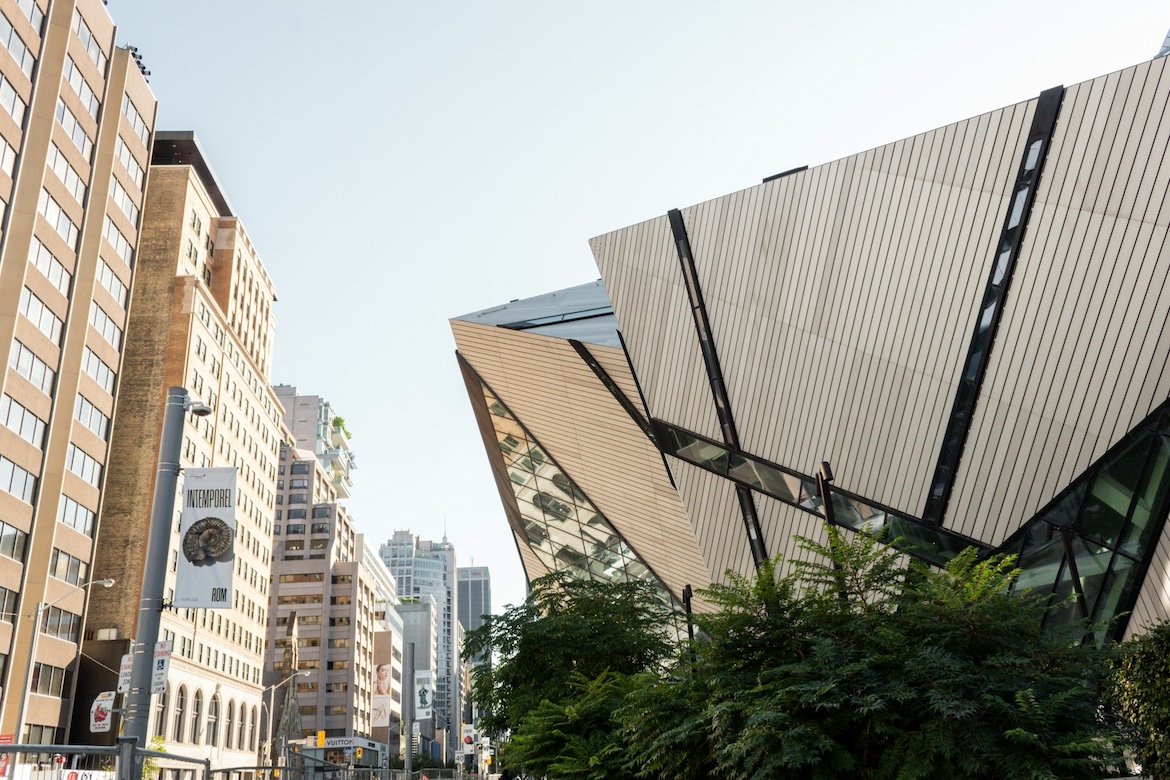
While technically a museum, the Royal Ontario Museum (ROM) is a landmark due to its stunning and controversial Michael Lee-Chin Crystal entrance. It is one of the largest museums in North America, featuring huge collections dedicated to world culture and natural history.
The architecture of the crystal wing is a must-see sight in itself.
Toronto Islands
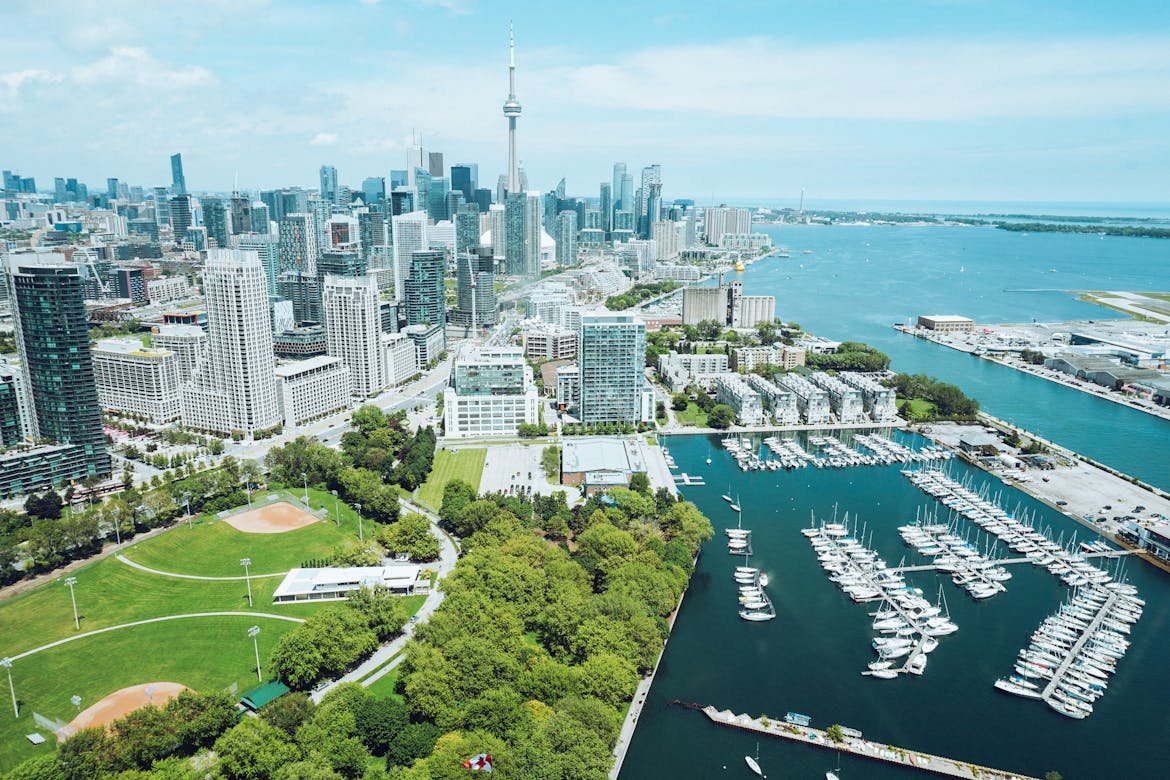
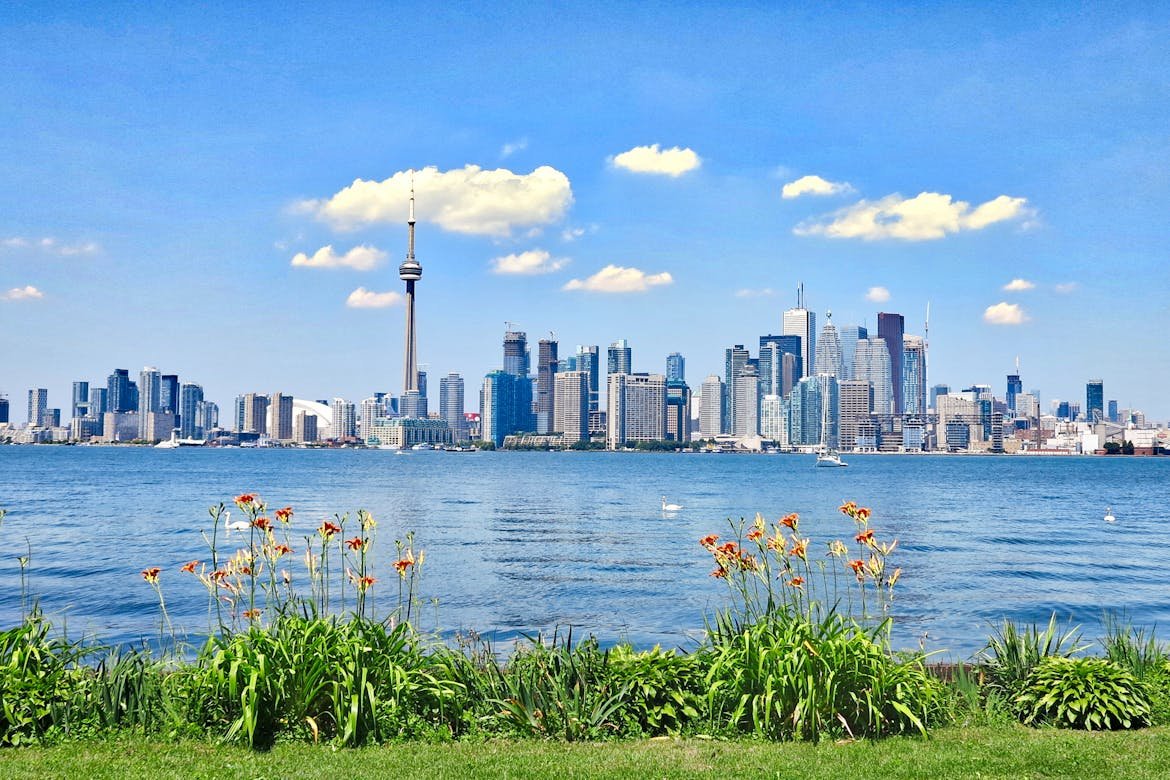
Escape the hustle of the city with a short ferry ride to the Toronto Islands, a chain of small islands offering tranquil parkland, beaches, and fantastic views of the city skyline. They are a perfect spot for cycling, kayaking, or enjoying a picnic with the CN Tower and skyscrapers as your backdrop.
Kensington Market
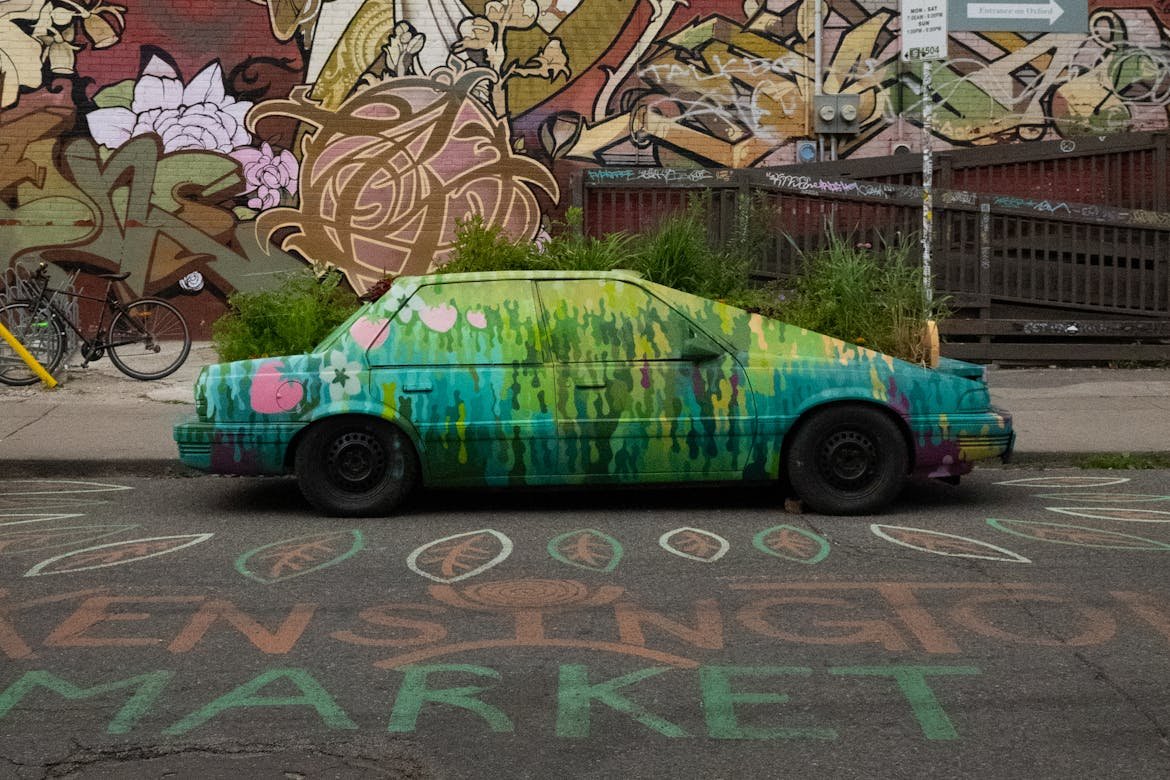
Experience the eclectic and bohemian spirit of the Kensington Market, a vibrant neighborhood known for its vintage shops, street art, independent cafes, and diverse international food stalls. This market-style area has a unique counter-culture vibe and is a fantastic place to observe the true diversity of Toronto life.
Graffiti Alley
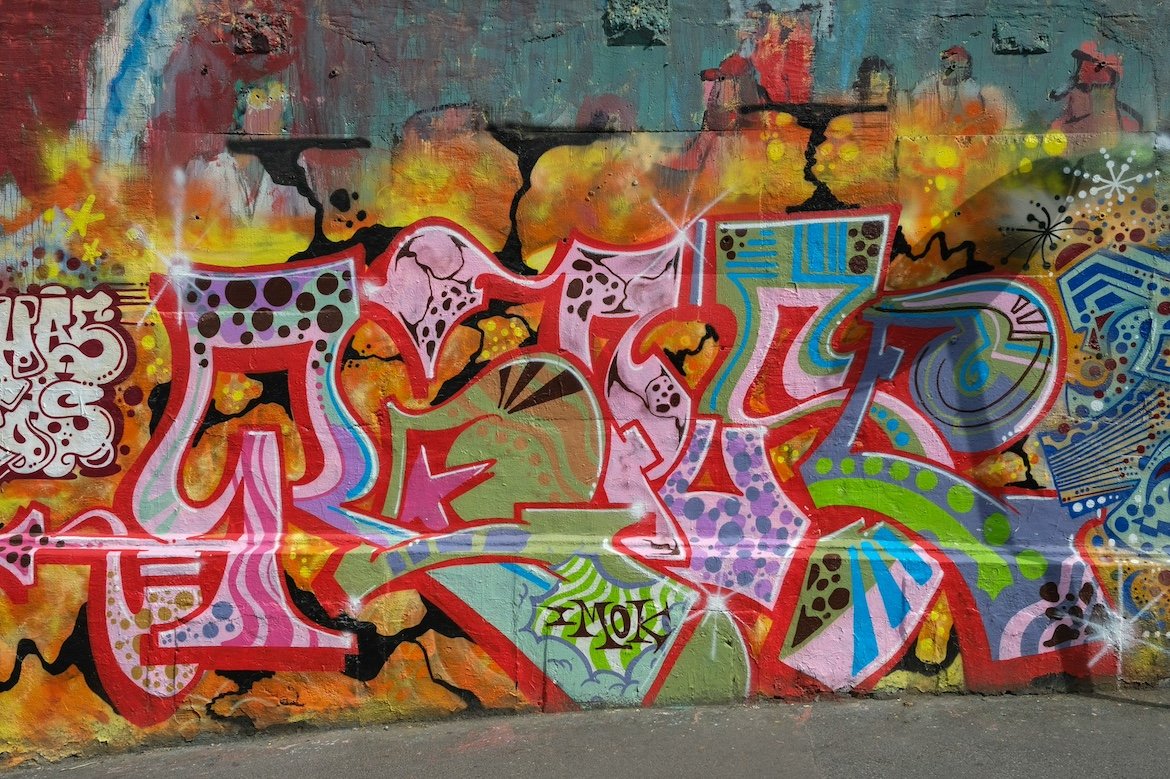
Dive into the city’s vibrant street art scene by visiting Graffiti Alley (officially Rush Lane), a long lane dedicated entirely to dynamic and constantly changing graffiti and mural art. It’s an authorized space for artists, making it a spectacular outdoor gallery and a favorite spot for photographers.
Museums & Art
Toronto’s commitment to arts and culture is evident in its vast number of world-class institutions, which reflect the city’s global diversity and deep historical roots.
From indigenous heritage to cutting-edge contemporary works, the city’s museums and galleries offer countless opportunities for intellectual exploration and artistic appreciation.
Art Gallery of Ontario (AGO)
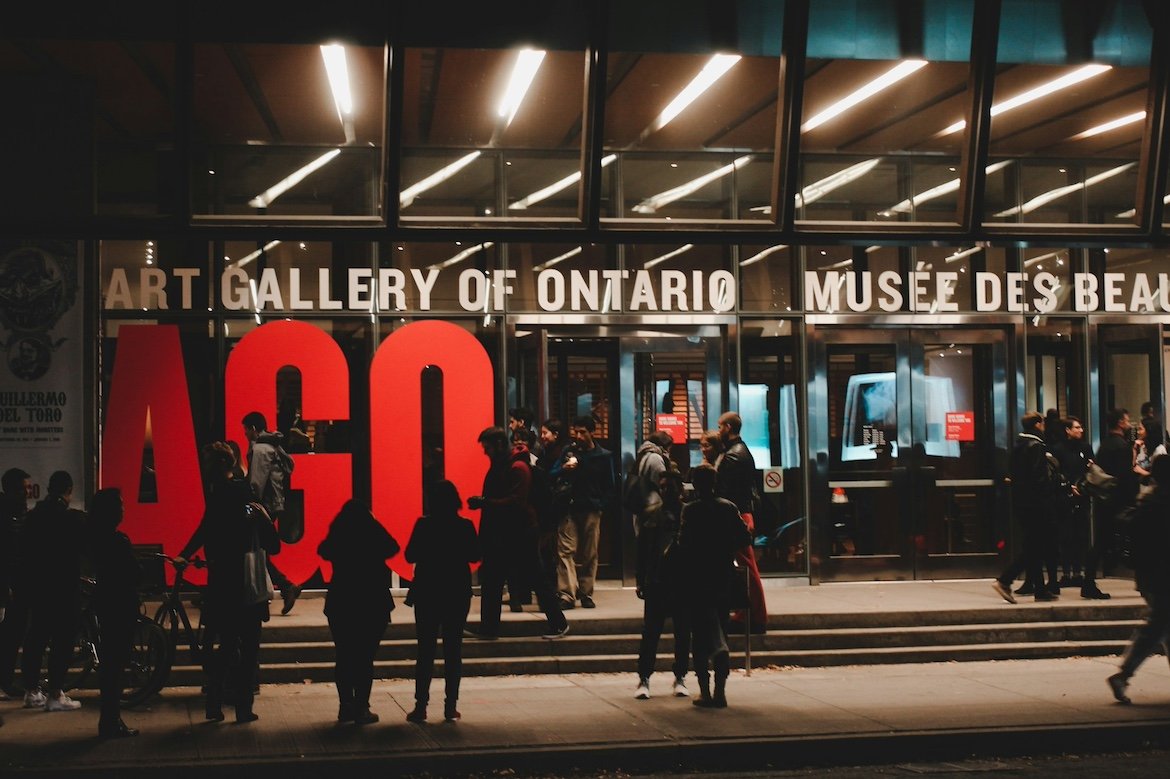
The Art Gallery of Ontario (AGO) is one of the largest art museums in North America, featuring an expansive collection that includes European masterpieces, contemporary art, and a superb collection of Canadian and Inuit art. The building itself, designed by Frank Gehry, is a dramatic architectural attraction, with its striking glass and wood facade.
Bata Shoe Museum
Offering a surprisingly engaging look at fashion history, the Bata Shoe Museum is a unique institution dedicated to the history of footwear. The collection features over 13,000 artifacts spanning 4,500 years of history, ranging from ancient Egyptian sandals to celebrity shoes. It’s a fascinating and quirky niche museum.
Aga Khan Museum
Dedicated to Islamic art and culture, the Aga Khan Museum showcases a spectacular collection of artifacts spanning more than ten centuries. The museum and its surrounding park offer a serene and architecturally stunning space designed to promote understanding of Muslim civilizations. Its beautiful gardens are a highlight.
Gardiner Museum
Located directly across from the Royal Ontario Museum, the Gardiner Museum is Canada’s national ceramics museum and one of the world’s few museums devoted entirely to the art of clay. The collection features ancient works, European porcelain, and contemporary ceramics from around the globe. It’s a focused and tranquil artistic experience.
TIFF Bell Lightbox
While not a traditional museum, the TIFF Bell Lightbox is the permanent home of the Toronto International Film Festival (TIFF) and serves as a major cultural center dedicated to cinema. It hosts year-round screenings, exhibitions, and lectures, celebrating the moving image as a form of art.
Tips & Tricks
Toronto is an easy city to navigate, but a few essential pointers will help you maximize your time, save money, and ensure you fully experience its unique blend of Canadian hospitality and metropolitan scale. These tips focus on transit, currency, and making the most of the diverse neighborhoods.
The UP Express is Key from the Airport: Use the UP Express (Union Pearson Express) train for the fastest and most reliable transfer from Toronto Pearson International Airport (YYZ) to downtown Union Station. It’s faster than a taxi and avoids traffic.
Get the Presto Card: Like many major cities, Toronto uses a reloadable fare card called Presto for the TTC (subway, streetcars, buses). It’s the easiest way to pay for public transit and is often required for transfers.
Tipping is Mandatory: Tipping is customary and considered mandatory in restaurants (15–20% is standard) and for services like taxi drivers and bartenders. Prices listed on menus do not include the HST tax, which is then added to the bill.
Embrace the Streetcars: Toronto’s streetcars are a defining feature of the transit system, offering a great way to see the city from the ground level. Routes like the 501 Queen are iconic but can be slow; use them for sightseeing, not necessarily for speed.
Explore the Underground PATH: If you visit during the cold winter months, utilize the PATH – a vast underground network of pedestrian tunnels connecting downtown buildings, subway stations, and shopping centers. It allows you to walk several blocks entirely indoors.
Be Aware of the Currency Difference: When paying with US cards, be mindful of the exchange rate and conversion fees. While many places accept US dollars, you will almost always receive change in Canadian Dollars (CAD), often at an unfavorable rate.
Visit the Islands for the View: The best photos of the Toronto skyline are not taken from the city itself, but from the Toronto Islands. Time your visit for sunset to capture the stunning reflection of the cityscape on Lake Ontario.
Experience the Neighborhood Diversity: Don’t just stay downtown. Explore the distinct cultural enclaves like Chinatown, Little Italy, Greektown, and Koreatown to experience the multicultural fabric that defines Toronto.
Toronto is a vibrant testament to modern multiculturalism, offering an urban experience that is constantly evolving yet deeply rooted in Canadian civility. From towering views atop the CN Tower to the artistic energy of the AGO and the culinary delights of St. Lawrence Market, this city is a mosaic of global cultures.
We hope this guide helps you explore the friendly atmosphere and dynamic spirit of Canada’s greatest metropolis.
guides
Tenerife Travel Guide 2026
February 6th, 2026
Malta Travel Guide 2026
January 22nd, 2026
Madeira Travel Guide 2026
January 14th, 2026
Explore Malta, the historic heart of the Mediterranean. Our guide covers the baroque beauty of Valletta, the ancient "Silent City"...
Explore Madeira, the Portuguese "Pearl of the Atlantic," famous for its dramatic volcanic landscapes, unique levada trails, and et...