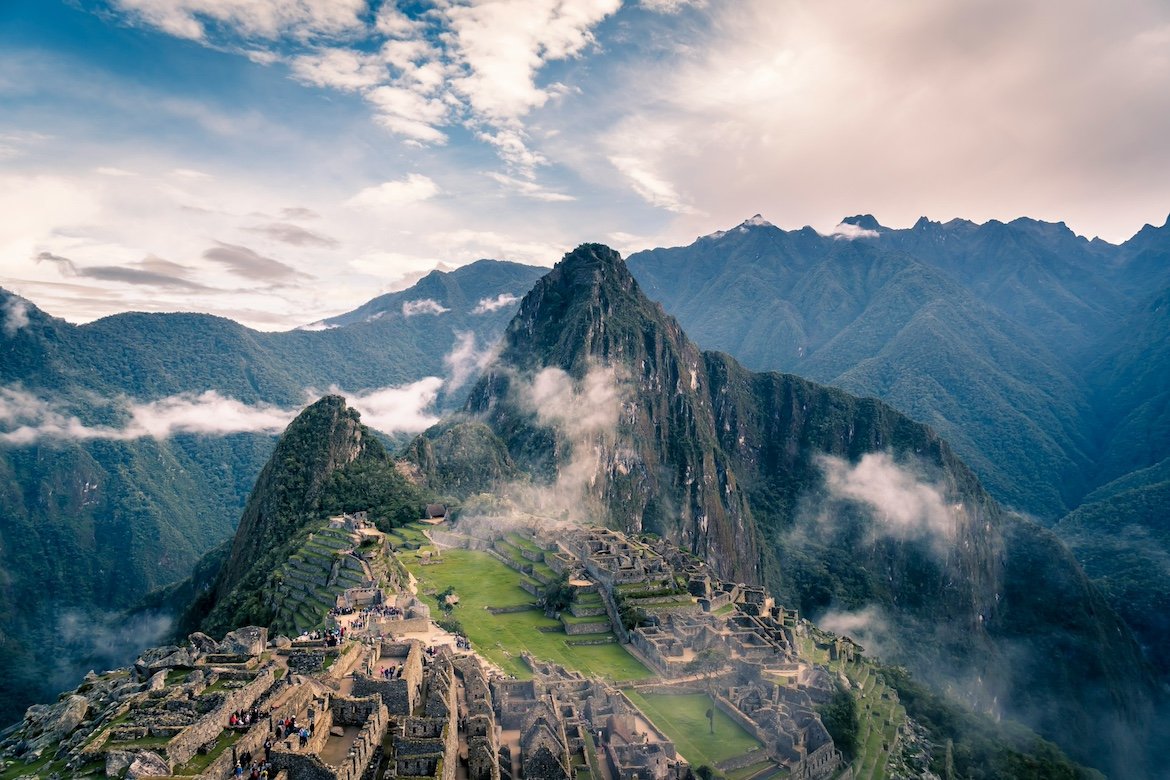
For centuries, reaching Machu Picchu has been intentionally difficult. The Incas chose its remote, high-altitude location in the Andes to keep the city hidden, and modern travelers have long followed a multi-step journey through Lima and Cusco before arriving at the famous citadel.
That experience could soon change dramatically. A long-planned airport near Chinchero is now under construction, promising faster access to Peru’s most famous attraction – and igniting a fierce debate about the future of the Sacred Valley.
Supporters of the project argue that improved infrastructure is essential for economic development, while critics warn that easier access could overwhelm a region already struggling with capacity, environmental protection, and cultural preservation.
A Faster Route to Machu Picchu and Economic Opportunity
The Chinchero International Airport is designed to significantly simplify travel to the Sacred Valley. Instead of flying into Lima and connecting to Cusco, travelers would eventually be able to land much closer to Machu Picchu itself, reducing travel time by hours – or even days. After years of delays, the airport is now expected to open in late 2027, with construction costs estimated at around $683 million.
According to Peru’s Ministry of Transport and Communications, the airport has already generated more than 5,000 construction jobs. Once operational, officials estimate it could benefit up to one million people working in tourism and related industries. Designed to handle as many as eight million passengers annually, the airport could increase visitor numbers to the Sacred Valley by as much as 200 percent.
Proponents believe this growth could help spread tourism revenue beyond Cusco and into smaller rural communities that have historically been bypassed. Hotels, guides, transportation services, and local artisans could all see increased demand, potentially reshaping the region’s economy and improving livelihoods.
Environmental, Cultural, and Capacity Concerns
Despite the economic promise, opposition to the airport remains strong. Indigenous communities, archaeologists, conservation groups, and local tourism operators argue that the Sacred Valley’s fragile ecosystems and cultural landscapes are already under strain. Carved by the Urubamba River and surrounded by the Andes, the valley is home to ancient irrigation systems, roads, and agricultural terraces that have been used continuously for centuries.
Critics warn that airport construction and the resulting tourism boom could threaten watersheds, wildlife habitats, and undiscovered archaeological sites. Local residents also point to practical challenges: water shortages in some communities, overwhelmed waste systems, and roads that are already heavily congested during peak travel periods. A comprehensive heritage impact assessment for the project was still incomplete as of 2025.
UNESCO has been closely monitoring developments, cautioning that unmanaged growth could put Machu Picchu’s World Heritage status at risk. Peru currently limits daily visitors to the site to between 4,500 and 5,600 people, depending on the season – limits that may come under pressure as access becomes easier.
As Peru moves forward with the Chinchero airport, the challenge will be finding a balance between accessibility and preservation. The project has the potential to transform travel to Machu Picchu, but its long-term success will depend on whether growth can be managed without sacrificing the cultural and environmental heritage that makes the Sacred Valley unique.