
Middle East Conflict Could Cost Tourism Sector Up to $56 Billion
The escalating Iran conflict could cost the Middle East tourism industry up to $56 billion and reduce visitor arrivals by tens of millions in 2026.
The Gulf Cooperation Council (GCC) is a regional intergovernmental organization established in 1981, consisting of six Middle Eastern countries: Bahrain, Kuwait, Oman, Qatar, Saudi Arabia, and the United Arab Emirates. The alliance aims to foster economic, political, and security cooperation among its member states, promoting regional stability and shared development.
For travelers, the GCC plays a significant role in shaping tourism policies across the Arabian Gulf. Many of the member countries have invested heavily in world-class hospitality, infrastructure, and major international events, making the region a hub for luxury, business, and cultural tourism. Visa agreements within the GCC often allow for easier cross-border travel between member nations, benefiting both tourists and business travelers. Understanding the GCC is essential for navigating regional travel rules, planning multi-country Gulf itineraries, and staying informed on current developments affecting tourism in the area.
The escalating Iran conflict could cost the Middle East tourism industry up to $56 billion and reduce visitor arrivals by tens of millions in 2026.

The GCC has approved the first phase of a one-stop travel system, beginning with a UAE–Bahrain airport trial designed to simplify travel procedures for Gulf citizens.
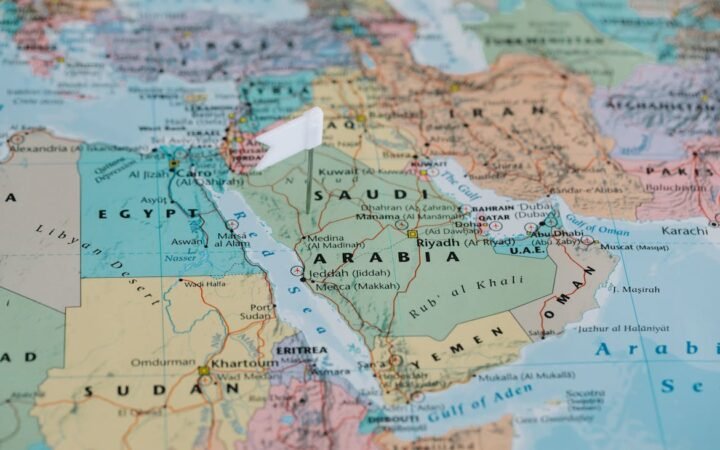
A new Schengen-style visa has been officially approved by the Gulf Cooperation Council, allowing travelers to visit six Gulf nations under a single visa, revolutionizing tourism in the region.