
The White Lotus is trading tropical resorts for Riviera glamour, and that shift could have a meaningful effect on travel demand across southern France. HBO’s hit series has started filming its fourth season on the French Riviera, with Cannes, Saint-Tropez, and Monaco forming the core backdrop for the new story.
While the show remains a satire of wealth, status, and modern luxury, its tourism impact is rarely subtle. Previous seasons helped push interest toward Hawaii, Sicily, and Thailand. Now the Côte d’Azur is next in line.
What makes this season especially notable is not just the location, but the way it ties the series more directly to one of the world’s most recognizable luxury travel circuits. Season 4 will unfold during the Cannes Film Festival, bringing together red carpets, sea-view hotels, private beaches, and the kind of polished excess that fits the show’s brand perfectly. For the travel industry, that means a major piece of entertainment content is once again doubling as destination marketing, whether intentionally or not.
Cannes Steps Into the Lead
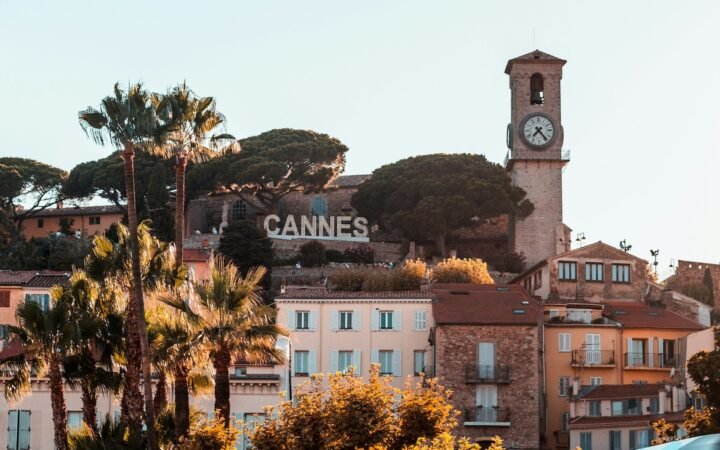
Cannes appears set to be the season’s commercial and visual anchor. The city already has global recognition through its film festival, but The White Lotus gives it a different kind of exposure: less as an events destination and more as a fantasy of high-end leisure travel. Hôtel Martinez, the Art Deco landmark on the Croisette, will serve as White Lotus Cannes, putting one of the city’s best-known hotels front and center.
That matters because the show tends to turn hotels into characters of their own. Hôtel Martinez already carries strong brand recognition among luxury travelers, but appearing in a series with this kind of global audience can expand that appeal beyond traditional Riviera guests. It also helps position Cannes as a place that blends cinema, hospitality, nightlife, and status in a way few destinations can match.
The city is also expected to benefit more broadly from the production itself. Local officials anticipate additional overnight stays and increased visibility, reinforcing Cannes’ standing not just as a festival city, but as a year-round filming and tourism destination.
Saint-Tropez Adds the Resort Fantasy
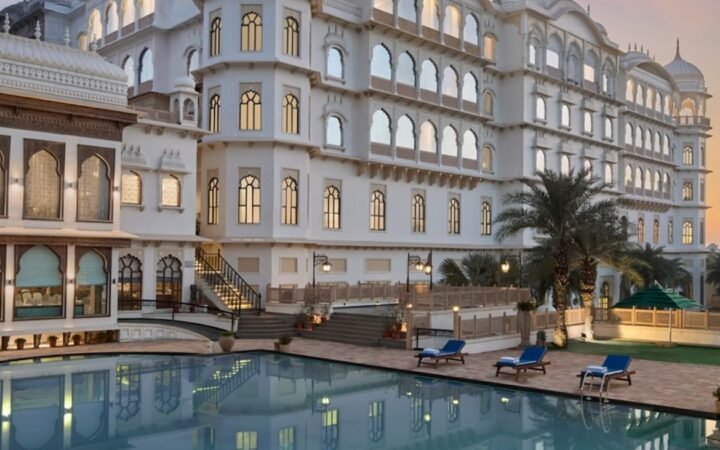
If Cannes delivers spectacle, Saint-Tropez brings the escapist resort setting the franchise is known for. Airelles Château de la Messardière, the property standing in as White Lotus du Cap, gives the season a more secluded and cinematic luxury base. Set above the coast with sweeping grounds, sea views, and easy access to the Saint-Tropez social scene, it offers exactly the kind of contrast the show likes: privacy inside the hotel, chaos just beyond it.
For tourism, this is where the classic White Lotus effect may hit hardest. Viewers do not just notice the plot. They notice the terraces, the suites, the pools, the gardens, and the atmosphere. Saint-Tropez already has an established image, but this kind of screen time can refresh it for a younger international audience and pull it deeper into the conversation around set-jetting travel.
A New Phase of Screen-Driven Travel
The larger travel takeaway is that The White Lotus continues to influence where affluent and aspirational travelers want to go. This season also marks a break from the show’s earlier reliance on Four Seasons properties, signaling that a wider group of luxury hotel brands now sees real value in this kind of cultural placement.
With Monaco also in the mix and Paris involved in filming, the Riviera season is likely to have an effect beyond a single hotel or city. It strengthens the idea of the French Riviera as a connected luxury corridor, where festival culture, heritage hotels, beach clubs, and old-money glamour still hold enormous appeal. By the time Season 4 premieres in early 2027, the region may find that one of television’s sharpest social satires has once again become one of travel’s most powerful marketing engines.