
U.S. low-cost airlines are stepping up pressure on Washington as soaring jet fuel prices threaten to further destabilize one of the most vulnerable corners of the aviation market. Executives from several budget carriers are set to meet with Transportation Secretary Sean Duffy as the industry pushes for temporary tax relief to help offset fuel costs driven higher by the war with Iran.
The request centers on suspending the 7.5% federal excise tax on airline tickets, along with the $5.30 per-segment tax, a move airlines say would help absorb roughly one-third of the additional fuel burden now hitting the sector.
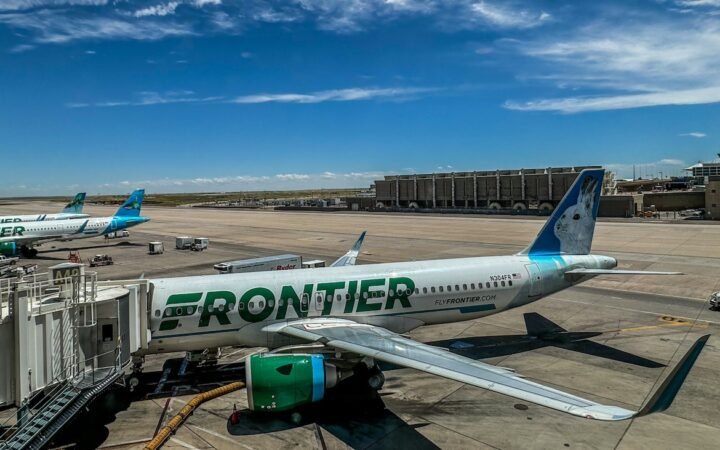
The appeal comes from the Association of Value Airlines, whose members include Spirit Airlines, Frontier Airlines, Allegiant Air, Sun Country, and Avelo. Their message is straightforward: if fuel costs remain elevated and no relief is provided, travelers will end up paying more.
While ticket prices are the most visible part of the travel bill, the group argues that higher operating costs are also likely to spill over into ancillary charges, meaning passengers could face rising baggage fees, add-on costs, and other service charges even if base fares appear competitive.
That warning is significant because low-cost airlines have less room to maneuver than larger network carriers. Many of the biggest U.S. airlines have broader revenue cushions through premium cabins, loyalty programs, and international networks. Budget carriers depend much more heavily on domestic leisure demand and price-sensitive customers, which leaves them particularly exposed when fuel spikes sharply. Their business model works best when costs stay lean and seats stay full. When those assumptions break down, the margin for error narrows quickly.
The strain is already showing across North America. Airlines have been cutting flights, trimming planned capacity growth, and raising fees in response to higher fuel bills. The budget segment is under even more pressure because it is dealing not only with fuel inflation, but also with weak leisure demand in some markets and continued oversupply on domestic routes. In that environment, even a temporary tax break could make a meaningful difference to short-term survival and pricing stability.
Spirit Airlines stands out as the clearest example of how serious the pressure has become. Its bankruptcy exit plan is already under renewed strain as high fuel prices undermine the assumptions behind its restructuring. The airline is now seeking court approval for a second restructuring in less than a year, despite having emerged from bankruptcy in March 2025. That sequence underlines how fragile the economics of the ultra-low-cost model have become in the current environment.
The tax relief proposal is no silver bullet, and it would almost certainly face political scrutiny in Congress. But the request shows that low-cost airlines see the current fuel shock as more than a temporary inconvenience. They view it as a direct threat to their ability to keep fares low and maintain service. For travelers, the outcome matters because if smaller carriers lose flexibility, the pressure on prices across the broader U.S. market could rise even further.