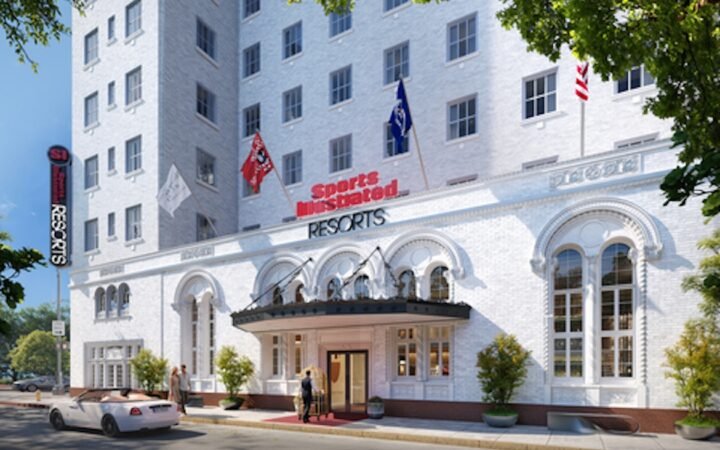

Travel + Leisure Co. is bringing its Sports Illustrated Resorts concept to downtown Baton Rouge, turning the Hilton Baton Rouge Capitol Center into a new hospitality project aimed squarely at sports fans, families, and event-driven travelers. The 11-story property on Lafayette Street will continue operating through 2026, with renovations scheduled to begin in early 2027 and the relaunch expected by late 2027.
The choice of Baton Rouge is not accidental. Travel + Leisure has been clear that the Sports Illustrated Resorts brand is designed for markets where sports culture already drives travel demand, and Baton Rouge fits that strategy neatly. LSU gives the city one of the strongest college sports identities in the country, while Southern University adds another layer to the local fan base and event calendar. Combined with youth tournaments, amateur competitions, and large regional sporting events, Baton Rouge offers the kind of year-round energy the brand is trying to capture.
The project also arrives with some local star power. Shaquille O’Neal, an LSU graduate and one of the most recognizable names tied to the university, is among the investors involved in the development. That connection matters because this is not being presented as just another rebrand or soft renovation. The idea is to create a sports-centered lifestyle destination that reflects the atmosphere of game day and extends it into a full hospitality experience.
The hotel’s riverfront location is another major part of the pitch. Positioned downtown near the Mississippi River and close to LSU, the building sits at one of Baton Rouge’s most visible entry points. Local officials have described it as a front door to downtown, which gives the project a broader role beyond lodging alone. If successful, it could strengthen the area’s appeal not just for visiting fans, but also for leisure travelers arriving by riverboat, convention guests, and visitors looking for a more active downtown stay.
Once completed, the property will include a mix of vacation ownership, hotel, and whole-ownership units. That hybrid structure reflects how Travel + Leisure has been approaching the Sports Illustrated Resorts brand more broadly, keeping flexibility in the model while it tests demand across different markets. Baton Rouge joins a growing pipeline that also includes Nashville, Tuscaloosa, and Chicago, but its identity may be one of the clearest. Few places are as naturally aligned with a sports-themed resort as a major SEC city where college athletics shape the rhythm of weekends, local business, and tourism.
The Baton Rouge project also says something about where hospitality development is going. Hotels are increasingly being designed around experience, not just location, and in this case the experience is sports culture. That gives the city a new kind of tourism anchor, one built less around luxury in the traditional sense and more around fandom, events, and the emotional pull of place. For Baton Rouge, that could be a powerful combination.