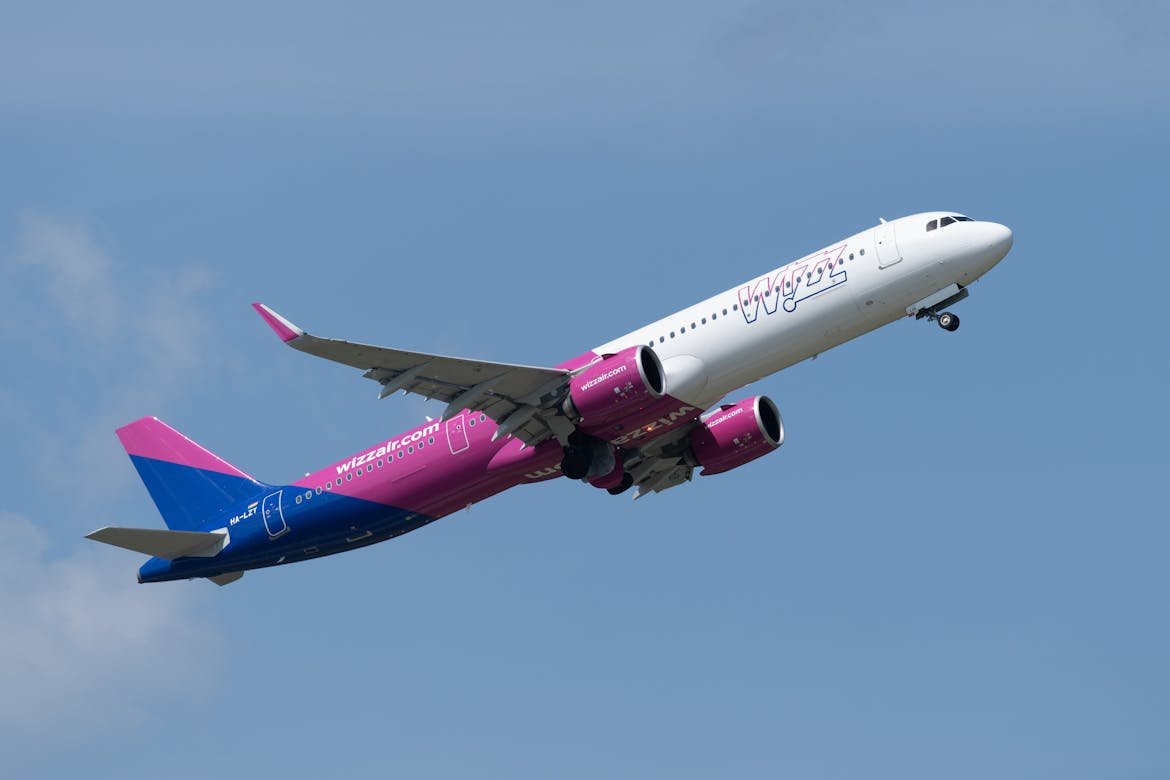
Wizz Air UK has received regulatory approval to operate flights between the United Kingdom and the United States, marking a significant milestone for the European low-cost airline. The authorization allows the carrier to run charter services across the Atlantic, though the company says it has no immediate plans to launch regular commercial flights to the United States.
The permits were granted after several months of regulatory review by U.S. authorities. With the approval in place, the airline can now operate charter flights transporting organized groups such as sports teams, supporters, and tour groups traveling between the United Kingdom and the United States. The development represents the first official step for the airline toward transatlantic operations.
Wizz Air said the new authorization will primarily support travel demand linked to major international events, including the upcoming FIFA World Cup. The tournament is expected to attract large numbers of European fans traveling to North America, with matches scheduled across multiple U.S. states. Charter flights are seen as a practical way to move large groups of supporters and sports teams efficiently during peak travel periods.
Charter Flights Target Group Travel Demand
Unlike scheduled airline routes that sell individual tickets through normal booking channels, charter flights are typically arranged for specific organizations or groups. In this case, Wizz Air plans to work with football teams, fan groups, and tour operators organizing travel to major sporting events in the United States. Corporate groups and private travelers arranging large group trips may also use the charter service.
The airline says the approach offers flexibility and allows it to test long-haul operations without committing to permanent transatlantic routes. Charter flights can be scheduled based on demand and organized around specific events, providing airlines with greater control over costs and operations.
Wizz Air is expected to use Airbus A321XLR aircraft for these transatlantic charter flights. The aircraft is designed for longer routes while maintaining lower operating costs compared with traditional widebody jets. For a low-cost airline historically focused on short and medium-haul travel within Europe, the aircraft provides a way to explore longer flights while maintaining its cost-focused business model.
The approval also highlights the evolving strategies of European budget airlines as aircraft technology improves. Newer narrowbody jets such as the A321XLR have extended range capabilities that make longer routes economically viable for carriers that previously focused only on regional flights.
Although the airline has not announced plans for scheduled services between the United Kingdom and the United States, industry observers say the charter program could serve as a testing ground for future long-haul operations. If demand proves strong, the experience gained from operating charter flights could help Wizz Air evaluate whether regular transatlantic routes might be feasible in the future.
For now, the company is positioning the new service primarily as a solution for large group travel tied to major events. Charter bookings for summer travel are already open, and the airline expects interest from sports organizations, travel companies, and event organizers looking for dedicated transatlantic transportation options.
The move represents a cautious but notable expansion for the airline as it explores opportunities beyond its traditional European network.