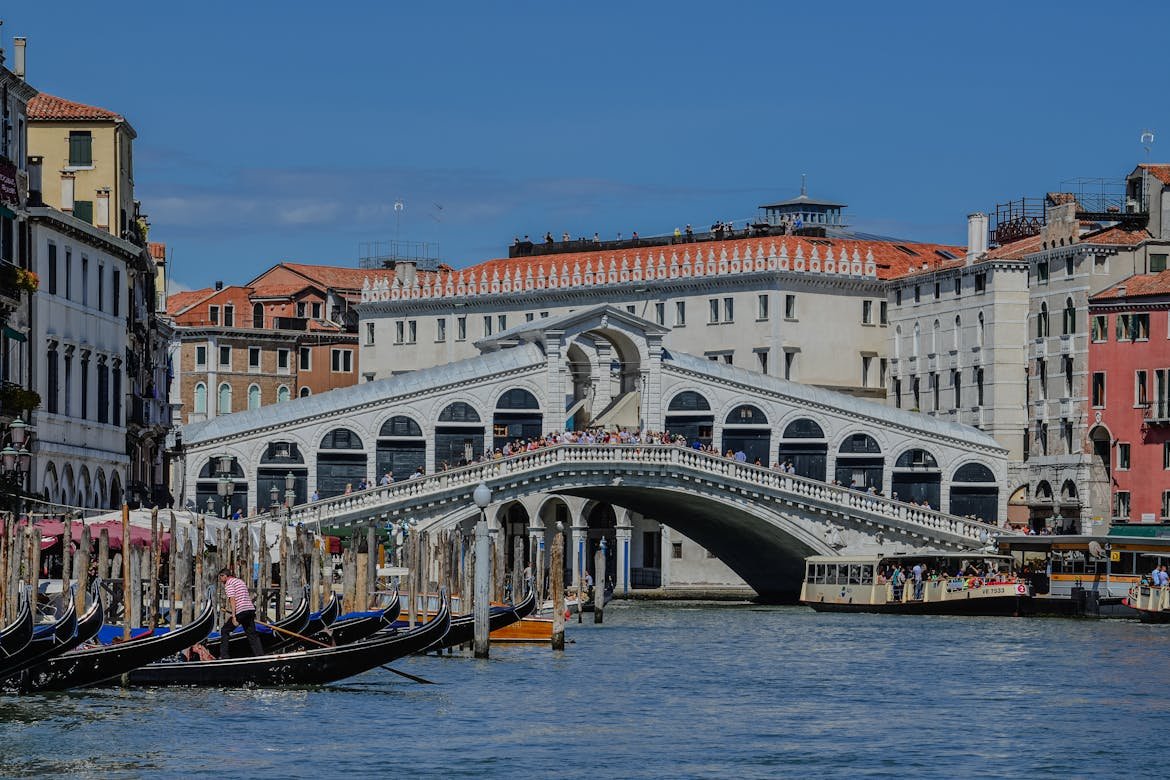
Venice has confirmed that its daytripper access fee will return in 2026, refining and expanding the rules introduced in recent years to manage the city’s overtourism. The fee will apply Fridays through Sundays during the months of April, May, June, and July. Compared to 2025, Venice will extend the number of fee-days from 54 to 60, giving officials increased flexibility to control crowds during thorny peak periods.
The fee will be in effect during peak hours, from 8:30 am to 4:00 pm on specified fee-days. Visitors who are not staying overnight will be required to pay if they enter during those times and dates. Exemptions continue to apply: overnight guests with lodging arrangements, residents of Venice, students, workers, and individuals born in Venice are not subject to the fee. Also, visitors who secure reservations or lodging in Venice receive exemption codes or QR passes in many cases.
Key Details of the 2026 Fee Schedule
The fee calendar for 2026 starts on April 3 and includes multiple stretches of consecutive fee-days. For instance, every weekend in April, May, June, and much of July, Fridays through Sundays will carry the access fee. This structure aims to distribute the visiting load more evenly rather than just target one or two weekends. Official checkpoints – such as the main train station, key bridge and ferry entry points – will enforce the fees via QR codes or exemption vouchers.
Pricing remains similar to last years: visitors who book or register ahead will pay a base fee, while those arriving at shorter notice face higher charges. In past versions, that step up in price has been from around €5 to €10 depending on timing of booking or registration. The mechanism is designed to give incentive to plan ahead, reducing unpredictable surges that overwhelm infrastructure and services.
Purpose, Effects, and What to Watch
The rationale behind the fee is multifold. First, to reduce the strain on Venice’s historic center during its busiest hours, alleviating traffic, congestion, and pressure on services such as waste management, public transport, and policing. Second, to nudge visitors towards staying overnight or visiting during off-peak times, which tends to spread economic benefit more widely. Third, to preserve the quality of life for Venetian residents who often feel crowded out by large day crowds.
Early data from the pilot phases are mixed. In 2025, despite the fee being active on more days, visitor numbers on peak fee-days dropped only slightly. But revenue generated was substantial enough to help fund resident-oriented services. Some critics say the fee alone won’t solve overtourism, arguing that structural changes – like limiting mass tourism, improving distribution of visitors, and encouraging longer stays – are also needed.
We covered how Venice’s day-tripper fees have shaped visitor behavior and raised funds through our piece on Venice Day Tripper Fees Results 2025. That article shows how the early access fee efforts have temporarily dampened some peak-day visits while also increasing advance bookings. The return and expansion of fee-days in 2026 builds directly on what was learned in that earlier phase.
In summary, the daytripper fee’s return in 2026 means more deliberate planning for those visiting Venice for a day. Knowing which days and hours the fees apply, registering ahead, or just staying overnight can help visitors avoid surprises. For Venice, maintaining this policy aims to protect its fragile culture and city fabric while balancing tourism with livability.