The cruise industry is preparing for another record-breaking year in 2026, as nearly 22 million Americans are projected to set sail on ocean cruises, according to the latest forecast by AAA and Tourism Economics. This marks the fourth consecutive year of growth for the U.S. cruise market, continuing a strong upward trajectory following the global travel rebound.
Caribbean Cruises Continue to Dominate
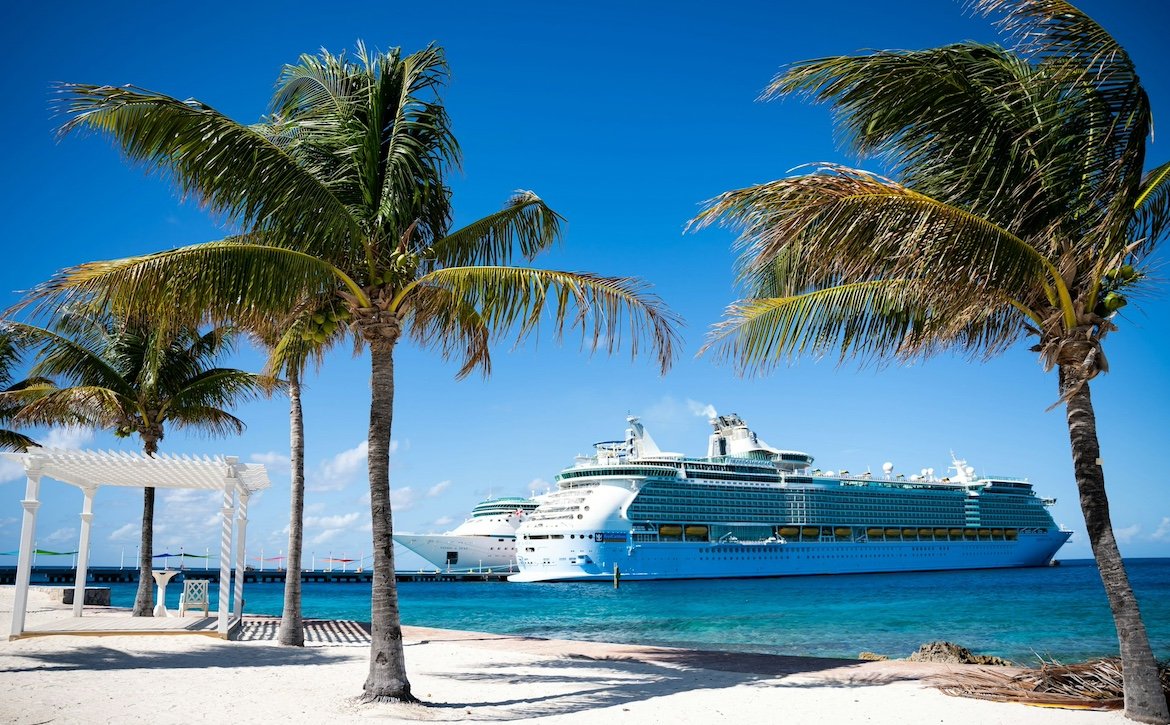
The Caribbean once again emerges as the undisputed leader among cruise destinations, attracting an estimated 72 percent of American cruise passengers in 2026. Its continued appeal lies in a combination of accessibility, climate, and diversity – from short weekend getaways to extended itineraries through tropical archipelagos.
Shorter cruises are one of the key factors behind the Caribbean’s sustained growth. According to AAA, demand for three-to-five-day sailings has surged, providing convenient options for both first-time cruisers and returning travelers seeking flexibility. Cruise lines benefit as well, as shorter trips allow for more frequent itineraries and higher occupancy rates.
The Caribbean’s vast range of experiences adds to its magnetic pull. Travelers can explore private islands, sample local cuisine, or unwind on pristine beaches across destinations like the Bahamas, Jamaica, St. Lucia, and the Virgin Islands. Cruise operators are also investing heavily in regional infrastructure – from upgraded terminals to new onboard experiences – to accommodate the growing wave of passengers.
Trailing behind the Caribbean, Alaska is forecast to attract 7 percent of U.S. cruise travelers in 2026, maintaining its reputation as a leading destination for adventure and scenic exploration. Its towering glaciers, wildlife encounters, and natural landscapes continue to captivate travelers seeking a once-in-a-lifetime experience. The Mediterranean, ranking third with 5 percent, offers another classic route – drawing passengers eager to experience Europe’s coastlines, from Greece and Italy to Spain and France.
Florida Remains the Hub of U.S. Cruise Departures
When it comes to embarkation points, Florida continues to be the powerhouse of the U.S. cruise industry. Miami, often called the “Cruise Capital of the World,” leads the list with 10.2 percent of total embarking and debarking passengers expected to pass through its terminals in 2026. The port’s vast connectivity and access to the Caribbean make it the busiest cruise hub globally.
Following Miami, Port Canaveral near Orlando is projected to handle 8.8 percent of passengers, while Fort Lauderdale ranks third with 5.6 percent. Together, these three Florida ports account for nearly a quarter of all U.S. cruise traffic. Galveston, Texas, secures fourth place with 4.1 percent, reflecting the growth of cruise travel from the Gulf Coast. Meanwhile, Barcelona, the only non-U.S. city in the top five, will represent 3.9 percent of passenger embarkations, solidifying its position as Europe’s premier cruise gateway.
The Future of Cruise Travel
The upward trend shows no signs of slowing. Cruise lines are expanding fleets, launching new itineraries, and investing in advanced sustainability measures to meet the evolving expectations of travelers. The industry’s focus on variety – from mini-cruises to extended world voyages – reflects a broader demand for flexible and memorable travel options.
AAA’s vice president of travel, Stacey Barber, noted that the appeal of ocean cruising lies in its balance of comfort, convenience, and exploration. Whether celebrating milestones in the Caribbean or venturing north to Alaska, travelers continue to view cruises as a rewarding and stress-free way to see the world.
As 2026 approaches, the seas look set for another historic year – one defined by record participation, destination diversity, and the enduring allure of life at sea.