United Airlines is making one of the most aggressive bets on premium air travel in the industry, announcing plans to add more than 250 aircraft by 2028 while redesigning cabins, routes, and onboard experiences. The scale of the expansion is notable, but the underlying strategy is even more telling: United is reshaping its fleet around higher-yield passengers while still attempting to improve the baseline experience for economy travelers.
The move builds on the airline’s multi-year “United Next” plan, which has already increased premium seating across North America by 40 percent and introduced new aircraft types. With demand for premium cabins continuing to outpace standard economy, United is doubling down on a model that prioritizes comfort, space, and differentiated products across every segment of its network.
A Premium Experience Moves Into Every Cabin
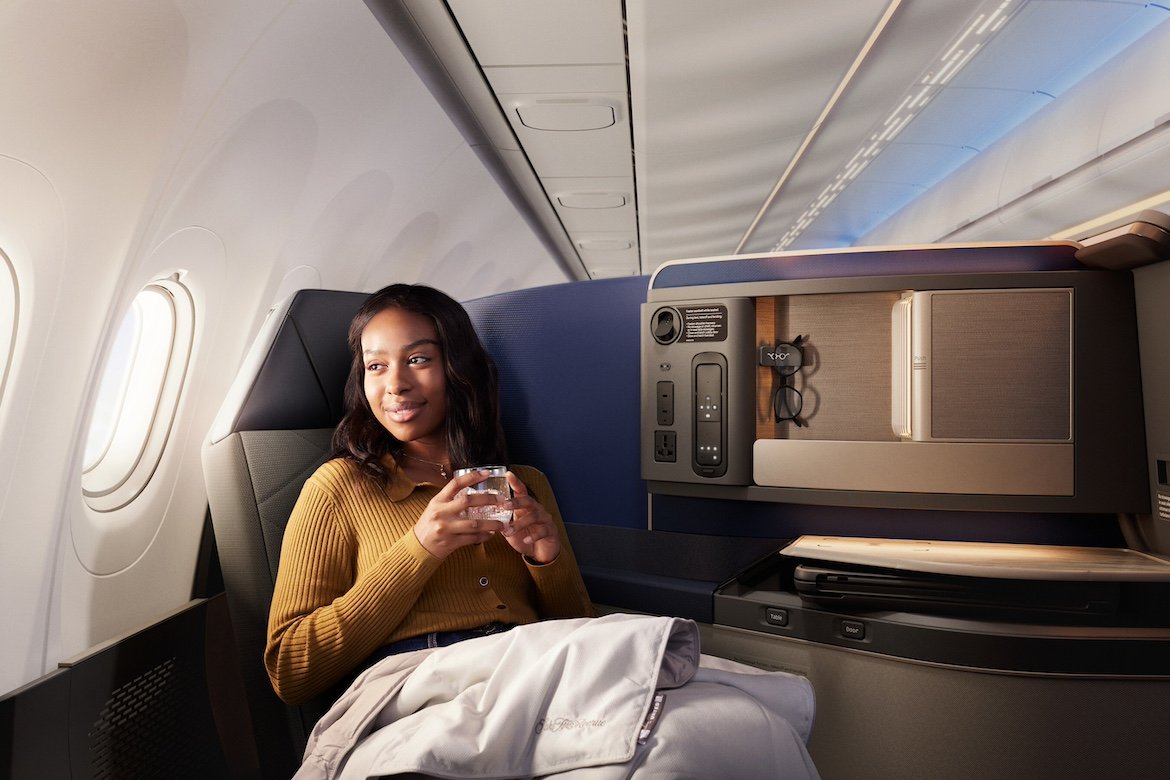
At the center of United’s strategy is the idea that premium experiences should not be limited to long-haul international flights. The introduction of the new Airbus A321neo “Coastliner” reflects that shift. Designed specifically for high-demand transcontinental routes between the U.S. coasts, the aircraft brings lie-flat Polaris business class seats – traditionally reserved for international travel – into domestic service.
The Coastliner will also mark the first time domestic passengers gain access to Polaris lounges, a move that effectively blurs the line between domestic and international premium offerings. With fewer total seats and added features like a rear snack bar, the aircraft prioritizes comfort and flexibility over capacity.
United is applying a similar philosophy to its long-haul narrowbody fleet. The Airbus A321XLR, set to replace older Boeing 757 aircraft, will feature significantly more premium seating and upgraded cabin interiors. These aircraft are expected not only to improve margins on existing routes but also to unlock new, thinner international routes in Europe and South America.
Meanwhile, the airline’s new Boeing 787-9 aircraft with the “Elevated” interior represent its most premium-heavy widebody configuration to date. With 99 premium seats and the introduction of the Polaris Studio – a larger, more private suite with upgraded dining and amenities – United is signaling that high-end travel remains a core driver of revenue growth.
A Broader Network, But a Clear Shift in Priorities
While premium cabins are taking center stage, United is also investing in regional and economy travel, though with a different lens. The new CRJ450 regional jet, for example, is designed to offer a more spacious and upscale feel, particularly in first class, where overhead bins are replaced with a luggage closet to create a more open cabin environment.
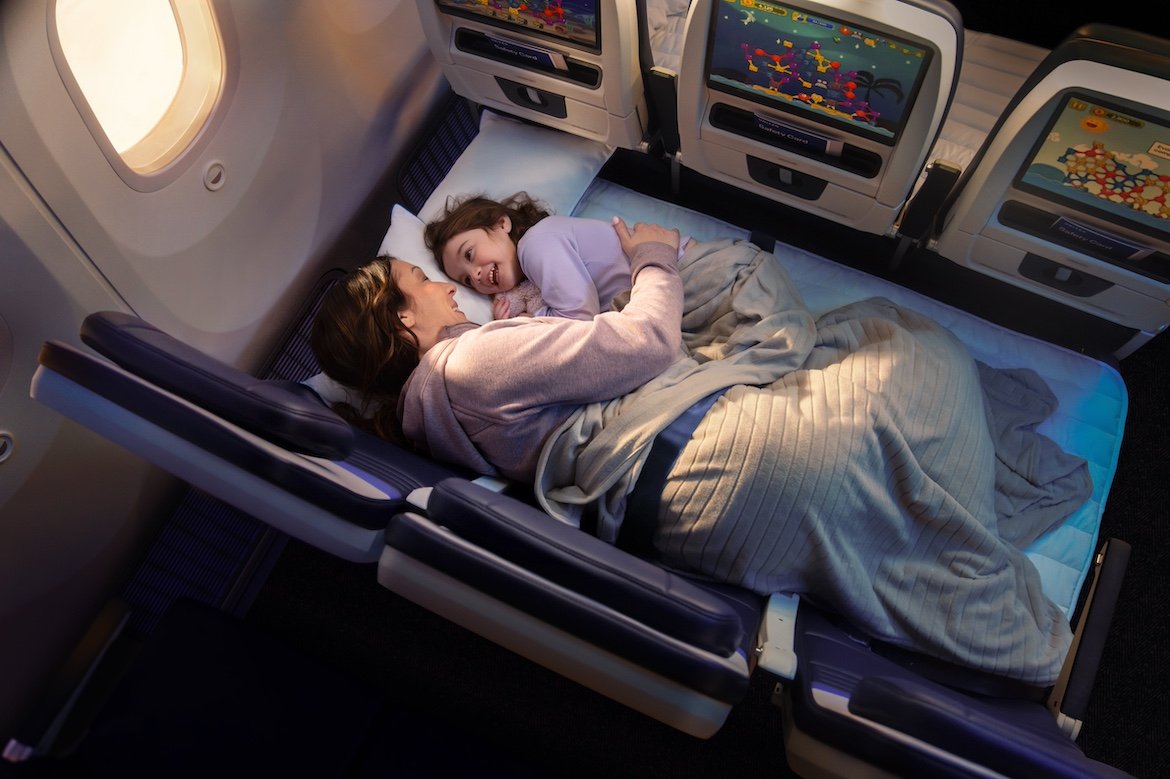
At the same time, economy passengers are seeing incremental upgrades, including improved in-flight entertainment, larger overhead bins, and faster onboard connectivity through Starlink Wi-Fi. These enhancements suggest that while United is prioritizing premium revenue, it is also aware of the need to maintain competitiveness in the broader market.
Still, the direction is clear. The airline is reducing standard seating density on some aircraft to make room for more premium products, reflecting a broader industry trend where airlines increasingly rely on high-margin seats to drive profitability. Competitors across the U.S. market are making similar moves, but United’s scale and speed set it apart.
By combining fleet expansion with a reimagined onboard experience, United is not just adding planes – it is redefining how those planes are used. The result is a network that is both larger and more segmented, designed to capture demand across a wider range of travelers while leaning heavily into the premium segment that continues to outperform.