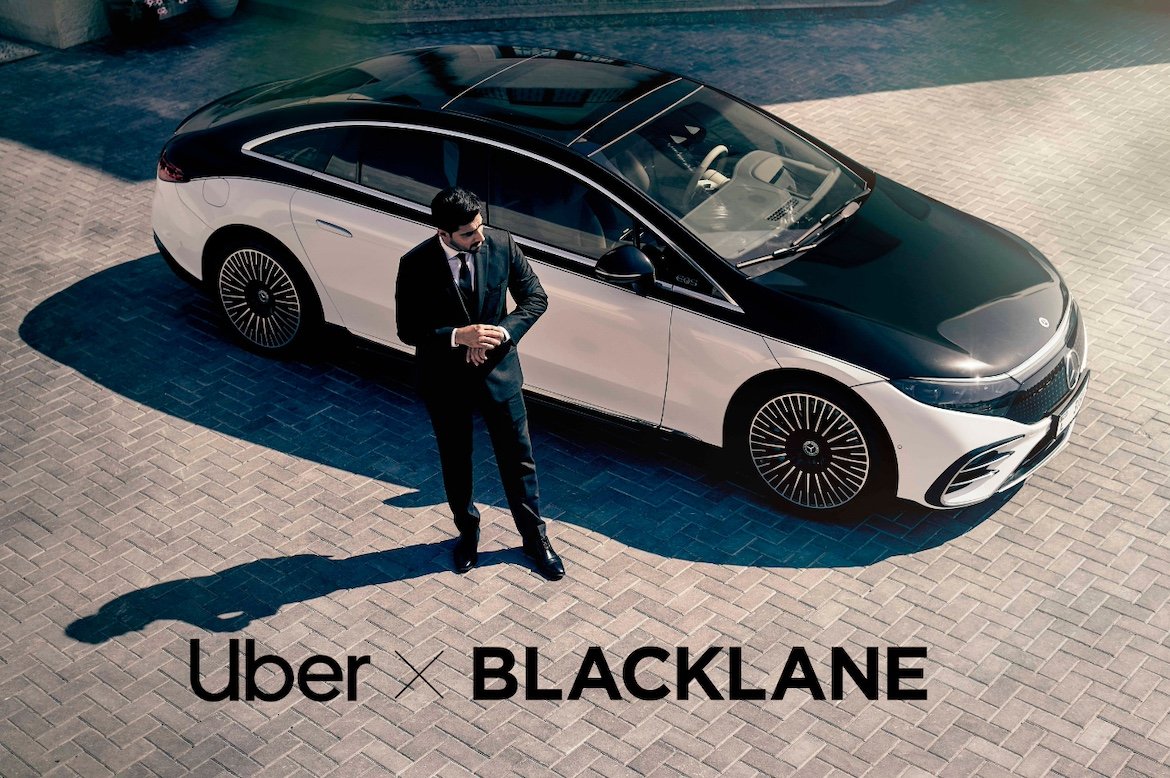
Uber has agreed to acquire Blacklane, the Berlin-based chauffeur platform, in a move that strengthens its position in executive and luxury travel. Blacklane operates in more than 500 cities across over 60 countries, giving Uber a broad premium network in airport transfers, city-to-city rides, and pre-booked corporate transport. The transaction is expected to close by the end of 2026, pending regulatory approvals and other standard closing conditions.
The significance of the deal goes beyond scale. Uber built its business around convenience and on-demand rides, but one of its more attractive growth areas now sits in planned, higher-service transport. In that part of the market, customers are often paying not just for a ride, but for timing, consistency, and presentation. That makes chauffeur travel especially relevant for business clients, airport journeys, and premium leisure trips where service quality matters more than the fastest possible dispatch.
Uber has already been moving in this direction. Its Reserve product has become one of the faster-growing parts of the company’s mobility business, while higher-end categories such as Comfort, SUV, and Black have grown into a sizable revenue segment. The Blacklane acquisition gives Uber a more established premium platform rather than forcing it to build a global chauffeur business market by market.
Why Premium Ground Transport Matters More Now
The appeal of chauffeur and executive transport is not just that it serves wealthier customers. It also tends to offer stronger pricing power and more predictable demand. Travelers booking these services are usually less focused on the cheapest fare and more focused on whether the vehicle arrives on time, whether the driver is professional, and whether the experience feels dependable from city to city.
That is particularly important in corporate travel. For a company moving executives, clients, or event guests, transport is part of the wider travel experience rather than a simple commodity purchase. Blacklane has built its position around that expectation, working with local chauffeur operators while offering a centralized booking platform that emphasizes reliability and consistency across markets.
The deal also reflects rising competition in premium mobility. Other players are expanding into chauffeur services, corporate transport, and upper-tier ride products, suggesting this is no longer a side segment. It is becoming a more strategic layer of travel, especially as mobility companies look for categories that are less exposed to price-sensitive competition.
The Challenge Will Be Preserving the Service Standard
For Uber, the value of Blacklane is not just its network but its operating model. Premium transport works only if the service remains disciplined. That depends on local partner quality, customer support, brand positioning, and consistent execution, all of which can be harder to protect inside a much larger platform business.
There is also a broader travel angle to the transaction. Blacklane’s strength in airport and international city transfers gives Uber a more direct role in managed travel, not just urban ride hailing. That could matter as travel companies increasingly try to connect booking, mobility, and premium service into one smoother trip experience.
For Blacklane, the deal offers reach and resources. For Uber, it adds specialization at a time when the company wants to serve more of the travel spectrum, from everyday local rides to high-end pre-arranged journeys. If the integration is handled carefully, this could become more than a simple acquisition. It could mark a clearer shift in how Uber sees the future of premium travel.