Emergency pay for Transportation Security Administration officers may provide immediate relief to a workforce that has gone more than six weeks without a paycheck, but the move is unlikely to quickly restore normal conditions at U.S. airports.
President Donald Trump’s executive order directing the Department of Homeland Security to pay TSA officers was designed to address a staffing crisis that has pushed wait times higher during a peak spring travel period. Even so, the operational damage from the partial shutdown is already embedded in airport routines.
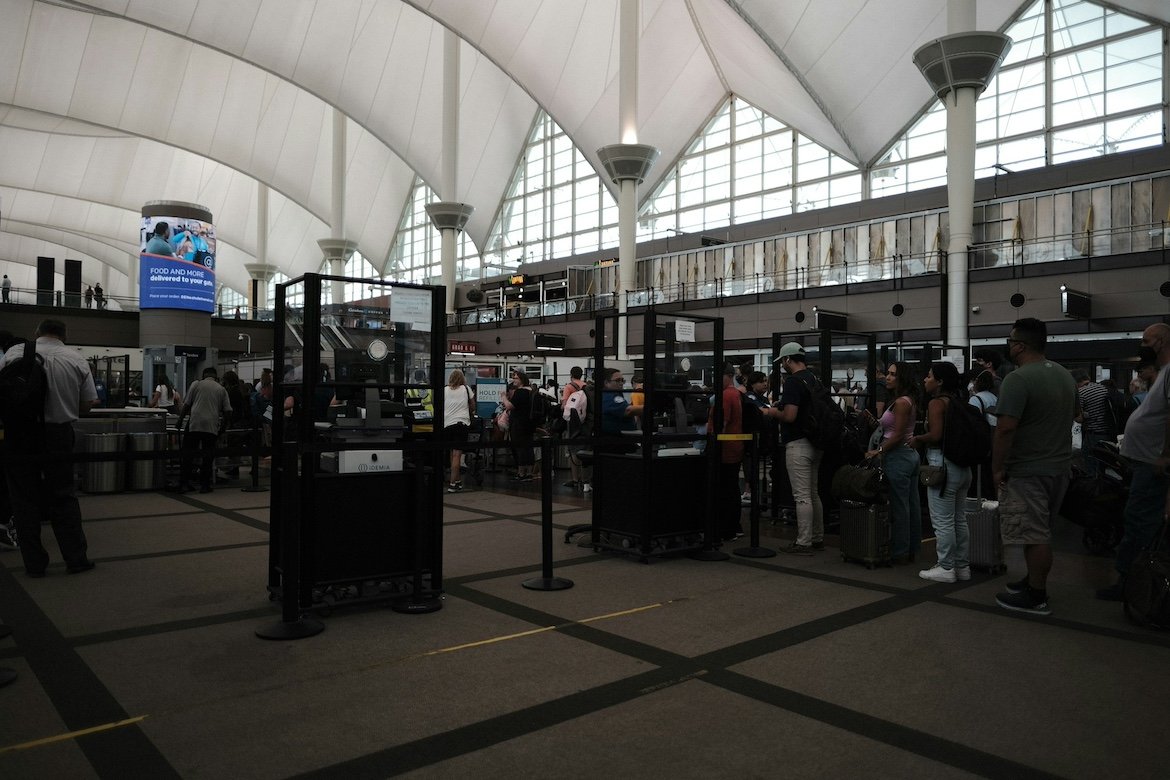
Since DHS funding lapsed on February 14, TSA officers have been required to continue working without pay because they are classified as essential employees. Over time, that arrangement has translated into rising absences, employee departures, and reduced checkpoint capacity at some of the country’s busiest airports. The result has been long security lines, closed expedited lanes, and repeated advisories telling travelers to arrive several hours before departure.
The executive order may help with morale and attendance, but it does not immediately solve the underlying uncertainty. Workers still want clarity on when full pay and back pay will arrive, whether missed shifts will be compensated, and whether this is a durable fix or only a temporary patch. That distinction matters because a one-time payment may stabilize the next few days without convincing staff that their pay will remain secure.
Staffing Recovery Will Take Time
The biggest challenge for airports is that staffing problems do not disappear the moment funding begins to flow. Some TSA officers have already quit, while others may be reluctant to return to normal attendance until they believe the pay disruption is truly over. Labor representatives and former TSA officials have said the workforce needs confidence, not just a short-term promise, before operations begin to normalize.
That helps explain why airports were still warning passengers about delays well after the White House announced relief. Baltimore–Washington, Atlanta, New Orleans, and New York-area airports continued to report longer-than-normal waits, even as some locations said conditions had slightly improved. In practical terms, reopening closed checkpoints and express lanes takes staffing consistency, not just payroll authorization.
The training pipeline adds another complication. Even if attrition remains within a manageable range, replacing officers is not quick. New hires require months of training before they can be certified to work checkpoints, which means the system has limited ability to rebuild capacity quickly if the current disruption continues.
ICE Support Reflects a Deeper Operational Problem
The continued presence of Immigration and Customs Enforcement agents at airports is another sign that the pressure on TSA has not eased enough for airports to stand down emergency support. The administration has made clear those officers will remain in place as long as needed to help with screening-related operations. That may reduce some strain on the system, but it also underscores how far normal staffing conditions have slipped.
For travelers, the immediate takeaway is straightforward. The order to pay TSA officers is an important step, but it is not a reset button. Delays may continue for another week or two as officers receive pay, airports reassess staffing, and checkpoint operations are gradually restored.
The broader issue is that airport security has become exposed to a political budget fight that was never supposed to be fought at the checkpoint. Until Congress resolves the DHS funding standoff more fully, the travel system is likely to remain vulnerable to renewed disruption, even if the worst lines begin to ease.