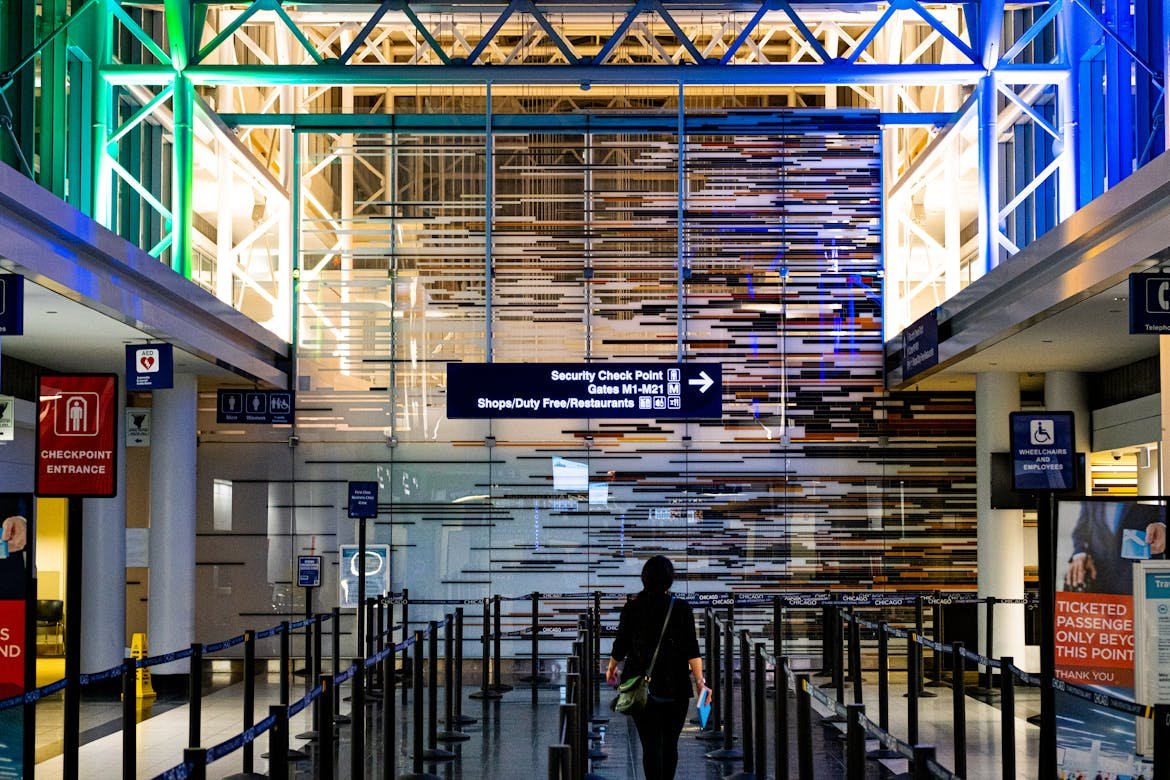
For the first time since 2006, shoe removal during TSA security checks is officially a thing of the past. Homeland Security Secretary Kristi Noem announced on July 8, 2025, that all U.S. airports are ending the nearly two-decade-old “shoes-off” policy. This follows successful pilot programs showing that modern screening technology can detect threats without requiring travelers to remove footwear.
The controversial rule was introduced in response to the infamous 2001 “shoe bomber” incident, when Richard Reid attempted to ignite explosives hidden in his shoes aboard a flight from Paris to Miami. The original policy aimed to enhance security, but as technology evolved, the blanket requirement became less necessary.
Modernization of Security Technology
TSA has upgraded to advanced scanners and imaging systems capable of detecting prohibited items hidden in shoes, rendering the old rule obsolete. Secretary Noem emphasized that this change won’t compromise safety, thanks to a multi-layered security approach including identity verification, CT scanners, and explosive trace detection.
The new policy eradicates delays caused by mandatory shoe removal, but random checks are still possible. Travelers may be asked to remove their shoes if additional screening is deemed necessary—for instance, if a scanner is triggered or for higher-risk individuals.
Improved Traveler Experience
Airports nationwide, from Portland, Maine, to Denver and Missouri regional hubs, are enacting the new policy immediately. The federal announcement indicates that the change will ease congestion at checkpoints and speed up passenger throughput.
Passenger reactions have been overwhelmingly positive, with many expressing relief about improved hygiene (no longer standing in bare feet) and faster security lines. Packed terminals have begun to reflect the policy change, though travelers should continue to follow guidance in case additional screening is required.