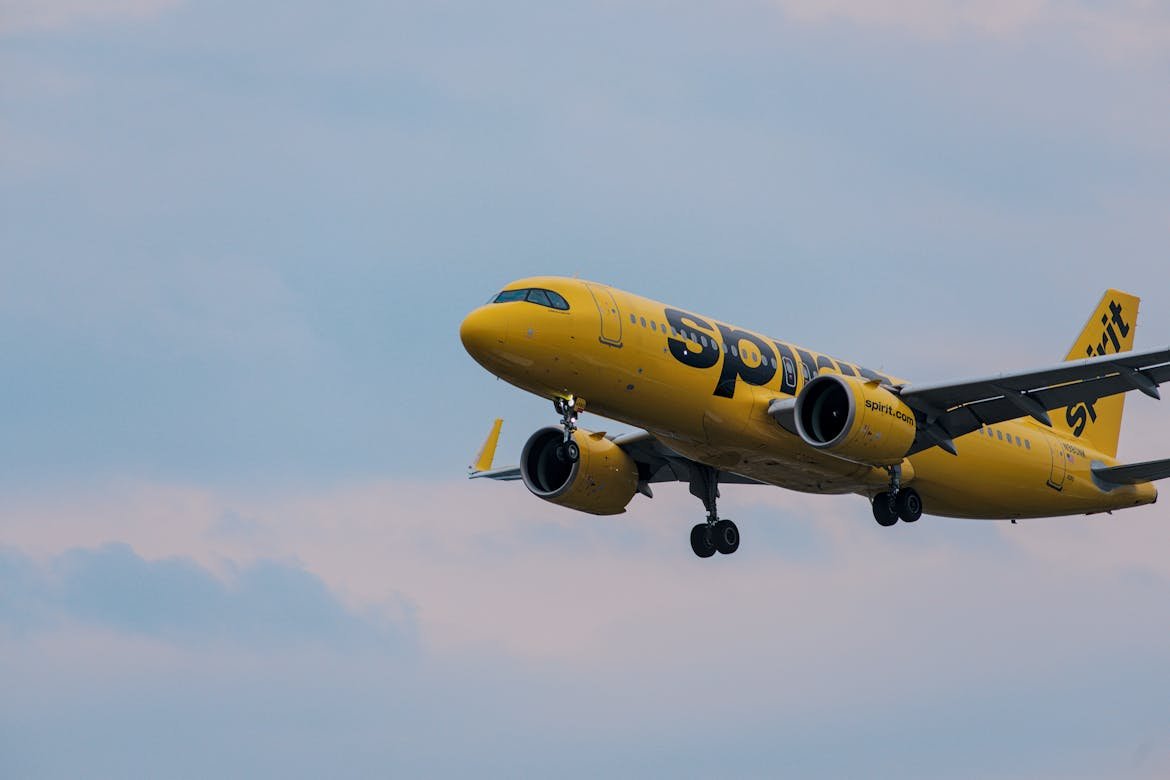
Spirit Airlines is moving ahead with an aggressive restructuring plan that will significantly shrink its fleet and reshape its business as it works to emerge from Chapter 11 bankruptcy protection. The ultra-low-cost carrier now expects to operate between 76 and 80 aircraft by the third quarter, a sharp reduction from the 214 planes it had before filing for bankruptcy in August.
The airline has already made substantial progress in downsizing, reporting a current fleet of around 125 aircraft. As part of the restructuring, Spirit plans to phase out older Airbus A320 and A321 models or return them to lessors, reducing both operational complexity and long-term maintenance costs. The strategy marks a clear shift away from the aggressive expansion approach that contributed to its financial difficulties.
Spirit has also taken steps to strengthen its financial position. The company has submitted a reorganization plan to the U.S. Bankruptcy Court in New York, alongside a restructuring support agreement with creditors. Under the plan, Spirit aims to cut its total debt and lease obligations from approximately $7.4 billion to around $2 billion, significantly improving its balance sheet ahead of a planned exit from bankruptcy in early summer.
A key part of the restructuring involves generating liquidity through asset sales. The bankruptcy court has approved the auction of 20 aircraft, including Airbus A320 and A321 models, with a minimum expected sale price of more than $530 million. These proceeds are expected to support the airline’s efforts to stabilize its finances during the transition period.
At the same time, Spirit is refocusing its network strategy. The airline plans to concentrate operations on its strongest and most profitable markets, including Fort Lauderdale, Orlando, Detroit and the New York area. Less profitable routes and off-peak flights will be reduced, while aircraft utilization will be increased during high-demand periods. This approach aligns more closely with other ultra-low-cost carriers that have maintained profitability by focusing on efficiency and seasonal demand.
However, the restructuring comes amid a challenging operating environment. Rising jet fuel prices, driven in part by geopolitical tensions linked to the Iran conflict, have emerged as a significant risk factor for the airline. Fuel costs have surged in recent months, putting additional pressure on carriers like Spirit, where fuel represents a larger share of overall expenses compared to full-service airlines.
The company has already reported significant financial losses, including a negative operating margin in 2025, highlighting the urgency of its turnaround efforts. Industry analysts note that Spirit will need to see rapid improvements in performance after exiting bankruptcy to ensure long-term stability.
With a smaller fleet, reduced debt and a more focused route network, Spirit is aiming to reposition itself within the competitive U.S. aviation market. Whether the strategy will be enough to restore profitability will depend on market conditions, fuel costs and the airline’s ability to execute its restructuring plan effectively.