
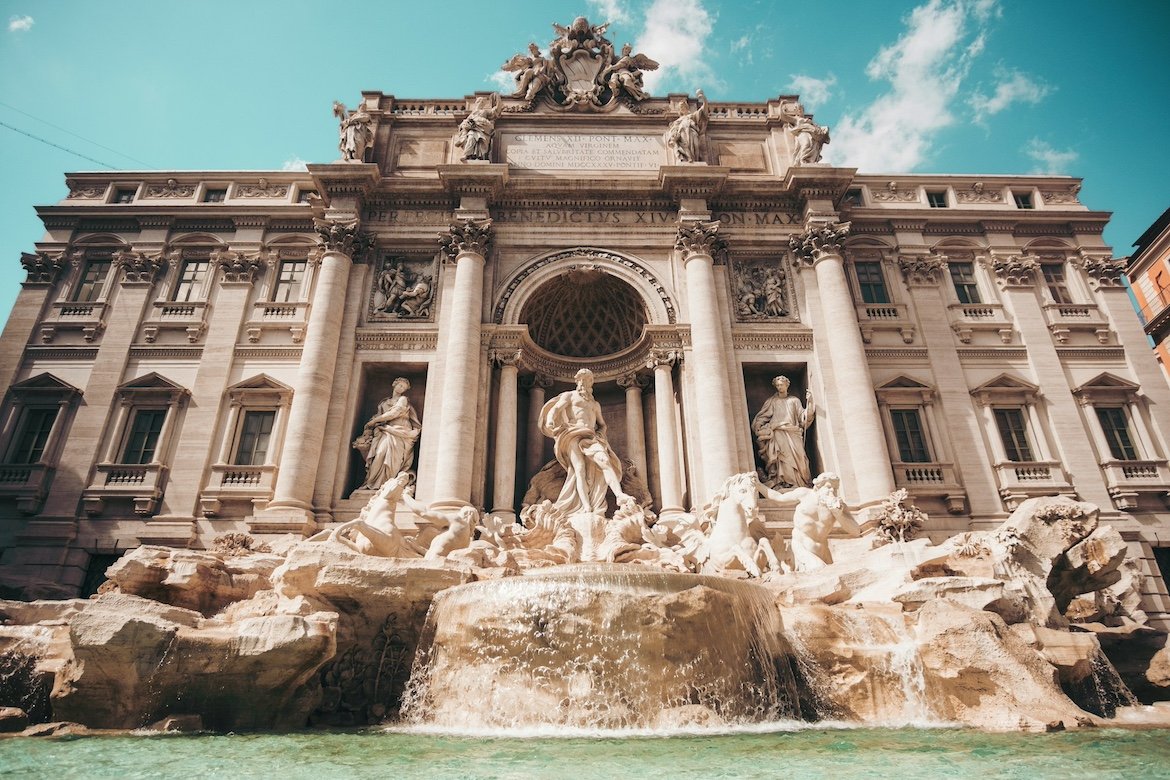
Rome is preparing to take a significant step in managing overtourism by introducing a new access fee for one of its most famous landmarks, the Trevi Fountain. From February 1, 2026, tourists will be required to pay €2 to enter the stone steps and close-up viewing area surrounding the fountain during designated daytime hours.
The move reflects growing pressure on the city to balance global demand with preservation, safety, and quality of experience in one of the most congested parts of the historic center.
The Trevi Fountain attracts extraordinary numbers of visitors, with daily crowds averaging around 30,000 people and surging to as many as 70,000 on peak days. In recent years, Rome has already introduced queue systems and visitor caps, limiting access to 400 people at a time between morning and evening hours.
City officials say the new fee builds on those measures by adding a modest financial barrier designed not to discourage visitors, but to regulate flows and reduce chaos at the site.
Why Rome Is Introducing the Fee
City leaders describe the €2 charge as a practical tool rather than a revenue grab. The fee is intended to support conservation efforts, cover staffing and crowd-control costs, and protect the monument from excessive wear.
While the coins traditionally tossed into the fountain are donated to charity, the new access revenue will be directed toward maintenance and visitor management. Officials estimate the system could generate approximately €6.5 million annually, funds that will be reinvested into preserving the site.
Rome’s mayor has emphasized that the fee is deliberately low to remain accessible while still encouraging more orderly behavior. The policy mirrors similar initiatives already introduced elsewhere in Italy, including paid entry to the Pantheon and Venice’s day-tripper access system.
Together, these measures signal a broader shift in how Italian cities approach mass tourism, prioritizing sustainability and livability alongside cultural access.
How the New System Will Work
The fee will apply daily from 9 a.m. to 10 p.m., including days when other major sites traditionally offer free admission. Visitors will be able to pay in advance, at ticket points, or while waiting in line. After nightfall, access to the fountain’s immediate area will remain free, allowing evening visitors to enjoy the site without charge.
Several exemptions have been built into the system. Residents of Rome, children aged five and under, and visitors with disabilities along with their companions will not be required to pay. Those who prefer not to purchase a ticket can still admire the fountain from the surrounding square, which remains open and unrestricted.
City officials argue that the goal is not exclusion, but improved quality of experience. By reducing congestion around the basin, authorities hope to create a safer, calmer environment where visitors can better appreciate the late Baroque masterpiece and its history. If successful, the Trevi Fountain model could become a template for managing access to other heavily visited landmarks across Rome.
As global tourism continues to rebound, Rome’s decision highlights a growing recognition that iconic destinations may need new rules to survive their own popularity.