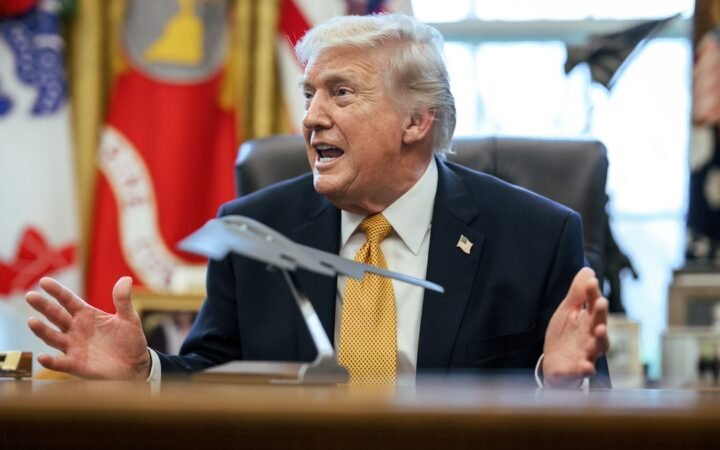

Florida has moved to rename Palm Beach International Airport after President Donald Trump, turning one of the state’s better-known gateways into a more openly political piece of infrastructure. Gov. Ron DeSantis signed the legislation this week, and the change is set to take effect on July 1. While the airport’s operational role will remain the same, its public identity is being reshaped in a way that goes beyond local branding.
Palm Beach International has long been closely associated with Trump because of its proximity to Mar-a-Lago and its role in his regular travel to and from South Florida. That made the airport an obvious candidate for symbolic renaming once the political will existed to do it. But what makes the move notable is not just the location. It is the fact that an airport, one of the most public-facing pieces of travel infrastructure in any region, is being used to reinforce a political identity in a highly visible way.
Airports are usually named for presidents, civic figures, or local historical references after long periods of public acceptance or post-presidential legacy building. This case feels different because it involves a sitting president and arrives in the middle of a highly polarized political climate. That shifts the meaning of the decision. The airport is no longer simply a transport asset with a geographic label. It becomes part of a broader political narrative that travelers will encounter every time they book, land, depart, or read a route map.
A Local Decision With Wider Travel Symbolism
The practical impact for passengers may be limited at first. Travelers will still use the same airport, the same runways, and the same general access points. But names matter in travel because they shape public recognition, regional identity, and the language used across booking systems, airline communications, and tourism promotion. When an airport name changes, it enters every layer of the passenger journey, from tickets and maps to media coverage and destination perception.
That is why this decision may resonate beyond Florida. Palm Beach is a high-profile destination tied to wealth, politics, and seasonal luxury travel. Renaming its main airport after Trump strengthens that association and may further blur the line between destination branding and political messaging. Supporters will see the move as an appropriate tribute. Critics will view it as another example of public institutions being pulled into partisan identity battles.
There is also a broader travel industry question in the background. Airports are meant to function as neutral gateways, even when they carry symbolic names. The more explicitly political the branding becomes, the more those spaces risk reflecting national division rather than shared public use.
In that sense, the Palm Beach renaming is about more than a sign over an entrance. It shows how travel infrastructure can become part of a larger cultural contest over recognition, legacy, and public space. The planes will keep landing, and the baggage belts will keep moving. But the airport’s role in American political symbolism has now become much harder to separate from its role in travel.