Airlines are starting to pass the cost of the Middle East conflict directly to passengers as jet fuel prices surge and network planning becomes more difficult. Across Asia, Europe, Oceania, and North America, carriers are responding with a mix of fare increases, fuel surcharges, and capacity cuts. What began as a commodity shock is now becoming a broader travel pricing issue, especially for spring and summer bookings.
The underlying problem is straightforward. The war involving Iran, combined with disruption tied to the Strait of Hormuz and refinery attacks in the region, has pushed oil and jet fuel sharply higher. For airlines, fuel remains one of the largest operating costs, and the scale of the current increase is large enough that many carriers say they cannot absorb it without changing prices or schedules.
Fuel Costs Are Moving Into Ticket Prices
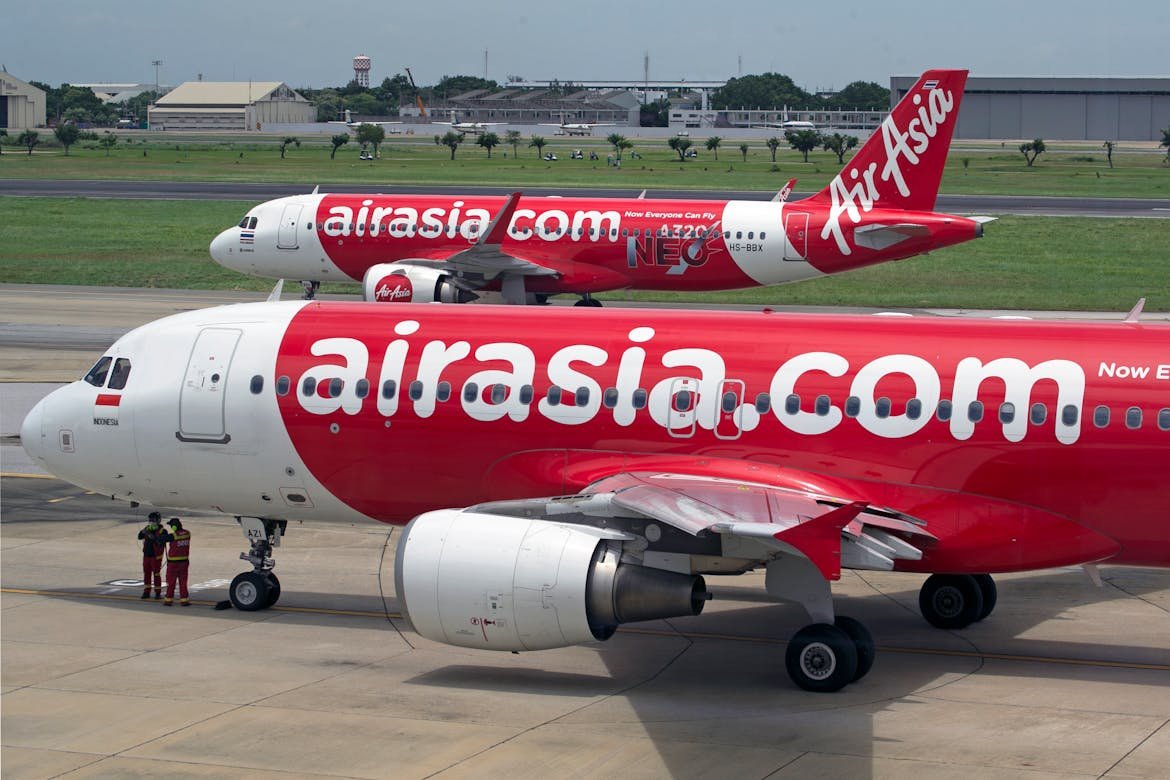
Some airlines are adjusting fares directly, while others are adding separate surcharges. Cathay Pacific, AirAsia, Thai Airways, Qantas, SAS, and Air New Zealand are among the carriers that have already announced pricing changes. In some cases, the increases are modest on short routes and more substantial on long-haul flights. In others, fuel surcharges are being reviewed every few weeks as market conditions remain unstable.
The impact is particularly visible on international routes where surcharges are easier to isolate. For travelers, that means the total cost of a trip can rise even when the base fare appears stable. It also means award bookings are not necessarily protected, since many carriers apply fuel-related charges to tickets booked with points as well as cash.
This creates a difficult balancing act for airlines. They need higher fares to offset fuel costs, but they also risk weakening demand if households begin to cut discretionary travel. That tension is particularly serious for low-cost carriers and price-sensitive short-haul markets, where travelers can more easily delay trips or switch to rail and other alternatives.
Capacity Cuts Are Becoming Part of the Response
Pricing is only one side of the adjustment. Airlines are also trimming schedules to protect margins and avoid flying weaker demand at a time of higher fuel burn. United has said it will cut about 5% of planned flights in the short term, while SAS is preparing to cancel at least 1,000 flights in April. Air New Zealand has also reduced services, and Vietnam Airlines is suspending selected domestic routes as fuel supply pressure adds another layer of risk.
That matters because schedule reductions can push fares even higher. When fewer seats are available, especially on routes where demand remains solid, airlines gain more room to pass through cost increases. In effect, capacity discipline becomes part of the pricing strategy.
A Tougher Market for Travelers and Weaker Airlines
The current shock is likely to widen the gap between stronger and weaker carriers. Airlines with fuel hedging, healthier balance sheets, and stronger corporate demand are better positioned to absorb volatility. Those with lower margins or more price-sensitive passenger bases may face sharper pressure if costs stay elevated and consumers start pulling back.
For travelers, the message is becoming clearer. The Middle East crisis is no longer just affecting airspace and routing decisions. It is now flowing directly into ticket prices, flight availability, and the economics of summer travel. Even if the conflict eases, fares may not fall quickly. Once airlines reset pricing and trim capacity, the market can take time to normalize. That leaves the industry facing a familiar but uncomfortable reality: when fuel spikes hard enough, the entire travel chain feels it.