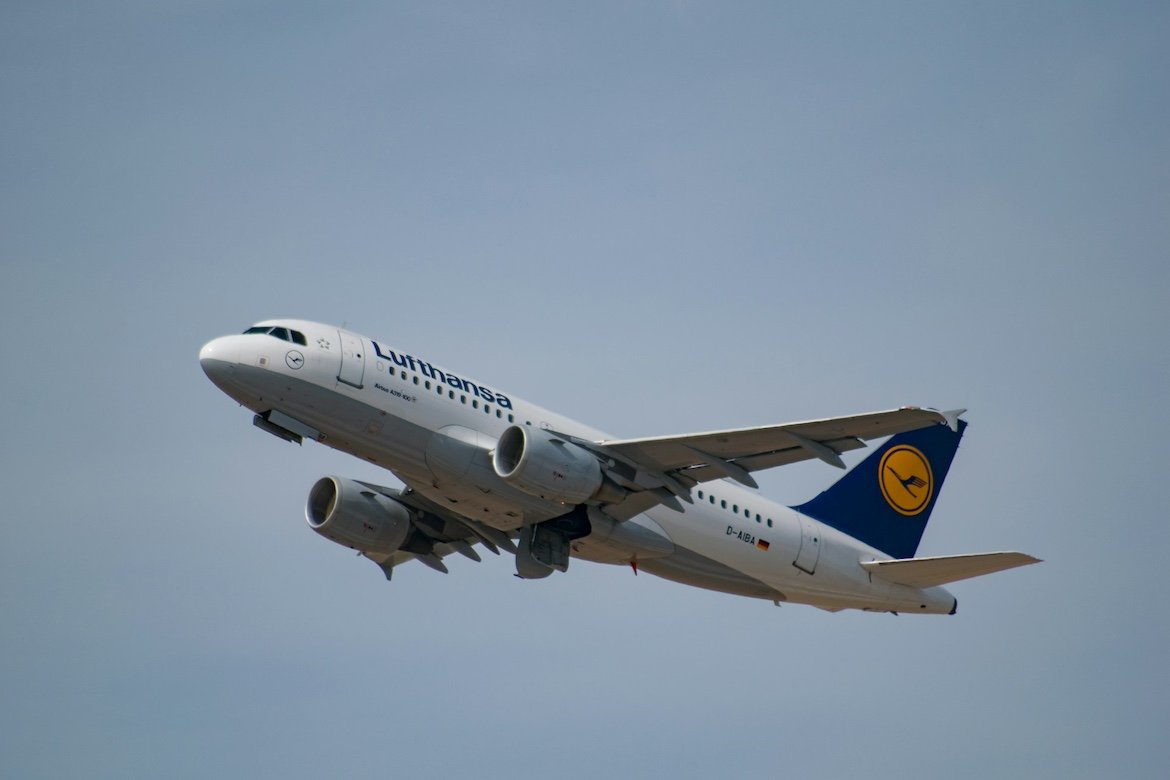
Lufthansa is redirecting aircraft capacity away from Middle Eastern routes and toward destinations in Asia as the ongoing conflict involving the United States, Israel and Iran continues to disrupt global air travel.
The German airline group said it had canceled services to 10 destinations in the region and is reallocating those resources to long-haul markets where demand remains strong.
The move reflects broader adjustments taking place across the aviation industry as carriers respond to airspace closures, operational disruptions and growing geopolitical uncertainty. Several European airlines have already suspended flights to parts of the Middle East, prompting a shift in network planning toward alternative routes.
For Lufthansa, the reallocation of flights is also helping to meet demand on long-distance services that some Middle Eastern carriers are currently unable to operate due to the conflict. The airline said routes to destinations such as Singapore and Bangkok are among those receiving additional capacity as the situation evolves.
Airlines across Europe are making similar adjustments, including budget carrier Wizz Air, as the regional conflict reshapes international flight patterns and passenger demand. The disruption has also affected airline stock performance, with aviation shares falling during the week following escalating military activity and rising oil prices.
Lufthansa chief executive Carsten Spohr acknowledged the broader implications of the situation for the aviation industry. “The war in the Middle East proves once again how exposed air traffic is and how vulnerable it remains,” Spohr said in a statement, adding that uncertainty surrounding jet fuel prices could create additional challenges for airlines.
Strong Demand on Long-Haul Routes Despite Uncertainty
Despite the disruption to Middle Eastern routes, Lufthansa reported strong demand on long-haul flights to Asia and Africa since the conflict began. The airline plans to continue expanding its long-distance network and is preparing to launch additional Asian routes in the coming days.
The shift in capacity comes as the airline reported stronger-than-expected financial results for 2025. Lufthansa said tighter financial management and investments in fleet modernization helped improve profitability and offset cost pressures.
The group reported an adjusted operating profit of around €2 billion for the year, surpassing analyst forecasts and rising from €1.6 billion recorded in 2024. Operating margins also improved to 4.9 percent, compared with 4.4 percent a year earlier.
Lower fuel expenses also supported the airline’s performance. Lufthansa’s fuel bill declined by about 7 percent in 2025, helping maintain stable earnings despite fluctuating passenger demand and operational challenges across parts of the network.
Spohr emphasized that the airline’s results highlight the resilience of the company’s diversified business model. “Last year we were able to significantly increase the Group’s operating profit and achieved the highest revenue in our history. Our results demonstrate the resilience and stability of the Group,” he said.
However, the outlook for 2026 remains uncertain due to geopolitical risks and volatile energy prices. Brent crude oil prices have jumped more than 20 percent since the conflict escalated, raising concerns about higher fuel costs across the aviation industry.
Lufthansa said it remains partly protected from short-term price spikes because it hedges fuel purchases up to two years in advance. According to the company’s annual report, around 85 percent of its fuel requirements were hedged as of the end of 2025.
Looking ahead, the airline plans to continue expanding capacity while targeting operating margins of between 8 percent and 10 percent by the end of the decade, though ongoing geopolitical tensions could complicate those ambitions.