The 2025 Global Peace Index (GPI), compiled annually by the Institute for Economics & Peace, underscores a sobering global trend – declining peace amidst rising conflict and militarization. Yet, amid this turbulent backdrop, certain nations continue to stand out as bastions of tranquility and safety.
Iceland Holds the Top Spot for 18th Year
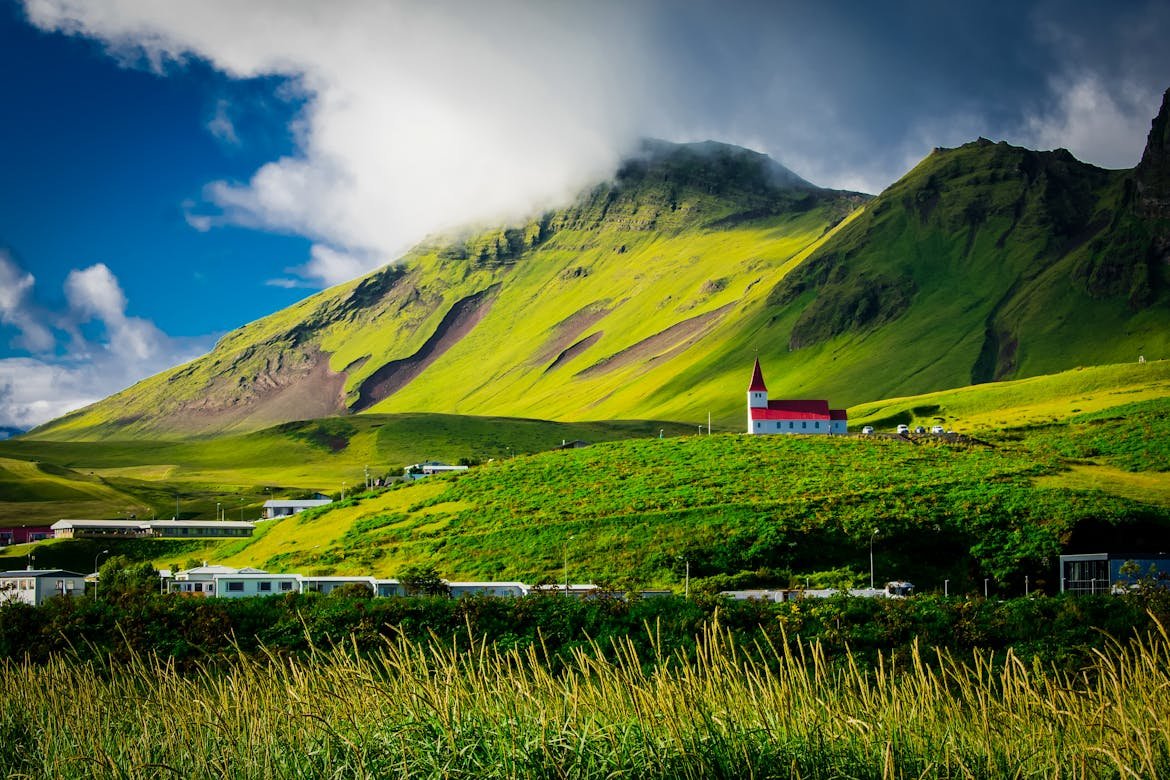
Iceland once again claims the No. 1 position as the most peaceful country in the world – a distinction it has held unwaveringly since 2008. This Nordic nation’s minimal crime rates, lack of military, and high societal trust ensure its leading position. Its unique character – marked by geothermal landscapes, peaceful public life, and strong democratic institutions – continues to reinforce its global reputation as a model of peaceful coexistence.
Despite the glossy imagery of global turmoil, Iceland’s consistency offers a counter-narrative: peace as a product of sustained investment in positive social structures and cultural cooperation.
Honorable Mentions: A Cluster of Peaceful Nations
Trailing Iceland in the rankings are Ireland, New Zealand, Austria, and Switzerland – each noted for unique strengths:
- Ireland shines with its neutrality, low militarization, and robust social safety net.
- New Zealand earns praise for its strict gun laws, low terrorism risk, and overall harmony.
- Austria and Switzerland both benefit from strong governance, history of peace, and quality of life factors.
Moving further down the rankings are Singapore, Portugal, Denmark, Slovenia, and Finland – all reflecting low conflict involvement, social cohesiveness, and progressive governance.
Global Peace in Context: What the Index Reveals
This year’s GPI signals a troubling global shift. On average, peacefulness deteriorated by a fractional percentage – the 13th decline in the last 17 years. Reports point to rising militarization and ongoing conflicts as key contributors. Meanwhile, improvements are seen in areas like crime perception and homicide reductions, though these gains are uneven and weaker than the losses in peace caused by broader instability.
Geopolitically, Western and Central Europe remain the world’s most peaceful region, hosting eight of the top ten nations. Yet even here, the broader trend shows slight erosion in peace levels – highlighting that even traditionally safe places are not immune to geopolitical tensions.
At the other end of the spectrum, countries experiencing persistent conflict or authoritarian repression – such as Russia, Ukraine, Sudan, and Yemen – register among the lowest levels of peace on the index.
Why This Matters for Travelers
For travelers and global citizens alike, the GPI offers a useful compass. Destinations like Iceland, New Zealand, and Switzerland not only promise physical safety, but also deliver governance stability, healthcare access, and strong civic trust. The index inadvertently becomes a proxy for travel safety, societal well-being, and even investment confidence.
Choosing peaceful nations for travel or long-term stays means more than low crime – it reflects commitment to civil society, inclusivity, and institutional resilience.