


Explore the City of Angels, from the heights of the Griffith Observatory to the artistic depths of The Broad. Our guide covers eig...
Tenerife Travel Guide 2026
| Updatedby Yuliya Karotkaya · 9 mins read
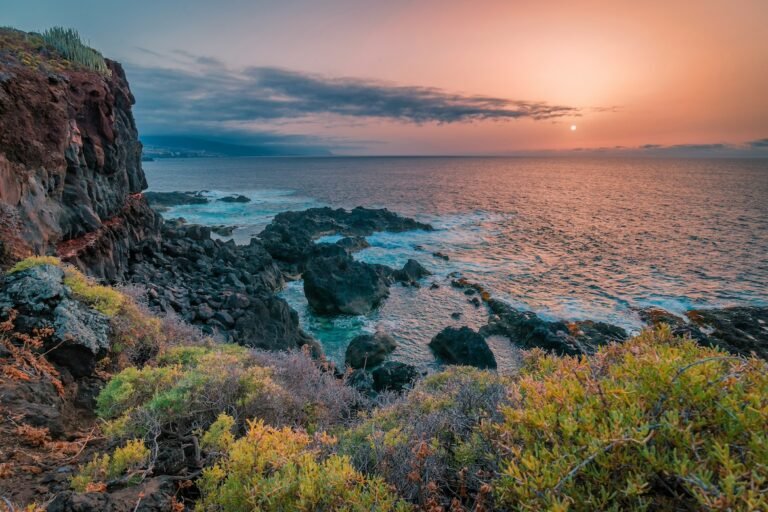
Explore Tenerife, the “Island of Eternal Spring.” Our guide covers the volcanic wonders of Mount Teide, the prehistoric laurel forests of Anaga, hidden mountain villages, and essential tips for finding authentic Canarian cuisine and the best stargazing spots in the world.
Welcome to Tenerife, the largest and most diverse of Spain’s Canary Islands. Dominated by the colossal Mount Teide, the highest peak in Spain, this island is a dramatic playground of volcanic landscapes, ancient laurel forests, and golden beaches.
Whether you are seeking the sun-drenched resorts of the south or the rugged, misty mountains of the north, Tenerife offers a prehistoric beauty combined with vibrant Spanish culture. It is an island where you can hike through a pine forest in the morning and relax under a palm tree by the Atlantic in the afternoon.
Must See
Tenerife is defined by its extreme geographical contrasts. From the lunar landscapes of its volcanic center to the colonial charm of its northern towns, these are the essential spots you cannot miss.
Teide National Park
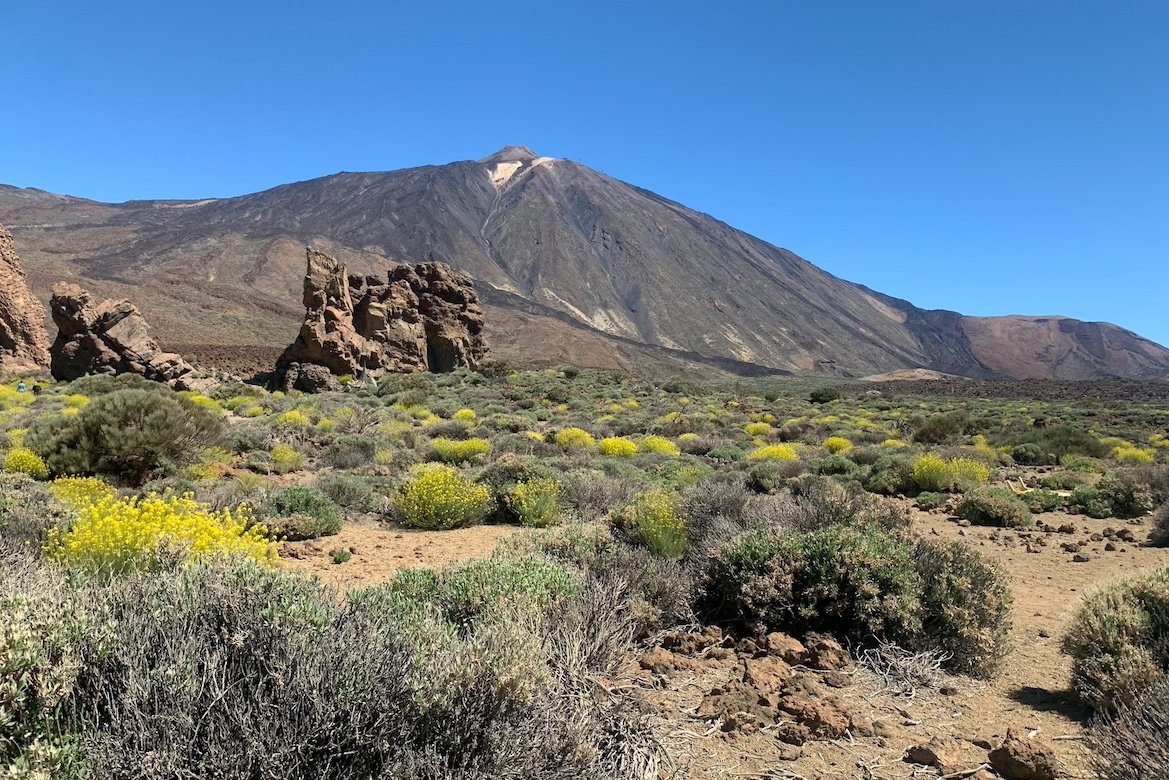
The heart of the island is Teide National Park, a UNESCO World Heritage site and home to the majestic Mount Teide. This volcanic wonderland features a massive caldera filled with hardened lava flows, colorful rock formations, and unique flora that feels like the surface of another planet.
You can take a cable car near the summit for breathtaking views of the entire archipelago or hike the many trails that crisscross the crater floor. It is the most visited national park in Spain and an absolute must for any visitor.
Anaga Rural Park
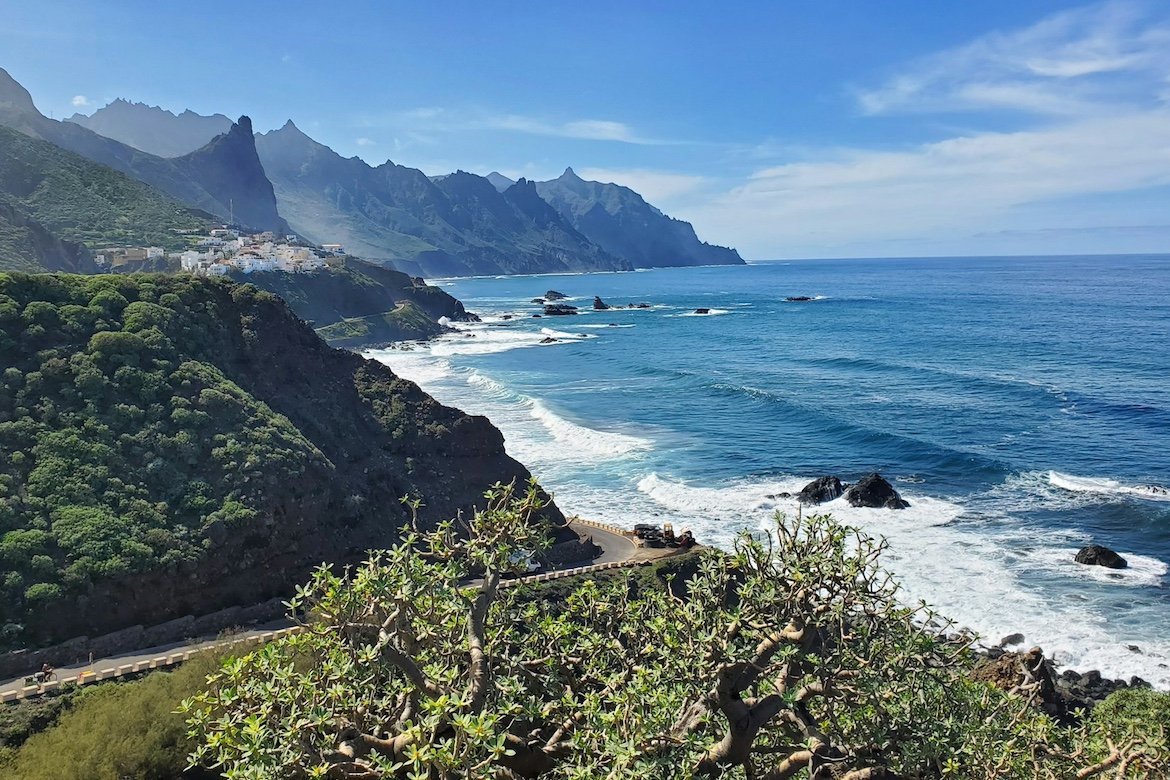
In the northeastern corner of the island lies Anaga Rural Park, an ancient massif characterized by sharp peaks and deep ravines covered in lush laurel forests. This “Enchanted Forest” is often shrouded in mist, creating a mystical atmosphere for hikers and nature lovers.
The park is home to remote villages like Taganana, where traditional life continues amidst dramatic coastal views. It offers a stark, green contrast to the arid landscapes found in the south of the island.
Los Gigantes Cliffs
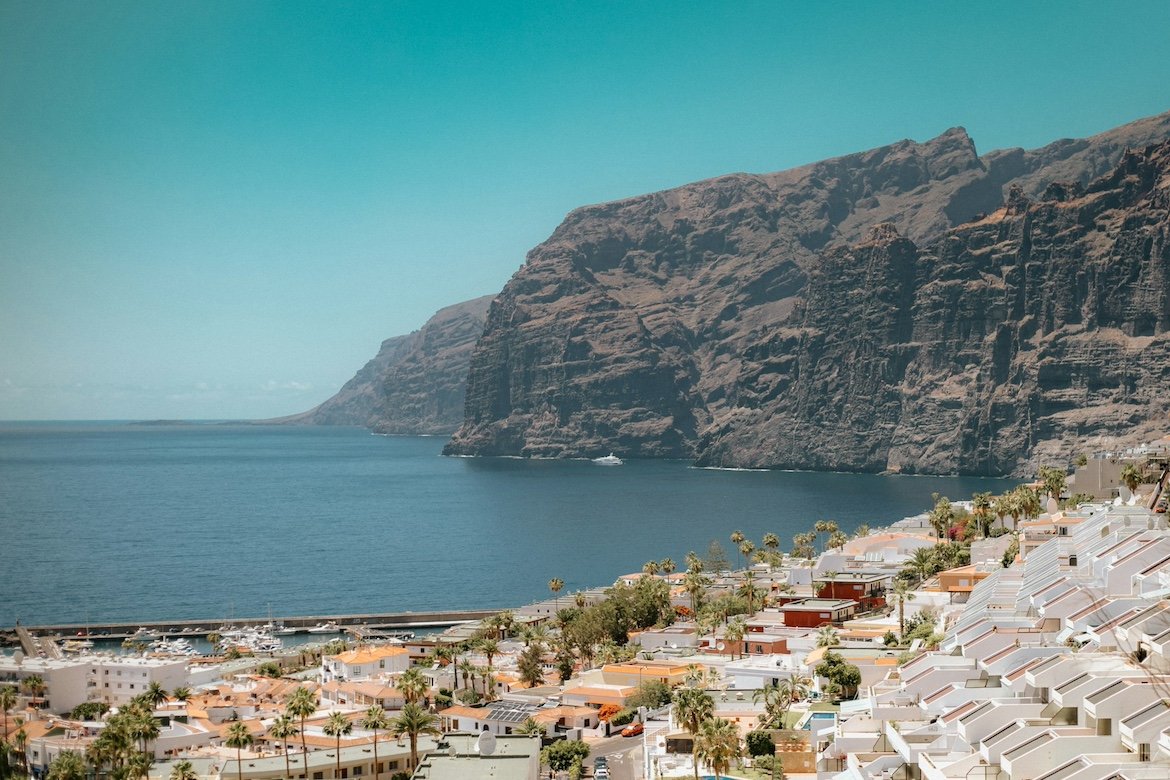
The Acantilados de Los Gigantes are gargantuan basalt rock walls that plunge vertically into the Atlantic Ocean from heights of up to 600 meters. These “Giants” protect the western coast and create a stunning backdrop for the nearby town and marina.
The best way to appreciate their scale is from the water on a boat tour, where you can often spot dolphins playing at the base of the cliffs. The small black sand beach at their foot offers one of the most dramatic swimming spots on the island.
Masca Valley and Village
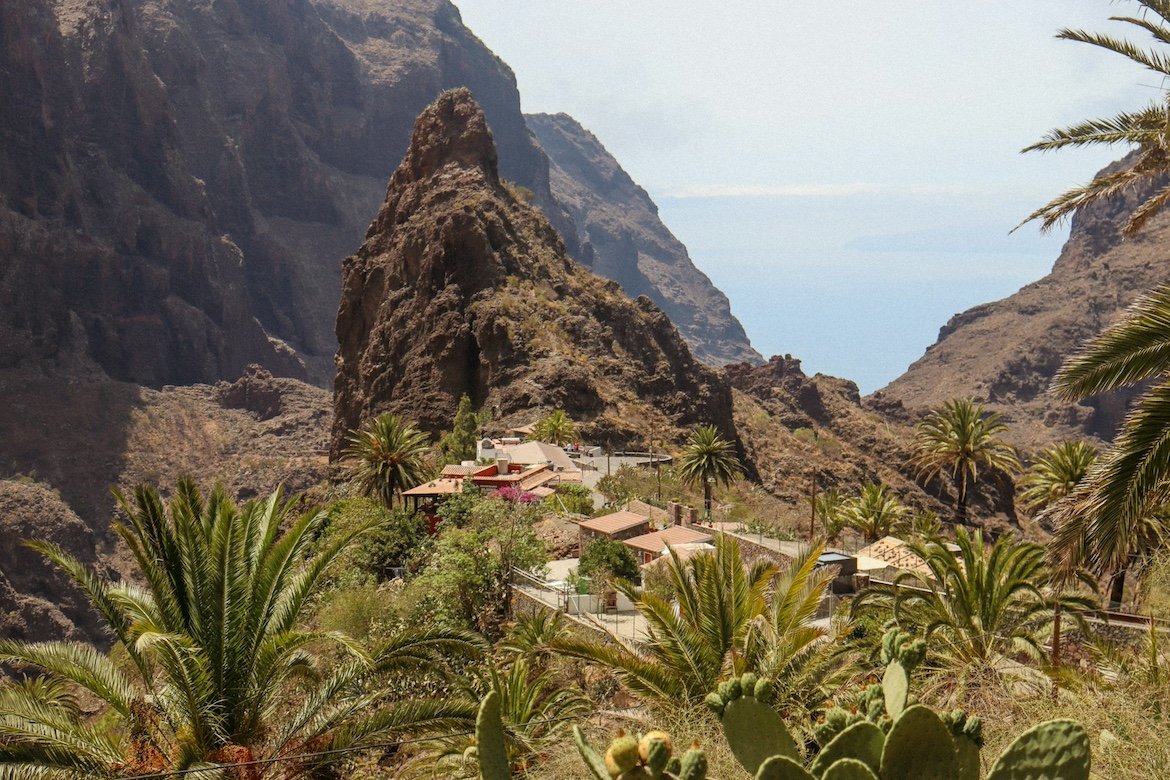
Often described as the “Macchu Picchu of the Canaries,” the tiny village of Masca is perched precariously on a mountain ridge deep within a spectacular gorge. The drive to the village is an adventure in itself, featuring tight hairpin turns and stunning vistas at every corner.
Once there, you can explore the traditional stone houses and enjoy some of the most iconic views in Tenerife. It is a testament to how the island’s inhabitants adapted to the rugged volcanic terrain over centuries.
San Cristóbal de La Laguna
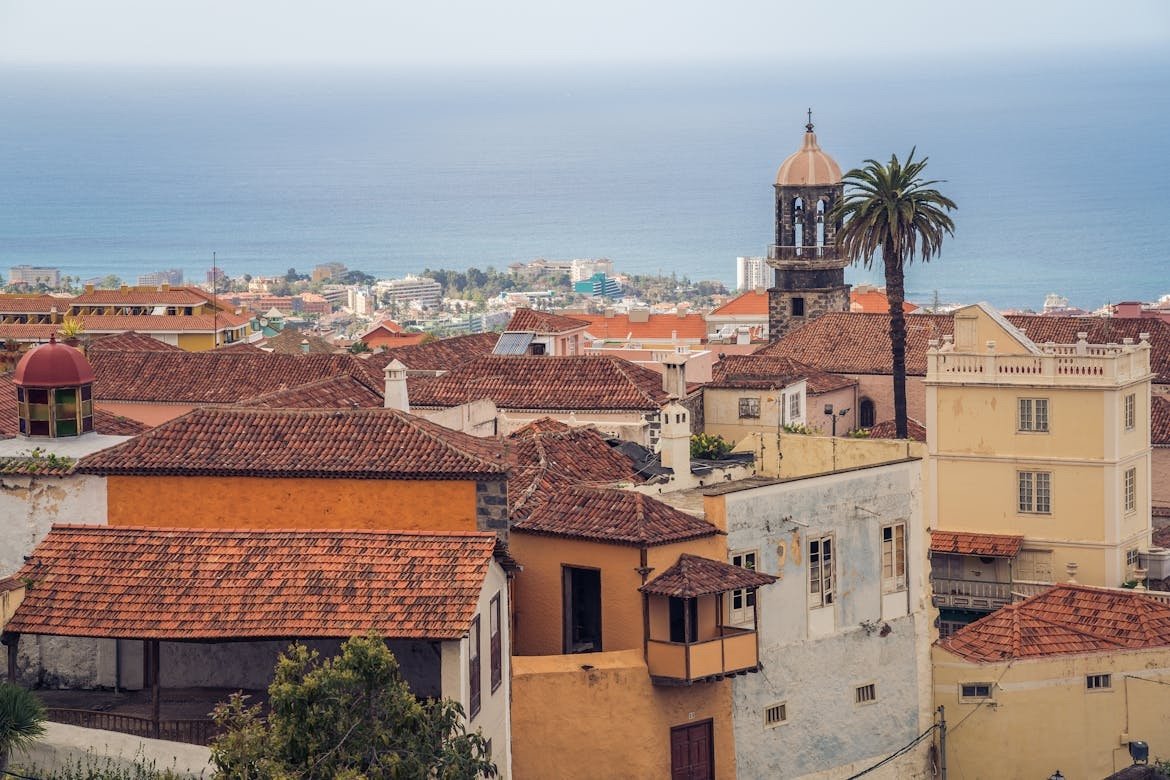
As a UNESCO World Heritage city, La Laguna was the first capital of Tenerife and served as a model for many colonial cities in the Americas. Its historic center is a beautifully preserved grid of colorful 16th and 17th-century mansions, hidden courtyards, and elegant churches.
The city has a vibrant, youthful energy thanks to its university, filled with cozy cafes, tapas bars, and boutique shops. Walking through its pedestrianized streets feels like stepping back into the golden age of Spanish exploration.
Garachico Natural Pools (El Caletón)
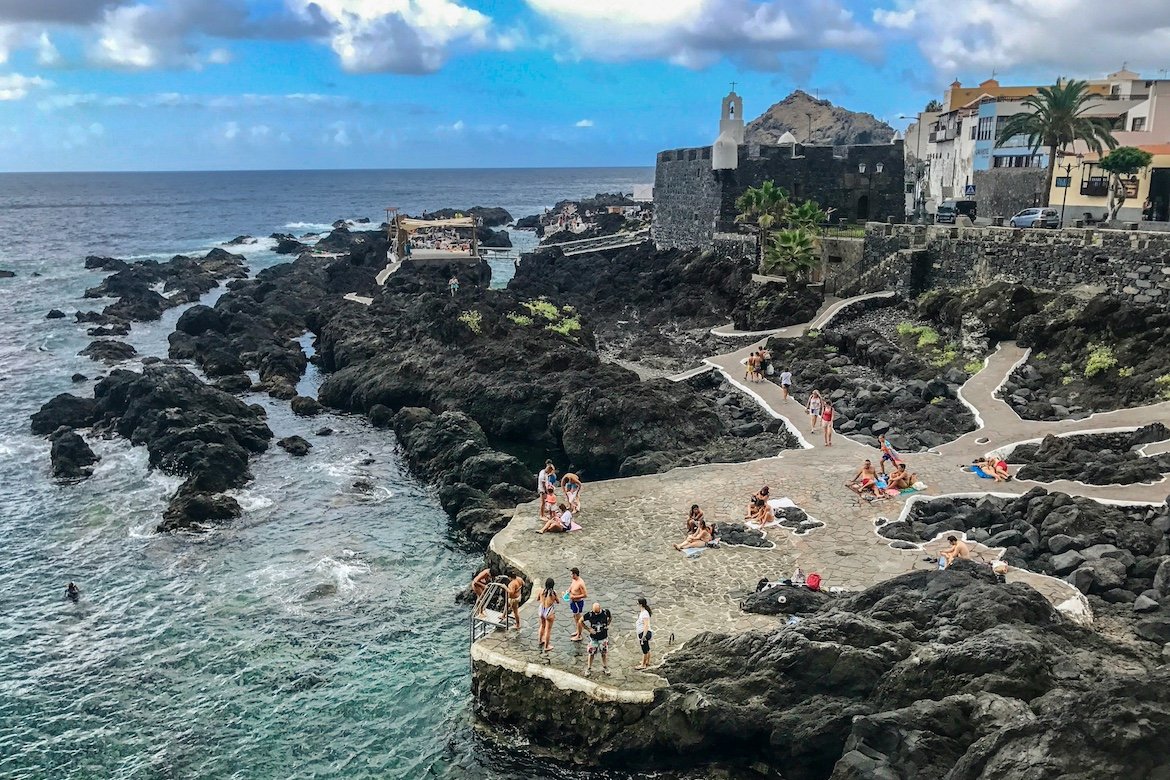
Located on the northern coast, the historic town of Garachico is famous for its natural swimming pools, known as El Caletón. These pools were formed during a massive volcanic eruption in 1706 when hot lava flowed into the cold Atlantic, creating a series of protected rock basins.
Swimming in these calm, crystal-clear tidal pools surrounded by raw black volcanic rock is a unique and refreshing Canarian experience. The surrounding town, which survived the eruption, is also beautifully preserved and worth exploring.
Cueva del Viento
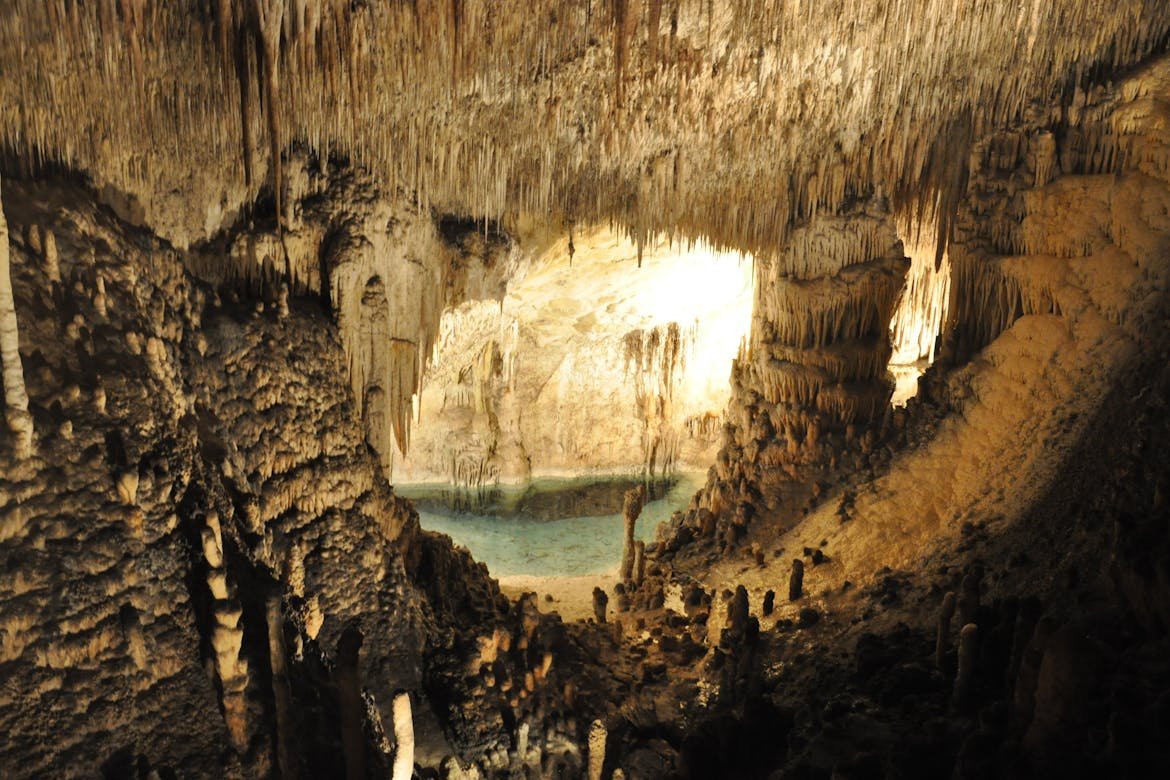
Tenerife is home to the Cueva del Viento, one of the largest volcanic tubes in the world, formed by lava flows from Mount Teide thousands of years ago. Guided tours take you deep underground to explore the labyrinthine tunnels and learn about the unique geological processes that shaped the island.
It is a fascinating, slightly eerie experience that allows you to see the “plumbing” of a volcano from the inside. Be sure to book your tour in advance, as group sizes are strictly limited to protect the cave’s environment.
Santa Cruz de Tenerife
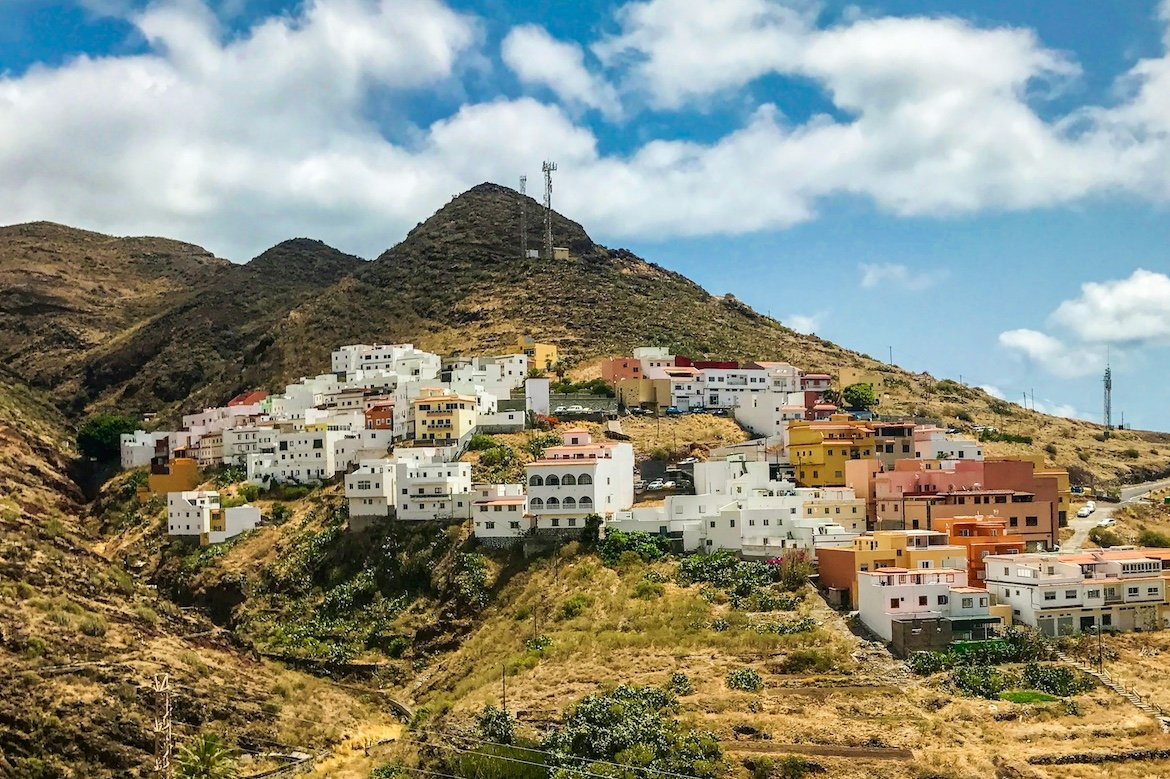
The island’s modern capital, Santa Cruz, is a bustling port city known for its avant-garde architecture, specifically the wave-like Auditorio de Tenerife. The city offers excellent shopping along Calle Castillo, beautiful urban parks like Parque García Sanabria, and the stunning Las Teresitas beach just a short drive away.
It is also the epicenter of the famous Carnival of Santa Cruz, which is second only to Rio de Janeiro in scale and color. The city provides a perfect blend of modern Canary Island life and historic charm.
Culture, Cuisine & Unique Experiences
Tenerife’s culture is a blend of traditional Spanish customs and unique “Guanche” (aboriginal) heritage. This section focuses on the authentic tastes and experiences that make the island truly special.
Dine at a Guachinche
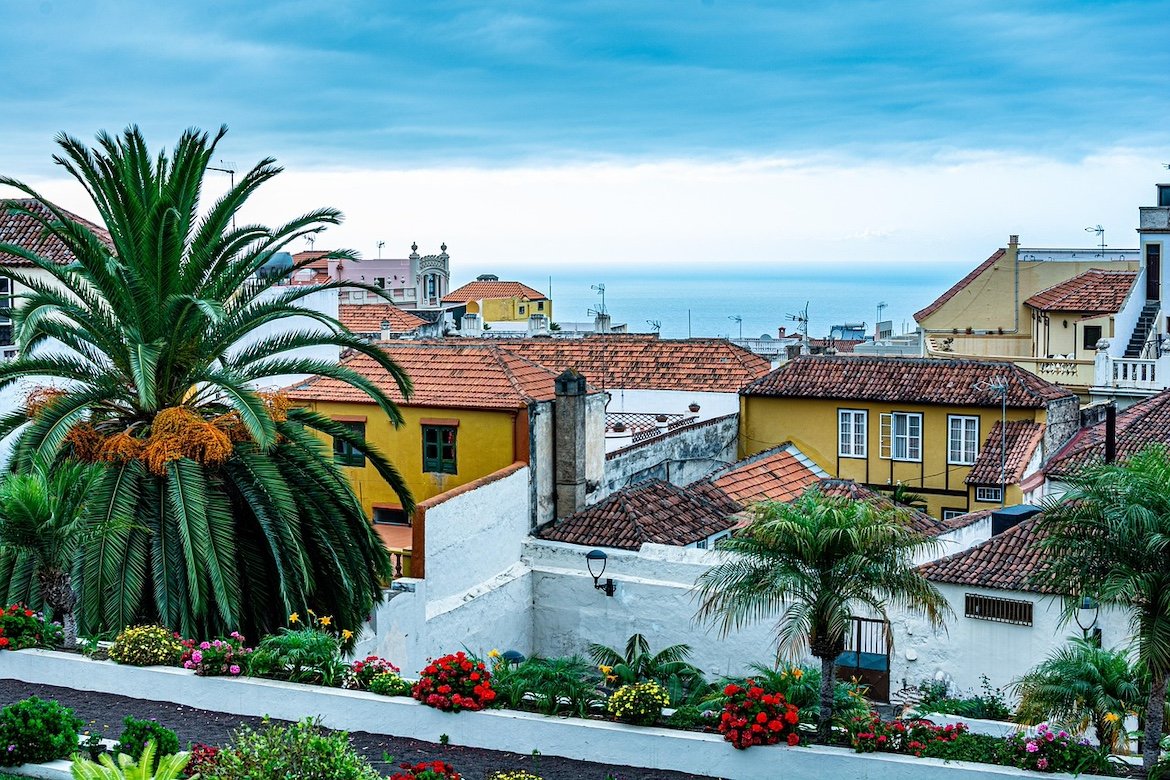
For the most authentic culinary experience, seek out a Guachinche. These are traditional, rustic eateries found mostly in the north, typically located in the garages or courtyards of local vineyards. They serve home-cooked Canarian food and local wine at incredibly low prices, often with a very limited menu of 3 or 4 dishes. Look for handmade signs on the roadside in areas like La Matanza or Santa Úrsula to find these hidden gems.
Whale and Dolphin Watching
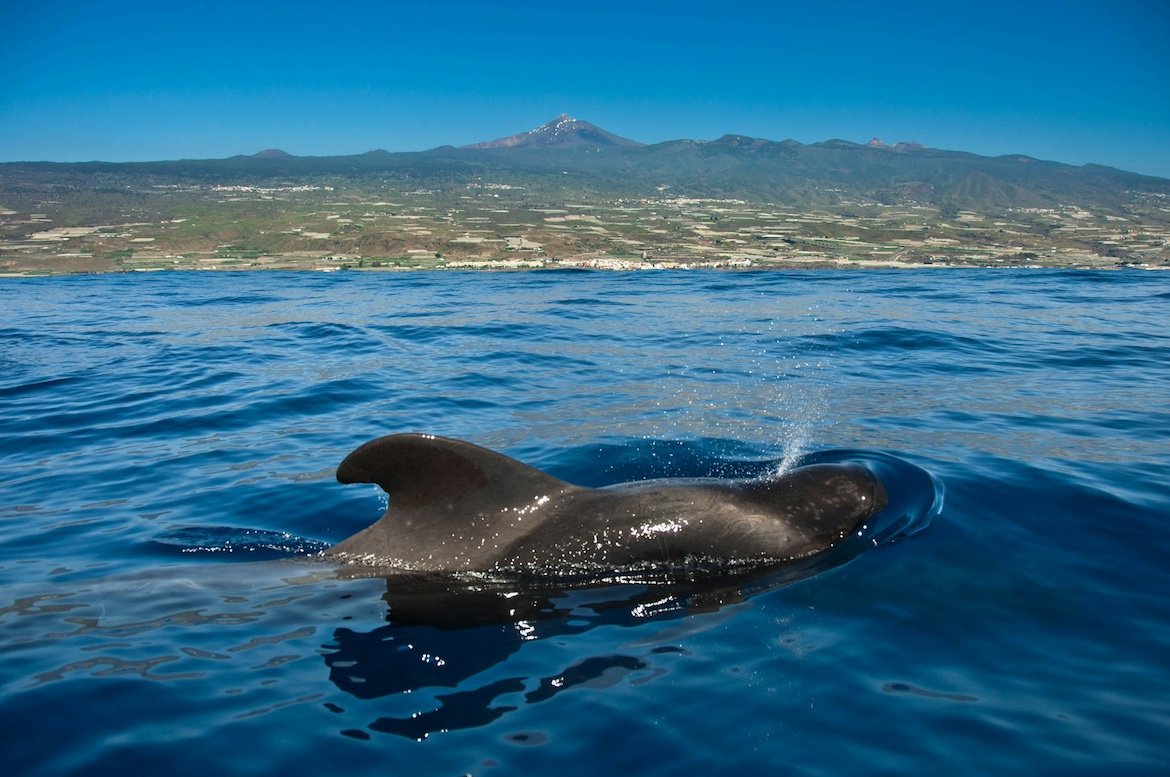
The channel between Tenerife and La Gomera is a permanent home to colonies of pilot whales and bottlenose dolphins, making it one of the best spots in Europe for marine life. Numerous eco-certified boat tours depart from Los Cristianos or Costa Adeje, offering a high chance of sightings year-round.
Many tours also include stops for swimming and snorkeling in secluded bays. It is a powerful way to connect with the Atlantic’s biodiversity in a responsible manner.
Taste Papas Arrugadas and Mojo
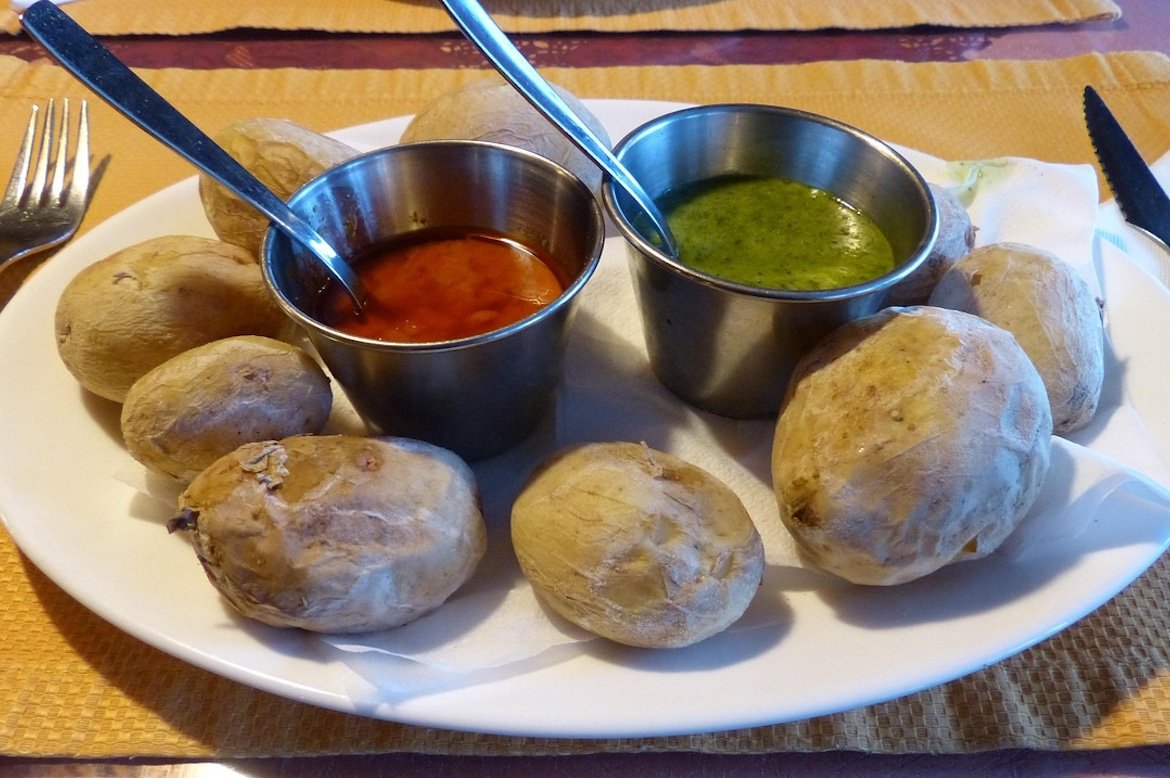
The quintessential Canarian dish is Papas Arrugadas (wrinkly potatoes), which are small local potatoes boiled in very salty water until their skins shrivel and are covered in a fine salt crust. They are always served with two types of Mojo sauce: Mojo Rojo (spicy red) and Mojo Verde (coriander or parsley-based). This simple but addictive dish is found in every restaurant on the island and is a staple of the local diet. It perfectly represents the rustic, flavor-focused nature of Canarian cuisine.
Stargazing at Mount Teide
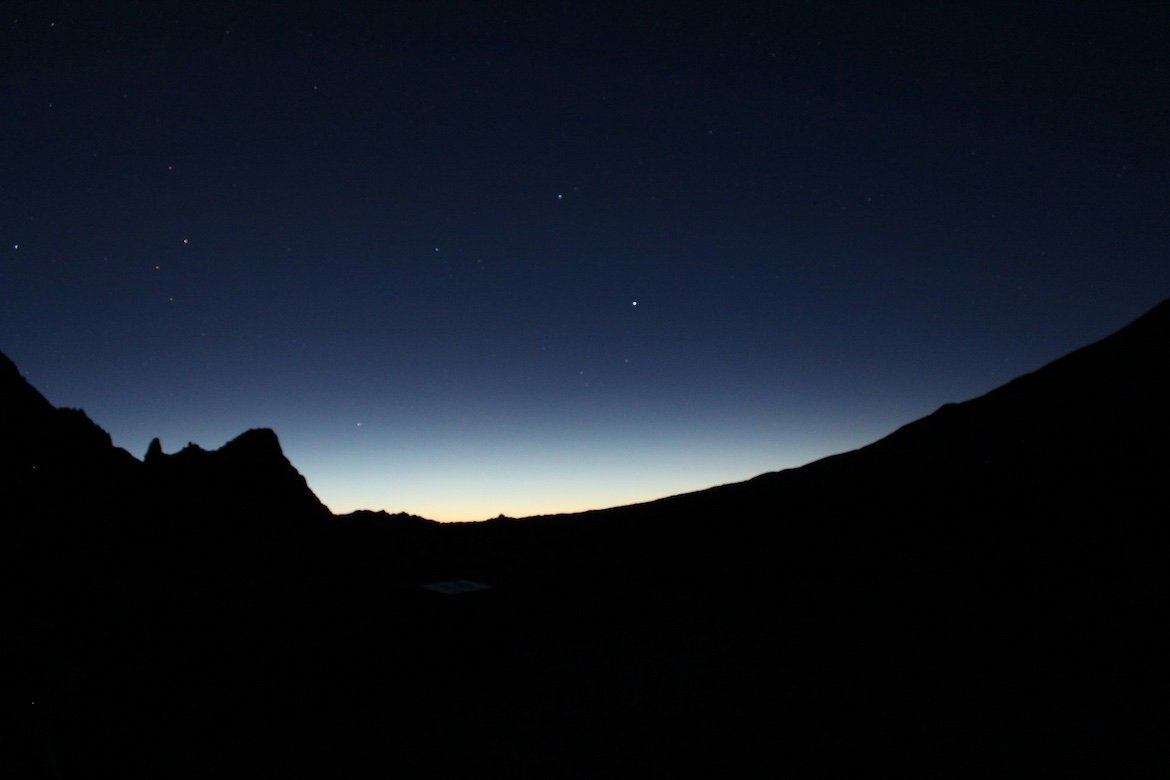
Thanks to its high altitude and low light pollution, Tenerife is one of the best places on Earth for stargazing. The Teide Observatory is a world-class scientific facility, but you don’t need a telescope to be amazed by the night sky here.
Many tour operators offer “Sunset and Stars” experiences that include a glass of local sparkling wine at 2,000 meters followed by an expert-led tour of the constellations. Seeing the Milky Way stretched across the volcanic silence of the park is a deeply moving experience.
Explore the Wine Tradition at Casa del Vino
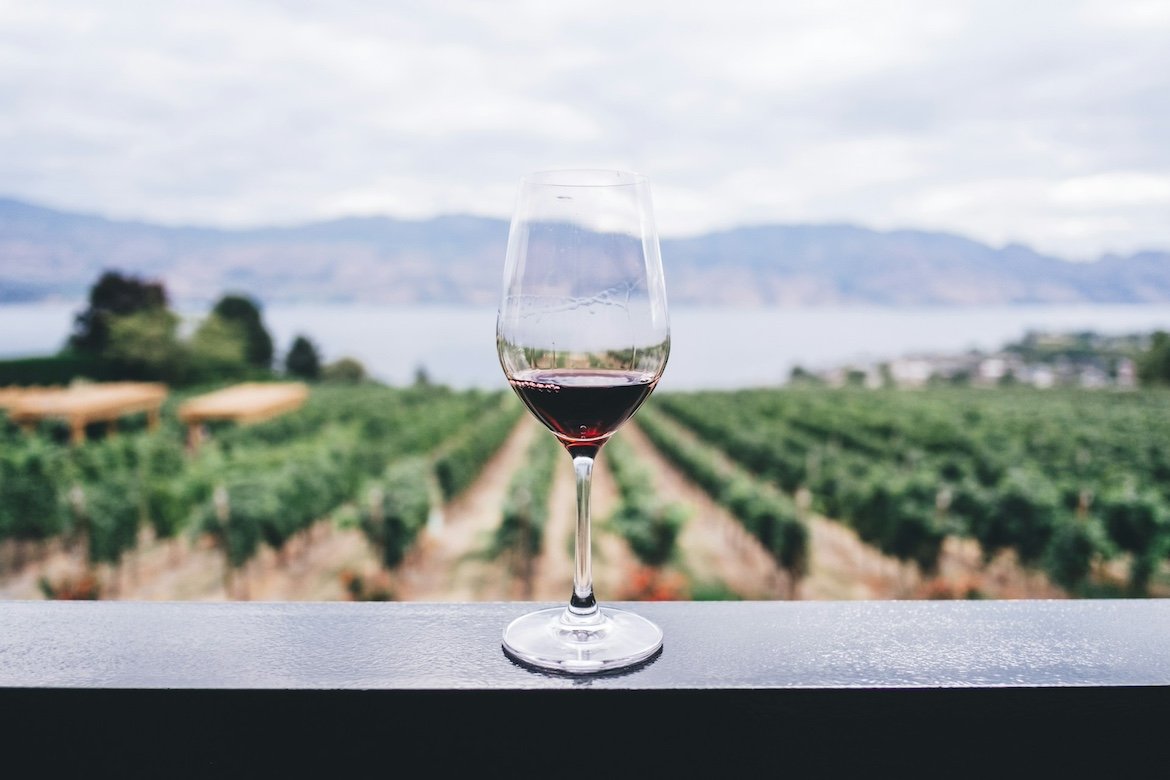
Tenerife has a long and proud history of winemaking, with vines grown in rich volcanic soil that gives the wine a unique, smoky character. Visit Casa del Vino in El Sauzal, a beautiful 17th-century estate that houses a wine museum and a tasting room.
You can sample various local varietals, including the famous Malvasia, which was highly prized by Shakespeare and European royalty. The estate also offers stunning views of the northern coast and Mount Teide.
Tips & Tricks
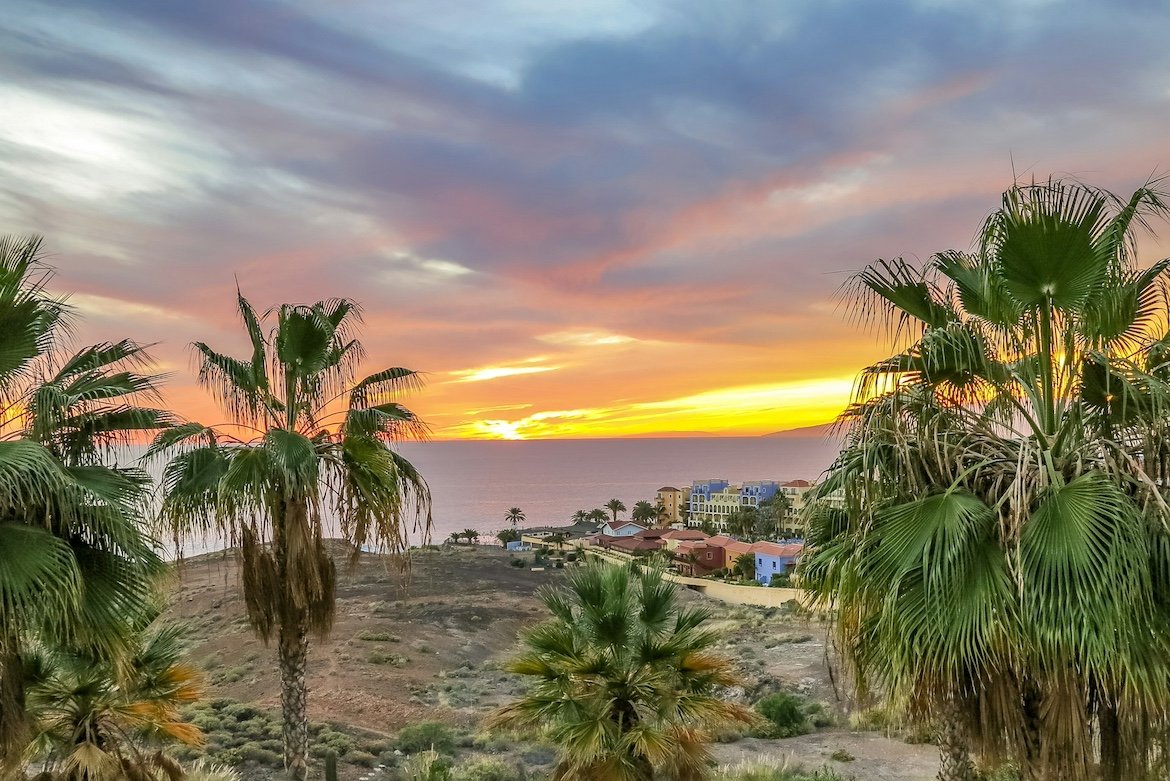
Tenerife is easy to travel, but the microclimates and steep terrain require some specialized knowledge to get the most out of your trip.
-
Rent a Car for Flexibility: Public buses (TITSA) are decent, but a car is essential for reaching Masca, Anaga, and the remote parts of Teide. Book a car with a decent engine, as the mountain roads are extremely steep.
-
Understand the “Microclimates”: The north is often 5-7 degrees cooler and cloudier than the south. Always check the weather for your specific destination, not just “Tenerife,” before setting out for the day.
-
Book Teide Permits Early: If you want to hike to the very summit of Teide (beyond the cable car station), you need a free permit from the national park website. These often sell out 2-3 months in advance.
-
Drink Bottled Water: While tap water is safe for hygiene, it is desalinated and has a chemical taste that most find unpleasant. Buy large jugs of mineral water from local supermarkets.
-
Pack for All Seasons: You can be sunbathing in 25°C on the beach and an hour later be at 2,000 meters where it is 5°C with biting winds. Always carry a warm jacket and long trousers if visiting the national park.
-
Respect the Siesta: Outside of the main tourist zones in the south, many shops and family-run restaurants close between 1:30 PM and 4:30 PM. Plan your errands and lunches accordingly.
-
Avoid the “Tourist Menus”: In the south, avoid restaurants with pictures of food on boards. Walk a few streets back from the seafront to find authentic Canarian spots where the locals eat.
Tenerife is much more than just a sun-and-sand destination; it is an island of profound natural beauty and deep-rooted traditions. From the prehistoric heights of Mount Teide to the humble charm of a northern guachinche, it offers a sensory experience that stays with you long after you leave.
Whether you come for the adventure, the food, or the eternal sunshine, Tenerife remains the undeniable crown jewel of the Canary Islands.
guides
Los Angeles Travel Guide 2026
March 18th, 2026
Tenerife Travel Guide 2026
February 6th, 2026
Malta Travel Guide 2026
January 22nd, 2026
Explore Tenerife, the "Island of Eternal Spring." Our guide covers the volcanic wonders of Mount Teide, the prehistoric laurel for...
Explore Malta, the historic heart of the Mediterranean. Our guide covers the baroque beauty of Valletta, the ancient "Silent City"...