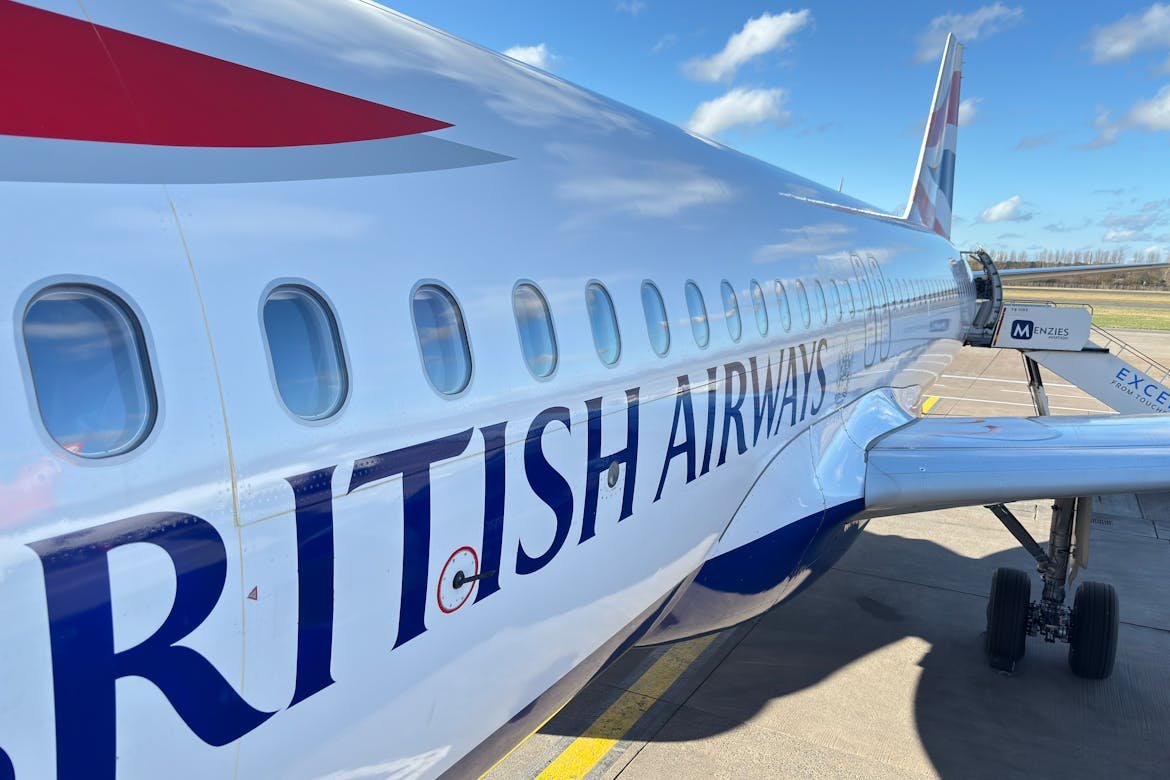
British Airways is considering a new incentive that would pay pilots more if the airline collectively reduces fuel burn and carbon emissions. Under the proposal, pilots could receive a bonus worth up to 1% of base salary if flight crews meet a target tied to emissions reductions beyond 2025 levels. The plan is expected to go to a union vote in late April and, if approved, would take effect next year.
On its face, the idea is easy to understand. Fuel remains one of the largest airline costs, and carriers are again facing pressure from higher energy prices and tighter environmental expectations. In that context, asking pilots to help identify small savings across thousands of flights looks less like a symbolic climate measure and more like an operational margin strategy.
British Airways has framed the proposal around behaviors that remain consistent with normal safety standards and sound decision-making. That matters, because the core debate is not whether fuel efficiency is good in principle. It is whether attaching pay to fuel use risks nudging pilots toward choices that are technically acceptable but less conservative than they might otherwise make.
Why the Idea Looks Commercially Sensible
There are practical ways pilots can influence fuel use without changing the fundamentals of flight safety. Airlines can save fuel through adjusted taxiing practices, more disciplined engine use on the ground, and tighter planning around how much discretionary fuel is loaded beyond regulatory minimums. None of those areas are new, and carriers have been trying to improve them for years.
That is why the proposal may appeal to management. It ties an employee incentive to a measurable cost category, and it does so in a way that supports the airline’s emissions agenda at the same time. If the savings are achieved collectively rather than by ranking individual crews, British Airways may also hope to avoid creating an overly competitive culture around fuel use.
The timing also makes strategic sense. Airlines across global markets are looking for ways to offset fuel volatility, whether through surcharges, fare increases, route cuts, or tighter cost control. Compared with those moves, rewarding pilots for better fuel discipline may appear to be a relatively low-friction lever.
Where the Risk Starts to Appear
The issue is not that pilots would suddenly disregard safety rules. Commercial aviation already operates within strict fuel reserve requirements, and captains retain responsibility for final decisions. The concern is narrower and more subtle: a bonus structure could put pressure on judgment at the margins, especially when decisions involve how much extra buffer to carry for weather, holding, or minor disruption.
That may not create an unsafe system, but it can still create a more constrained one. When incentives are tied to annual targets, even small behavioral changes can accumulate across an organization. Passengers are unlikely to object to smarter taxiing, but they may be less comfortable if cost discipline begins to influence how much flexibility crews preserve in normal operations.
That is what makes the British Airways proposal both smart and risky. Smart, because it targets a major expense with a tool that could improve efficiency without cutting service. Risky, because it brings financial incentives into an area where caution has traditionally been protected from commercial pressure. The balance between those two outcomes will depend less on the headline policy than on how narrowly, and how carefully, it is put into practice.