Lufthansa Group Agrees Pay Deal With Ground Workers Union
Lufthansa Group reached a 26-month wage agreement with Verdi covering more than 20,000 ground employees in Germany. The deal removes the immediate risk of labor disruption in a key part of the carrier’s operation.
Lufthansa Group said it has agreed a new collective bargaining deal with Verdi, the union representing more than 20,000 ground workers. The 26-month agreement covers employees in Germany and includes a 4.6 percent pay increase in two stages beginning January 1, 2026.
The airline said the agreement was reached without industrial action, helping avoid additional disruption for passengers and operations. Verdi represents about 20 percent of Lufthansa Group’s total workforce, giving the settlement broader weight for the company’s labor relations and cost planning. Executive board member Michael Niggemann described the outcome as a workable compromise that provides reliability during a period marked by geopolitical pressure and economic uncertainty.
The agreement addresses one of Lufthansa’s major labor fronts, but it does not close the wider picture. The group is still in discussions with pilots’ union Vereinigung Cockpit over the company’s pension arrangements, a dispute that has already triggered two major pilot strikes this year. Lufthansa said it recently presented a more comprehensive pension proposal, though the union has indicated it sees little meaningful change so far.
For Lufthansa, the Verdi settlement lowers the risk of disruption in airport and ground operations, an area critical to schedule stability and customer service. At the same time, the unresolved pension dispute suggests labor costs and industrial relations will remain a key issue for investors and corporate travel buyers watching the group’s operational reliability.
Eurovision Asia Could Turn Bangkok Into the Region’s Next Major Event-Travel Hub
Eurovision Song Contest Asia is set to debut in Bangkok on November 14, 2026, with 10 countries already confirmed. For travel, the bigger story may be how a cross-border music event could accelerate a wider shift toward experience-led trips across Asia.
Eurovision Song Contest Asia will make its debut in Bangkok in November 2026, giving Thailand the first edition of the contest’s new multi-country Asian format.
The European Broadcasting Union has confirmed the Grand Final for Saturday, November 14, with 10 broadcasters already announced from Bangladesh, Bhutan, Cambodia, Laos, Malaysia, Nepal, the Philippines, South Korea, Thailand, and Vietnam.
More participants are expected to follow, which means the event is arriving not as a one-off concert, but as a regional entertainment platform with built-in cross-border appeal.
For travel, that matters immediately. A music competition that pulls artists, media teams, fan communities, and national broadcaster ecosystems into one city has the ingredients to generate demand well beyond the final itself.
Hotels, short-haul aviation, nightlife, food-and-beverage spending, and pre- and post-event itineraries all stand to benefit if Bangkok becomes the anchor city for an event with repeat regional visibility. Thai tourism officials are already framing the contest as a source of international exposure and support for the country’s creative industries.
Event Travel Is Becoming a Bigger Tourism Driver
The deeper angle is that Eurovision Asia fits a broader travel pattern that has been gaining momentum: people are increasingly traveling not just to see a place, but to take part in something happening there. Concerts, festivals, sports events, fan conventions, and large cultural moments are becoming booking triggers in their own right. In that sense, Eurovision Asia looks less like a TV format expansion and more like another sign that events are becoming destination magnets.
That is especially relevant in Asia, where low-cost connectivity, younger audiences, and strong digital fan cultures can turn cultural events into regional travel drivers very quickly. The BTS effect showed how live entertainment can shape hotel demand, air bookings, and city visibility across markets.
Eurovision Asia may not replicate that scale immediately, but it is built on similar mechanics: fandom, national identity, social media momentum, and the idea that attending the event is part of the experience, not just the afterthought.
Bangkok Fits the New Experience-Led Travel Model
Bangkok is a logical first host because it already functions as a major aviation and leisure gateway, and because it can absorb both regional and long-haul visitors more easily than many rival cities. Organizers and Thai officials have stressed the visibility and tourism upside the contest could generate. That combination matters because experience-led travel works best in cities that already have infrastructure, nightlife, and enough cultural density to turn a single event into a longer stay.
It also connects directly with a younger travel mindset. Gen Z and younger millennial travelers are putting more value on shared moments, cultural relevance, and memory-driven spending than on conventional sightseeing alone, as we explored in our report. Eurovision Asia fits that shift neatly. It gives travelers a reason to book around a date, join a community, and turn a trip into a story.
That is why the launch matters beyond entertainment. If Eurovision Asia lands well, it could help normalize a new regional travel habit: planning trips around live cultural experiences. For Bangkok, that would mean more than a successful hosting job. It would mean positioning itself at the center of one of travel’s more important new demand patterns.
TSA Lines Ease as Back Pay Reaches Workers, but Damage From Shutdown Remains
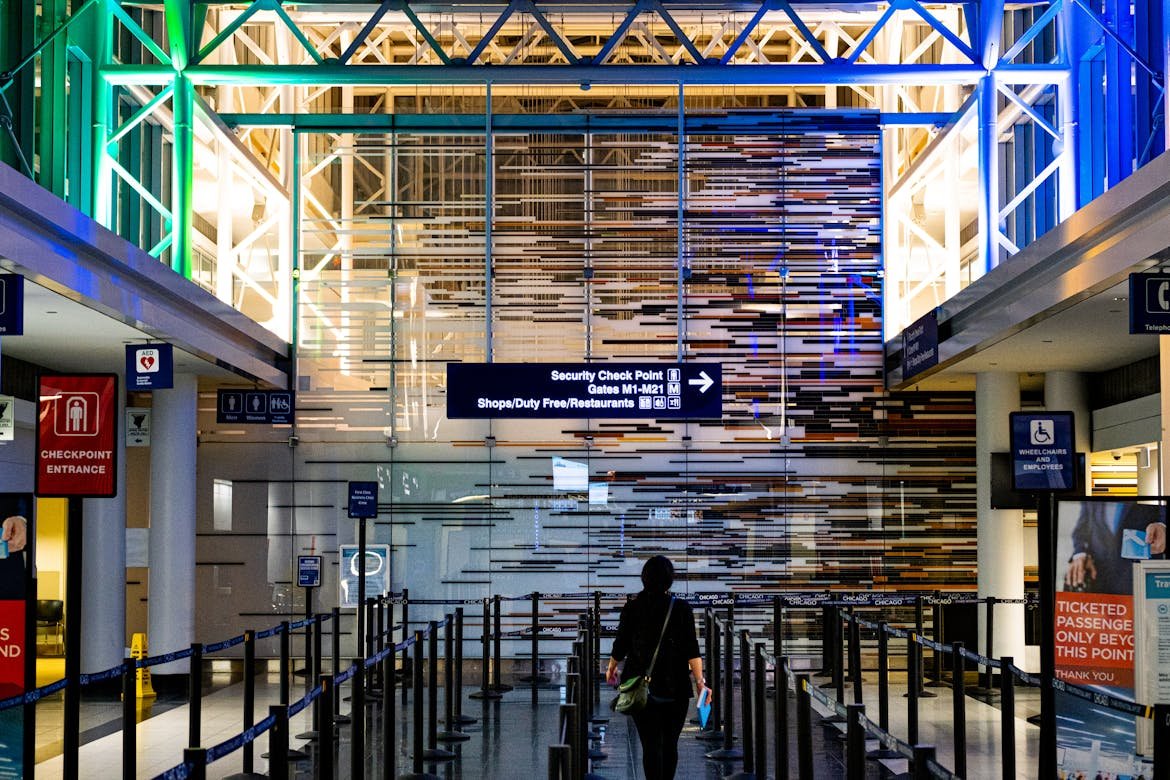
Security lines at several major U.S. airports improved after TSA officers began receiving back pay. But the operational relief does not erase the financial strain, staffing losses, and uncertainty left by the continuing DHS shutdown.
By Christopher Lane | Edited by Yuliya Karotkaya
Published:
Airport security lines improved after back pay reached TSA workers, though the shutdown’s effects are still being felt. Photo: Matthew Turner / Pexels
Security lines at several major U.S. airports improved Monday as Transportation Security Administration officers began receiving back pay after more than six weeks without regular wages. The immediate result was visible at some of the airports that had become symbols of the disruption, including Houston and Atlanta, where wait times fell sharply from the multihour delays seen last week. For travelers, the change suggested that the worst phase of the checkpoint chaos may be easing.
The improvement appears tied to a drop in employee callouts as money began reaching workers’ accounts. At Houston Bush Intercontinental Airport, where long waits had drawn national attention, line estimates fell to minutes by the afternoon. Atlanta also reported much shorter waits, while LaGuardia saw relatively manageable conditions, though JFK remained more uneven. The broad pattern was clear: once at least some back pay began to arrive, staffing pressure at major airports started to loosen.
That matters because the earlier delays were never only a passenger volume issue. They were the direct result of a funding standoff that forced TSA officers to keep working without pay during a busy travel period. As we reported earlier, the first signs of operational improvement were already emerging before the wider fallout from the shutdown had worked its way through the system. The recovery in wait times shows how quickly conditions can improve when staffing levels begin to normalize, but it also highlights how fragile that stability has become.
Faster Checkpoints Do Not Mean the Crisis Is Over
The operational relief has been accompanied by continued complaints from workers and their union about missing money and payroll errors. Some officers reportedly received incorrect amounts, while others were still waiting for part of what they were owed, including overtime or earlier partial paychecks. That means the headline improvement at checkpoints does not yet match the financial reality facing many employees.
The shutdown itself is also unresolved. The Department of Homeland Security remains unfunded, and Congress has left Washington for a two-week recess without a broader agreement. President Trump ordered TSA workers to be paid, but the long-term source and durability of that funding remain unclear. For employees who have spent weeks falling behind on rent, bills, car payments, and credit card balances, one round of back pay may help but does not restore normal financial footing.
A More Lasting Problem for the Workforce
The deeper concern is that the damage may outlast the lines. More than 500 TSA workers have reportedly quit since the shutdown began, and union officials say the broader workforce has taken a severe hit from debt, late fees, evictions, and repossessions. Even if checkpoints keep improving, the agency may still face weaker morale, retention challenges, and reduced trust that future pay interruptions will be avoided.
That has consequences for the wider travel system. TSA staffing is not something airports can rebuild overnight, and financial instability can linger even after the immediate pressure fades. The quicker lines on Monday were a sign of short-term relief, not a clean reset.
For passengers, the message is more encouraging than it was a week ago. Many airports appear to be moving back toward normal operations. But for the TSA workforce, and for a travel system that has once again been exposed to political deadlock, the disruption has left a deeper mark than security wait times alone can show.
Orient Express Opens Second Hotel With Venice Palazzo Debut
Orient Express has opened its second hotel, this time in Venice, as Accor continues to build the brand beyond trains and into a wider luxury travel platform. The new property adds another layer to a strategy that ties hotels, rail, and soon yachting into one premium identity.
By Eleanor Price | Edited by Yuliya Karotkaya
Published:
Updated:
The new Venice opening extends Orient Express from rail heritage into a broader luxury hospitality strategy. Photo: Orient Express
Orient Express has opened its second hotel with the debut of Orient Express Venezia, a 47-key property set inside the 15th-century Palazzo Donà Giovannelli in Venice’s Cannaregio district. The opening gives the brand another high-profile address in Italy and adds momentum to Accor’s effort to rebuild Orient Express as a broader luxury travel platform rather than a heritage rail name alone.
The Venice property follows the opening of Orient Express La Minerva in Rome and arrives as the brand extends into multiple formats at once. In recent years, Accor has been assembling an ultraluxury portfolio under the Orient Express label that now includes hotels, a luxury train, and an upcoming sailing yacht. Venice fits neatly into that strategy because it offers both destination prestige and historical depth, two qualities the company is leaning on heavily as it tries to make the brand feel immersive rather than simply nostalgic.
At the center of the project is the palazzo itself. The building sits in a quieter, more residential part of Venice, away from the most crowded visitor corridors, which gives the hotel a slightly different positioning from the city’s more obvious luxury addresses.
The restoration, which reportedly took eight years, appears designed to preserve that sense of place while translating it into a hotel product. Murals, frescoes, marble fireplaces, Murano chandeliers, and other historical details have been retained, while the interiors fold in contemporary design cues rather than treating the building like a museum piece.
A Brand Expansion Built Around Experience
That approach is consistent with what Orient Express is trying to sell. The company is not just opening luxury hotels. It is trying to construct a travel identity that connects hospitality, transport, and cultural staging under one narrative. In Venice, that means the property is being presented almost as a theatrical setting, with references to the original train carried into details such as the Wagon Bar, an Art Deco-influenced lounge that nods to the classic lounge cars of the old Orient Express.
The food and beverage program also signals how seriously the brand is taking the hotel format. The property includes three dining venues, among them Heinz Beck Venezia, led by the three-Michelin-starred chef, along with an all-day restaurant and a bar designed to extend the brand atmosphere beyond the guest room. Salone Vittoria, an event space accessible by boat, reinforces the idea that the palazzo is meant to function as both hotel and stage.
For Venice, the opening lands at a time when luxury hospitality continues to gravitate toward restored historic buildings that can deliver a stronger sense of uniqueness than new construction. For Accor, the bigger test is whether Orient Express can translate brand romance into repeatable commercial strength across categories.
That challenge should not be understated. Train mythology and hotel operations do not automatically support each other, and luxury travelers tend to be less interested in branding exercises than in whether the service, design, and experience feel coherent. Still, the Venice opening suggests the company is trying to build that coherence carefully, using Italy as the foundation.
If Rome established the hotel concept, Venice gives it more credibility. It shows that Orient Express is not simply reviving a famous name. It is trying to turn that name into a multi-format luxury business with destination hotels at its core.
Middle East Crisis: Airlines Raise Fares as Fuel Shock Starts to Reshape Global Schedules
Airlines are raising fares, adding surcharges, and cutting flights as the Middle East conflict drives a sharp rise in jet fuel costs. The pressure is now spreading from airline balance sheets to traveler budgets and network planning.
By Laura Mitchell | Edited by Yuliya Karotkaya
Published:
Higher fuel costs are beginning to affect airfares, schedules, and airline planning across global markets. Photo: Jeffry Surianto / Pexels
Airlines are starting to pass the cost of the Middle East conflict directly to passengers as jet fuel prices surge and network planning becomes more difficult. Across Asia, Europe, Oceania, and North America, carriers are responding with a mix of fare increases, fuel surcharges, and capacity cuts. What began as a commodity shock is now becoming a broader travel pricing issue, especially for spring and summer bookings.
The underlying problem is straightforward. The war involving Iran, combined with disruption tied to the Strait of Hormuz and refinery attacks in the region, has pushed oil and jet fuel sharply higher. For airlines, fuel remains one of the largest operating costs, and the scale of the current increase is large enough that many carriers say they cannot absorb it without changing prices or schedules.
Fuel Costs Are Moving Into Ticket Prices
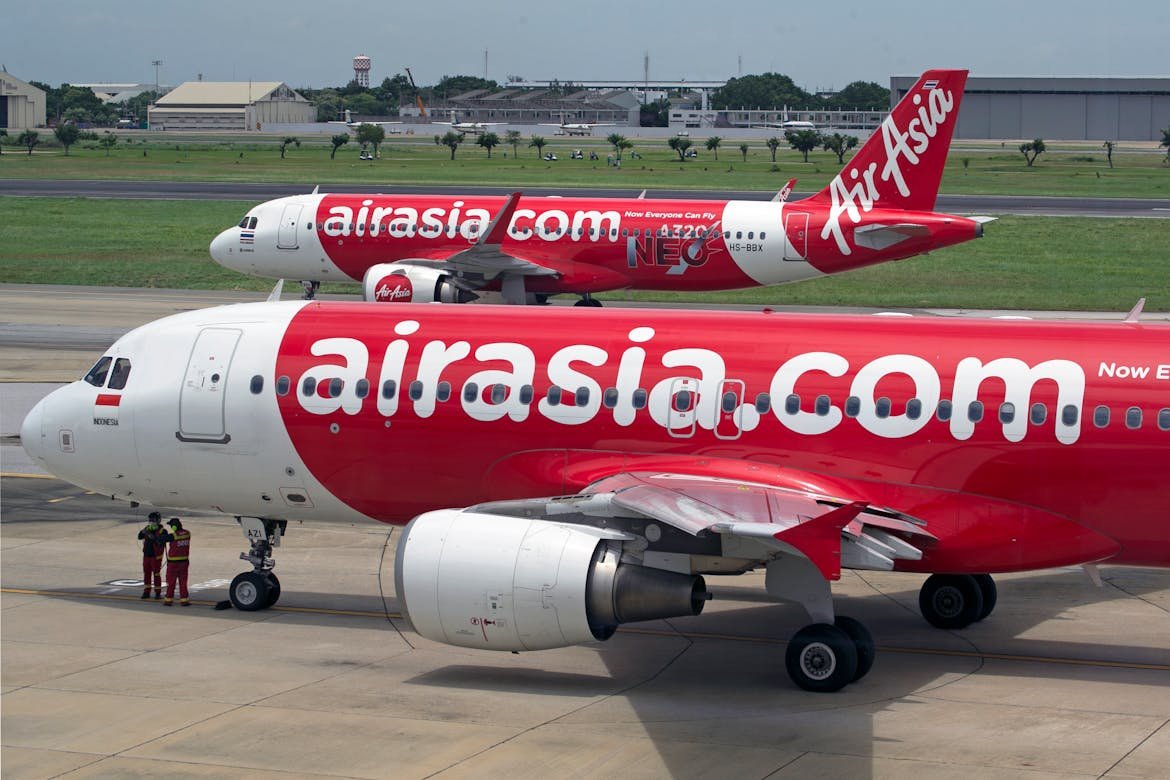
Some airlines are adjusting fares directly, while others are adding separate surcharges. Cathay Pacific, AirAsia, Thai Airways, Qantas, SAS, and Air New Zealand are among the carriers that have already announced pricing changes. In some cases, the increases are modest on short routes and more substantial on long-haul flights. In others, fuel surcharges are being reviewed every few weeks as market conditions remain unstable.
The impact is particularly visible on international routes where surcharges are easier to isolate. For travelers, that means the total cost of a trip can rise even when the base fare appears stable. It also means award bookings are not necessarily protected, since many carriers apply fuel-related charges to tickets booked with points as well as cash.
This creates a difficult balancing act for airlines. They need higher fares to offset fuel costs, but they also risk weakening demand if households begin to cut discretionary travel. That tension is particularly serious for low-cost carriers and price-sensitive short-haul markets, where travelers can more easily delay trips or switch to rail and other alternatives.
Capacity Cuts Are Becoming Part of the Response
Pricing is only one side of the adjustment. Airlines are also trimming schedules to protect margins and avoid flying weaker demand at a time of higher fuel burn. United has said it will cut about 5% of planned flights in the short term, while SAS is preparing to cancel at least 1,000 flights in April. Air New Zealand has also reduced services, and Vietnam Airlines is suspending selected domestic routes as fuel supply pressure adds another layer of risk.
That matters because schedule reductions can push fares even higher. When fewer seats are available, especially on routes where demand remains solid, airlines gain more room to pass through cost increases. In effect, capacity discipline becomes part of the pricing strategy.
A Tougher Market for Travelers and Weaker Airlines
The current shock is likely to widen the gap between stronger and weaker carriers. Airlines with fuel hedging, healthier balance sheets, and stronger corporate demand are better positioned to absorb volatility. Those with lower margins or more price-sensitive passenger bases may face sharper pressure if costs stay elevated and consumers start pulling back.
For travelers, the message is becoming clearer. The Middle East crisis is no longer just affecting airspace and routing decisions. It is now flowing directly into ticket prices, flight availability, and the economics of summer travel. Even if the conflict eases, fares may not fall quickly. Once airlines reset pricing and trim capacity, the market can take time to normalize. That leaves the industry facing a familiar but uncomfortable reality: when fuel spikes hard enough, the entire travel chain feels it.
Alaska and Hawaiian Reach a New Integration Phase with One App and Shared Systems
Alaska Air Group is moving into a more visible stage of its Hawaiian integration as the two airlines prepare to operate through one app and one passenger service system. For travelers, the changes should simplify trip management, but the transition period may still create some short-term confusion.
By Laura Mitchell | Edited by Yuliya Karotkaya
Published:
Updated:
The Alaska-Hawaiian integration is entering a new stage as digital tools and airport systems begin to merge. Photo: Alaska Airlines
Alaska Airlines and Hawaiian Airlines are approaching one of the most practical milestones in their combination: a shared passenger service system and a single mobile app experience beginning April 22. The shift may sound technical, but for travelers it marks a meaningful change in how the two brands will function day to day. Booking records, check-in, baggage handling, app features, and employee access to trip information are all moving closer to a single operating structure.
The change is part of a broader integration process that has been unfolding in stages since Alaska completed its acquisition of Hawaiian in 2024. Loyalty was one early priority, followed by work on operating approvals and airport processes. Now the focus is turning to the core digital and service infrastructure that passengers interact with directly. In airline terms, the passenger service system is often described as the central system behind reservations, record locators, check-in, day-of-travel updates, and post-trip communications.
For passengers, the most visible shift starts with the app. Alaska’s mobile platform is becoming the combined app for both airlines, while the legacy Hawaiian app is set to remain active only through April 21. After that, all customers will be directed to the new Alaska Hawaiian app. The company says users will be able to choose either an Alaska or Hawaiian visual theme, which is a small but deliberate signal that the combined platform is meant to unify systems without entirely erasing brand distinction.
A Simpler Setup, With Some Short-Term Friction
The airlines are positioning the update as a simpler, more consistent experience. Hawaiian customers are expected to gain features that were previously missing, including the ability to change or cancel flights in the app, share boarding passes, use Apple Pay, and book partner flights with cash or points. That is a meaningful upgrade for legacy Hawaiian users, especially those who have grown used to more limited digital self-service tools.
At the airport, Hawaiian is also moving toward the same self-service bag-tag process already familiar to Alaska travelers. Kiosks will be used primarily for printing bag tags, while mobile and web check-in will become the default route for boarding passes. The airline says the change should reduce congestion in airport lobbies and cut printed waste, though it will also push more of the check-in process onto passengers’ phones.
That said, transitions like this rarely feel seamless to every traveler at first. Early user feedback has already suggested that some booked flights are not consistently appearing in the new combined app during the handoff period. The airline’s guidance is clear for now: travelers with Hawaiian flights before April 22 should keep using the legacy Hawaiian app for check-in and day-of-travel updates.
Why This Matters Beyond the App
The bigger significance is operational rather than cosmetic. Once both airlines are on the same passenger service system, employees across the network should be able to access the same booking information more easily, regardless of whether the customer is flying Alaska or Hawaiian. That removes one of the more frustrating limits of the integration so far, where systems still behaved like two separate carriers behind the scenes.
This phase also gives a clearer view of Alaska’s long-term strategy. The company is not only combining routes and loyalty. It is trying to create a more unified travel experience across the two brands while preserving selected Hawaiian-facing elements that still matter to customers. That balance will not be easy, especially in Hawaii where the Hawaiian brand carries more emotional weight than a typical acquired airline.
For travelers, the immediate result should be more self-service, fewer duplicated systems, and eventually fewer moments where the combined airline feels only partially combined. But the next few weeks are likely to be a real test of whether the technology rollout can match the promise of a smoother network.