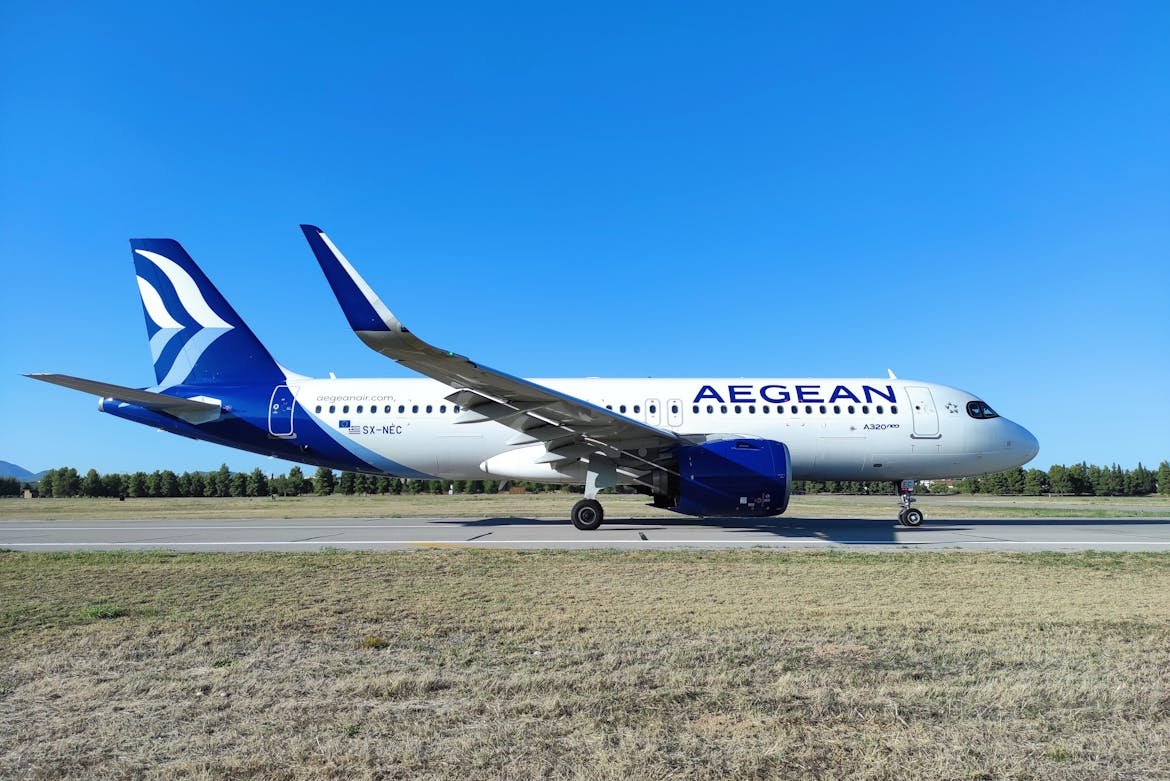
Aegean Airlines has announced that its flight schedule returned to normal on Monday, January 5, 2026, following a major disruption to air travel across Greece caused by a technical failure in national air traffic control systems. The incident, which unfolded on Sunday, January 4, led to the grounding, cancellation, and diversion of hundreds of flights and affected thousands of passengers during one of the busiest travel periods of the winter season.
The disruption was triggered by a malfunction in radio communication systems operated by the Hellenic Civil Aviation Authority. According to official statements, interference described as continuous “noise” appeared across multiple operational frequencies, including backup systems, making it impossible for air traffic controllers to communicate safely with aircraft. As a precautionary measure, authorities ordered a complete halt to all domestic flights and many international services between mid-morning and early afternoon.
During the initial grounding period, no aircraft were permitted to take off or land anywhere in Greek airspace. When limited operations resumed later in the day, capacity within the Athens Flight Information Region was sharply reduced to a fraction of normal levels. This created a significant backlog that rippled across Europe and the eastern Mediterranean, forcing airlines to divert incoming flights to alternative airports.
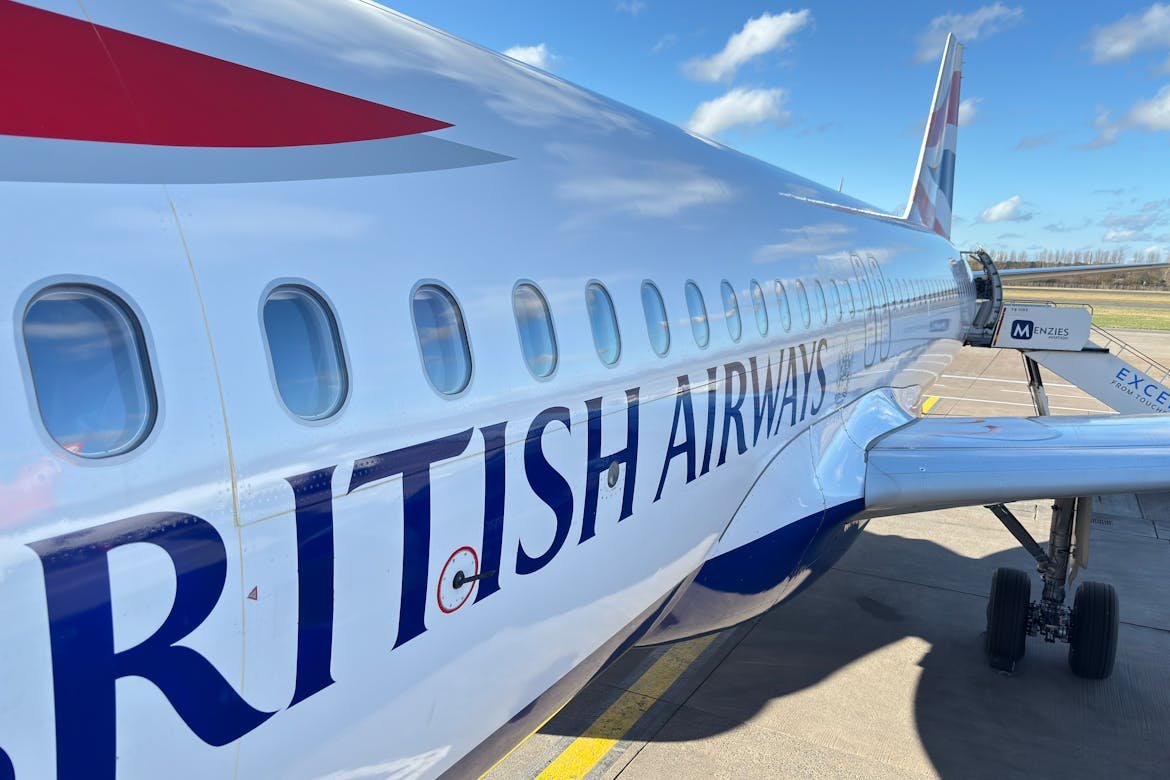
Aegean Airlines canceled 48 flights on Sunday, representing roughly 12 percent of its scheduled operations for the day. Other carriers, including EasyJet, British Airways, and Ryanair, also faced extensive disruptions. Flights bound for Athens were diverted to cities such as Rome and Dubrovnik, while passengers traveling to Thessaloniki, Crete, and other Greek destinations found themselves rerouted to airports in Italy, Croatia, Hungary, Albania, and Cyprus. Many travelers were stranded overnight as aircraft and crews were displaced across the region.
By early evening, aviation authorities confirmed that communication systems had been fully restored and that airspace capacity was gradually returning to normal. Aegean Airlines said residual delays were possible as aircraft rotations and crew schedules were repositioned, but emphasized that the majority of flights would operate as planned from Monday onward. Airlines introduced flexible rebooking options and waived change fees to assist affected passengers, although compensation under EU rules may not apply due to the extraordinary nature of the technical failure.
Greek officials stressed that flight safety was never compromised and stated that the incident was unlikely to have been caused by a cyberattack. Nevertheless, a judicial inquiry and internal investigations have been launched to determine how the failure occurred and why it affected such a wide range of frequencies simultaneously. Air traffic controllers’ representatives renewed calls for accelerated modernization of aging infrastructure, warning that similar disruptions could occur again without significant investment.
The episode marked one of the most extensive air traffic disruptions Greece has experienced in recent years, highlighting both the vulnerability of critical aviation systems and the importance of rapid coordination between airlines, airports, and regulators when failures occur.