Uber is rolling out new holiday travel upgrades, including its first-ever airport kiosk and a major expansion of Uber Shuttle in the New York area.
By Yuliya Karotkaya
Published:
Updated:
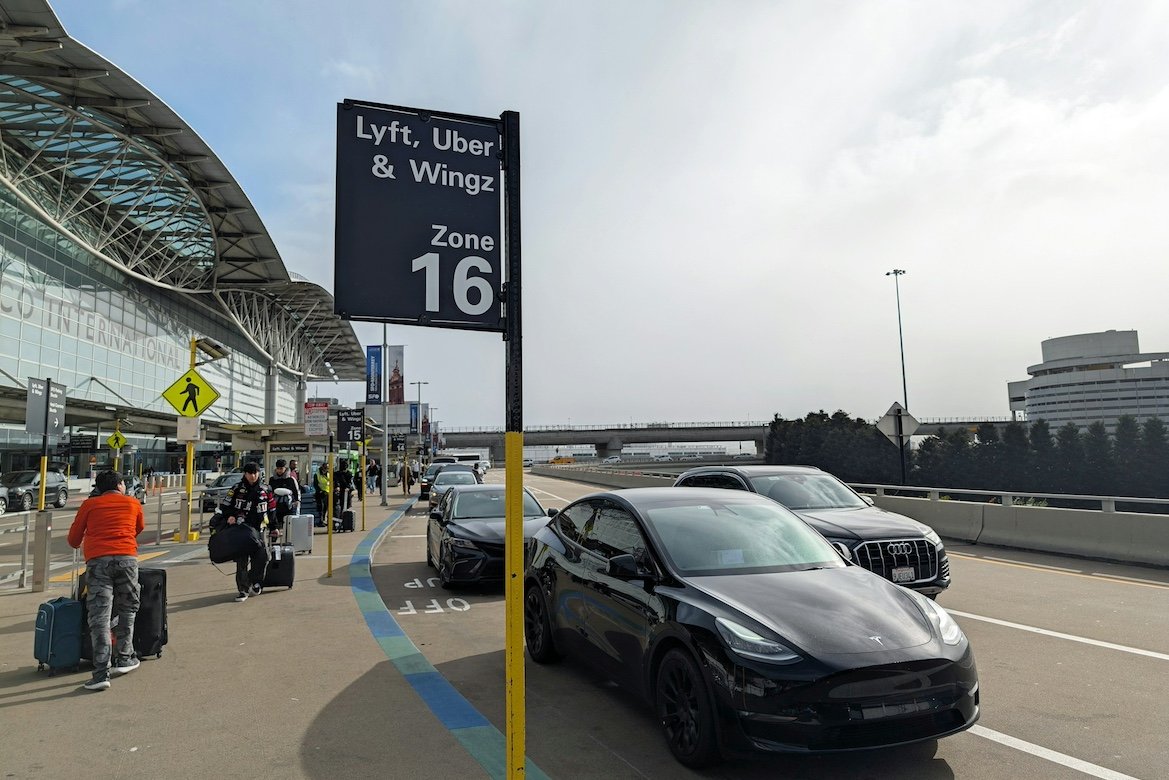
Rideshare pickup area at the airport, where travelers can meet their Uber, Lyft, and Wingz drivers during the busy holiday season. Photo: Kenjiro Yagi / Unsplash
Holiday travel is notoriously hectic, and this year Uber is rolling out a set of upgrades designed to make airport journeys faster, smoother, and more accessible.
After experiencing its busiest Thanksgiving airport pickup days on record, the company is leaning into new solutions that support both international travelers and those navigating crowded terminals during the peak season.
The biggest news is the debut of Uber’s first-ever kiosk, a physical, app-free way to request a ride that is launching at LaGuardia Airport’s Terminal C. This kiosk offers a simple interface for anyone without a local data plan, a low phone battery, or even the Uber app itself.
Travelers can walk up, enter their destination, choose a ride type, and receive a printed receipt with trip details. It’s an intentionally straightforward experience meant to remove friction at a time when mobility is more important than ever.
Uber plans to expand these kiosks to hotels, ports, and additional international airports over the coming months, signaling a broader move toward hybrid digital–physical travel support. The idea is to make the service easy to access for everyone, not just app-native users, which could be especially helpful for travelers arriving from abroad during the busy winter season.
Another major update is the launch of Uber Shuttle at Newark Liberty International Airport. This expansion marks the moment when all major airports in the New York area – JFK, LaGuardia, and Newark – are now covered by Uber’s shuttle network.
The Newark service includes two fixed routes connecting the airport to the West Village and 42nd Street, with designated pickup and drop-off points along each path. Riders see the price upfront, reserve a seat before traveling, and enjoy an affordable alternative to traditional airport transfers.
For a limited time, all Newark Shuttle fares will stay under fifteen dollars, offering an appealing option for both locals and visitors looking for predictable transportation during the holiday rush.
The company is also improving its tipping experience with a new Live Activities feature on iOS. This update allows riders to tip their driver directly from the lock screen before the trip ends.
Early tests show a notable increase in tipping rates, a timely improvement as drivers shoulder long hours and heavier workloads throughout the festive season. The feature is already available globally for iPhone users, with an Android version expected soon.
Together, these updates reflect Uber’s growing focus on simplifying the airport experience and supporting travelers from curb to destination. Whether it’s a kiosk for passengers without mobile access, a dedicated shuttle service linking to Manhattan, or easier tipping that recognizes driver efforts, each change targets real pain points that become more prominent during peak holiday travel.
With demand surging and airports busier than ever, Uber’s latest upgrades aim to make the journey smoother for millions of riders navigating the busiest travel weeks of the year.
Escalating clashes along the Thailand–Cambodia border are prompting new travel advisories, land border closures, and safety concerns. Here’s what travelers should know before planning a trip.
By Yuliya Karotkaya
Published:
Updated:
Skyline of Bangkok, a major hub where travel operations remain stable despite border tensions. Photo: allPhoto Bangkok / Pexels
Escalating clashes along the Thailand–Cambodia border have raised urgent questions for travelers as both countries head into one of their busiest tourism periods.
While the situation remains highly volatile in frontier regions, the main question for winter holidaymakers is whether travel plans to Bangkok, Phuket, Siem Reap, Phnom Penh, and other major destinations can continue safely.
With hundreds of thousands displaced near the border and land routes closed, understanding what is happening – and how it affects tourism – is essential for anyone preparing a trip.
Travel Conditions in Major Cities Remain Stable
Despite the intensity of fighting along the 800-kilometer border, travel operations in Thailand and Cambodia’s primary tourist hubs are currently functioning. Flights between Bangkok, Phuket, Chiang Mai, Phnom Penh, and Siem Reap continue as scheduled, and airports remain open with no direct disruptions.
Tourism authorities in both countries emphasize that the conflict is confined to remote frontier districts, far from the cities and resort areas relied upon by international visitors.
However, this week’s clashes reached unusually close to Thailand’s Trat province, bringing concern to travelers heading to popular islands such as Koh Chang, Koh Kood, and Koh Mak. Martial law is in place in parts of Chanthaburi, Trat, and Sa Kaeo provinces, and rail services from Bangkok now terminate before the border.
While these measures do not affect typical tourist itineraries, they highlight how quickly conditions can shift. In Cambodia, temple sites located directly on the frontier – including the contested Preah Vihear – are closed to the public.
For travelers planning overland routes, the most significant impact is the complete closure of land borders. Road crossings between Thailand and Cambodia are suspended, removing the possibility of combining both destinations in a single overland trip. Visitors who had planned bus or taxi transfers will need to adjust itineraries or continue by air.
Government Advisories and What Travelers Should Know
Travel advisories have tightened as the situation escalates. The UK advises avoiding all but essential travel to affected border sections, citing gunfire, artillery use, and unexploded landmines. Australia has issued a “do not travel” warning for a 50-kilometer zone on either side of the border – one of the strictest advisories issued for this area in recent years.
These warnings do not apply to the rest of Thailand or Cambodia, meaning tourism in main cities is still considered safe, though travelers should remain aware of the evolving security landscape.
As always, advisories influence insurance eligibility. In regions under “do not travel” status, coverage may be void, leaving travelers without compensation for disruptions. Those heading to unaffected regions should review policy terms carefully, monitor updates, and remain flexible with travel plans.
While the border conflict is severe and humanitarian needs are rising, tourism within Thailand and Cambodia’s primary destinations continues largely uninterrupted. Travelers can still enjoy Bangkok’s markets, Siem Reap’s temples, Phuket’s beaches, and Phnom Penh’s riverfront – but should stay informed, avoid restricted areas, and expect the possibility of changing conditions.
For now, the heart of both countries’ tourism sectors remains open, even as tensions on the frontier demand caution and close attention.
Saudi Arabia and Qatar have signed a groundbreaking agreement to build a high-speed rail line linking Riyadh and Doha, signaling a major step forward in regional cooperation.
By Yuliya Karotkaya
Published:
Updated:
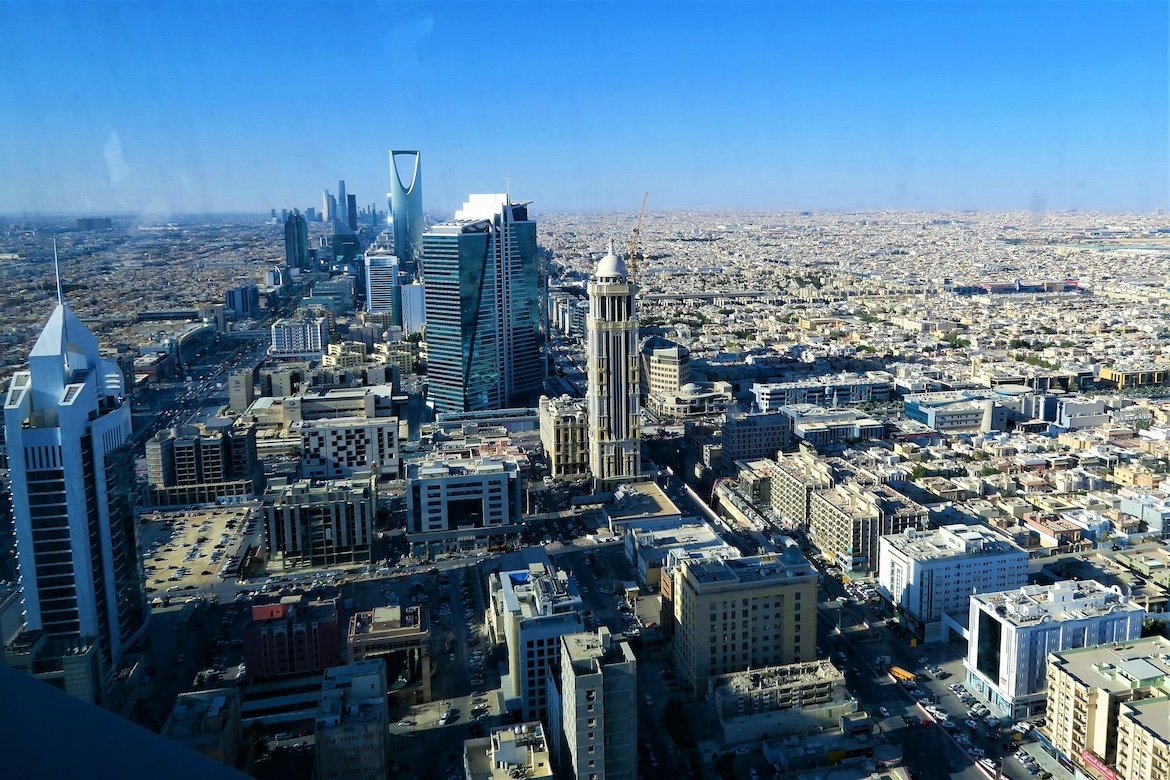
Riyadh skyline, the future gateway of the new high-speed rail link. Photo: ekrem osmanoglu / Unsplash
Saudi Arabia and Qatar have signed a landmark agreement to build a high-speed electric passenger railway linking their capitals, marking one of the most significant milestones in the renewed relationship between the two Gulf nations.
Announced in Riyadh during the visit of Qatar’s Emir Sheikh Tamim bin Hamad Al Thani, the deal represents a pivotal moment in regional connectivity and diplomatic cooperation. The project will create a fast, modern corridor between Riyadh and Doha, further strengthening ties that have been steadily improving after years of political tension.
According to official statements, the new high-speed line will allow trains to exceed 300 kilometers per hour, completing the journey between the two capitals in roughly two hours. This positions rail travel as a competitive alternative to the current 90-minute flight, offering a sustainable and convenient option for millions of passengers.
The network will also serve major Saudi cities such as Al-Hofuf and Dammam, expanding its role beyond bilateral travel and integrating more of the eastern region into a shared Gulf transportation vision.
The project is expected to be completed within six years and aims to accommodate up to 10 million passengers annually. Such capacity reflects the growing demand for seamless mobility across the Gulf and aligns with broader regional development strategies, including Saudi Arabia’s Vision 2030 and ongoing Qatari efforts to diversify their economy beyond energy.
The partnership highlights not only infrastructure ambitions but also the deepening political trust between the two nations. Just a few years ago, this level of collaboration would have seemed unlikely. In 2017, Saudi Arabia, the United Arab Emirates, Bahrain, and Egypt severed diplomatic and transport ties with Qatar, accusing Doha of supporting extremist groups and aligning too closely with Iran.
Qatar firmly rejected the allegations, and relations remained strained until early 2021, when the AlUla summit officially restored diplomatic ties. Since then, both countries have made significant efforts to rebuild cooperation, with high-level visits, coordinated diplomatic positions, and shared regional initiatives helping to reset relations.
The new rail agreement is seen as a culmination of this diplomatic thaw, reflecting a shift from cautious rapprochement to proactive collaboration. Leaders from both countries have continued to meet regularly, supporting joint mediation efforts and presenting a united front on key regional issues. Recent cooperation included coordinated calls for a ceasefire in Gaza and support for Qatar following heightened regional tensions.
The high-speed rail project symbolizes a long-term commitment to partnership, with economic and social benefits that extend far beyond transportation. Faster movement of people and goods is expected to stimulate tourism, business travel, and cross-border investment, strengthening the Gulf as an interconnected economic bloc.
For residents and travelers, the future Riyadh–Doha high-speed link represents a transformative leap in mobility. For the region, it stands as a powerful testament to what renewed trust and cooperation can achieve. As construction begins, the railway promises to become one of the Gulf’s most significant modern infrastructure achievements, reshaping connectivity and reinforcing stability in a rapidly evolving Middle East.
Park Hyatt Tokyo has reopened following a 19-month restoration, unveiling redesigned guestrooms, refreshed dining concepts, and renewed public spaces that blend legacy with modern luxury.
By Yuliya Karotkaya
Published:
Updated:
Park Hyatt Tokyo debuts a revitalized design after its 19-month transformation. Photo: Hyatt
Park Hyatt Tokyo has officially reopened after an extensive 19-month restoration, marking the most significant transformation in the hotel’s 30-year history.
As Asia’s first Park Hyatt, the property has long held a special place in Tokyo’s skyline, shaping global perceptions of Japanese luxury through its distinctive architecture and cinematic atmosphere.
The renewal honors this legacy while preparing the hotel for the next generation of sophisticated travelers seeking serenity, design excellence, and cultural depth high above Shinjuku.
A New Design Approach That Honors the Icon
The renovation was guided by the Paris-based design studio Jouin Manku, known for its work on some of the world’s most emblematic hotels. The designers approached the project with a philosophy of “refinement, not reinvention,” ensuring the hotel’s spirit remained intact even as materials, lines, and textures were modernized.
The result is a renewed calm throughout the property – softer silhouettes, warmer palettes, and expanded sightlines that highlight the luminous panoramas of Tokyo and Mt. Fuji.
Guestrooms and suites now feature fluid layouts, wet-room style bathrooms, and tactile materials that invite guests to pause and retreat. Contemporary Japanese art brings a fresh narrative to the redesigned spaces, including dreamlike works by Yoshitaka Echizenya in the suites and new lithographs in standard rooms.
Iconic elements such as Noguchi lamps and magnolia motifs remain, preserving the essence of the original design while allowing the room to feel new and lived-in at the same time. Elevated accommodations, including the Park Suite and the Governor’s, Presidential, and Diplomat Suites, offer sweeping views over Harajuku, Yoyogi Park, and the Tokyo skyline.
Revitalized Dining and Wellness at Towering Heights
The reopening also debuts several renewed culinary destinations. Girandole by Alain Ducasse introduces a contemporary Parisian brasserie experience rooted in French tradition and refined with Japanese ingredients.
The Peak Lounge & Bar now offers a new cocktail program inspired by six Japanese prefectures, all presented beneath its iconic glass atrium and bamboo grove. New York Grill & Bar returns with its dramatic black-and-chrome aesthetic and bold, ingredient-driven menu under Chef Ben Wheeler. Kozue continues to showcase seasonal Japanese cuisine, highlighting the harmony and craft of modern kaiseki-inspired dining.
Club On The Park, the hotel’s wellness sanctuary spanning the 45th and 47th floors, has also been refreshed. Guests can enjoy panoramic swimming, new treatment rituals shaped by Tokyo’s natural rhythm, and revitalized fitness spaces offering daily classes and curated wellness journeys. The hotel’s design now better integrates movement, stillness, and sensory balance, reinforcing its identity as a retreat above the city.
Park Hyatt Tokyo’s restoration brings new life to an iconic destination while preserving the qualities that have made it one of the world’s most beloved hotels. The property begins its next chapter with renewed elegance, elevated experiences, and a deep respect for its architectural and cultural legacy.
The Ritz-Carlton Key Biscayne Miami has reopened after a $100 million transformation, unveiling redesigned rooms, new dining concepts, an expanded spa, and refreshed leisure facilities that elevate this iconic beachfront resort.
By Yuliya Karotkaya
Published:
Updated:
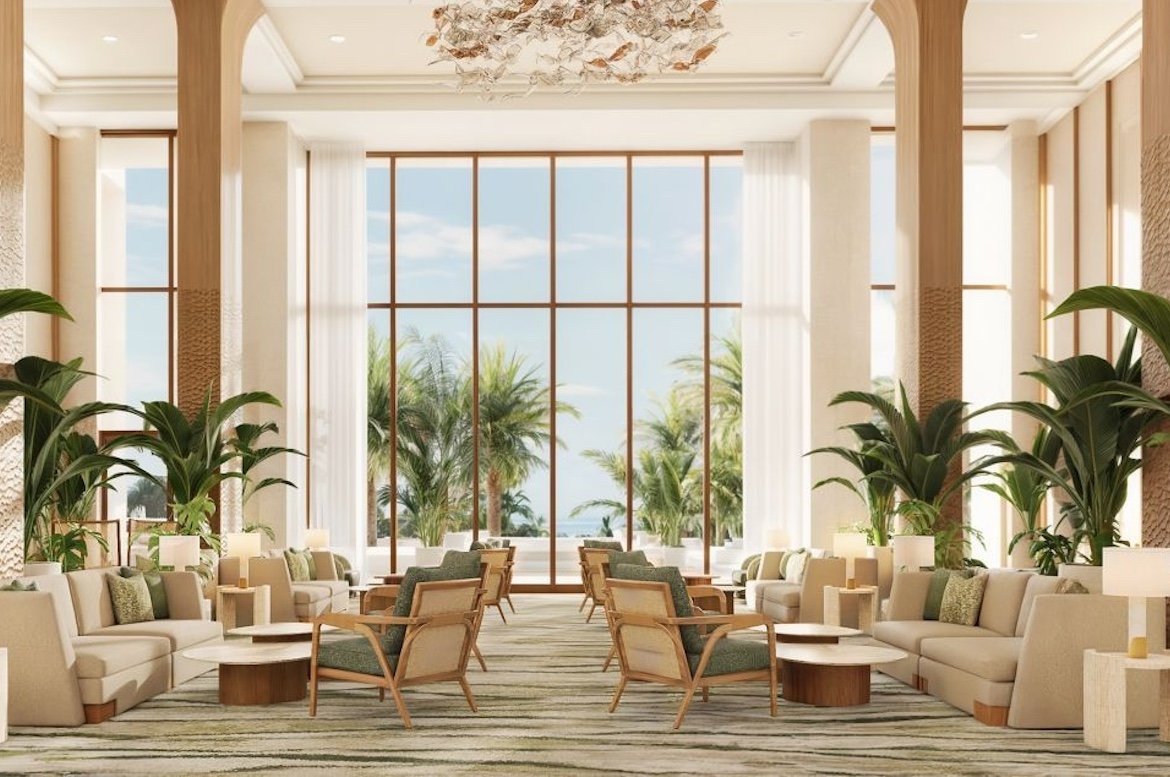
The Ritz-Carlton Key Biscayne Miami returns after a $100M transformation, blending modern coastal design with elevated dining, wellness, and beachfront luxury. Photo: The Ritz Carlton Key Biscayne
The Ritz-Carlton Key Biscayne, Miami has reopened following a sweeping $100 million renovation, marking a major new chapter for one of South Florida’s most iconic coastal resorts.
Closed since May, the property now returns with redesigned guestrooms, refreshed dining concepts, an expanded wellness program, and upgraded leisure facilities – all set against Key Biscayne’s serene beachfront just minutes from Miami.
A Modern Coastal Retreat Reimagined
The resort’s transformation blends contemporary design with the relaxed character of island living. Guests are welcomed by a dramatic glass façade framing ocean views and breezy open-air architecture that connects indoor spaces with lush gardens and terraces. Natural textures, sun-washed colors, and streamlined furnishings define the new interiors, creating an elegant yet comfortable sense of place.
All guestrooms and suites have been fully renovated, featuring custom furniture, expanded terraces, and floor-to-ceiling windows overlooking Biscayne Bay and tropical landscapes. The redesigned Presidential Suite stands out with more than 2,600 square feet of indoor-outdoor living space, two bedrooms, and panoramic oceanfront views.
Dining has also been revitalized with six distinct venues. Luma delivers a Mediterranean-inspired menu focused on seafood, pasta, and grilled dishes, while Paralía brings the flavors of Greece and Turkey to an open-air waterfront setting.
Additional concepts include the Rum Bar, Dune Beach Bar, Stefano’s poolside pizzeria, and Scoop gelato shop. New partnerships with Pura Vida Miami and Bissinger’s Handcrafted Chocolatier introduce wellness-driven fare and artisanal sweets.
Elevated Wellness, Leisure, and Family Experiences
Wellness is now a centerpiece of the resort’s identity. The Ritz-Carlton Spa spans 30,000 square feet and features 16 treatment rooms, three couples suites, a full-service salon, a Spa Sanctuary, and a Sensory Spa Garden with private cabanas. New and revitalized therapies emphasize sound, scent, and elemental healing, while guided renewal rituals and meditation moments help guests reconnect and unwind.
The fitness program has been expanded with an updated oceanfront gym and daily movement classes, including signature reformer workouts from Miami-based Tremble. Yoga and stretching sessions on the grand lawn provide additional opportunities to engage in mindful outdoor activity.
Across the property, leisure amenities have been refreshed to deliver a more dynamic guest experience. Updated pool areas, stylish cabanas, and an expanded menu of water sports bring new energy to the beachfront. The renowned Cliff Drysdale Tennis Center now includes tennis, pickleball, and padel courts, catering to players of all levels.
Families will appreciate the reimagined Ritz Kids Club, designed to blend calming spaces with interactive programming. Nature-inspired elements and hands-on activities encourage creativity and discovery, offering younger travelers an enriching experience tailored just for them.
The resort’s retail offerings have also been elevated, featuring boutiques that showcase coastal fashion, jewelry, and curated lifestyle products that complement the property’s renewed aesthetic.
Zambezi Cruise & Safaris has launched the Zambezi Trader, a new luxury vessel offering safari-style river journeys on the Zambezi and Lake Kariba.
By Yuliya Karotkaya
Published:
Updated:
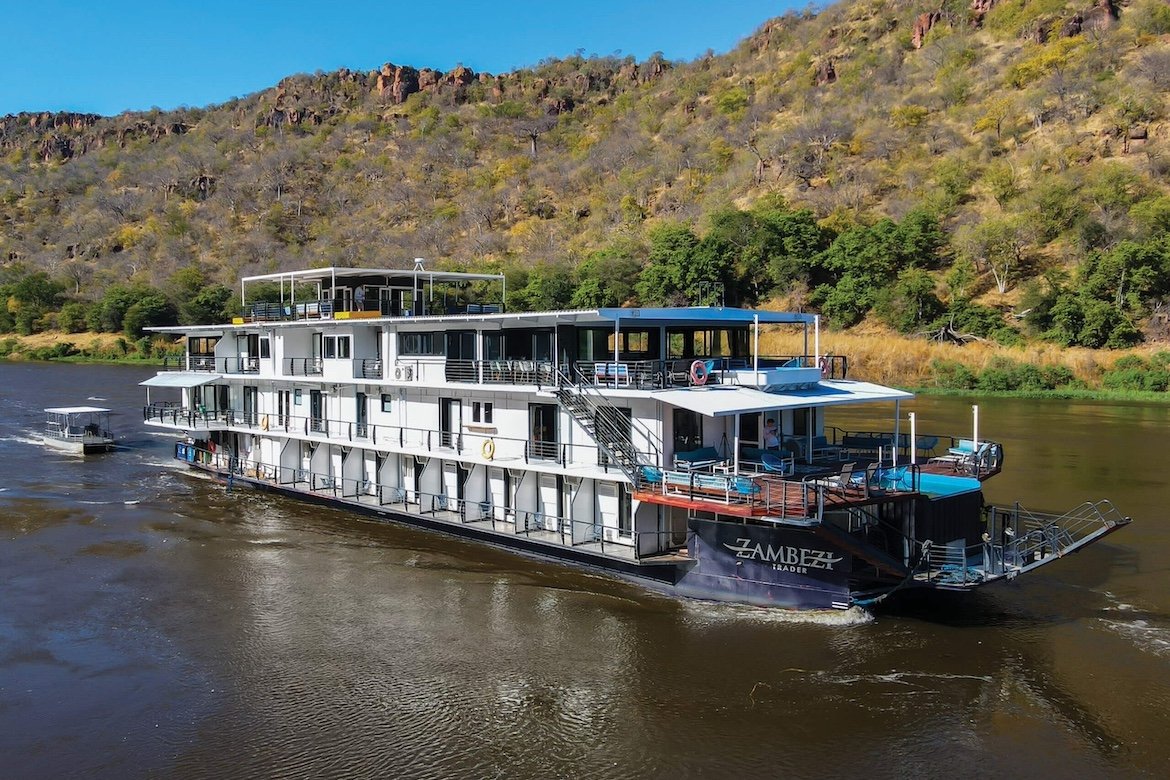
The Zambezi Trader brings a new era of luxury river cruising to Zimbabwe’s Zambezi River. Photo: Zambezi Cruise & Safaris
Luxury river cruising in Southern Africa is entering a new chapter with the launch of the Zambezi Trader, a 66-passenger ship introduced by Zambezi Cruise & Safaris. Designed to elevate river tourism in Zimbabwe, the new vessel begins operating two- to four-night safari-style journeys from Msuna Island into Lake Kariba, offering travelers an entirely fresh way to experience one of the continent’s most iconic waterways.
The introduction of the Zambezi Trader marks a significant step forward for Zimbabwe’s tourism landscape. The company describes the ship as a turning point for the region, bringing modern comfort and elevated service to a river long celebrated for its wildlife, culture, and dramatic scenery.
According to Gavin Rennie, general manager of sales and marketing, the vessel represents “a new standard of excellence,” opening the Zambezi River in ways that have never been available to travelers before.
On board, guests will find 29 cabins outfitted with private balconies, air conditioning, and mosquito nets, creating a retreat that blends luxury with the practical needs of a river environment. The ship’s size allows for an intimate atmosphere, offering enough space for comfort while ensuring a personalized experience. The design also supports the vessel’s safari-inspired programming, which extends far beyond the ship itself.
Each cruise incorporates excursions aboard smaller boats, allowing travelers to explore hidden bays, narrow tributaries, and wildlife-rich corners of the Zambezi. These outings are central to the overall experience, providing access to areas that larger vessels cannot reach.
Activities include game drives along the riverbanks, birdwatching in some of Southern Africa’s most diverse ecosystems, catch-and-release fishing, and visits to local communities. Among the cultural highlights is a tour of a Tongan Village, offering guests an opportunity to learn about traditional river life and local customs.
The Zambezi Trader is also positioned to appeal to travelers seeking a seamless blend of adventure and comfort. With Lake Kariba’s vast waters and the surrounding wilderness as a backdrop, the vessel offers a distinctive alternative to land-based safaris. The slower pace of river travel allows guests to enjoy wildlife encounters from new perspectives—whether it’s elephants drinking along the shoreline, birds skimming the water, or sunsets unfolding across the lake.
Bookings for the Zambezi Trader are now open for January and future departures. Prices start at $325 per person, per night, making the experience accessible within the luxury travel market while offering a high level of value for the range of activities and accommodations included.
As travelers increasingly seek immersive and nature-focused journeys, the Zambezi Trader positions Zimbabwe as a rising destination for upscale river cruising and safari experiences.
Airport strikes in Portugal on December 11 are expected to paralyze flights and public transport across the country. Here’s what travelers need to know before navigating the disruption.
By Yuliya Karotkaya
Published:
Updated:
Airport strikes in Portugal expected to cause major travel disruptions on December 11. Photo: David McElwee / Pexels
Airport Strikes are set to dominate travel headlines on December 11 as Portugal braces for a nationwide general strike expected to paralyze transport across the country.
Nearly half of the national workforce is anticipated to participate, putting pressure on airports, rail systems, buses, metros, and tourism services at one of the busiest travel periods of the year. For visitors heading into Portugal for the holidays, the timing of this disruption could not be more challenging.
The walkout has been called by Portugal’s largest union groups in response to proposed labor reforms from the minority right-wing government. These changes would make it easier for employers to dismiss staff, extend temporary contracts, and expand mandatory minimum services during strikes.
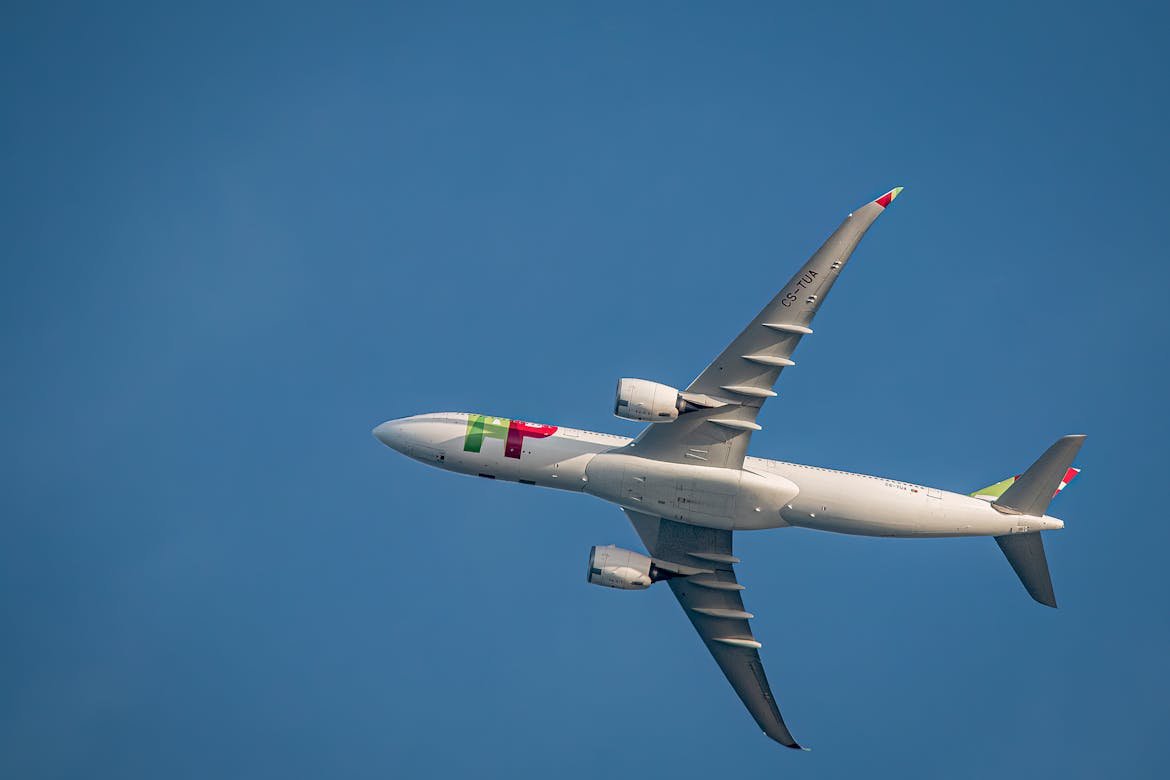
Public-sector employees, teachers, healthcare workers, and transport staff – including cabin crew for TAP Air Portugal, easyJet, Ryanair, and Azores Airlines – will join the action, creating widespread operational strain across the travel ecosystem.
These disruptions also come on the heels of recent labor actions that affected aviation and border operations earlier this year, underscoring an ongoing period of instability across Portugal’s transport sector.
Travelers may remember our earlier report on Portugal’s airport strikes in 2025–2026, which highlighted similar patterns of walkouts causing significant nationwide delays. The December 11 strike continues that trend, signaling deeper tensions within the country’s workforce.
Flight Disruptions and Travel Expectations
Airports will face the heaviest impact as airlines prepare for mass cancellations. TAP Air Portugal, the national carrier, has already begun cutting flights and alerting passengers, emphasizing that December 11 operations will be limited to legally mandated minimum services.
A small number of flights will run to Madeira, the Azores, select European destinations, Brazil, and the United States, but the majority of scheduled flights are expected to be grounded.
Azores Airlines and SATA plan to operate a reduced set of 25 flights, mainly to maintain essential connections between the islands and mainland Portugal. With so few services available, airline disruptions may ripple beyond Portugal as connecting flights are affected across the continent.
Travelers should closely monitor their flight status and consider rebooking as early as possible. Under EU Regulation 261/2004, passengers maintain rights to rebooking, refunds, meals, and accommodation during extended delays – even during general strikes.
Compensation may apply if cancellations were not announced at least 14 days in advance, depending on the airline’s staffing and operational circumstances.
Transport Challenges Across Portuguese Cities
The strike’s reach extends far beyond airports. Public transportation networks in Lisbon, Porto, and other major cities will operate on reduced schedules or halt entirely. Metro lines, buses, and regional trains are expected to see major delays, forcing travelers to adjust plans for sightseeing or hotel transfers.
With fewer transport options available, taxis and ride-share services will likely experience high demand and surge pricing. Travelers arriving in Portugal should allocate extra time to reach accommodations and consider staying close to central districts where walking access to major attractions is easier.
Hotels are expected to remain open, though some may operate with limited staff. Visitors are encouraged to confirm check-in procedures ahead of arrival and prepare for longer wait times. Popular tourist destinations may also see delays or crowds, as reduced transportation complicates mobility across the country.
Despite the significant disruption expected from Portugal’s latest airport strikes and transport walkouts, travelers who stay informed, plan alternative routes, and build in flexibility can still navigate the country with confidence. Proper preparation will be essential for minimizing stress as Portugal undergoes one of its largest labor actions in more than a decade.
Euromonitor International has released its Top 100 Cities for 2025, with Paris once again crowned the world’s most attractive destination. Here’s what defines this year’s leading cities – and the global travel trends shaping the rankings.
By Yuliya Karotkaya
Published:
Updated:
Paris remains the world’s top city destination in 2025, leading global tourism trends. Photo: Liam Gant / Pexels
Euromonitor International has unveiled its Top 100 City Destinations for 2025, offering one of the clearest snapshots of how global urban tourism is evolving. The ranking evaluates cities across 55 indicators, from sustainability and infrastructure to visitor experience, safety and long-term tourism strategy.
This year’s results show a strong shift toward cleaner mobility, responsible tourism and value-driven travel – while highlighting the cities that continue to set global standards.
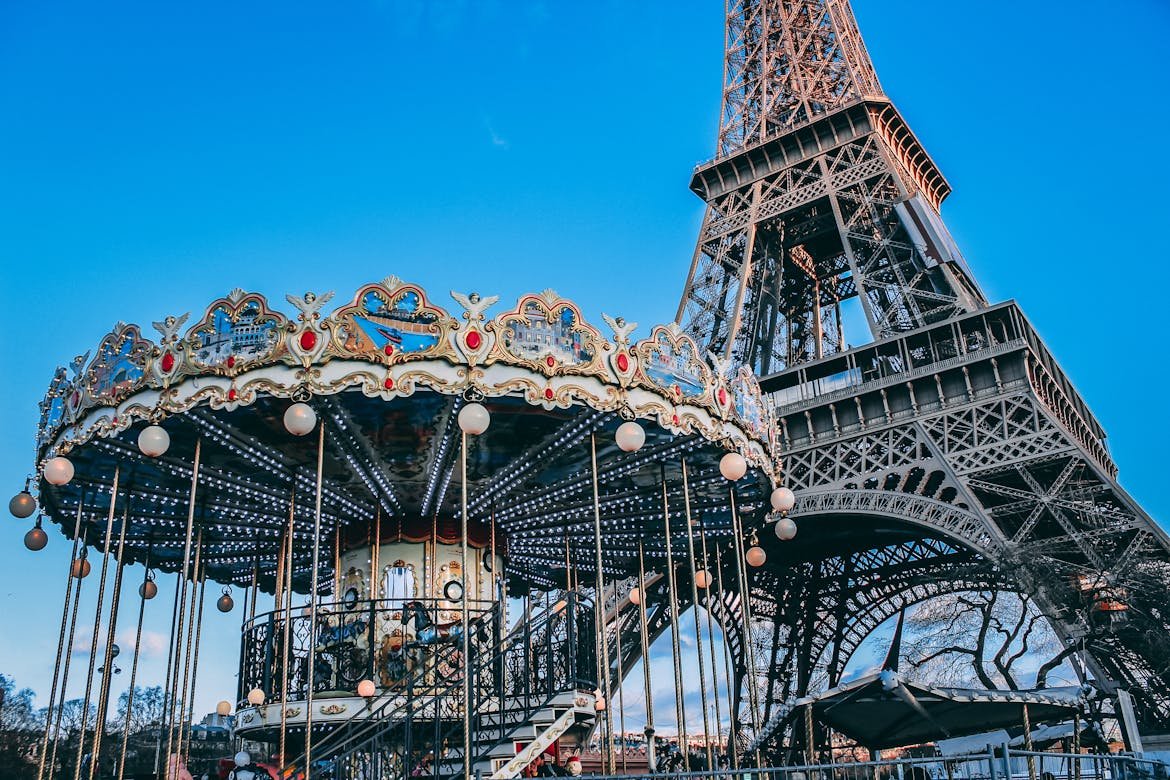
At the top of the list stands Paris, maintaining its No. 1 position for the fifth consecutive year. The French capital reinforced its leadership after hosting the 2024 Olympics, showcasing world-class urban planning, stronger sustainability measures and an ability to manage massive visitor flows.
Paris continues to balance heritage charm with modern efficiency, supported by pedestrian-friendly districts and iconic neighborhoods like Le Marais and Saint-Germain that keep defining global trends in food, fashion and culture.
Euromonitor International’s Top 10 City Destinations for 2025:
Paris – Champions sustainability, culture and mobility; remains the most complete global urban experience.
Madrid – Combines cultural powerhouses, sunny outdoor living and effective tourism management amid rising demand.
Tokyo – Exceptional infrastructure and connectivity, with neighborhoods shaping global design, fashion and tech trends.
Rome – A living museum with ongoing archaeological restorations adding new layers for visitors each year.
Milan – A leading fashion and design capital with a fast-growing culinary scene and strong economic performance.
New York – A creative and cultural hub experiencing a robust tourism rebound driven by Broadway, museums and waterfront parks.
Amsterdam – A sustainability model with cycling-first mobility and world-renowned cultural institutions.
Barcelona– Mediterranean energy, Gaudí landmarks and vibrant urban beaches make it one of Europe’s most dynamic cities.
Singapore – A clean, safe and innovative destination powered by smart urban planning and nature-led design.
Seoul – A global cultural force blending futuristic districts with historic palaces and traditional markets.
These cities are not only thriving today but shaping what the future of urban tourism looks like: greener transport, better crowd management, and policies that encourage longer, more meaningful visitor stays over mass tourism.
The report also highlights a shift in global traveler patterns. While the highest-ranking cities excel in infrastructure and sustainability, the world’s busiest destinations for international arrivals reveal a different story, emphasizing volume over value.
Bangkok retains its crown as the most visited city worldwide, attracting more than 30 million international trips in 2025. Hong Kong follows closely, while London – despite falling to No. 18 in Euromonitor’s overall attractiveness ranking – remains one of the busiest travel hubs on the planet.
The 2025 report underscores the pressures of overtourism and the increasing use of electronic travel authorizations, entry fees and crowd-reduction measures. Many destinations now prioritize “value, not volume,” seeking travelers who spend more, stay longer and engage respectfully with local culture.
With global tourism continuing to rebound and cities adapting at different speeds, the Top 100 ranking provides a clear look at how urban destinations are competing – not just for visitors, but for sustainable, long-term appeal. Paris may lead the list, but a new era of smarter, more intentional travel is shaping the next generation of top cities.
Italy’s La Dolce Vita Orient Express is introducing an ultra-luxury New Year’s Eve rail journey featuring Brunello tastings, fine dining by chef Heinz Beck, and a glamorous onboard celebration.
By Yuliya Karotkaya
Published:
Updated:
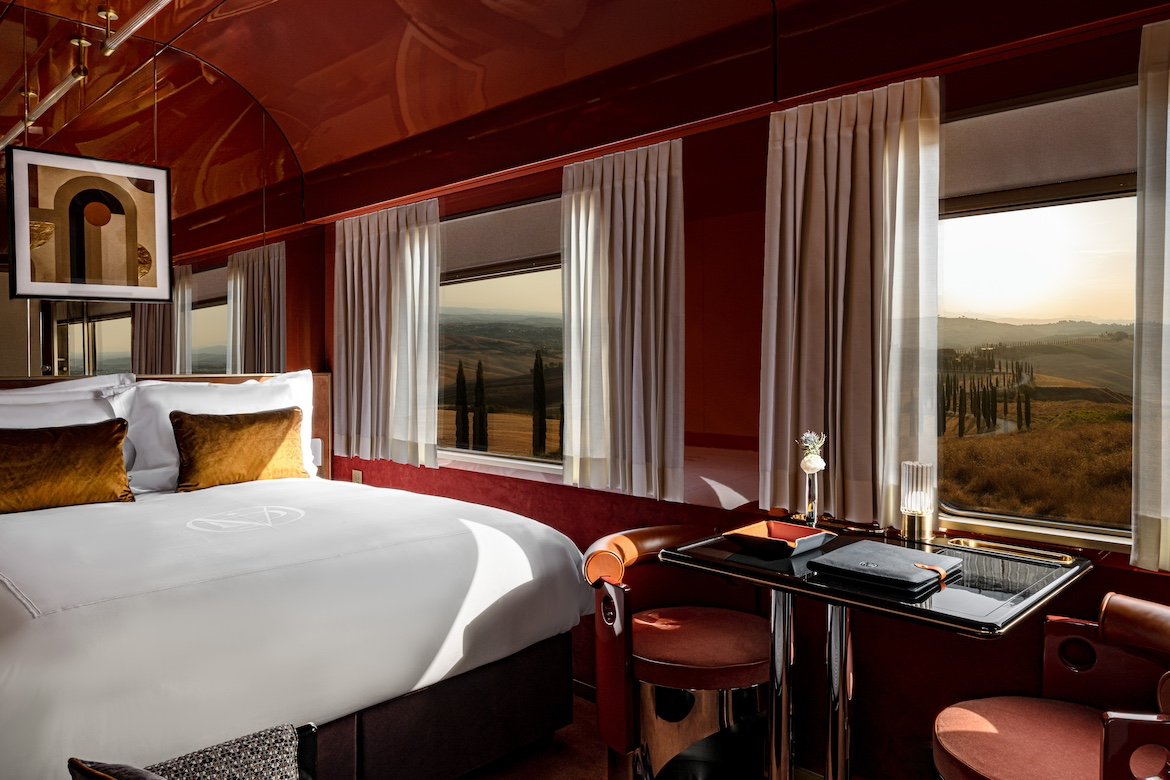
La Dolce Vita Orient Express introduces an exclusive New Year’s Eve rail journey through Tuscany and Venice. Photo: Orient Express
Italy is offering a spectacular new way to welcome 2026 with the launch of La Dolce Vita’s exclusive New Year’s Eve rail journey, a three-day celebration blending Tuscan vineyards, Venetian elegance, and Michelin-starred dining.
Designed for travelers seeking an intimate and immersive holiday escape, the itinerary begins and ends in Rome, delivering an indulgent experience that functions more like a moving five-star hotel than a traditional train trip. With tickets starting at €11,280 per passenger, this journey is crafted for those who want the New Year to feel unforgettable, refined, and free from the usual crowds.
Tuscan Wines, Venetian Glamour, and a Midnight Celebration On Board
The adventure begins on December 30 at Rome’s Ostiense Station, where guests gather in a private lounge before boarding La Dolce Vita Orient Express around midday. The first leg heads to Montalcino, one of Tuscany’s most celebrated wine regions.
Travelers enjoy guided walks through the medieval town and exclusive wine tastings at the 14th-century Fortress of Montalcino. A highlight of the day is a private visit to Antinori’s Pian delle Vigne estate for a Brunello tasting – a rare experience typically inaccessible to the public.
From Tuscany, the train continues toward Venice, arriving just in time for a curated series of cultural experiences. Guests glide along the canals by private boat and take part in exclusive activities such as a glassblowing workshop and a concert in a former church. While Venice sparkles outside, the real celebration unfolds on board.
The New Year’s Eve dinner is created by Heinz Beck, the three-Michelin-star chef behind Rome’s La Pergola, setting the tone for an indulgent evening. Afterward, the bar car becomes the center of the festivities, with live performances and a DJ carrying guests into the new year before the train begins its journey back to Rome.
A Five-Star Hotel on Rails Redefining Italian Luxury Travel
Created by Orient Express and Accor, La Dolce Vita is a modern interpretation of mid-century Italian glamour. The 12-carriage train hosts just 62 passengers, offering plush cabins, elegant lounges, and the signature La Dolce Vita Suite with expansive living space and ensuite facilities. Every detail – from design to dining – has been chosen to immerse travelers in Italy’s cultural heritage.
Beyond this special New Year’s Eve journey, the train operates seasonal itineraries across Italy, exploring regions such as Portofino, Matera, Sicily, and Venice, along with themed departures focused on vineyards, truffles, or golf. The price reflects its exclusivity, with many trips exceeding €12,000 per passenger, yet demand continues to grow among high-net-worth travelers seeking meaningful, once-in-a-lifetime experiences.
For those craving a distinctive and luxurious way to ring in the new year, La Dolce Vita’s “Whispers at Midnight” journey offers an exquisite blend of culture, cuisine, and celebration – an elegant invitation to step into 2026 in true Italian style.
Star Alliance wins World’s Leading Airline Alliance for 2025, marking six consecutive years of global recognition.
By Yuliya Karotkaya
Published:
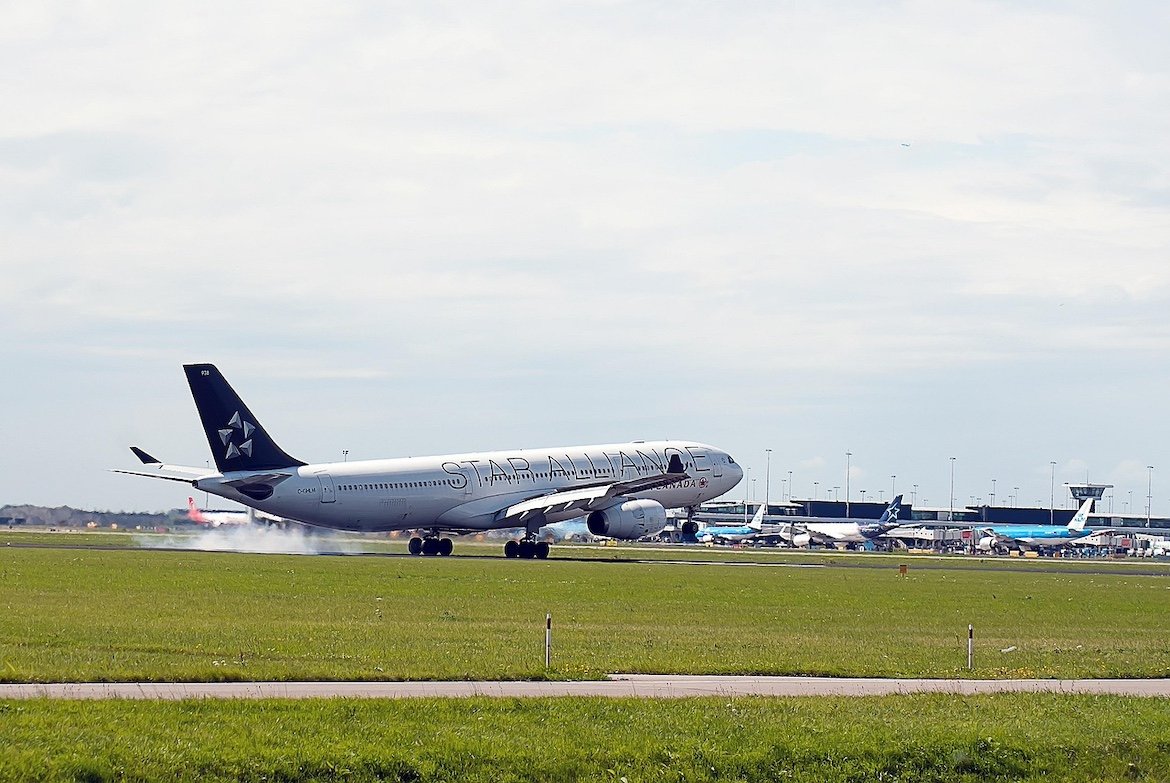
Star Alliance celebrates another win as the world’s top airline alliance. Photo: Pixabay
Star Alliance has been named the World’s Leading Airline Alliance for the sixth consecutive year at the 2025 World Travel Awards, reinforcing its position as the top global network for seamless international travel.
Announced during the Grand Final Gala Ceremony in Bahrain, the award reflects the alliance’s continued focus on improving the customer journey across booking, airport processes, connections, and loyalty integration.
CEO Theo Panagiotoulias said the recognition highlights both traveler confidence and the alliance’s ongoing operational commitment. According to him, the goal remains simple: to make global travel feel effortless. He credited the teams across Star Alliance’s member airlines for delivering consistent service and thanked customers for their continued trust.
This achievement follows another notable win earlier in the year: the Star Alliance Lounge at Los Angeles International Airport earned the title of North America’s Leading Airport Lounge for the sixth year running. Known for its comfort-focused design, curated amenities, and reliable workspace options, the lounge continues to be a favorite among long-haul and frequent international travelers.
Now in its 32nd year, the World Travel Awards recognizes excellence across the global travel, tourism, and hospitality sectors. Winners are determined by a worldwide vote including industry professionals and consumer travel buyers. Organizers praised Star Alliance for maintaining high service standards and setting new benchmarks in the airline experience, even as global travel continues to shift and expand.
Beyond the main alliance award, several Star Alliance member airlines also secured top honors in major categories, including World’s Leading Airline to Asia and World’s Leading Airline to Europe. These individual wins underscore the strength and consistency of the alliance’s carriers, each contributing to Star Alliance’s broad and reliable international network.
With nearly 30 member airlines and an expansive global footprint, Star Alliance remains the industry’s most far-reaching airline partnership. The alliance continues to invest in technology-driven improvements, upgraded lounges, and coordinated loyalty benefits – all aimed at making international travel more connected and more predictable.
As competition in the airline alliance space intensifies, Star Alliance’s sustained leadership signals its ability to adapt while keeping traveler needs at the center of its strategy. The 2025 award not only extends a six-year winning streak but also affirms its position as the preferred choice for millions of passengers seeking smooth, integrated global travel.
Uber is recruiting travel agents to train external AI models, signaling a deeper push into the travel ecosystem alongside major data and advertising expansions.
By Yuliya Karotkaya
Published:
Uber expands its AI and data capabilities as it moves deeper into the global travel ecosystem. Photo: Erik Mclean / Pexels
Uber is accelerating its push into the travel industry, and its latest move marks one of its most ambitious steps yet. Less than six months after launching Uber AI Solutions, the company has begun recruiting experienced travel agents, destination planners and logistics experts to help train generative AI models for external corporate clients.
The three-month freelance project, advertised recently on LinkedIn, seeks specialists rather than hobbyists – a sign that Uber is targeting professional-level travel expertise to shape the next generation of AI-powered trip-planning tools.
While the job listing sparked speculation about Uber building its own AI travel assistant, a company spokesperson clarified that the work is tied to a client project, not an internal product.
Even so, the move demonstrates how Uber is positioning itself as a behind-the-scenes technology provider for travel planning. It is also another sign of how deeply the company is integrating into the broader travel ecosystem, moving far beyond rideshare and food delivery.
A Strategic Push Into Travel Technology
Uber’s interest in the travel sector has been steadily intensifying. Earlier this year, the company partnered with Riyadh Air to integrate Uber’s mobility and booking functionalities directly into the airline’s mobile app – a bold example of how Uber sees itself supporting end-to-end traveler journeys.
It also expanded curbside pickup operations at Sydney International Airport in 2024, pushing deeper into airport mobility despite strong resistance from local taxi groups.
Industry observers have long speculated about how far Uber intends to take its travel ambitions. Last year, rumors circulated suggesting Uber may even consider acquiring Expedia, though the company has not commented publicly on the speculation.
What is clear is that Uber is moving closer to becoming a foundational technology partner for travel companies, from airlines to OTAs to corporate travel providers. Recruiting travel experts to train AI systems is the company’s latest reminder that it intends to build tools that understand real-world travel complexity – something only seasoned agents can provide.
Data Intelligence Becomes a Core Travel Asset
At the same time, Uber’s advertising division is rapidly scaling, unveiling a new data-driven marketing platform called Uber Intelligence. Built with LiveRamp’s clean-room technology, the tool allows brands to merge their customer insights with Uber’s data – revealing patterns in dining habits, mobility trends and travel frequency without sharing personally identifiable information.
For the travel industry, Uber Intelligence could become a powerful resource. A hotel chain, for example, could use the platform to identify which neighborhoods its frequent guests dine in, or which entertainment venues travelers visit before booking a room.
Airlines could use it to analyze airport mobility trends, helping refine loyalty targeting. The platform’s privacy-protected data model keeps user identities hidden while surfacing actionable insights for marketers.
Uber’s ad business is already one of the fastest-growing parts of the company, on track to reach $1.5 billion in annual revenue by the end of 2025. The introduction of Uber Intelligence signals a shift toward more sophisticated advertising services – the kind usually offered by mature digital platforms. For travel brands, it presents a new opportunity to reach audiences at high-intent moments, such as during an airport ride or while planning a business trip.
Uber’s evolving strategy – bolstered by AI, data intelligence and travel-sector recruitment – suggests the company is no longer just a transportation app.
It is becoming a travel infrastructure company, deeply embedded in the decisions travelers make long before they ever open the Uber app.
Hyatt Regency Maui debuts a luxury $12,900 giveaway, offering one winner a 12-night island-hopping escape across four of Hawaii’s top Hyatt resorts.
By Yuliya Karotkaya
Published:
Updated:
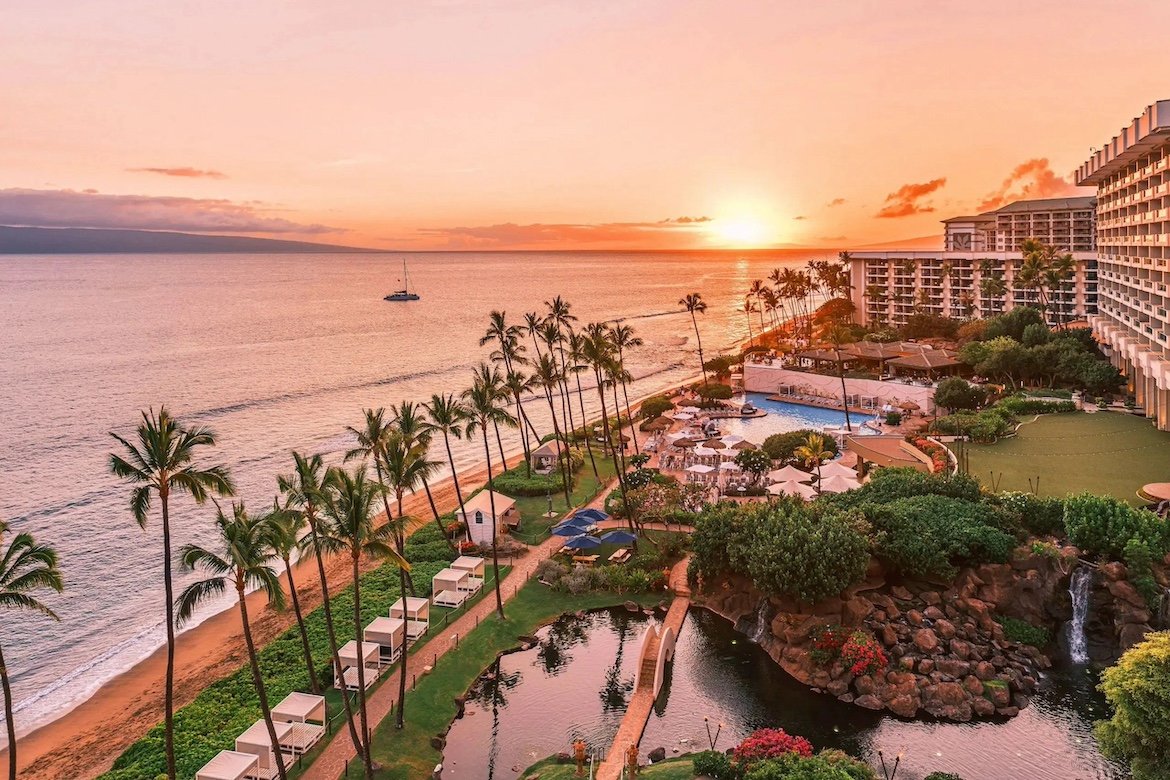
Hyatt Regency Maui invites travelers to experience a luxury island-hopping getaway. Photo: Hyatt
Hyatt Regency Maui Resort and Spa is bringing holiday excitement to a new level with the launch of its “12 Nights of Hyatt” Holiday Giveaway, a luxury sweepstakes offering one winner a 12-night island-hopping escape across four of Hawaii’s most celebrated Hyatt resorts.
Valued at approximately $12,900, the prize includes stays at Hyatt Regency Maui, Andaz Maui at Wailea Resort, Grand Hyatt Kauai Resort & Spa, and Hyatt Regency Waikiki Beach Resort & Spa. It’s one of the most ambitious festive giveaways seen in the Hawaiian hotel space, blending premium hospitality, elevated dining, and signature island experiences into a single dream itinerary.
A Luxury Hawaiian Escape Across Four Islands
The winner will begin their journey at Hyatt Regency Maui Resort and Spa, where three complimentary nights set the tone for an itinerary rooted in oceanfront living and cultural immersion. The resort has long been known for its sweeping views of Kāʻanapali Beach, interactive wildlife experiences, and award-winning dining.
As part of the prize, the winner will enjoy the resort’s new Omakase Experience at Japengo, an intimate tasting menu showcasing local Hawaiian ingredients through inventive preparations.
Each participating resort will also offer culinary credits, allowing the traveler to explore signature dining across Maui, Kauai, and Oahu. Whether savoring fresh seafood in Wailea, discovering the tranquil landscapes of Kauai, or enjoying the vibrant energy of Waikiki, the experience is designed to highlight the diversity of the Hawaiian archipelago.
According to Hyatt Regency Maui’s general manager Fred Findlen, the giveaway reflects an opportunity to connect travelers with the natural beauty and warm hospitality that define the Hyatt experience in Hawai‘i.
How Travelers Can Enter the Holiday Giveaway
The sweepstakes opens at 9:00 a.m. HST on December 12 and closes at 11:59 p.m. HST on December 22. To enter, participants must follow all four Hyatt Hawaii Instagram accounts, like the giveaway post, and tag a travel partner in the comments. Sharing the post on Instagram Stories is optional but can help increase visibility. After the contest closes, the winner will receive a direct message on December 22.
Open exclusively to U.S. residents aged 21 and older, the giveaway requires no purchase to participate. The winner will have complete flexibility when planning their island-hopping adventure, with travel permitted anytime in 2026 as long as the trip is completed by December 31. Full sweepstakes rules will be included in the collaborative post at launch.
Hyatt’s “12 Nights of Hyatt” giveaway captures the spirit of the holiday season while offering travelers the chance to experience four of Hawaii’s most luxurious resorts in a single, curated journey. For one fortunate winner, it promises an unforgettable blend of adventure, relaxation, and the authentic aloha spirit that makes Hawaii one of the world’s most desired destinations.
Jamaica is rapidly restoring its tourism sector after Hurricane Melissa, aiming for near-full operations by December 15 as hotels, airports and attractions reopen across the island.
By Yuliya Karotkaya
Published:
Updated:
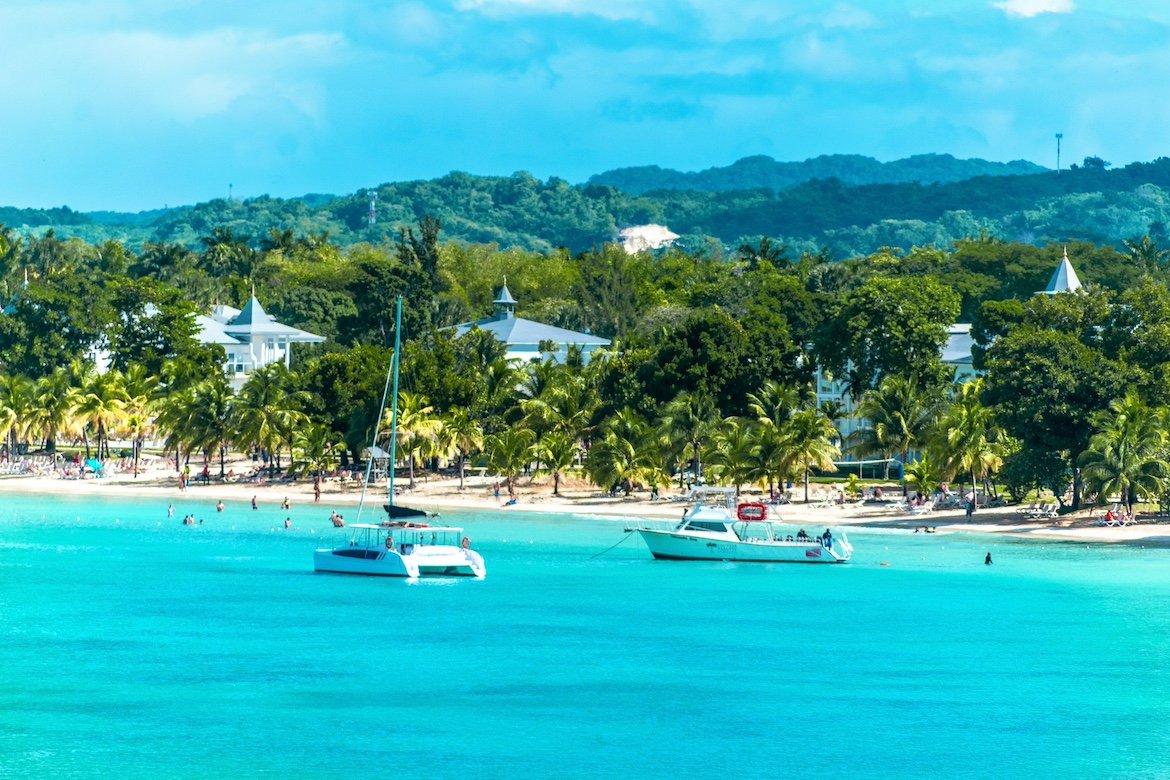
Restored beachfront areas in Jamaica prepare to welcome winter visitors after Hurricane Melissa. Photo: Tom Podmore / Unsplash
Jamaica is moving swiftly to rebuild its tourism sector after Hurricane Melissa battered parts of the island with 185-mile-per-hour winds on October 28.
Five weeks later, officials report significant progress, with the Jamaica Tourist Board reaffirming its goal of having most of the country’s tourism infrastructure operational by December 15. The date carries deep significance as the traditional start of the winter travel season, a critical period for an island where tourism accounts for roughly 35% of GDP and supports around 200,000 jobs.
While the storm left behind pockets of severe destruction – particularly among coastal hotels – other parts of the 146-mile-long island remained largely untouched. Airports, seaports and key transportation routes are once again open, signaling a strong rebound.
The return of airlift is equally encouraging: WestJet recently launched new service from Quebec to Montego Bay, one of the hardest-hit regions, demonstrating continued international confidence in Jamaica as a destination. Additionally, convention centers on the island are welcoming groups again, although a small number of events have been rescheduled as the recovery continues.
Resort Reopenings and Traveler Confidence
Among the most symbolic reopenings is Sandals Dunn’s River near Ocho Rios, which welcomed more than 200 travel advisors during its early December reopening phase. Sandals’ leadership emphasized not only the physical recovery of the resort but also the importance of supporting team members throughout the storm’s aftermath.
Employees received full pay, benefits and tips during the closure, a decision that drew standing ovations from guests and reinforced the brand’s longstanding reputation for taking care of its staff.
Booking retention numbers offer further optimism: 70% to 75% of pre-storm reservations at Sandals’ Jamaican properties remained intact. Travel advisors visiting the island reported strong confidence in recommending Jamaica to clients, noting that the vast majority of tourism areas are already prepared to host visitors.
This reinforces a broader truth often evident after storms in the Caribbean – recovery is rarely uniform, and many of Jamaica’s top tourism corridors experienced minimal damage.
Looking Ahead to the Winter Season
Jamaica’s Director of Tourism, Donovan White, projects that approximately 80% of the nation’s room inventory will be available by the end of January, with some properties choosing to remain closed temporarily to rebuild to even higher standards. These improvements are part of a long-term strategy to strengthen resilience and elevate visitor experiences.
As the island approaches the winter holidays, the tone among tourism leaders is overwhelmingly optimistic. Jamaica’s recovery highlights not only the resiliency of its infrastructure but also the dedication of its hospitality workforce and the loyalty of travelers who continue to choose the island even in challenging times.
For visitors planning a winter getaway – whether to Montego Bay’s beaches, Negril’s cliffs, or the cultural rhythms of Kingston – Jamaica is ready to welcome them back with warmth, music and a renewed spirit.
Otto The Agent, a new AI-powered travel assistant, promises an effortless, concierge-style experience for business travelers by automating planning, booking and real-time problem solving.
By Yuliya Karotkaya
Published:
Updated:
Otto The Agent introduces a new era of AI-powered business travel support. Photo: Otto
Otto The Agent, a new artificial intelligence-powered assistant designed specifically for business travelers, has officially launched after nine months in closed beta. Supported by Madrona Venture and former leaders from Orbitz, Expedia and Concur, the platform aims to redefine how professionals plan and manage their travel.
Its mission centers on simplicity and personalization, replacing traditional search-and-book workflows with a conversational system that behaves more like a human executive assistant. According to CEO and founder Michael Gulmann, business travelers “deserve more than a search box,” and Otto is built to anticipate needs, resolve issues and keep itineraries running smoothly even when unexpected disruptions occur.
The assistant is designed to complete full travel transactions entirely within the interface, without redirecting users to third-party websites or requiring them to reenter payment or profile details. Once Otto evaluates options and presents recommendations, travelers can simply say “book it,” allowing the system to confirm flights, hotels or other arrangements instantly.
This frictionless flow is one of the platform’s defining features, removing steps that traditionally slow down corporate travel planning while ensuring consistency through automated data handling.
Otto also integrates calendar intelligence, allowing it to read schedules, understand constraints and make proactive suggestions. If a meeting shifts or a flight is canceled, the assistant automatically begins replanning, searching alternates and adjusting the itinerary without being prompted.
Over time, the system learns personal habits, loyalty preferences and favored airlines or hotels, transforming trip planning into a predictive process rather than a reactive one. The company describes this as bringing concierge-level service – once available only to top executives – to any employee who travels for work.
Backing from industry veterans further strengthens Otto’s positioning. Steve Singh, founder of Concur and executive chairman of both Spotnana and Otto The Agent, emphasized that the future of travel will be “personal, predictive and effortless.” His involvement signals a broader industry momentum toward AI-driven travel infrastructure.
Otto connects directly with Spotnana’s platform, Booking.com inventory and existing calendars via Microsoft 365 and Google. It can be accessed through web, mobile and email interfaces, while also offering the option to escalate to a human support line through Direct Travel for travelers who prefer speaking with an agent.
Pilots with two unnamed companies have begun through Otto’s partnership with Direct Travel, positioning the assistant for deeper adoption in the corporate travel sector. As organizations look for tools that reduce employee stress and improve trip efficiency, Otto offers a streamlined model where AI removes friction from every stage of the travel experience.
The launch marks a significant step forward in merging automation with business travel, setting the stage for a future where planning, booking and problem-resolution happen seamlessly in the background while travelers stay focused on work – not logistics.
Mandarin Oriental’s Silent Night returns on December 10, offering a global, music-free spa experience centered on sleep, stillness, and digital balance.
By Yuliya Karotkaya
Published:
Updated:
Soft candlelight sets the scene for Mandarin Oriental’s Silent Night 2025. Photo: Mandarin Oriental
Mandarin Oriental will host Silent Night 2025 on December 10, marking the eleventh year of its signature global wellness event. Designed as a deliberate pause during the busiest time of the year, Silent Night invites guests across all Mandarin Oriental Spas to step into a space of quiet reflection, digital disconnection, and restorative calm.
The experience continues to build on the Group’s long-standing wellness philosophy, blending traditional Asian healing practices with modern approaches to sleep and sensory wellbeing.
At 5 p.m., participating spas worldwide will switch off background music and minimize communication, instantly transforming the environment into a peaceful sanctuary. Guests begin with a guided Opening Ceremony rooted in breathwork, aromatherapy, and grounding rituals. The ceremony is meant to ease overstimulated senses and create a shift into stillness – something increasingly difficult to find in daily life.
Silent Night also serves as the global debut of Sleepfulness, a new treatment designed to support healthier sleep patterns. Combining slow restorative movements, breath-focused techniques, and gentle pressure work, Sleepfulness targets stress, jet lag, and digital overload. It reflects Mandarin Oriental’s growing commitment to addressing modern sleep challenges while staying true to its heritage of mindful, holistic care.
The event further deepens the brand’s Tech-Life Integration efforts. Guests are encouraged to disconnect from their devices, observe intentional boundaries, and explore practices that make rest more accessible. Subtle sensory cues, mindful breathing, and quiet transitions help create a more balanced relationship with technology – an issue Mandarin Oriental recognized early on. As Andrea Lomas-Gong, Vice President of Spa & Wellness Operations, explained, digital fatigue has only intensified in recent years, making structured moments of stillness more essential than ever.
Throughout the evening, spas will offer optional silent activities such as tai chi, stretching, sound meditations, or silent walks. These practices help the body unwind, preparing guests for deeper relaxation and better sleep. Teams will also share Sleep Wellness guidance, offering simple habits on light exposure, evening routines, and rest-supportive choices especially relevant for frequent travelers.
Silent Night continues to reinforce Mandarin Oriental’s leadership in the luxury wellness space. It brings together intentional design, ancestral healing techniques, and expert-led rituals to create an experience that is both grounding and transformative. And with Sleepfulness now available year-round, guests can extend the benefits of Silent Night well beyond a single evening, carrying its sense of calm into their everyday lives and future travels.
Join our list to receive latest Blockchain, Crypto & Fintech news:
WordPress database error: [Table 'u752143311_aXVuj.wp_coingecko_coins' doesn't exist]
            SELECT coins.*, meta.post_id as post_id
            FROM `wp_coingecko_coins` coins
            INNER JOIN wp_postmeta meta ON (meta.meta_key = 'wpcf-coin-main-tag' AND meta.meta_value = coins.slug )
            ORDER BY market_cap_usd
            DESC LIMIT 9