Delta Air Lines will launch nonstop service between Atlanta and Riyadh this October, marking the first time a U.S. airline has operated a direct route to Saudi Arabia’s capital.
By Yuliya Karotkaya
Published:
Updated:
A panoramic view of Riyadh’s skyline showcasing the city’s modern architecture and urban landscape. Photo: ekrem osmanoglu / Unsplash
Delta Air Lines has confirmed the launch date for its highly anticipated nonstop service between Atlanta and Riyadh, setting the inaugural flight for October 23. Tickets for the new route will go on sale on September 19, officially opening bookings for what will become the first direct connection between Saudi Arabia and the United States operated by a U.S. airline.
The new Atlanta–Riyadh service represents a strategic milestone for Delta as it continues to expand its long-haul international network beyond its traditional strongholds in Europe and Asia. While the airline announced plans for the route in late October, the lack of a confirmed start date left industry watchers waiting for clarity. With the launch now locked in, Delta is positioning itself at the forefront of a growing aviation relationship between the U.S. and Saudi Arabia.
Currently, Saudia is the only airline offering nonstop flights between the two countries, with services from Jeddah and Riyadh to cities including New York, Washington, D.C., and Los Angeles. Delta’s entry into the market adds a new competitive dynamic, particularly by linking Riyadh directly with Atlanta, one of the largest airline hubs in the world. From Atlanta, passengers will be able to connect easily to destinations across North America, Latin America, and beyond.
The route also aligns closely with Delta’s broader strategic partnership plans in the region. The airline has signaled its intention to work closely with Riyadh Air, the new state-owned Saudi carrier preparing to launch operations. This cooperation is expected to strengthen connectivity between Saudi Arabia and global markets while supporting the country’s wider aviation and tourism ambitions.
Delta will operate the Atlanta–Riyadh flights using an Airbus A350-900, one of the most modern aircraft in its fleet. The jet will feature business class, premium economy, and economy cabins, targeting both corporate travelers and long-haul leisure passengers. The aircraft choice underscores Delta’s focus on comfort, efficiency, and premium onboard experiences for ultra-long-haul routes.
As Saudi Arabia continues to invest heavily in tourism, infrastructure, and international business, the launch of this route reflects rising demand for direct air links. For Delta, the Riyadh service is not only a network expansion but also a statement of intent as the airline looks to secure an early foothold in a rapidly evolving market.
Disney Cruise Line has officially taken delivery of Disney Adventure, its largest ship to date, marking a major milestone as the cruise line prepares for its first long-term expansion into Asia.
By Yuliya Karotkaya
Published:
Updated:
Disney Adventure during final preparations ahead of its debut in Asia. Photo: Disney Cruise Line
Disney Cruise Line has officially taken delivery of Disney Adventure, the largest ship in the company’s history, marking a significant milestone in the cruise line’s long-planned fleet expansion and its first sustained move into the Asian market.
The vessel was formally handed over by German shipbuilder Meyer Werft in mid-December 2025, bringing a complex, years-long construction story closer to its long-awaited conclusion.
With a gross tonnage of approximately 208,000, Disney Adventure will become the largest ship ever operated by Disney Cruise Line when it enters service in March 2026. Designed to carry up to 6,700 guests, the ship represents a major step up in scale for the brand, which has traditionally focused on mid-sized vessels centered on family-friendly experiences and immersive storytelling.
A Long and Unconventional Journey to Completion
Disney Adventure’s path to delivery has been far from straightforward. Construction on the ship began in 2018 under a different owner, when it was originally ordered by Dream Cruises and planned as one of the world’s largest cruise ships. Progress continued until 2022, when Dream Cruises’ parent company, Genting Hong Kong, declared bankruptcy, leaving the vessel roughly 70 percent complete and its future uncertain.
Disney Cruise Line later acquired the partially built ship from Genting’s liquidators and made the strategic decision to bring the vessel into its own fleet. After being renamed Disney Adventure, Meyer Werft was tasked with completing the ship to Disney’s specifications, transforming an unfinished mega-ship into a vessel aligned with the brand’s design standards, entertainment concepts, and guest experience philosophy.
Although the ship was initially scheduled to debut in late 2025, construction and outfitting timelines led Disney to delay the launch until March 2026. The revised schedule resulted in the cancellation of several early sailings, with affected guests rebooked on new dates and offered partial refunds or the option to cancel their reservations.
Singapore Homeport and Strategic Expansion into Asia
Disney Adventure will be homeported in Singapore, operating roundtrip sailings from Marina Bay Cruise Centre. Unlike traditional destination-heavy itineraries, the ship will focus on short three- and four-night cruises that emphasize onboard entertainment, dining, and themed experiences. These “cruises to nowhere” are designed to appeal to regional travelers seeking premium short-break vacations rather than long-haul cruise journeys.
Under an agreement with the Singapore Tourism Board, Disney Adventure is expected to sail from Singapore for at least five years, giving the cruise line a stable base in one of Asia’s most important travel hubs. The move positions Disney Cruise Line to tap into growing demand for cruise vacations across Southeast Asia while introducing its brand to new audiences.
Ahead of the official maiden voyage scheduled for March 10, 2026, the ship will operate a small number of preview sailings, allowing Disney to fine-tune operations before welcoming its first full complement of guests. With delivery now complete, Disney Adventure stands as both the culmination of a complicated construction story and a clear signal of Disney Cruise Line’s ambitions beyond its traditional markets.
India-based corporate travel platform TravelPlus has filed IPO papers, signaling growing investor confidence in enterprise-focused travel technology and its improving profitability.
By Yuliya Karotkaya
Published:
Updated:
A corporate travel platform preparing for its next phase of growth. Photo: Quang Nguyen Vinh / Pexels
India’s corporate travel and expense management sector is set to welcome a new public-market contender as Travelstack Tech, the operator of the TravelPlus platform, has filed draft papers for an initial public offering.
The proposed IPO aims to raise up to ₹250 crore through a fresh issue of shares, alongside an offer-for-sale by existing promoters and investors, marking a significant milestone for one of the country’s fastest-growing enterprise travel technology companies.
Backed by a roster of high-profile investors including Accel, Goldman Sachs, Panthera Growth Partners, and Qualcomm, Travelstack’s public-market ambitions reflect renewed optimism around business travel spending and digital platforms that help companies manage costs more efficiently.
The company may also complete a pre-IPO placement of up to ₹50 crore, which would reduce the size of the fresh issue, giving it flexibility in timing and capital structure ahead of listing.
TravelPlus positions itself as a full-stack corporate travel management platform, enabling enterprises to manage bookings, approvals, expenses, and traveler support through a single system. The platform primarily focuses on hotel-centric corporate travel, a segment that has gained importance as companies seek negotiated rates, standardized policies, and real-time visibility into travel spend. As of the latest reporting period, TravelPlus served 474 enterprise clients, spanning large corporations and fast-growing businesses across India.
The company’s financial performance has improved sharply in recent years, strengthening the case for an IPO. For the financial year ended March 2025, Travelstack reduced its losses to ₹6.2 crore from ₹114 crore the previous year, while revenue rose 30.8 percent to ₹716.3 crore. The turnaround accelerated in the first half of the current fiscal year, with the company reporting a profit of ₹32.1 crore on revenue of ₹400.3 crore for the six months ended September 2025. This shift toward profitability signals a maturing business model and improved operating leverage.
Proceeds from the fresh issue are expected to be used primarily for working capital needs, debt repayment, and general corporate purposes. Around ₹135 crore is earmarked for working capital, supporting higher transaction volumes and platform expansion, while ₹45 crore will go toward reducing outstanding borrowings. As of November 2025, Travelstack carried total borrowings of ₹78.4 crore, making balance-sheet strengthening a key objective ahead of listing.
The shareholding structure highlights the institutional nature of the company even before going public. Promoters hold just over 26 percent of the company on a fully diluted basis, while public shareholders account for nearly 74 percent. Panthera Growth Partners is the largest shareholder, followed by Accel India and Goldman Sachs, underscoring sustained investor confidence despite earlier market volatility.
TravelPlus operates in a niche with limited listed peers, both domestically and internationally. Unlike consumer-facing travel platforms, corporate travel management relies on long-term contracts, deep integration with enterprise workflows, and recurring usage. As companies continue to emphasize compliance, cost control, and automation in travel programs, platforms like TravelPlus may benefit from structural demand beyond cyclical travel trends.
If successful, the IPO would position TravelPlus among a new wave of travel-tech companies tapping public markets, offering investors exposure to the evolving intersection of enterprise software and business travel.
A new high-speed Railjet service is transforming travel between Austria and Italy, cutting journey times between Vienna and Trieste by more than three hours and strengthening sustainable rail travel in Europe.
By Yuliya Karotkaya
Published:
Updated:
A modern passenger train travels through the Alpine landscape on a European rail corridor. Photo: ÖBB / Harald Eisenberger
European rail travel reached an important milestone in December 2025 with the launch of a new high-speed Railjet connection linking Vienna and Trieste in under seven hours.
Operated by Austria’s national rail company, the service significantly reduces travel time between the Austrian capital and Italy’s northeastern port city, cutting the journey from more than nine hours to just six hours and 38 minutes.
The new timetable marks a decisive shift in how passengers can move between Central Europe and the Adriatic coast, offering a faster, more comfortable alternative to flying or driving.
The route departs daily from Vienna Central Station in the early morning and travels through Graz, Klagenfurt, Villach, Udine, and Grado before arriving in Trieste early in the afternoon.
This improved connection is made possible by the opening of the Koralm Railway, a 130-kilometer rail line that includes the Koralm Tunnel, one of the most ambitious rail infrastructure projects ever completed in Austria.
By bypassing slow and winding mountain routes, trains can now move efficiently through the Koralpe mountains, dramatically improving regional and international connectivity.
Beyond linking Vienna and Trieste, the new service also improves access to other destinations in northern Italy. Travelers heading to Venice, for example, can now reach the city about 30 minutes faster than before, bringing the total journey time to roughly seven hours.
For both tourists and business travelers, the upgrade makes rail a far more attractive option for cross-border trips.
Expanding Networks and Supporting Sustainable Mobility
The Vienna–Trieste Railjet is part of a wider expansion of Austria’s long-distance rail network introduced with the December 2025 timetable change. One of the most notable improvements is the introduction of half-hourly service between Vienna and Graz, increasing daily connections from 18 to 33.
Travel between Graz and Klagenfurt has also been transformed, with 29 daily train journeys replacing what was previously a limited bus-based connection. Similarly, daily rail services between Vienna and Klagenfurt have risen sharply, giving passengers far greater flexibility.
These changes reflect a broader strategy to position rail as the backbone of Austria’s transport system. By increasing frequency, reducing travel times, and improving comfort, the country aims to encourage travelers to shift away from cars and short-haul flights. Rail travel produces significantly lower carbon emissions, and investments like the Koralm Railway align closely with European Union climate targets and long-term sustainability goals.
The new high-speed link also has economic and social implications. Trieste stands to benefit from increased tourism and business travel, while cities along the route gain stronger connections to major European hubs. Smaller communities, once poorly served by long-distance transport, are now better integrated into the regional economy.
For passengers, the impact is immediate and practical. Day trips that were once unrealistic become feasible, and longer journeys feel less exhausting. Comfortable onboard services and scenic landscapes turn travel time into part of the experience rather than a burden.
The Vienna–Trieste Railjet is more than a timetable change. It represents years of planning, engineering, and investment aimed at reshaping how people move across borders in Europe. As high-speed rail continues to expand, this new connection stands as a clear signal of a future where travel is faster, greener, and more connected.
Paris has launched Europe’s longest urban cable car, a three-mile line designed to cut commute times and connect underserved southeastern suburbs to the city’s transport network.
By Yuliya Karotkaya
Published:
Updated:
Gondolas of Paris’s new urban cable car glide above the southeastern suburbs. Photo: Iledefrance Mobillites
Paris has added a striking new element to its public transport network with the opening of Europe’s longest urban cable car, a three-mile route designed to improve mobility in the city’s southeastern suburbs.
Traditionally associated with ski resorts or mountainous regions, cable cars are an unusual sight in a dense European capital. Yet city planners say this project responds to a long-standing gap in public transport coverage, offering faster and more reliable connections for neighborhoods that have long been underserved.
The new line, officially known as the Paris Téléphérique or Câble C1, links Créteil with Villeneuve-Saint-Georges, passing above roads that are frequently clogged with traffic. The journey, which can take up to 40 minutes by bus or car during peak hours, is now reduced to around 18 minutes.
With 105 gondolas operating along the route, each carrying up to ten passengers, the system is expected to transport more than 11,000 people per day once fully established.
A Decade-Long Project Focused on Practical Mobility
The cable car project was first proposed nearly two decades ago and faced years of planning, political debate, and technical challenges before becoming reality. Regional officials have described its development as a long obstacle course, reflecting the complexity of integrating aerial transport into a dense urban environment.
At a cost of €138 million, the project was ultimately seen as a more affordable and realistic alternative to extending underground metro lines into the area, which would have required far higher investment and longer construction timelines.
Beyond speed, accessibility was a key consideration in the design. The gondolas can accommodate wheelchairs, bicycles, and pushchairs, making the service usable for a wide range of passengers.
Services typically run from early morning until late evening, with extended hours on Saturdays. During periods of high winds, maintenance, or technical issues, replacement bus services are in place to ensure continuity.
How the Cable Car Fits Into Daily Life in Paris
While tourists may be curious to try Europe’s longest urban cable car, the system is primarily intended for local residents. One of its most notable features is its integration into the existing public transport fare system.
Passengers can ride using the same travel passes and tickets used on buses and the metro, removing the need for special fares or reservations. For occasional users without a travel pass, the cost remains comparable to a standard public transport journey.
Residents have already noted the potential benefits, particularly during busy morning commutes when road congestion is at its worst. By soaring above traffic, the cable car offers a predictable travel time and a quieter alternative to packed buses.
Officials also highlight its environmental advantages, as shifting commuters from cars to public transport could help reduce emissions in some of the city’s most congested corridors.
The opening of the Paris Téléphérique reflects a broader rethink of urban mobility, where cities explore unconventional solutions to long-standing transport challenges.
While cable cars may never replace metros or buses, Paris’s latest addition shows how aerial transport can play a practical role in modern urban life when carefully planned and integrated.
Britain is heading into its busiest Christmas travel period ever, with record numbers expected on roads, railways, and at airports amid major engineering works and seasonal congestion.
By Yuliya Karotkaya
Published:
Updated:
Holiday travelers move through a busy UK transport hub during the Christmas travel period. Photo: Mikechie Esparagoza / Pexels
Britain is preparing for what authorities and transport operators say will be the busiest Christmas travel getaway ever recorded, as millions of people take to the roads, railways, and airports in the days leading up to Christmas.
With leisure trips peaking and vital infrastructure work scheduled during the quieter holiday window, travelers are being urged to plan carefully, check journeys in advance, and allow extra time for delays.
Rail and road networks are facing particular strain this year. Network Rail has scheduled extensive engineering and improvement works across the country, using the festive period to upgrade some of the busiest sections of track. While these projects aim to deliver long-term reliability, they will cause widespread disruption in the short term.
Several major London stations are affected, including full closures and reduced timetables at key hubs, forcing passengers onto replacement buses or alternative routes. Services between London and parts of Scotland will also be impacted for several weeks, adding complexity for long-distance holiday travel.
Rail and Airport Pressure Builds
Passengers traveling by train are being advised to double-check timetables and seat availability, especially on peak days such as the Saturday before Christmas and Christmas Eve.
Rail operators expect millions of journeys over the festive period, with some routes seeing higher demand than last year despite reduced services. Transport officials emphasize that these works are essential and normally impossible to complete during regular operating periods, but acknowledge the inconvenience to holiday travelers.
Airports, meanwhile, are also bracing for unprecedented volumes. December passenger numbers are forecast to surpass last year’s record, with flying on Christmas Day becoming increasingly popular. Heathrow, Manchester, Gatwick, and Edinburgh airports are all expecting some of their busiest days on record, even as flight schedules operate at reduced capacity on Christmas Day itself.
Airport authorities have advised travelers to arrive early, check in online where possible, and be mindful of security rules, particularly when traveling with wrapped gifts.
Roads Face Record Congestion
The road network is expected to bear the heaviest load of all. Motoring organizations estimate that more than 37 million car journeys will take place in the week leading up to Christmas Eve, the highest figure since records began over a decade ago.
Peak congestion is forecast during late morning through early evening hours, particularly around motorway interchanges, retail hubs, and airport access roads. Major routes such as the M25, M1, M6, and M27 are expected to experience significant delays, with some motorway closures in place for planned works.
Traffic experts warn that even relatively short journeys could take much longer than usual, as most festive trips are under 100 miles and tend to converge on the same hotspots.
Drivers are being advised to carry essentials, keep fuel or battery levels topped up, and remain patient during unavoidable delays. Ports, including Dover, are also expecting a surge in outbound traffic, with ferry crossings up sharply compared to last year.
Despite the challenges, authorities stress that careful planning can make a meaningful difference. Checking live traffic updates, avoiding peak travel windows, and building extra time into itineraries could help travelers navigate what promises to be a hectic but memorable Christmas getaway.
OpenAI has opened ChatGPT to third-party app submissions, allowing travel brands to build chat-native tools and compete directly inside AI-driven conversations.
By Yuliya Karotkaya
Published:
Updated:
A smartphone displaying an AI-powered chat interface. Photo: Sanket Mishra / Pexels
OpenAI has taken a major step toward reshaping how consumers interact with digital services by opening ChatGPT to third-party app submissions from outside developers. The move allows companies to build and list their own apps directly inside ChatGPT, placing them alongside early partners such as Booking.com and Expedia.
For the travel industry, this change signals a new phase of competition over who controls the conversation at the moment travelers search, plan, and make decisions.
The newly launched Apps SDK, currently in beta, enables developers to create chat-native experiences designed specifically for conversational use. Instead of redirecting users to external websites or requiring downloads, these apps live directly within ChatGPT.
Once connected, users can access them across devices without repeated setup, creating a seamless experience that blends discovery, personalization, and action in a single interface. Approved apps are listed in a dedicated App Directory, functioning much like an app store but without the friction of traditional installations.
For travel brands, the implications are significant. Early integrations gave major platforms a head start in embedding their services into AI-driven conversations, allowing users to search for hotels, flights, or destinations without leaving ChatGPT. By opening submissions more broadly, OpenAI has lowered the barrier to entry, inviting airlines, hotel groups, tour operators, loyalty platforms, and even smaller startups to compete for visibility and relevance within the same conversational space.
This democratization introduces both opportunity and pressure, as brands must now differentiate not through interface design, but through how intelligently they respond to user intent.
The shift also changes how travel planning may unfold. Rather than browsing multiple sites or apps, users can interact conversationally, refining preferences in real time and receiving contextual responses that feel more personal than traditional search results.
Apps built inside ChatGPT can combine data, recommendations, and booking actions into a single flow, potentially shortening the customer journey while increasing expectations for speed and accuracy. Brands that fail to adapt risk becoming invisible at the earliest stage of decision-making.
At the same time, OpenAI’s review process suggests that quality, safety, and relevance will play a role in determining which apps gain access. This introduces a new layer of platform governance, where compliance and performance may influence discoverability. As more developers join the ecosystem, competition will likely intensify, pushing brands to invest in better data integration, clearer value propositions, and more conversationally fluent experiences.
Ultimately, opening ChatGPT to third-party apps positions the platform as more than a chatbot. It becomes a marketplace of services embedded directly within dialogue, where travel brands compete not for clicks, but for trust and conversational dominance.
As AI-driven interfaces continue to evolve, the ability to participate meaningfully in these conversations may become as critical as maintaining a website or mobile app once was.
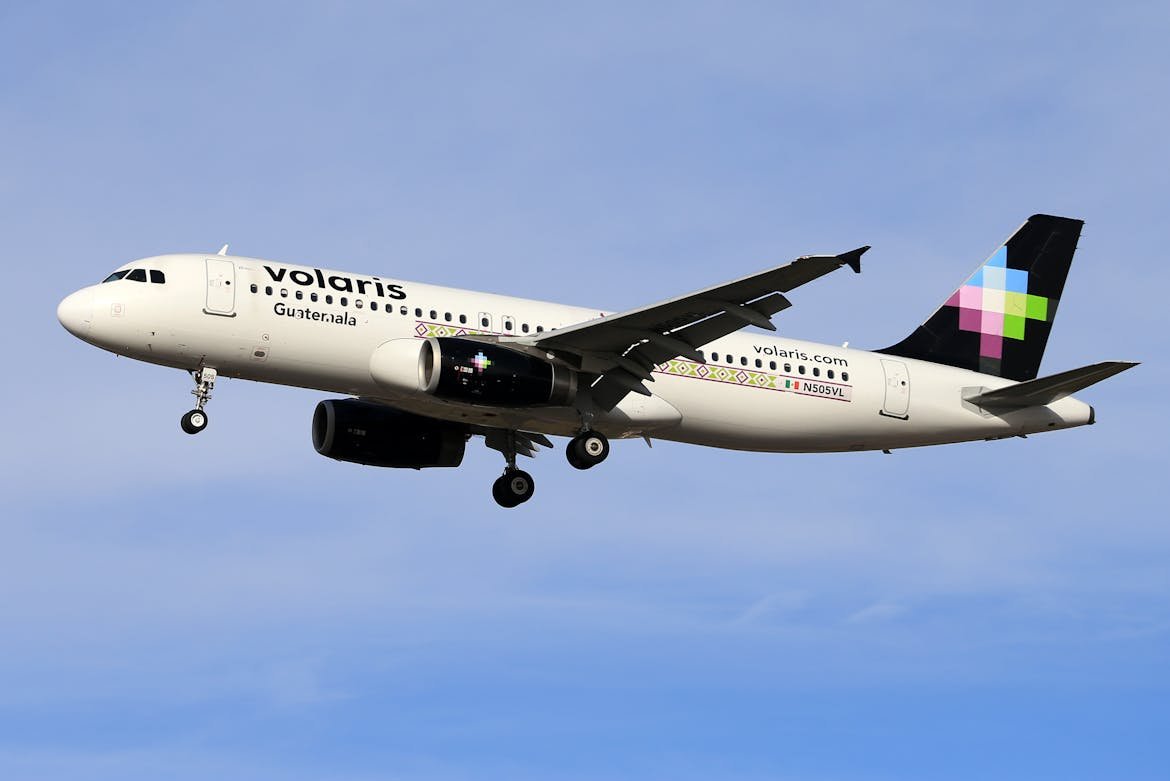
Mexico’s two largest low-cost airlines plan to combine under a new holding structure, a move that could reshape the country’s aviation market if regulators approve.
By Yuliya Karotkaya
Published:
Updated:
A commercial passenger aircraft operated by a Mexican low-cost airline. Photo: Jeffry Surianto / Pexels
Mexico’s aviation sector could be heading for its most significant transformation in years after low-cost giants Volaris and Viva Aerobus announced plans to combine under a newly created holding company.
Revealed just ahead of the Christmas period, the proposed transaction immediately caught the attention of regulators, investors, and competitors alike, signaling a potentially seismic shift in how air travel is structured in the country.
If approved, the deal would bring together the two largest budget carriers in Mexico under a single corporate umbrella while allowing each airline to continue operating independently.
Under the proposal, the companies would form a new parent entity known as the Mexican Airline Group, structured as a merger of equals. Volaris and Viva would retain their individual brands, leadership teams, operating certificates, and day-to-day operations.
The goal, according to the companies, is not to erase competition between the two airlines but to create a stronger combined platform capable of competing more effectively with Mexico’s full-service flag carrier, Aeromexico, as well as with international airlines expanding their presence in the region.
Ownership of the new holding company would be split evenly, with shareholders from each airline receiving a 50% stake on a fully diluted basis. While specific financial terms have not been fully disclosed, the structure suggests a carefully balanced arrangement designed to avoid a traditional acquisition narrative.
This approach may help ease concerns from regulators wary of excessive market concentration, though antitrust scrutiny is expected to be intense given the scale of the combined operation.
Together, Volaris and Viva account for a substantial share of Mexico’s domestic air traffic and have been instrumental in driving the growth of low-cost travel across the country. Their combined networks span major business hubs, leisure destinations, and secondary cities that have benefited from expanded air access over the past decade.
A unified holding structure could allow for better coordination in areas such as fleet planning, aircraft procurement, maintenance, and back-office functions, potentially delivering cost efficiencies without altering the consumer-facing experience.
The announcement also reflects broader pressures facing airlines globally, including rising costs, intense fare competition, and the need for scale to remain profitable. For Mexico’s low-cost sector, the merger could mark a turning point, shifting the competitive dynamic from fragmentation toward consolidation.
At the same time, questions remain about how regulators will assess the impact on fares, route availability, and consumer choice.
Approval is far from guaranteed, and the review process is likely to be lengthy and complex. Regulators will examine whether the deal could reduce competition on key routes or disadvantage travelers in price-sensitive markets. Still, the companies appear confident that preserving separate brands and operations will help address these concerns.
If cleared, the Volaris-Viva combination would not only redefine Mexico’s airline landscape but also stand as one of the most consequential aviation deals in Latin America in recent years.
Cristiano Ronaldo is expanding his luxury portfolio with Vega, a phone-free private members’ club on Madrid’s Golden Mile that targets the city’s elite with strict privacy rules and high fees.
By Yuliya Karotkaya
Published:
Updated:
An exterior view of a luxury venue in Madrid’s Golden Mile. Photo: Ansar Naib / Unsplash
Cristiano Ronaldo is making a bold move beyond football with the launch of Vega Private Members Club, an ultra-exclusive social space set to open on Madrid’s prestigious Golden Mile before the end of the year.
Located on Calle Lagasca, the club positions itself firmly in the tradition of Europe’s most private social institutions, combining strict discretion with high-end dining, business facilities, and curated social experiences. One of its most striking rules is a complete ban on mobile phones and photography, a policy designed to guarantee privacy for its high-profile clientele.
Spanning approximately 1,000 square meters, Vega is designed as a flexible, all-day destination for Madrid’s elite. By day, it functions as a discreet business hub with private offices, co-working areas, and a podcast studio aimed at entrepreneurs, executives, and creatives who value confidentiality.
As evening approaches, the atmosphere shifts toward fine dining and social gatherings, transforming the space into an exclusive enclave for networking and entertainment. The concept reflects a growing appetite among wealthy members for environments that offer both productivity and privacy in a single, controlled setting.
Membership Tiers and the Price of Privacy
Access to Vega comes at a premium. The most exclusive option is the Founders’ Membership, available strictly by invitation and priced at €15,000 as a one-time fee that grants lifetime access. Founding members receive priority reservations, tailored experiences, and the highest level of discretion within the club. For those seeking annual access, standard memberships begin at €2,400 per year, along with an additional upfront initiation fee of €2,000.
These fees place Vega among the most expensive private clubs in Spain, signaling that exclusivity is not just encouraged but enforced. The pricing strategy mirrors similar elite clubs in London and Paris, where high costs serve as a filter as much as a revenue stream. By limiting membership and enforcing strict rules, Vega aims to create a controlled social ecosystem where high-profile individuals can interact without the pressures of public exposure or digital surveillance.
Dining, Design, and Ronaldo’s Expanding Empire
Vega’s layout is divided into several distinct culinary and social concepts. Casa Vega operates as a contemporary bistro suitable for business lunches and informal meetings. Restaurante Vega offers a refined fine-dining experience, while Toto introduces an Italian-inspired menu aimed at evening guests. Complementing these spaces is a dedicated beverage club featuring private cava collections and curated tasting sessions, further reinforcing the club’s luxury positioning.
For Ronaldo, Vega represents another strategic step in building a post-football business legacy. His portfolio already includes fashion, fragrances, fitness clubs, media ventures, and real estate, alongside investments in sports and entertainment. The launch of a private members’ club aligns with his image as a global tastemaker, blending celebrity influence with old-world exclusivity.
By banning phones and emphasizing discretion, Vega taps into a growing backlash against constant connectivity, offering members something increasingly rare: a space where conversations stay private, moments remain undocumented, and status is signaled through access rather than exposure.
American Airlines is rolling out a major premium overhaul in 2026, expanding business-class suites, upgrading regional aircraft, and investing heavily in lounges to better compete for high-value travelers.
By Yuliya Karotkaya
Published:
Updated:
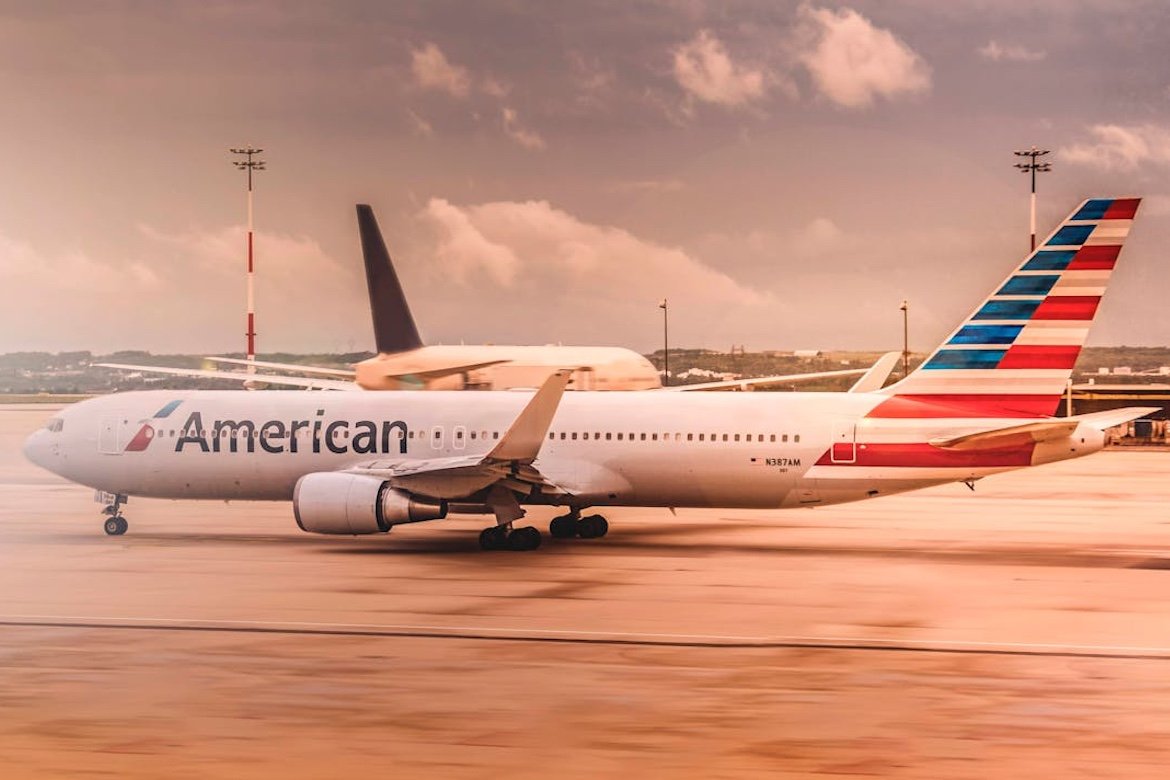
A modern American Airlines aircraft reflecting the carrier’s growing focus on premium travel experiences. Photo: Quintin Gellar / Pexels
American Airlines is entering 2026 with a clear priority: strengthening its appeal to premium travelers as competition intensifies across the U.S. airline industry. The strategy follows a challenging financial year, during which rivals with stronger premium portfolios managed to outperform amid economic pressures.
By expanding high-end offerings, American aims to capture greater revenue from travelers willing to pay for comfort, privacy, and elevated service.
At the center of the plan is the airline’s Flagship Suites business-class product, first introduced in mid-2025 on Boeing 787-9 Dreamliners. Designed to match the expectations of today’s luxury-focused flyers, the suites feature sliding privacy doors, lie-flat beds, premium bedding, and upscale onboard touches.
Initially deployed on select long-haul international routes, the product is now expanding into the domestic market with its debut on the New York to Los Angeles route using Airbus A321XLR aircraft.
The rollout will accelerate throughout 2026, with Flagship Suites being added to existing Boeing 777-200 and 777-300 aircraft. Over the longer term, American plans to significantly increase the number of premium seats across its fleet, targeting a 30 percent rise in domestic premium seating and a 50 percent increase on long-haul aircraft by the end of the decade. The airline’s leadership sees this shift as essential to aligning with evolving traveler expectations and boosting long-term profitability.
Cabin Refreshes, Lounges, and a More Refined Journey
American’s premium push extends well beyond flagship international routes. Regional aircraft, often the first touchpoint for many travelers, are also receiving attention. New and existing Bombardier CRJ and Embraer regional jets are being refreshed with updated interiors, power outlets at every seat, and faster onboard Wi-Fi. These upgrades are designed to bring consistency across the fleet and reduce the gap between short-haul and mainline experiences.
Onboard service enhancements are also part of the equation. Complimentary in-flight Wi-Fi for loyalty members is rolling out across much of the fleet, while select international routes are introducing refined dining touches such as afternoon tea services. Together, these changes aim to create a more seamless and rewarding experience for frequent flyers.
On the ground, American continues to invest heavily in airport lounges, recognizing their growing importance to premium customers. Newly opened and planned Flagship Lounges and Admirals Clubs reflect a broader shift toward more spacious, design-forward environments with improved food and beverage offerings. New concepts, including grab-and-go lounges, are also being tested to cater to travelers who value speed and convenience.
Looking ahead, the airline has confirmed additional lounge expansions and refurbishments in major hubs, reinforcing its commitment to improving every stage of the journey. By combining upgraded aircraft, enhanced service, and modernized airport spaces, American Airlines is positioning 2026 as a turning point in its bid to compete more aggressively in the premium travel market.
Uzbekistan will allow U.S. citizens to enter visa-free for up to 30 days starting January 1, a move expected to significantly boost American travel to Central Asia.
By Yuliya Karotkaya
Published:
Updated:
A historic street scene in Uzbekistan highlighting the country’s Silk Road heritage and growing appeal to international travelers. Photo: Evgeny Matveev / Unsplash
Starting January 1, Uzbekistan will allow U.S. citizens to travel to the country without a visa for stays of up to 30 days, marking a significant shift in accessibility for American travelers interested in Central Asia.
The policy change is widely seen as a milestone for the region’s tourism industry, lowering one of the key barriers that has historically limited travel from the United States. With simpler entry requirements, Uzbekistan is positioning itself as a more approachable destination at a time when American travelers are increasingly seeking culturally rich and less crowded alternatives to traditional hotspots.
Tour operators specializing in Central Asia are already reporting strong momentum. Industry data shows a notable rise in bookings to Uzbekistan over the past year, with some operators seeing double-digit growth. Travel companies point to a combination of eased entry rules, increased online exposure, and a growing appetite for experiential and heritage-based travel as key drivers behind the surge.
For many Americans, the country offers a rare blend of deep history, distinctive architecture, and landscapes that feel both exotic and accessible.
Uzbekistan’s appeal lies in its role as a historic crossroads of the Silk Road, with legendary cities such as Samarkand, Bukhara, and Khiva offering well-preserved Islamic architecture, ancient trading hubs, and vibrant local culture.
Unlike more established destinations, the country remains relatively uncrowded, allowing visitors to explore major landmarks without the pressures of overtourism. This balance of authenticity and comfort is increasingly attractive to travelers who want meaningful experiences rather than checklist tourism.
Tour operators also emphasize Uzbekistan’s strategic position within Central Asia. As the only country in the region that borders all other “Stan” nations, it serves as a natural gateway for broader regional exploration. This connectivity makes it especially appealing for travelers looking to combine multiple destinations into one itinerary, whether for adventure travel, cultural tours, or longer exploratory trips.
The visa-free policy is expected to amplify these trends in 2026 and beyond. Simplified entry not only encourages independent travelers but also makes it easier for tour companies to design flexible itineraries without the uncertainty of visa processing timelines. This is particularly important for American travelers, who often plan trips around limited vacation windows and prioritize destinations with straightforward entry rules.
Uzbekistan’s move also reflects a broader effort by the country to raise its international tourism profile. Investments in infrastructure, hospitality, and transport over recent years have improved the visitor experience, making travel within the country smoother and more comfortable. Combined with competitive pricing compared to many European or Middle Eastern destinations, Uzbekistan is increasingly viewed as a high-value option for long-haul travelers.
As visa-free access comes into effect, industry observers expect American arrivals to continue climbing. For travelers drawn to history, culture, and a sense of discovery, Uzbekistan’s open-door policy may transform it from a niche destination into one of Central Asia’s most compelling travel choices.
Spirit and Frontier are reportedly back in merger discussions, reviving a deal that once fell apart after Spirit chose JetBlue. The timing reflects growing financial strain across the U.S. ultra-low-cost sector.
By Yuliya Karotkaya
Published:
Updated:
A Spirit Airlines aircraft on the tarmac. Photo: David Syphers / Unsplash
Spirit Airlines and Frontier Airlines are reportedly back in merger discussions, reopening a long-running storyline in the U.S. ultra-low-cost carrier market. The talks have not been confirmed publicly, but reports suggest that if the sides reach terms, an announcement could come soon.
Frontier has declined to comment, while Spirit has said it does not address market rumors, even as it acknowledges it is exploring strategic options tied to its ongoing restructuring.
The renewed interest comes at a moment when both airlines are under heavy financial and operational pressure. Spirit is in the middle of another Chapter 11 bankruptcy reorganization within a little over a year, and it has been aggressively shrinking to conserve cash.
Flight schedules have been cut significantly compared with late last year, and the airline is also reducing its fleet, including plans to return dozens of leased aircraft. Spirit has signaled it is negotiating a transaction that could help it exit Chapter 11, while also preparing a path forward as a standalone carrier if a deal does not materialize.
Frontier, meanwhile, has been wrestling with the same post-pandemic reality that has challenged many budget airlines: higher labor costs, shifting customer expectations, and a growing emphasis on premium extras like more legroom. Over the first three quarters of the year, Frontier posted sizable losses and recently made a major leadership change by dismissing longtime CEO Barry Biffle.
The carrier has been working on product adjustments intended to lift revenue, including plans to introduce a first-class option, though such changes can take time to meaningfully impact performance.
A Spirit-Frontier tie-up would not be new. The two airlines agreed to merge before, only for Spirit to walk away in favor of a higher bid from JetBlue. That JetBlue-Spirit deal was later blocked by U.S. regulators, leaving Spirit to navigate its problems without the rescue it expected.
If Frontier were to acquire Spirit now, it would gain roughly an extra 100 aircraft and greater scale to compete, even as the largest U.S. carriers can still undercut fares by expanding basic economy inventory.
Severe winter smog and dense fog have caused widespread flight cancellations and delays in Delhi, disrupting travel during India’s busiest tourism season.
By Yuliya Karotkaya
Published:
Updated:
A hazy view of Delhi as smog blankets the city during the winter season. Photo: Abhishek Choudhary / Unsplash
Toxic air pollution and extreme winter fog have caused major flight disruptions at Delhi’s Indira Gandhi International Airport, grounding and delaying hundreds of flights during one of India’s busiest tourism periods. The disruption has stretched across several days, affecting both domestic and international routes and creating knock-on delays across airline networks.
Air quality levels in Delhi surged deep into the hazardous range, with index readings close to 500, far above levels considered safe for prolonged exposure. Dense fog combined with trapped pollutants dramatically reduced visibility, forcing airlines to cancel flights, delay departures, or divert aircraft to alternate airports. Aviation authorities reported significant congestion in air traffic as pilots struggled to operate safely under deteriorating conditions.
Major carriers acknowledged the severity of the situation, explaining that prolonged low visibility during early morning hours made normal operations impossible. As aircraft were displaced and crews timed out, the impact spread well beyond Delhi, affecting schedules across northern India. For travelers, the situation translated into missed connections, extended airport waits, and last-minute itinerary changes, particularly for those using Delhi as a gateway to the country’s most visited cultural destinations.
Winter pollution has become a recurring operational challenge for aviation in northern India. Each year, the combination of vehicle emissions, construction dust, agricultural burning, and weather patterns creates conditions that overwhelm airport systems. Even with advanced landing technology, prolonged fog and smog continue to disrupt operations during peak travel months.
Travel Advisories, Emergency Measures, and Tourism Impact
The ongoing disruptions prompted multiple travel advisories from foreign governments, urging visitors in Delhi and surrounding areas to exercise caution. Travelers were advised to check flight statuses regularly, limit outdoor activity, and take protective measures such as wearing masks. Vulnerable groups, including children, older adults, pregnant women, and people with respiratory or cardiac conditions, were urged to take extra care or reconsider travel plans.
Local authorities responded by activating the strictest stage of Delhi’s emergency pollution response. Measures included restrictions on certain fossil-fuel vehicles, temporary suspension of construction activities, and reduced occupancy requirements for offices, with many employees instructed to work remotely. Schools were also directed to switch to hybrid learning formats to limit outdoor exposure for students.
These measures, while aimed at protecting public health, have added another layer of complexity for visitors. Reduced public services, altered business hours, and transportation limitations have reshaped the travel experience in the capital. For international tourists arriving during the peak October-to-March season, the pollution crisis has disrupted carefully planned itineraries and raised broader concerns about winter travel to northern India.
Despite the challenges, tourism flows have not stopped entirely, highlighting the resilience of demand during the high season. However, industry observers note that repeated disruptions could affect traveler confidence over time. Airlines, tour operators, and hospitality providers are increasingly forced to factor environmental risks into winter planning, from flexible booking policies to revised schedules.
As Delhi continues to grapple with seasonal pollution and fog, aviation and tourism stakeholders face mounting pressure to adapt. While emergency measures offer temporary relief, long-term solutions remain critical to ensuring that one of Asia’s busiest travel hubs can operate reliably during peak tourism months.
Southwest Airlines is expanding its international connectivity with a new interline agreement with Turkish Airlines, marking its largest global partnership to date and a major strategic shift for the U.S. carrier.
Southwest Airlines is taking another decisive step toward global connectivity with a new interline partnership with Turkish Airlines, significantly expanding its international reach and marking the largest alliance the U.S. carrier has entered to date.
The agreement allows passengers to book single-ticket itineraries that combine flights operated by both airlines, simplifying travel between Southwest’s extensive domestic network and Turkish Airlines’ vast global route map.
The partnership represents a notable evolution for Southwest, which for decades avoided interline agreements and code-sharing in favor of operating as a largely standalone carrier. That long-standing philosophy has shifted rapidly over the past year as the airline adapts to changing traveler expectations and competitive pressures.
Turkish Airlines now joins a growing list of international partners that includes Icelandair, EVA Air, China Airlines, Philippine Airlines, and Condor, whose partnership with Southwest is set to begin in January.
Turkish Airlines brings substantial global scale to the relationship. The Istanbul-based carrier serves dozens of destinations across Europe, Asia, Africa, and the Middle East, with nonstop service to 14 U.S. cities. Under the new agreement, 10 of those U.S. gateways will be included in the interline arrangement with Southwest, offering travelers smoother connections between Turkish’s long-haul international flights and Southwest’s domestic routes across the United States.
Single-ticket itineraries will initially be available through Turkish Airlines’ sales channels and travel agencies, with bookings expected to open early next year. Southwest has confirmed that joint itineraries will not be bookable through its own website or mobile app at launch, as the airline continues to develop the technology needed to support partner-airline bookings within its digital ecosystem.
Despite this limitation, the interline agreement is expected to be particularly valuable for international travelers arriving in the U.S. and seeking convenient onward connections.
For Southwest, the partnership underscores a broader strategic shift toward flexibility and global relevance without committing to long-haul international operations of its own. By relying on interline agreements, the airline can extend its network footprint while maintaining its core focus on short-haul and medium-haul markets, operational efficiency, and its point-to-point business model.
The addition of Turkish Airlines is especially significant given the carrier’s reputation as one of the world’s most connected airlines. Istanbul’s role as a major global hub offers Southwest passengers indirect access to destinations far beyond the airline’s traditional scope, from major European capitals to emerging markets across Africa and Asia.
Industry analysts see the move as a sign that Southwest is positioning itself more competitively in a market where travelers increasingly expect seamless global journeys, even when flying with traditionally domestic-focused airlines. While the airline’s interline strategy remains selective, the scale of the Turkish Airlines partnership suggests that Southwest’s approach to international cooperation is no longer experimental but foundational to its future growth.
More than 122 million Americans are expected to travel over the year-end holidays, even as rising costs push travelers to rethink budgets, transport choices, and hotel stays.
By Yuliya Karotkaya
Published:
Updated:
Holiday decorations bring seasonal atmosphere to the streets of New York City. Photo:
Following NYC / Pexels
Holiday travel in the United States is set to reach new heights this season, with 122.4 million Americans expected to travel at least 50 miles from home between December 20, 2025, and January 1, 2026.
According to new projections, this represents a 2.2 percent increase compared to last year, signaling that the desire to travel remains strong even amid economic uncertainty. After a year marked by inflation concerns and fluctuating consumer confidence, many Americans are still prioritizing time with family, festive getaways, and end-of-year trips.
Driving continues to dominate as the preferred mode of transportation. An estimated 109.5 million people are expected to travel by car, up two percent year over year. Cost control and flexibility are key factors behind this choice, as travelers look for ways to manage expenses without giving up holiday plans. Road trips also allow travelers to avoid higher airfares and maintain greater control over timing during one of the busiest travel periods of the year.
Air travel, however, is also reaching record levels. More than eight million Americans are projected to take domestic flights over the holidays, marking a 2.3 percent increase from last year. This growth comes despite average roundtrip domestic airfare rising roughly seven percent year over year, with prices nearing $900 per ticket. Flights scheduled close to Christmas Day are expected to be the most expensive, reinforcing the idea that travelers are willing to absorb higher costs for peak travel dates.
Budget Pressure Shapes Travel and Hotel Choices
While overall travel demand is growing, budgets are clearly tightening. Recent survey data shows that average holiday travel spending plans are down 18 percent compared to last year, with travelers budgeting just over $2,300 on average. Rising costs across transportation, accommodation, and daily expenses are prompting travelers to make trade-offs, including shorter trips, fewer add-ons, or alternative lodging arrangements.
Hotel stays remain the most popular lodging option, but their share has declined slightly. About 59 percent of holiday travelers plan to stay in hotels this season, down from 62 percent last year. Travelers visiting friends and family are more likely to stay with relatives, while those planning solo trips or romantic getaways continue to favor hotels for comfort and reliability. Despite the dip, hotels remain central to the holiday travel landscape, particularly for leisure and business travelers seeking consistency during peak periods.
Industry surveys suggest that rising prices remain the top reason travelers are scaling back plans. Nearly half of respondents cite overall cost increases as a key factor influencing their decisions. Even so, the willingness to travel persists, highlighting the emotional and social importance of holiday journeys. For many Americans, travel is viewed less as a luxury and more as a meaningful seasonal priority.
As the holiday season approaches, the U.S. travel outlook reflects a careful balance. Americans are traveling in greater numbers, but with sharper attention to value, flexibility, and cost management. This combination of strong demand and budget-conscious planning is shaping one of the most complex and closely watched holiday travel seasons in recent years.
Join our list to receive latest Blockchain, Crypto & Fintech news:
WordPress database error: [Table 'u752143311_aXVuj.wp_coingecko_coins' doesn't exist]
            SELECT coins.*, meta.post_id as post_id
            FROM `wp_coingecko_coins` coins
            INNER JOIN wp_postmeta meta ON (meta.meta_key = 'wpcf-coin-main-tag' AND meta.meta_value = coins.slug )
            ORDER BY market_cap_usd
            DESC LIMIT 9