New Zealand has relaxed its visitor visa rules to attract digital nomads, influencers and remote workers, aiming to boost tourism and support long-term economic growth.
By Yuliya Karotkaya
Published:
Updated:
New Zealand’s updated visa rules aim to attract digital nomads seeking natural beauty and flexible remote work options. Photo: Mikael Dubarry / Pexels
New Zealand is making a bold move to attract remote workers, digital nomads and influencers by relaxing its visitor visa rules. The policy, introduced in 2025, allows travelers to work remotely for foreign employers while visiting the country for up to 90 days, with possible extensions of up to nine months.
The government sees this as a way to revitalize tourism, stimulate local economies and adapt to the global shift toward flexible work. After years of economic pressure and slow recovery following the pandemic, officials hope that longer stays, higher spending and year-round tourism flows will strengthen the country’s visitor economy and support sustainable growth.
The initiative also positions New Zealand alongside more than 50 countries now competing for remote workers, but with a distinct emphasis on nature, culture and high-quality living.
A New Strategy to Boost Tourism and Attract Global Talent
The updated visa framework aims to draw remote workers who can contribute to the economy without competing for local jobs. Digital nomads, content creators and high-skilled professionals are among the target groups, particularly those from the U.S. and East Asia.
Officials have emphasized that remote workers spend more per trip than traditional short-term visitors, often choosing extended stays that support local businesses, hospitality providers and regional attractions. This policy shift is designed to encourage that type of tourism, allowing visitors to enjoy the country’s landscapes and lifestyle while continuing their work routines.
Beyond economic gains, New Zealand sees cultural and reputational advantages. The move reinforces the nation’s identity as a destination where natural beauty and modern flexibility coexist. Visitors can hike alpine trails, explore wineries or work from a lakeside cottage, all while maintaining their careers abroad.
Government leaders frame the policy as a way to bring “super-talented people” through the arrival gates, broadening New Zealand’s global connections and encouraging long-term engagement with the country.
While critics argue that the initiative lacks detailed projections and may present double standards compared to domestic remote work restrictions, the government maintains that the benefits outweigh potential risks.
Supporting Regional Development and Long-Term Tourism Growth
The policy’s impact is expected to reach far beyond major cities like Auckland and Wellington. Remote workers are likely to spend extended time in regions such as Southland, Taranaki and the Bay of Islands, helping spread tourism demand more evenly across the country.
This could reduce pressure on traditional hotspots like Queenstown and Rotorua while supporting the development of local infrastructure, including co-working spaces, long-stay accommodations and improved internet access.
Additionally, New Zealand’s approach aligns closely with its broader sustainability goals. Longer stays reduce the environmental footprint associated with rapid-fire tourism and encourage deeper engagement with local communities.
Flexible, extended travel also supports a more resilient tourism economy – one that is less dependent on peak seasons and better positioned to adapt to global changes in work and lifestyle.
As remote work continues to evolve, New Zealand’s updated visitor visa rules place the country at the forefront of destinations offering a blend of work-life balance, natural beauty and meaningful travel experiences.
ThirdHome and Anantara Vacation Club have signed a three-year partnership that gives top-tier AVC Points Owners priority access to thousands of luxury homes worldwide.
By Yuliya Karotkaya
Published:
Updated:
The new partnership expands global access to luxury villas, residences, and private homes for Anantara Vacation Club members. Photo: Ahmet ÇÖTÜR / Pexels
A new collaboration between ThirdHome and Anantara Vacation Club (AVC) is reshaping what luxury vacation ownership can look like.
The two brands have formed a three-year global exchange partnership designed to give AVC’s top-tier Points Owners access to thousands of premium homes, villas and private residences around the world.
With travel expectations rising across Asia and demand for exclusive, private stays accelerating, the agreement marks a strategic move that benefits both networks. Eligible AVC members will be able to book stays within ThirdHome’s curated portfolio, valued at nearly USD $46.8 billion, beginning in the first quarter of 2026.
For many travelers in the region, this partnership signals a meaningful expansion of choice, flexibility and international reach.
Exclusive Global Access for AVC Points Owners
Under the agreement, Anantara Vacation Club’s elite members – including Diamond, Emerald, Platinum, Sapphire, Prestige and Royal Club Points Owners – will receive priority entry into ThirdHome’s upscale exchange platform.
This includes access to properties such as coastal villas, mountain retreats, contemporary city residences and architect-designed second homes in highly desirable destinations. The collection spans iconic leisure markets across the Caribbean, Mediterranean, North America and Europe, offering new levels of luxury beyond the traditional vacation ownership model.
The brands describe the partnership as a natural alignment. Both emphasize high-quality travel, exceptional home standards and curated experiences rather than volume-based accommodation.
For AVC members, the opportunity to stay in rare and private properties significantly broadens the range of premium travel options available under their membership.
The partnership elevates the vacation ownership experience by allowing members to move between both networks with greater ease, experiencing a diverse selection of global homes that match their expectations for privacy, comfort and exclusivity.
ThirdHome’s leadership highlights that AVC’s member base is a strong fit with the platform’s philosophy, particularly as travel demand among affluent Asian travelers continues to grow.
Meanwhile, AVC reinforces that its members increasingly value meaningful choices and memorable stays that go beyond conventional resort accommodations, making the expanded portfolio especially appealing.
A Strategic Expansion Across Asia
Beyond member benefits, the partnership plays an important strategic role for ThirdHome. As interest in luxury second-home travel continues to surge across Asia, the agreement strengthens ThirdHome’s presence in key regional markets.
By closely integrating with Anantara Vacation Club, the platform aims to introduce more Asian destinations into its global exchange network – from beach villas in Thailand to private homes in Japan, Bali and other high-demand leisure regions. This broadens the selection for members seeking both long-haul international itineraries and nearby escapes within the Asia-Pacific region.
For AVC Points Owners, the partnership brings new access to properties across Asia and beyond, aligning with the growing desire for unique, high-end stays that reflect local culture and design.
ThirdHome members also benefit, gaining expanded reach into Asia’s most desirable destinations and enjoying more choice than ever before. Together, the two organizations are setting a new benchmark for luxury vacation exchange, combining curated experiences with a global network of premium homes.
Black Friday 2025 brings major savings across flights, hotels, cruises, ski holidays and package trips. Here’s a clear, structured breakdown of the best travel deals available this year.
By Yuliya Karotkaya
Published:
Updated:
Travelers can lock in major savings across flights, hotels, and cruises during Black Friday 2025. Photo: sarah b / Unsplash
Black Friday, Cyber Monday and Travel Tuesday have grown into one of the most important sales periods of the year for travelers.
What once started as a single day of frantic in-store promotions has evolved into a long week of online travel offers, with airlines, hotel groups, cruise lines, rail operators and tour companies competing to launch their deepest discounts.
For many travelers, this has become the ideal moment to lock in 2025 and 2026 vacations at prices that won’t return later in the year.
This year’s lineup includes everything from discounted long-haul flights and European city breaks to half-price cruises, hotel deals across the U.S. and Europe, ski offers, rail passes and package-holiday promotions.
Whether you’re planning a beach getaway, a family trip, a cultural city escape or a once-in-a-lifetime adventure, the Black Friday travel deals of 2025 offer something for every type of traveler. Below is a clear, structured guide to the best offers available.
FLIGHTS
Jet2
Jet2 is offering an automatic 20 percent discount on all flights. The sale covers travel from late 2025 through October 2027, with 50,000 seats priced at £50 or less for one-way trips through March 2026.
Ryanair
Ryanair is discounting select flights by 15 percent until November 28. It’s a strong option for last-minute winter escapes and early 2026 city breaks.
easyJet
easyJet’s promotion includes:
£50 off holidays over £500
£100 off holidays over £800
£200 off holidays over £2,000
Ideal for European weekends, ski holidays and Mediterranean escapes.
Air Transat
Air Transat has return fares from the UK to Toronto, Montreal and Ottawa starting at £379, with Glasgow–Toronto routes from £359.
ExpediaFlights
Expedia is offering up to 40 percent off select flight routes when booked before December 2.
CRUISES
MSC Cruises
MSC Cruises is offering 50 percent off thousands of itineraries across 2026 and 2027, with seven-night sailings starting around £399. Extras like excursions and drink packages can be discounted up to 70 percent.
Virgin Voyages
Virgin Voyages is offering 80 percent off the second sailor and promotional fares from $99 per person per night on select routes.
Royal Caribbean
Royal Caribbean has up to £760 off cruise fares. A third and fourth guest can sail from £99 each on selected sailings.
Norwegian Cruise Line
NCL is slashing fares by 50 percent across many itineraries, including its newest ships Norwegian Aqua and Norwegian Luna.
Oceania Cruises
Oceania is offering up to 50 percent off more than 170 culinary-focused sailings across 2026 and 2027.
PACKAGE HOLIDAYS
TUI
Tiered savings include:
£100 off holidays over £1,000
£200 off over £2,500
£300 off over £3,500
Valid through October 2027.
loveholidays
loveholidays is cutting up to £550 off packages for families or groups of four. Some seven-night stays drop to around £140 per person.
Jet2holidays
£100 off per person on holiday departures between late 2025 and October 2027, with easy-to-apply discount structure.
Contiki
Contiki is offering up to 30 percent off trips for travelers aged 18–35, including Europe, Southeast Asia and Australia.
G Adventures
G Adventures is offering up to 30 percent off select small-group adventures.
Intrepid Travel
Intrepid is offering up to 20 percent off select premium and adventure itineraries.
HOTELS
Booking.com
Booking.com is offering:
Up to 40 percent off hotels
Up to 25 percent off car rentals
Up to 20 percent off attractions and airport transfers
Hotels.com
Hotels.com is offering up to 40 percent off stays, with select properties discounted by up to 75 percent on December 2 only.
Hyatt
World of Hyatt members get up to 30 percent off stays worldwide. Non-members receive 25 percent.
Yotel
Yotel’s global sale includes up to 40 percent off stays across the U.S., Europe and Asia.
Marine & Lawn Hotels & Resorts
This luxury Scottish brand offers 50 percent off stays between January and April 2026.
Marriott Bonvoy
Marriott Bonvoy members receive 25 percent off stays through February 2026. Non-members get 15 percent.
SKI TRIPS
Heidi
Heidi is offering £100 off ski holidays priced over £1,500 per person through December 2.
Much Better Adventures
Up to 15 percent off select winter and ski departures, including Alpine group trips.
WeRoad
WeRoad is cutting up to 30 percent off its group ski itineraries in Europe, alongside wider holiday deals.
A growing number of young adults are planning trips around concerts, sports games and festivals. New data from Arival shows event-driven travel shaping how millennials and Gen Z choose their destinations.
By Yuliya Karotkaya
Published:
Updated:
Young travelers attending major events that shape their travel plans. Photo: anna-m. w. / Pexels
Event-driven travel is becoming one of the most influential forces shaping where young adults choose to go. A recent large-scale survey from Arival highlights a significant shift among travelers aged 18 to 34 in both the United States and Europe.
Nearly half of young Americans and 40 percent of young Europeans now say that an event is a major factor in choosing their travel destination. These events range widely, from concerts and festivals to major sports matches, and their growing importance suggests a fundamental change in how younger generations approach travel planning.
Instead of starting with a place and searching for activities, many now begin with an event and build their entire trip around it.
Why Events Matter More to Young Travelers
Younger travelers increasingly value shared cultural moments, especially those that feel social, immersive and emotionally memorable. Sports events are particularly popular across both the U.S. and Europe, consistently outranking other types of events for this demographic.
While older travelers still often prefer performing arts and cultural programs, younger adults are gravitating toward music festivals, headline concerts, and major sports rivalries. The Arival survey also showed that young adults tend to attend multiple events each year, averaging roughly three to four annual event-driven trips.
This shift also reflects broader lifestyle trends. Millennials and Gen Z travelers frequently seek experiences that are social, story-worthy and aligned with their personal interests. An event often becomes the centerpiece of the journey, giving the trip purpose and creating a stronger emotional connection to the destination.
The appeal extends beyond the event itself. Travelers are pairing these trips with local food experiences, nightlife, meetups and activities that make the journey more rounded and personal.
Opportunities and Spending Trends Shaping the Industry
Event travelers are also demonstrating strong spending power. In the United States, older millennials and Gen X travelers spend the most per event, averaging around 380 dollars.
In Europe, younger millennials and Gen Z spend approximately 220 euros per event, reflecting their willingness to pay for premium experiences such as VIP access or upgraded seating.
This interest in elevated event experiences presents an important opportunity for travel operators. According to Arival, there is an “enormous” potential for companies to create curated offerings that complement the event, from pre-game food tours to post-concert nightlife activities or exclusive behind-the-scenes access.
At the same time, the industry has been slow to integrate event booking directly into travel platforms. Only about a quarter of consumers who purchase event tickets do so through travel websites, leaving significant room for innovation.
Many travelers still rely on separate platforms to secure their event tickets, creating a fragmented experience. As tech-savvy travelers increasingly plan and book online, the gap suggests that travel companies could gain ground by offering more seamless, bundled ticket and travel solutions.
Event-driven travel is now emerging as a long-term trend, not a short-lived shift. As millennials and Gen Z continue to dominate the travel market, their preferences will shape how destinations and travel businesses design experiences. For many young adults, a concert, festival or match is no longer an add-on to a trip.
It is the reason to travel, suggesting a future where event tourism becomes a core pillar of the broader travel landscape.
KuCoin Pay has introduced KuCoin Pay Travel, a new platform that lets users book over 2.2 million hotels worldwide using cryptocurrency, offering savings of up to 60%. The partnership with Entravel brings crypto deeper into mainstream travel.
By Yuliya Karotkaya
Published:
Updated:
KuCoin Pay Travel enables global hotel bookings with seamless crypto payments. Photo: Zoshua Colah / Unsplash
KuCoin Pay has launched KuCoin Pay Travel, a new platform designed to bring cryptocurrency directly into global travel planning. Built in partnership with Entravel, an AI-powered and crypto-native travel provider, the service gives KuCoin’s more than 40 million users access to over 2.2 million hotels worldwide.
The launch emphasizes convenience, competitive pricing and a broader vision of using digital assets beyond trading environments. For travelers increasingly looking for flexible and modern payment options, the platform positions crypto as a practical tool rather than a niche technology.
One of the defining features of KuCoin Pay Travel is its hotel savings, with discounts of up to 60 percent across budget, mid-range and luxury properties. These rates come from Entravel’s exclusive members-only inventory, which is typically unavailable through mainstream booking sites.
By offering this level of pricing transparency and value, the platform appeals to travelers seeking both affordability and premium experiences. Support for more than 50 cryptocurrencies further enhances flexibility, allowing seamless, borderless payments without the usual concerns of currency exchange, foreign transaction fees or payment limitations.
The introduction of KuCoin Pay Travel also expands KuCoin Pay’s role within global commerce. What began as a crypto payment solution is now positioned as a gateway into real-world spending, from retail and digital purchases to experiences like hotel stays.
This evolution reflects a wider trend in travel technology where fintech and crypto solutions are becoming more integrated into everyday travel decisions. For travelers frequently moving between countries, being able to book and pay without friction adds a level of convenience that traditional systems sometimes struggle to match.
KuCoin’s leadership highlighted the significance of making crypto more useful in daily life. By connecting digital assets to something as tangible as travel, the company aims to demonstrate the practical value of cryptocurrency beyond speculation.
Travelers can use their preferred tokens for convenience or take advantage of exclusive savings, creating a more personalized booking experience. The emphasis on a secure and compliant ecosystem also reinforces KuCoin’s commitment to user protection, which remains central to broader crypto adoption.
Entravel’s involvement adds additional credibility, as the company has built its reputation around private hotel pricing and crypto travel infrastructure. By integrating its system into KuCoin Pay Travel, millions of users gain access to insider-level rates that traditionally remain behind membership walls. With hotel prices rising globally, these discounts create a compelling incentive for crypto users looking to stretch their travel budgets without compromising on quality.
As digital payments evolve and the travel sector continues modernizing, KuCoin Pay Travel positions itself at the intersection of both trends. By offering broad hotel inventory, exclusive pricing and effortless crypto payments, the platform stands to become a useful tool for travelers seeking smarter, more flexible ways to book their stays.
It also marks a notable step in bringing crypto further into real-world experiences, influencing how travelers may plan and pay for their trips in the years ahead.
Qatar Airways has partnered with football legend Rio Ferdinand to launch Qatar Airways United, a global youth empowerment initiative aimed at inspiring confidence, leadership and opportunity for underserved young people.
By Yuliya Karotkaya
Published:
Updated:
Rio Ferdinand and Qatar Airways partners meeting young participants during the Milan Derby launch event. Photo:
Qatar Airways has introduced a new global youth empowerment initiative in partnership with football legend Rio Ferdinand. Called Qatar Airways United, the program aims to bring confidence-building experiences to underserved young people by connecting them with world-class sporting events and role models.
The airline launched the initiative at the Milan Derby in November 2025, marking the beginning of a wide-ranging effort to use sport as a pathway for inspiration and growth. Children with visual disabilities were among the first to join the experience, giving them rare access to one of football’s most iconic rivalries at San Siro Stadium.
The event set the tone for a series of projects designed to create meaningful opportunities for young people who may have limited access to such moments.
A Launch Rooted in Mentorship and Connection
The launch in Milan brought together Qatar Airways partners, Inter Milan representatives and Real Eyes Sport, a local social responsibility organization.
The young participants were able to feel the atmosphere of the match from close range and meet Inter players, creating an experience that extended far beyond the ninety minutes on the pitch.
Inter’s Vice President Javier Zanetti joined the visit, reinforcing the initiative’s emphasis on mentorship and exposure to positive influences. Qatar Airways Group Chief Executive Officer, Engr. Badr Mohammed Al-Meer, emphasized that the power of sport lies in its ability to open doors for young people from every background.
He noted that the initiative aims to provide tools, confidence and encouragement for youth to pursue their own ambitions, whether within sports or in other fields.
Rio Ferdinand echoed this sentiment by reflecting on how sport shaped his life. He described football as a gateway that introduced him to new cultures, broadened his perspective and gave him opportunities he never expected.
Through Qatar Airways United, he hopes to show young people that sport can do the same for them. His vision is for the program to help them see possibility, build ambition and develop the kind of self-belief that stays with them long after the final whistle.
Expanding Global Access Through Major Sporting Events
Following the launch in Milan, the initiative will extend to a range of premier sporting events through Qatar Airways’ extensive partnerships. Next, children supported by Education Above All will take part in a behind-the-scenes experience at the Formula 1 Qatar Airways Grand Prix in November 2025.
Additional events planned for 2026 include the Paris Saint Germain vs Marseille match in Paris, the UEFA Champions League Final in Budapest and the FIFA World Cup 26 Final in New York. At each location, Ferdinand will join young participants from the hosting cities, offering mentorship while guiding them through unforgettable experiences.
The initiative will be documented and released through Ferdinand’s official YouTube channel and Qatar Airways’ platforms, reaching a global audience and later appearing on the airline’s Oryx One in-flight entertainment system.
Through Qatar Airways United, the airline continues to build on its expansive sports partnerships across football, tennis, racing and more. The initiative underscores how large-scale sporting events can serve as powerful platforms for positive social change.
By connecting young people with these moments, Qatar Airways aims to create experiences that foster belonging, confidence and long-term inspiration.
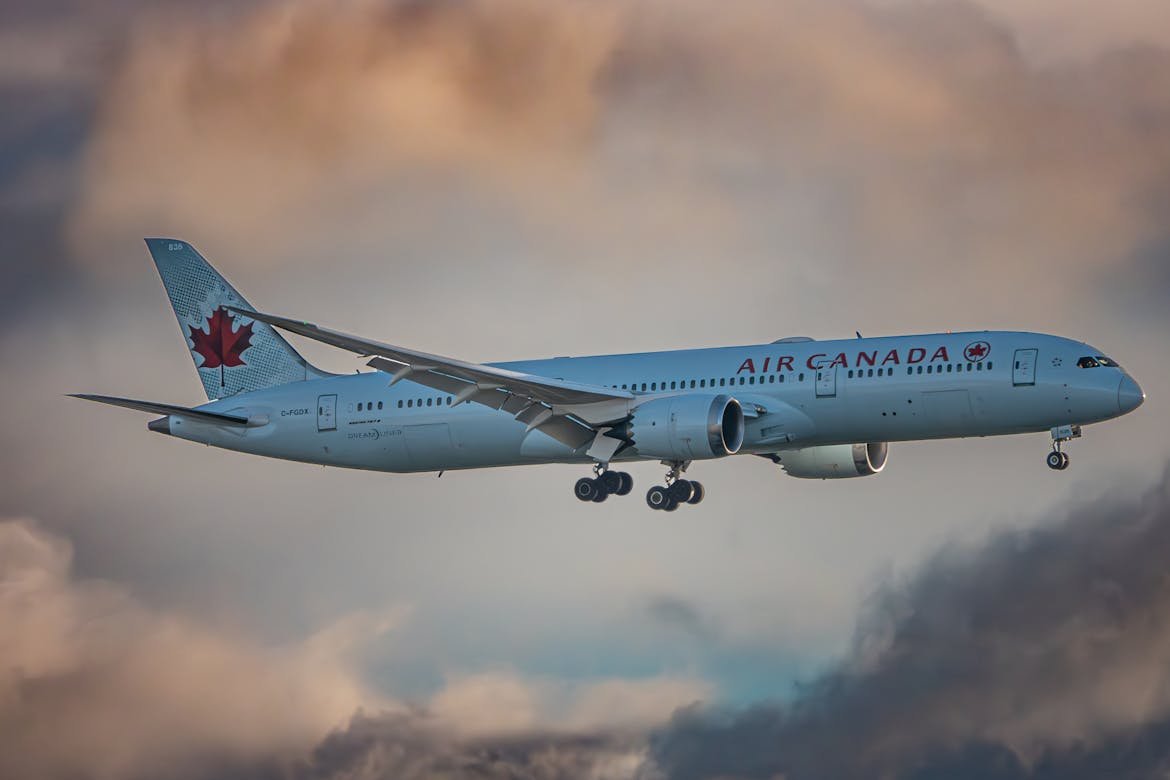
Air Canada is adding new non-stop flights across Europe for Summer 2026, expanding connections from Montréal, Toronto and Halifax to Berlin, Nantes, the Azores and Brussels.
By Yuliya Karotkaya
Published:
Updated:
Air Canada expands its European network for Summer 2026 with new routes connecting major Canadian cities to key destinations. Photo: Airborne YVR / Pexels
Air Canada is preparing for a major boost to its transatlantic network in Summer 2026, unveiling new non-stop routes from Montréal, Toronto and Halifax to several destinations across Europe.
The airline continues to grow its international footprint, responding to rising demand for convenient long-haul travel and strengthening connections between Canada and important European regions.
With new flights to Berlin, Nantes, Ponta Delgada and Brussels, as well as the return of seasonal service to Tel Aviv, Air Canada is positioning itself as one of North America’s leading carriers for travel across the Atlantic.
These additions follow earlier expansion announcements that introduced flights to Palma de Mallorca, Catania, Shanghai and Budapest, reinforcing the airline’s long-term strategy of broadening its global access and offering passengers more choice.
New Routes Strengthen Transatlantic Access for Canadian Travelers
The expansion introduces a diverse mix of destinations, each offering travelers distinctive cultural and leisure experiences. From Montréal, Air Canada will launch non-stop flights to Berlin and Nantes, both operating three times weekly.
Berlin adds another major European capital to the airline’s network, connecting Montréal travelers to a city known for its creative energy, historic landmarks and modern design. Nantes, located in France’s Loire Valley, offers a gateway to a region celebrated for its châteaux, river landscapes and relaxed French lifestyle.
Together, the two routes broaden access to Western Europe with seasonal flights tailored for both leisure and business travelers.
Toronto will see a new connection to Ponta Delgada in the Azores, offering three weekly flights to São Miguel Island. Known for its dramatic volcanic scenery, hot springs and outdoor adventures, the Azores have become increasingly attractive for travelers seeking nature-driven escapes.
This marks Air Canada’s third destination in Portugal, reflecting strong demand and cultural ties between the two countries. The route will operate seasonally and gives travelers another convenient option for reaching the mid-Atlantic archipelago without connecting through mainland Europe.
Halifax will gain added international reach through a new non-stop route to Brussels, also scheduled three times weekly. As a major political center and home to key European institutions, Brussels provides valuable access for both tourism and business travel. It also serves as a connecting point to a broader European and African network, thanks to partnerships within the region.
For Halifax, the new route marks only its second international destination served by Air Canada outside of the United States, complementing the existing service to London Heathrow.
In addition to new routes, Air Canada will resume its seasonal Montréal–Tel Aviv service in Summer 2026. Operating aboard the Boeing 787 Dreamliner, this route offers a long-haul option for travelers heading to one of the Middle East’s most dynamic cities. Combined with other recently announced routes, these additions contribute to a transatlantic network that will connect Canada to more than 126 global destinations next summer.
Together, the Summer 2026 schedule represents a significant expansion of Air Canada’s international offering. The new routes not only enhance convenience but also support tourism, economic ties and cultural exchange between Canada and key global regions.
As travel demand continues to grow, Air Canada’s increased presence across Europe and beyond positions the airline for a strong season ahead.
Tripadvisor’s Winter Travel Index shows strong global demand, with travelers split between cold-weather cities and tropical escapes. Here are the top winter trends and destinations.
By Yuliya Karotkaya
Published:
Updated:
Christmas lights illuminate central London, one of the world’s most popular winter city destinations. Photo: Zetong Li / Pexels
Winter 2025 is shaping up to be one of the busiest cold-season travel periods in years.
According to Tripadvisor’s Winter Travel Index, 60 percent of travelers are planning at least one trip, and nearly half say they’ll travel more this winter than last year. Bookings are already up by 45 percent year-over-year, reflecting a surge in demand for both classic winter sunshine trips and cultural urban getaways.
Cost still plays a major role in planning, but travelers appear increasingly willing to invest in experiences, with more than half expecting to spend more on travel than last winter.
The season’s trends reveal clear generational differences, strong interest in longer stays, and a mix of familiar favorites and fast-rising destinations.
Winter Travel Trends
Trip Frequency and Budget Priorities
Most travelers plan one or two trips this winter, with 54 percent choosing stays of five nights or more. Cost remains the top consideration across all age groups, yet confidence in travel spending remains high, with 52 percent expecting to spend more than last year.
Experience-Driven Travel
Travelers are placing a strong emphasis on activities. Ninety-three percent consider experiences an essential part of their travel budget, and 84 percent say planned activities shape their itinerary.
Cultural sightseeing leads at 38 percent, followed closely by nature-focused trips at 37 percent, with shopping and road trips also popular.
Generational Differences
Generational preferences continue to diverge. Relaxation is a top priority for Boomers and Gen X at 51 percent, while only 37 percent of Gen Z places rest at the top of their list.
Gen Z travelers are far more interested in meeting new people, at 24 percent compared to just 11 percent of Boomers. Younger travelers also tend to plan more active itineraries, often visiting multiple cities in a single trip.
These cities continue to attract travelers seeking a mix of experiences, from holiday events to nightlife and warm-weather escapes.
Year-Over-Year Domestic Growth Leaders
Several destinations are seeing notable rises in domestic interest this winter. New York City and Key West lead the list, followed by Hamburg and Anaheim, both experiencing a strong increase in bookings.
U.S. Traveler Favorites
For U.S. travelers specifically, the most popular domestic destinations are New York City, Las Vegas, Orlando and Key West. The combination of entertainment, attractions and winter sunshine continues to make these cities top picks.
International Winter Destinations
Global Favorites
Internationally, London, Bangkok, Cancun and Paris rise to the top. This mix illustrates the season’s two dominant travel styles: classic winter sun and culture-rich cities.
Rising International Destinations
Travelers are also showing strong interest in emerging hotspots. Prague, Shanghai, Mecca and Nha Trang are among the fastest-growing destinations this year.
U.S. Travelers Abroad
American travelers overwhelmingly choose warm, tropical destinations during the winter months. Cancun, Playa del Carmen, Cabo San Lucas and Bavaro lead the list, driven by easy access, resort options and reliable sunshine.
Marriott International has launched its newest collection brand, Series by Marriott, through a major partnership with The Fern Hotels & Resorts. The debut includes 26 properties across India, strengthening the company’s mid-scale presence and signaling wider expansion ahead.
By Yuliya Karotkaya
Published:
Updated:
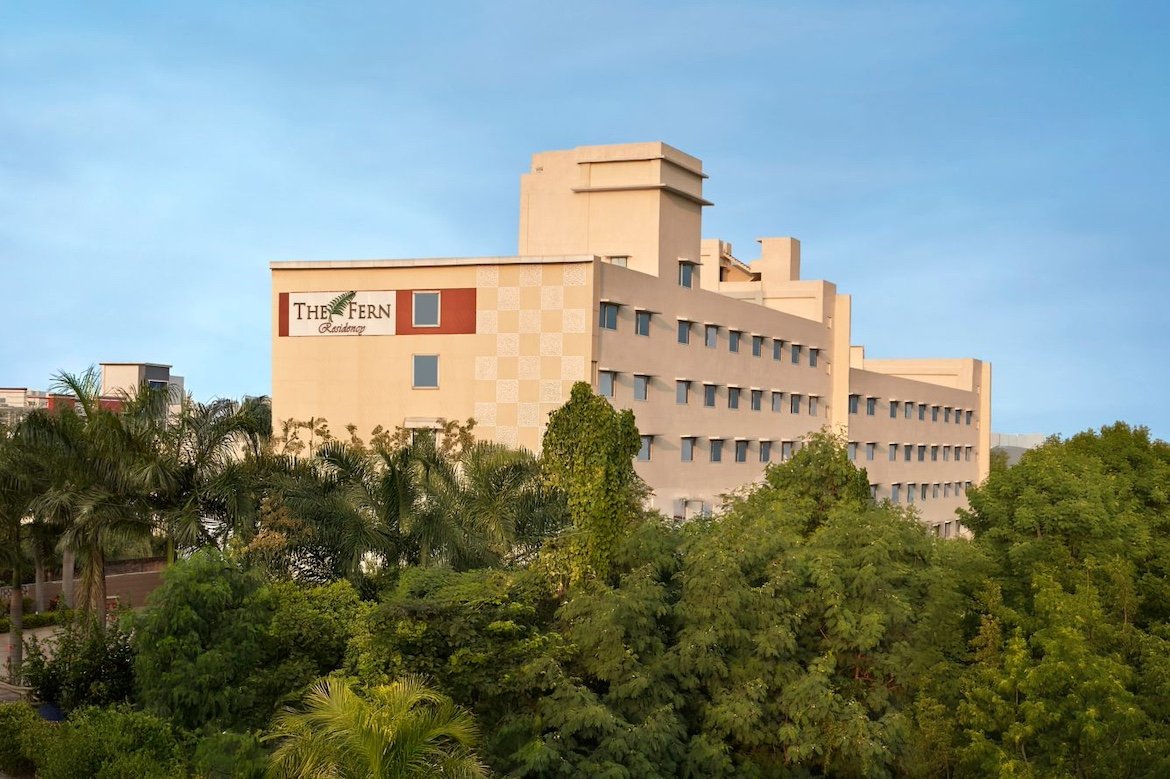
Exterior view of The Fern Residency Bodhgaya, part of the new Series by Marriott collection. Photo: Marriott
Marriott International has unveiled Series by Marriott, its newest global collection brand, with India chosen as the destination for its debut. The company’s partnership with The Fern Hotels and Resorts brings 26 hotels across 23 cities into the Marriott portfolio, adding more than 1,900 rooms during the first phase.
The launch marks an important step in the company’s expansion across the mid-scale segment, where demand for reliable, well located accommodations continues to grow in India’s rapidly expanding domestic travel market. Senior leadership at Marriott emphasized that the brand’s concept aligns naturally with the needs of travelers looking for dependable stays rooted in local character.
Series by Marriott is designed as a regionally influenced, globally connected collection that blends consistency with individuality. By partnering with Concept Hospitality, the operator behind The Fern Hotels and Resorts, Marriott gains access to a network of properties positioned in both business and leisure destinations.
These locations include Ahmedabad, Bengaluru, Bodhgaya, Daman, Dapoli, Dharampur, Ekta Nagar, Gandhinagar, Hatgad, Jaipur, Jambughoda, Jamnagar, Jim Corbett, Kochi, Kolhapur, Mumbai, Mussoorie, Pune, Rajkot, Solapur, Surat and Vadodara.
All will participate fully in Marriott Bonvoy and offer standardized features intended to meet the needs of modern travelers. These include a packed breakfast option for early departures, amenities tailored to single female guests, evening turndown treats, and a nightly lamp lighting ritual that reflects a sense of place.
The agreement represents a significant milestone for both Marriott and Concept Hospitality. Executives from Marriott highlighted India’s strong domestic travel patterns and rising demand for approachable price points, describing the country as an ideal launchpad for the brand’s global rollout.
With more than 100 additional openings planned over the next year, Series by Marriott is expected to play a major role in expanding the company’s reach into markets where international brands often compete with strong local players. Concept Hospitality leadership echoed this optimism, noting that early interest in the new brand has already exceeded expectations and that the partnership aligns well with the group’s focus on sustainable hospitality.
The broader strategy behind the launch reflects shifting market dynamics. India has seen a consistent rise in domestic tourism supported by improved connectivity and a growing middle class. Travelers are seeking accommodations that balance comfort, price and a sense of local experience.
By aligning with a well established regional brand like The Fern, Marriott is able to offer properties that feel familiar to Indian travelers while still benefiting from the operational strength of a global company. This approach gives Series by Marriott room to scale quickly across multiple regions while maintaining a degree of individual identity at each property.
For Marriott, the introduction of Series by Marriott signals a continued focus on portfolio diversification across Asia Pacific. For travelers, it opens the door to a broader range of dependable, mid scale options across many of India’s most visited cities.
As the brand expands through its planned rollout, it is likely to strengthen Marriott’s position in one of the world’s most dynamic hotel markets, while giving guests a new way to experience stays that are both consistent and connected to local context.
Lufthansa is preparing to celebrate its 100th anniversary with a special fleet dressed in a commemorative livery. The project highlights the airline’s heritage, while travelers continue to watch for progress on the long-awaited cabin upgrades.
By Yuliya Karotkaya
Published:
Updated:
Lufthansa’s upcoming anniversary fleet featuring special centenary livery. Photo: Lufthansa
Lufthansa is approaching a major milestone as it prepares to celebrate 100 years since the founding of the original airline in 1926. To mark the occasion, the company is rolling out a dedicated anniversary fleet, giving several aircraft a distinctive centenary livery.
The design features a deep blue fuselage paired with an enlarged white crane, a symbol closely tied to the airline’s history. A subtle “100” appears on one side of the aircraft, while the “1926 / 2026” marking on the other side creates a visual bridge across the past century. The project blends heritage and modern styling, setting the stage for the anniversary year.
The lineup includes six aircraft from key sub-fleets, offering a balanced snapshot of Lufthansa’s long-haul and short-haul operations. The first to arrive will be a new Boeing 787-9 named Berlin, expected to land in Frankfurt this winter.
Joining it over time will be an Airbus A380, an Airbus A350-1000, an Airbus A350-900, an Airbus A320, and a Boeing 747-8. Each will be repainted progressively, with the full anniversary fleet set to be completed by fall 2026. For aviation enthusiasts, the variety of aircraft types ensures broad visibility across major routes and destinations.
The Anniversary Fleet and Broader Passenger Expectations
While the centenary livery is visually engaging, it debuts at a moment when passengers continue to watch for clarity on Lufthansa’s long-term cabin plans. The much-discussed Allegris product, designed to introduce a new generation of seating and onboard comfort, has faced several delays.
As a result, business class remains inconsistent across the fleet, and first class is limited to a small number of aircraft without a clearly defined future path. These gaps have created a contrast between the strong visual message of the anniversary project and the uneven experience some travelers encounter onboard.
The commemorative fleet highlights the airline’s confidence in its brand identity, but it also brings renewed attention to the need for more stability and transparency in product development. Passengers increasingly expect modern cabins, predictable seating layouts, and a high level of comfort that matches premium positioning.
While the livery celebrates a century of aviation history, many travelers hope the next chapter will focus just as much on delivering a cohesive and contemporary onboard experience.
Still, special liveries hold a strong place in aviation culture, connecting the past and present in a way that resonates with travelers. As these six aircraft enter service through 2026, they will become recognizable symbols of the airline’s milestone year.
If paired with steady progress on cabin upgrades, the centenary celebration could mark not only a historic moment, but also a meaningful period of renewal for Lufthansa.
Bali authorities have halted and ordered the demolition of the controversial Kelingking Beach glass elevator after uncovering major violations and environmental concerns. The project, once marketed as a safer way to reach the famous beach, is now at the center of a broader conversation about development and conservation on the island.
By Yuliya Karotkaya
Published:
Updated:
A clear coastal panorama of Bali’s Kelingking Beach before any construction. Photo: Pixabay
The construction of a 182 meter glass elevator at Bali’s Kelingking Beach has been officially halted and ordered for demolition following a series of regulatory and environmental violations.
The project, which aimed to offer easier access down the steep cliff to the famous beach, quickly became one of the most contentious developments in Nusa Penida. Authorities confirmed that the structure, already roughly 70 percent complete, will be dismantled within six months, and the surrounding area must be restored within three months after demolition is finished.
Kelingking Beach is renowned for its dramatic landscape and sweeping views of a cliff often compared to a T-rex silhouette. For years, visitors have navigated a steep and physically demanding trail to reach the shoreline.
The elevator was promoted as a safer alternative for tourists, offering a quick ride down the cliff and dedicated photo stops along the way. Construction began in 2023 and included a glass shaft, a restaurant built into the rock, a ticketing area, and a flyover linking the entrance to the lift.
But as the structure grew, so did public concern, especially once images of the elevator cutting through the cliff began circulating widely on social media.
The Bali Provincial Government later confirmed that the developer, PT Indonesia Kaishi Tourism Property Investment Development Group, had moved forward without completing the required permits.
After a multi-agency investigation, authorities identified five major violations, spanning spatial planning rules, environmental regulations, licensing requirements, marine spatial planning laws, and standards for culture-based tourism. These findings gave the government full authority to halt the project and order its removal.
Local officials expressed strong concern about the project’s impact on the surrounding environment, noting that sections of the cliff had already undergone irreversible alteration. The site sits within a sensitive coastal area that requires strict oversight for any development.
The investigation also revealed overlapping jurisdictional issues, with different parts of the project falling under different branches of local and provincial government. This complexity contributed to delays in recognizing the extent of the violations, raising broader questions about oversight and coordination.
Community reaction has been intense. Residents, environmental groups, and long-time visitors to Bali voiced frustration that the project advanced so far before being stopped. Many argue that Kelingking Beach is one of the island’s most iconic natural landmarks and should not be compromised by large scale construction.
While the developer had billed the elevator as a solution for improving safety and managing crowds, critics countered that its presence fundamentally altered the landscape and risked increasing long term erosion.
The demolition order now turns attention toward how effectively the cliffside can be restored. Early reports suggest that some damage may be permanent, but authorities insist on a full restoration effort.
The outcome will influence ongoing discussions about tourism development in Bali, where natural beauty remains central to the island’s global identity yet continues to face pressure from rapid growth.
Beginning 25 February 2026, visa-exempt travelers from 85 countries will need an Electronic Travel Authorisation (ETA) before entering the UK, marking a major shift toward a fully digital border.
By Yuliya Karotkaya
Published:
Updated:
Photo: A Perry / Unsplash
The UK is preparing to implement a major change to its border procedures as the government confirms that, beginning 25 February 2026, all visitors from visa-exempt countries will be required to obtain an Electronic Travel Authorisation (ETA) before traveling.
The new “No permission, no travel” policy will apply to 85 nationalities, including travelers from the United States, Canada, Australia, Japan, South Korea, Brazil, and all EU countries. British and Irish citizens remain exempt, but the government urges dual nationals to travel with a valid British passport or certificate of entitlement to avoid being denied boarding.
The ETA system, first launched in October 2023, was initially introduced gradually to give travelers and airlines time to adapt. More than 13.3 million ETAs have already been issued since the rollout began, but up to now the requirement has not been strictly enforced.
That changes in February 2026, when airlines and transport carriers must verify every passenger’s digital permission before departure. Anyone who fails to secure an ETA or eVisa in advance will not be allowed to board, marking a significant shift toward a fully digital UK border.
The ETA is not a visa and does not apply to travelers who already need one. Instead, it acts as a digital authorization for short stays of up to six months for tourism, family visits, and transit. It costs £16 and can be obtained through the official UK ETA mobile app or government website.
Applicants need to provide passport details, contact information, and a recent photo. While most approvals are issued automatically within minutes, the government recommends applying at least three working days in advance to allow for additional checks. Each ETA remains valid for two years or until the traveler’s passport expires, whichever comes first.
The UK government emphasizes that the system is designed to modernize the country’s immigration framework, enhance security, and streamline travel. Officials say the ETA provides a clearer picture of who is entering the country and helps identify potential security risks before travelers arrive. At the same time, authorities argue that a digital border will eventually offer a faster, contactless experience and reduce congestion at airports.
For travelers, however, the transition introduces a new layer of preparation. Those accustomed to last-minute bookings or spontaneous trips to London may need to adjust their habits. Travelers transiting through UK airports without passing border control remain exempt, but anyone entering the country – even briefly – will need digital permission in advance.
The updated system mirrors similar programs already in place in the United States, Canada, and soon the European Union. By aligning with global travel trends, the UK aims to strengthen border management while maintaining smooth entry for millions of annual visitors. As the enforcement date approaches, travelers planning 2026 trips will need to familiarize themselves with the new rules and ensure they secure an ETA before departure.
Pangea has acquired Overlap, bringing a smart social-travel feature into its fast-growing platform and signaling a new wave of consolidation in travel tech.
The travel tech world is entering a new phase of consolidation as Pangea, the New York–based social travel platform, acquires Overlap – a niche but fast-growing app designed for frequent travelers who want to see when their plans align with friends around the world.
The move brings Overlap’s core functionality into Pangea’s expanding ecosystem, strengthening its mission of helping travelers stay connected on the road. While financial details of the deal were not disclosed, the acquisition marks a meaningful step in Pangea’s broader strategy to build one of the most comprehensive social platforms for global travelers.
As part of the acquisition, Overlap founder Sharon Rosenberg will join Pangea as Head of Design, taking charge of user interface and user experience strategy across the platform. Her appointment is expected to shape the visual identity and interaction design for future product features.
Overlap co-founders Nick Zaverdinos and Jason Hu will also remain involved in advisory roles, ensuring continuity of the app’s initial vision and expertise. This integration reflects Pangea’s focus on merging innovative travel tools with the human connections that keep frequent travelers engaged.
Pangea itself has grown rapidly in recent years as a social app built specifically for solo travelers, digital nomads, and globally mobile communities. The platform allows users to share travel plans, discover overlapping itineraries with friends, and access recommendations from people they trust.
With mobile availability on both iOS and Android, Pangea has positioned itself not just as a trip-planning tool, but as a hub for spontaneous meetups, social discovery, and community building across destinations. The addition of Overlap’s functionality strengthens these social elements by making trip intersections easier to track and act on.
Industry observers note that this deal is also part of a larger pattern. Pangea’s leadership team includes several veterans of ION Group, a company known for large-scale consolidation in the fintech sector. Founder and CEO Matt Gray worked on dozens of acquisitions during ION’s multibillion-dollar expansion, and Chairman Alex Triplett previously oversaw corporate development at ION Group and led major integrations across global business units.
Their backgrounds suggest that the Overlap acquisition could be the first step in a longer-term strategy to consolidate tools and services within the travel tech space, creating a more unified ecosystem for modern travelers.
Skift has highlighted this acquisition as “Phase 1” of a broader consolidation trend in travel technology, where fragmented startups with unique capabilities are increasingly being brought under larger platforms.
As travelers adopt more digital solutions for planning, socializing, and coordinating trips, the market is naturally shifting toward apps that can offer seamless experiences across multiple needs. By acquiring Overlap, Pangea is positioning itself at the forefront of this movement, integrating social discovery with the practical logistics of real-time travel planning.
For frequent travelers, this could mean more intuitive ways to stay connected, fewer fragmented apps, and smoother coordination with friends and like-minded nomads around the world. And as Pangea continues to expand, the industry will be watching closely to see which travel tools or platforms become its next strategic targets.
Disneyland Paris will unveil Disney Adventure World on March 29, 2026, introducing World of Frozen, new attractions, immersive gardens, expanded dining, and a dazzling nighttime spectacular.
The reimagined second park represents one of the most ambitious transformations in the resort’s history, nearly doubling its size and introducing a wave of new attractions, themed landscapes, dining experiences, and entertainment offerings.
The expansion is anchored by World of Frozen, an immersive land that brings the kingdom of Arendelle to life, alongside a grand new promenade, Adventure Way, and a massive new lake that will host an all-new nighttime spectacular.
The destination will deliver an elevated level of storytelling, breathing new life into more than 90% of the park since its original 2002 opening.
World of Frozen: A Landmark Addition
The centerpiece of the expansion is World of Frozen, a richly themed environment inspired by the beloved Frozen films. Guests will explore Arendelle’s Nordic-style village square, framed by the towering North Mountain and Elsa’s Ice Palace shimmering above the skyline.
The land’s major attraction, Frozen Ever After, invites families on a scenic boat ride through iconic moments from the films, complete with advanced Audio-Animatronics and immersive projection effects. Visitors will also have the chance to enjoy “A Celebration in Arendelle,” a daytime show performed on Viking longships in Arendelle Bay.
Inside Arendelle Castle, guests can meet Anna and Elsa during a Royal Encounter, while younger visitors will delight in spontaneous character interactions throughout the village, including the debut of Rúna, a baby troll companion.
Dining arrives in the form of Nordic Crowns Tavern, a quick-service venue, and exclusive merchandise awaits at Arendelle Boutique. Completing the atmosphere is a new musical score composed by Kristen Anderson-Lopez and Robert Lopez, created specifically for this groundbreaking land.
After nightfall, the adjacent Adventure Bay will host “Disney Cascade of Lights,” a monumental 360-degree nighttime spectacular featuring drones, choreographed fountains, water screens, pyrotechnics, and an original 40-minute soundtrack recorded at Abbey Road Studios.
Adventure Way and Beyond
Beyond Arendelle, guests can explore Adventure Way, a vibrant new promenade lined with lush themed gardens, character encounters, and an impressive array of new dining options.
Fourteen food and beverage locations will debut, including La Terrasse Panoramique, serving hearty bread bowls and cozy beverages, and Café Luminosity, offering creative hot dog recipes and sweet treats. Mobile carts and chalets will provide whimsical snacks such as filled brioche rolls and desserts inspired by Disney Princesses.
The promenade’s gardens draw inspiration from Disney and Pixar classics: Tangled Garden brings a romantic atmosphere, while Toy Story Garden features playful topiaries shaped like iconic toys.
The Gazebo Garden offers an English-style retreat anchored by bronze statues of beloved characters such as Winnie the Pooh and Peter Pan. The area will also host seasonal entertainment throughout the year, from Rapunzel and Flynn’s musical spring encounter to Miguel’s Latin Festival in the fall.
Visitors will discover the first bar ever located inside a Disneyland Paris park – an elegant lounge adorned in royal blue with gold accents and artwork highlighting Disney Princess animal companions. The space connects to an adjoining table-service restaurant, both overlooking Adventure Bay and offering prime views of the nighttime show.
Looking ahead, Disney Adventure World will continue expanding. A new land inspired by The Lion King is already under construction, featuring a major water-based attraction enhanced with next-generation Audio-Animatronics and classic songs from the 1994 film. Adventure Way will also welcome a family-friendly flying carousel inspired by Pixar’s Up.
Disney Adventure World marks a monumental evolution for Disneyland Paris, promising deeper storytelling, richer immersion, and new adventures for guests of every generation as the resort steps into an exciting new era.
Tourist access to Machu Picchu has been disrupted again as a long-running dispute between bus operators sparks protests, blockades, and emergency evacuations in Aguas Calientes.
By Yuliya Karotkaya
Published:
Updated:
Tourists walking through Aguas Calientes, the gateway town to Machu Picchu. Photo: Eddie Kiszka / Pexels
Renewed tensions over bus access have once again disrupted travel to Machu Picchu, Peru’s most visited archaeological site, leaving hundreds of tourists stranded and prompting emergency evacuations.
Recent protests and blockades in Aguas Calientes, the gateway town to the ruins, forced authorities to clear the railway line and organize special train departures for roughly 1,400 visitors.
The conflict centers on a long-running dispute between the established bus operator Consettur and rival firm San Antonio de Torontoy, which was selected to take over the route after Consettur’s three-decade license expired. Legal challenges have prevented the new operator from beginning service, fueling uncertainty at one of South America’s most iconic destinations.
The 20-minute bus journey from Aguas Calientes to the mountaintop ruins transports about 4,500 passengers daily and remains essential for nearly all visitors. With no direct road access, travelers must first take an expensive two-to-three-hour train into the town, then pay separately for the shuttle bus or attempt a steep two-hour climb on foot.
When protestors blocked the railway in September, authorities intervened to remove rocks from the tracks and evacuate tourists by special trains.
Community tensions have intensified around the licensing decision. Some locals argue that Consettur has held a monopoly over a highly profitable route for years, with round-trip bus tickets priced at $24 for foreigners and $15 for Peruvians.
Others say the bidding process that awarded the new contract lacked transparency. Consettur rejects accusations of monopolistic control, emphasizing that it is formed by 12 partner companies and includes the local district council, which owns a 38 percent stake.
The rival operator, however, is based in the wider Urubamba Province, adding fuel to debates about who should benefit from tourism revenue.
Rising Costs and Uneven Benefits for Local Communities
The bus dispute highlights broader frustrations among travelers facing high prices to visit Machu Picchu. Train tickets to Aguas Calientes are among the most expensive in Latin America, starting at $140 for a round trip and climbing to $2,000 for luxury service.
Some visitors express surprise at the multilayered transport system and the added cost of entry tickets, which stand at $57 for adults. Many say the overall cost far exceeds expectations, especially for those not booking through premium guided tours.
Local leaders and residents share concerns about how little revenue stays in the region. According to the mayor of Aguas Calientes, only 10 percent of ticket income remains in the area, while most revenue is managed nationally by the Ministry of Culture.
Vendors and community members argue that despite the volume of tourism, basic needs such as reliable water service, adequate schools, and proper medical facilities remain unmet. For many, the situation underscores how the benefits of Machu Picchu’s global appeal do not evenly reach nearby communities.
Regional tourism officials are calling for systemic reforms, including a unified national approach to managing travel resources and improving the visitor experience.
Proposed ideas include expanding entry points, redesigning visitor flow, and creating dedicated areas for different types of travelers – from spiritual groups to visitors focused on social media. However, Peru’s political instability, including frequent changes in leadership, continues to hinder long-term planning.
As legal challenges continue and tensions simmer, both bus operators say they are open to coexisting once approvals are finalized. Until then, access to Machu Picchu remains fragile, leaving travelers and locals uncertain about future disruptions.
Join our list to receive latest Blockchain, Crypto & Fintech news:
WordPress database error: [Table 'u752143311_aXVuj.wp_coingecko_coins' doesn't exist]
            SELECT coins.*, meta.post_id as post_id
            FROM `wp_coingecko_coins` coins
            INNER JOIN wp_postmeta meta ON (meta.meta_key = 'wpcf-coin-main-tag' AND meta.meta_value = coins.slug )
            ORDER BY market_cap_usd
            DESC LIMIT 9