Hurricane Melissa left at least 49 dead across the northern Caribbean and billions in damage. As search-and-rescue efforts intensify, airlines, cruise lines, and hotels mobilize aid while cautiously restoring operations.
By Yuliya Karotkaya
Published:
Updated:
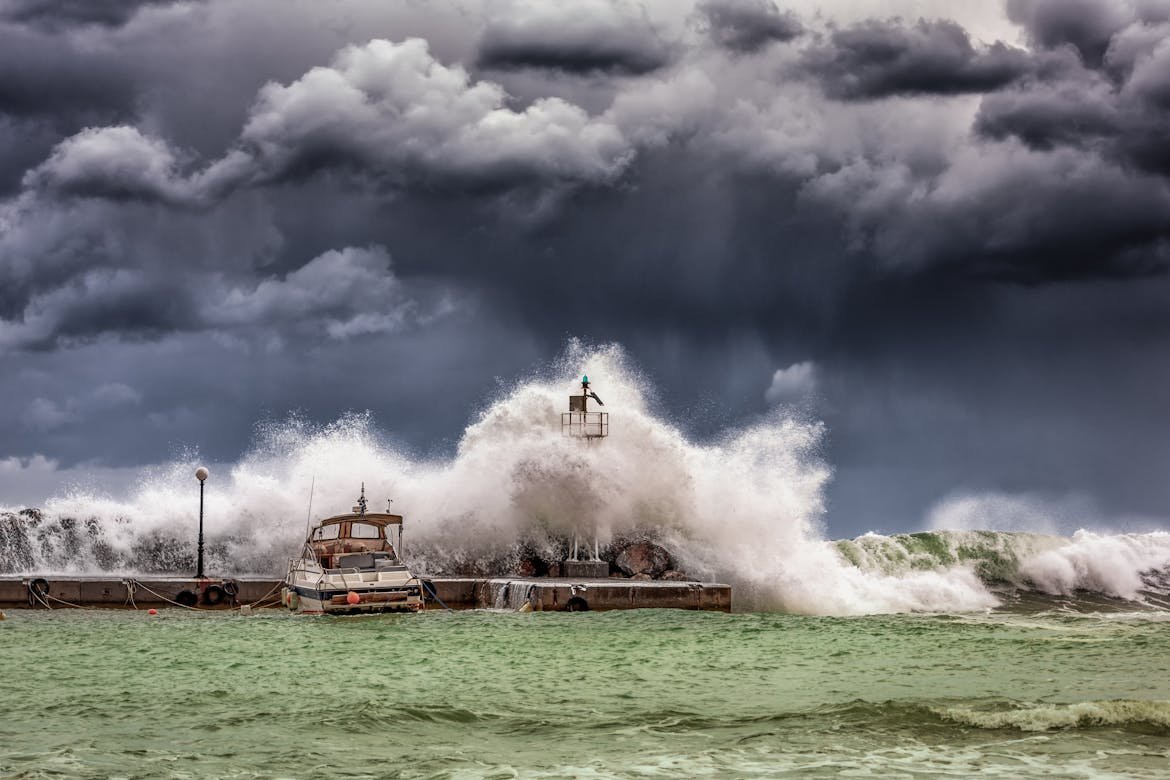
Photo: GEORGE DESIPRIS / Pexels
Hurricane Melissa carved a destructive path through the northern Caribbean, leaving at least 49 people dead and billions of dollars in damage. Haiti suffered the highest confirmed toll with 30 deaths and 20 missing after torrential rains triggered river surges, landslides, and widespread flooding.
Jamaica reported at least 19 fatalities following a direct Category 5 landfall – the island’s strongest recorded strike – with sustained winds far above the threshold for the top hurricane classification. Power outages affected most of the country, hundreds of roads were blocked, and emergency crews fanned out to reach isolated communities.
Eastern Cuba endured extensive damage to homes, crops, and communications, though authorities reported no deaths as more than 700,000 people were evacuated ahead of the storm.
The Bahamas executed one of its largest evacuation operations and later lifted storm warnings, while urging caution pending full assessments. As the system weakened to Category 2 and accelerated into the North Atlantic, Bermuda closed schools, ferries, and its causeway out of caution as tropical-storm conditions brushed the territory.
Airports in Kingston reopened to receive relief flights and resume limited commercial service, while ports began processing aid shipments. Satellite imagery and on-the-ground accounts from Jamaica’s hardest-hit parishes depict severe flooding, stripped vegetation, and devasting damage to homes and public infrastructure. Officials warned that power restoration, road clearance, and water service could take time, and they urged residents to follow local advisories as cleanup progresses.
Travel Industry Response and What’s Next
Across the travel sector, airlines, cruise lines, and hospitality brands mobilized to support recovery and protect travelers. Major U.S. carriers issued change-fee waivers, capped fares to deter price spikes, and began restoring flights to Jamaica, Bermuda, and Turks and Caicos as conditions allowed. American Airlines resumed operations in several key airports and coordinated with nonprofit partners to channel donations, while Delta, Southwest, and United maintained flexible policies for affected itineraries.
Cruise companies diverted ships away from closed ports and committed funds to relief groups. The Carnival Corporation joined the Mickey & Madeleine Arison Family Foundation and the Miami HEAT to pledge $1 million to Direct Relief, while Holland America Line dedicated upcoming On Deck for a Cause 5K walks to the same effort.
In Jamaica, major resort operators reported that guests and staff were safe and launched assessments, flexible rebooking, and on-island relief through affiliated foundations.
Governments and aid organizations emphasized that the needs extend beyond immediate rescue. Officials cited the storm’s slow forward speed, extreme rainfall, and catastrophic flooding as key drivers of damage – factors scientists increasingly link to warming seas. As emergency teams reopen roads, restore power, and reestablish communications, travelers should expect phased reopenings, limited services in some areas, and evolving guidance from local authorities.
For those with upcoming trips, the most prudent steps remain confirming flight status, monitoring official advisories, and working with airlines, cruise lines, and hotels on rebooking options as the region begins a long recovery.
Alphabet’s record quarter puts AI at the center of Google Search, ads, and Cloud, with clear implications for how travelers will plan, book, and move – both online and on the ground.
By Yuliya Karotkaya
Published:
Updated:
Photo: Pawel Czerwinski / Unsplash
Alphabet’s latest earnings call reads like a roadmap for the next era of travel planning. Google says AI is now driving real business results across Search, ads, Cloud, and consumer products, culminating in the company’s first $100 billion quarter.
For travelers and the industry that serves them, the signal is unmistakable: planning, shopping, booking, and even local mobility are moving toward agentic, conversational experiences that fuse Google’s scale with increasingly capable models.
Trip planning turns conversational
Google’s Search team described an “expansionary moment,” where AI Overviews and AI Mode are prompting people to ask more – and more complex – questions.
Those features now span 40 languages and have more than 75 million daily active users, with total queries and commercial queries both rising. In practical terms, that means travelers can pose multi-step questions – compare winter city breaks, filter by walkability, factor in budget, then refine by boutique hotels near transit – and watch the system assemble options without toggling between tabs.
Monetization is evolving to match. Google’s new AI Max in Search is already used by hundreds of thousands of advertisers and, according to the company, unlocked billions of net-new queries in the quarter. One early travel example: Kayak reported a 12% rise in conversion value after enabling AI Max while maintaining return-on-ad-spend goals.
For suppliers and OTAs, the pitch is clear: richer intent signals from longer, multi-turn queries plus creative generated in Asset Studio and Product Studio, stitched together with more granular reporting in PMax.
Behind the scenes, Gemini models are doing more of the heavy lifting. Google says its models are now processing billions of tokens per minute via API, with generative AI revenue in Cloud up more than 200% year over year. That matters for travel because the same foundation models power itinerary generation, dynamic creative for fare and rate promos, and customer support agents capable of handling complex, policy-bound interactions.
From browser to curb: the mobility layer
Planning doesn’t end at “book now,” and Google is positioning for the last mile. Waymo aims to open service in London next year and is working toward Tokyo, with U.S. expansions to Dallas, Nashville, Denver, and Seattle and new permissions at San José and San Francisco airports.
Alphabet hinted at deeper integration between Waymo and Gemini to personalize in-car experiences – think proactive coordination with flight arrivals, hotel check-ins, or restaurant reservations – and suggested 2026 will bring visible product steps in that direction.
The consumer surfaces are being reworked for this world. Chrome is getting deeper Gemini integrations; Android XR puts AI at the core of emerging headset use cases; and YouTube’s AI-powered discovery and shoppable formats continue to nudge inspiration closer to transaction.
Meanwhile, Cloud’s backlog jumped to $155 billion, with Google citing more billion-dollar AI deals signed this year than in the previous two years combined – evidence that travel’s back office (pricing, personalization, fraud, call centers) is modernizing alongside front-end search.
For the travel sector, the takeaway is twofold. First, expect trip planning to feel less like a string of searches and more like a guided conversation that spans inspiration to checkout.
Second, prepare for mobility and on-property experiences to plug into that same graph, where an agent can reflow airport rides, late check-ins, or restaurant slots around real-time changes. The competitive battleground will be who feeds these agents the best structured content, availability, and prices – consistently and at speed.
Google’s bet is that agentic workflows will grow both engagement and commercial opportunity. If the company’s Q3 momentum is any guide, 2026 could be the year those capabilities move from pilot to mainstream in travel.
Couples can now say ‘I do’ in the themed Haunted Mansion Parlor aboard the new Disney Destiny cruise ship – a blend of spooky charm and Disney magic.
By Yuliya Karotkaya
Published:
A hauntingly elegant couple aboard the Haunted Mansion Parlor on the Disney Destiny. Photo: Disney Cruise Line
Disney Cruise Line’s new offering invites couples to celebrate their love in a delightfully eerie and enchanting setting. The Haunted Mansion Parlor aboard the upcoming Disney Destiny is now available as a wedding venue, blending classic Disney magic with spooky sophistication. With a capacity of up to 25 guests and full-service planning included, this unique destination wedding option signals a fresh direction for themed celebrations at sea.
The venue is inspired by the iconic Haunted Mansion attractions found across Disney parks worldwide. Styled as a Victorian-era drawing room aboard a grand cruise liner, the Parlor features intricate details like shifting portraits of a ghostly sea captain and his bride, and even a mirror in which the famous hitchhiking ghosts might make an appearance. It’s precisely the kind of quirky yet elegant ambiance couples can look forward to when they choose this setting for their ceremony.
A Unique Setting for “I Do’s” with Disney Flair
Designed exclusively for Disney Destiny sailings beginning May 14 2026 out of Fort Lauderdale, the Haunted Mansion Parlor gives couples the opportunity to exchange vows in a space that stands apart from traditional venues. The wedding package includes an officiant, floral arrangements, a custom cake, and a champagne celebration. Guests are free to enjoy the rest of the cruise experience – from imaginative dining and live entertainment to immersive excursions – before or after the ceremony.
Because the venue is intimate, accommodating just 25 people including the couple, it appeals to couples seeking something more personal and theatrical. Whether you’re a Haunted Mansion fan or simply drawn to creative, unconventional wedding options, this offering puts a spirited twist on the traditional vow exchange. The Parlor’s blend of elegance and eerie charm makes it perfect for couples who want their wedding to be memorably different.
Why This Venue Stands Out
The significance of this themed wedding option is multi-layered. First, it underscores how destination weddings are evolving: couples increasingly seek immersive experiences that reflect their personalities, rather than standard ceremonies.
By marrying the rich storytelling of the Haunted Mansion attraction with the intimacy of a cruise-ship ceremony, Disney taps into a growing trend of marrying creativity with celebration. Second, it highlights the cruise line’s growing role as a wedding destination. While destination weddings on ships aren’t new, offering a venue with such immersive theming elevates the experience beyond “wedding at sea” to “wedding as story.”
Ultimately, the Haunted Mansion Parlor aboard Disney Destiny is more than a venue – it’s an experience. It invites couples to step into a world of enchantment, romance, and ghostly intrigue, all while surrounded by loved ones and the high seas. For those who dream of an unforgettable wedding that tells a tale, this one-of-a-kind venue offers a perfect chapter.
Booking Holdings delivered robust third-quarter results and highlighted its integration of artificial intelligence as a core ingredient of future growth.
By Yuliya Karotkaya
Published:
Updated:
Photo: Jas Rolyn / Unsplash
In a quarter marked by global travel recovery, Booking Holdings emerged with solid results and a clear strategic focus on artificial intelligence. The company reported double-digit growth in revenue and gross bookings, while executives detailed progress in AI initiatives and investments.
These results suggest that digital travel platforms are aligning technology and scale to remain competitive in a fast-evolving market.
Financial Performance and Market Momentum
Booking Holdings posted a strong third quarter, reflecting healthy demand across its brands including Booking.com, Priceline and Agoda. Revenue rose by approximately 13 percent year-over-year, while gross bookings increased by around 14 percent. Room-night growth tracked at roughly 8 percent. Growth was balanced across the U.S., Europe and Asia, with particular strength in North American outbound travel and Asia growth in the low double-digit range. Marketing expense as a share of bookings was modest and slightly improved compared to prior periods.
The company also provided an optimistic outlook for the fourth quarter, projecting bookings growth of about 12 percent and revenue growth in the range of 10-12 percent. Executives emphasized that diversification into alternative accommodations, flights and experiences continues to support resilience amid headwinds such as currency fluctuations or softer geography-specific demand.
AI Integration and Strategic Focus
What distinguishes this quarter is Booking Holdings’ increasing transparency around its AI roadmap. The company confirmed early-stage collaboration with OpenAI, embedding generative-AI prototypes within its product ecosystem. These tools are designed to enhance search, improve conversion rates and streamline the booking experience – not only by automating tasks, but by enabling more conversational and agent-like interactions.
Executives highlighted that while traditional search growth remains healthy, a growing portion of leads now originates from large-language-model driven interfaces. This shift signals a hybrid future in which human and machine assist travel planning. Booking Holdings acknowledges the regulatory, operational and competitive challenges ahead, including direct-hotel booking pressures and technology rivalry from search giants. Nevertheless, the company is positioning itself as a leader in “connected-trip” experiences powered by AI and data at scale.
The combination of strong metrics and forward-looking strategy suggests Booking Holdings is tackling both the present demand cycle and the next phase of industry disruption. For investors and travel professionals alike, the message is clear: the business remains grounded in growth while evolving rapidly to meet the future of travel-tech.
Hurricane Melissa, the strongest storm of 2025, has caused widespread destruction across Jamaica and Cuba, grounding flights, shutting ports, and displacing hundreds of thousands.
By Yuliya Karotkaya
Published:
Updated:
Widespread destruction left behind in Jamaica after Hurricane Melissa swept through the Caribbean.. Photo: Artem Makarov / Unsplash
Hurricane Melissa, now the world’s strongest storm of 2025, has left a trail of devastation across the Caribbean, forcing flight cancellations, port closures, and mass evacuations. The Category 5 hurricane first slammed into Jamaica on October 28 before making landfall in eastern Cuba, unleashing destructive winds, torrential rain, and catastrophic flooding. Authorities have confirmed at least seven deaths across the region, with Jamaica, Haiti, and the Dominican Republic among the hardest hit.
Flights Canceled and Travelers Stranded
In Jamaica, where the storm first made impact, authorities warned of “catastrophic flash floods and landslides,” with rainfall reaching up to 700 millimeters and winds topping 135 miles per hour. Both Sangster International Airport in Montego Bay and Norman Manley International Airport in Kingston were shut down as a precaution, leaving hundreds of travelers stranded. Airlines including JetBlue canceled multiple flights, while tour operators like TUI advised travelers to delay their trips until further notice.
Ports were also closed, with cruise lines such as Carnival Cruise Line and Royal Caribbean rerouting their ships away from Jamaica. Travelers already on the island were urged to shelter in place, with local authorities opening emergency shelters across affected parishes. Officials warned that food, water, and medical supplies could become scarce in the aftermath of the storm, and power outages affected more than 50,000 households.
The Jamaican government announced that airport operations would resume only after full safety assessments are completed, urging passengers to monitor official updates before attempting to travel. Despite early warnings and evacuations, significant flooding has already been reported in Clarendon and St. Elizabeth, where parts of entire towns are submerged.
Cuba Faces Heavy Damage and Economic Strain
By early Wednesday, Hurricane Melissa made landfall in Santiago de Cuba as a Category 3 storm, still powerful enough to cause widespread destruction. Over 700,000 people were evacuated across eastern Cuba, as the government prepared for potential storm surges of up to 3.6 meters and rainfall exceeding 50 centimeters.
President Miguel Díaz-Canel described the hurricane as “the strongest ever to hit national territory,” warning citizens not to underestimate its force. In his televised address, he assured that resources would be mobilized to protect lives and restore essential services. Yet the storm’s impact threatens to worsen Cuba’s ongoing economic crisis, which has already been marked by shortages of electricity, food, and fuel.
Heavy rain has triggered landslides and flooding across the provinces of Guantánamo, Santiago de Cuba, and Camagüey, forcing school closures and widespread infrastructure damage. Four hospitals sustained structural harm, one losing power entirely and requiring patient evacuations.
As the storm moves north toward the Bahamas, forecasters warn that residual rain and strong winds could still bring life-threatening flooding to nearby islands. Relief efforts are underway in Jamaica and Cuba, though officials caution that recovery may take weeks.
For travelers, Hurricane Melissa serves as a reminder of the increasing unpredictability of storm seasons in the Caribbean. Airlines and tour operators continue to work on rebooking passengers and processing refunds, while governments focus on ensuring the safety and recovery of affected residents. As cleanup begins, the region braces for a long recovery from what is already being called “the storm of the century.”
According to Airbnb, travelers this winter are skipping traditional hotspots for under-the-radar gems – from Italy’s Olympic regions to cozy American ski towns and sunny coastal escapes.
By Yuliya Karotkaya
Published:
Updated:
A snowy cabin surrounded by pine trees, representing Airbnb’s emerging winter destinations for 2025–2026. Photo: Katie Rodriguez / Unsplash
Winter travel in 2025–2026 is taking an unexpected turn. According to Airbnb’s latest report, travelers are trading predictable resort vacations for fresh destinations that blend culture, nature, and authenticity. From the Olympic slopes of northern Italy to hidden American ski towns and sunlit coastal escapes, this season’s travel trends are redefining what a winter getaway can look like.
Italy Leads the Way in Global Winter Travel
According to Airbnb, Italy is this season’s ultimate trending destination, fueled by anticipation for the Milano Cortina 2026 Winter Olympics. Searches are surging in the host regions of Trentino-South Tyrol, Lombardy, and Veneto, with Lombardy showing triple-digit growth compared to last year. Travelers from Germany, Canada, Switzerland, and the U.S. are leading the demand, drawn to Italy’s mix of alpine landscapes and cultural richness.
Beyond the Olympic spotlight, Airbnb highlights the rise of “gateway travel,” where visitors stay in cities offering easy access to nature. In the Australian Capital Territory, travelers can pair city attractions in Canberra with bushland hikes and wildlife encounters. Santiago Metropolitan Region in Chile offers a balance of mountain adventure and cosmopolitan flair, while Goslar, Germany, charms visitors with its snow-covered medieval old town.
Further afield, Prachuap Khiri Khan in Thailand draws travelers seeking quiet beaches and tropical scenery, while San José, Costa Rica, combines coffee culture and eco-tourism. Airbnb also notes rising interest in Goiás, Brazil, known for its waterfalls and caves, and Córdoba, Colombia, with its coastal charm and Caribbean warmth. These destinations reflect a growing preference for authentic, nature-focused travel that feels both restorative and inspiring.
U.S. Travelers Seek Hidden Gems and Longer Escapes
According to Airbnb, U.S. travelers are shifting toward lesser-known spots for the winter season. Instead of flocking to crowded resorts, they’re embracing smaller ski towns and cultural retreats. Brighton, Utah, and McCall, Idaho, are emerging as favorites for powder seekers, while Dover, Vermont, and Campton, New Hampshire, attract visitors with their New England coziness. In Champion, Pennsylvania, near Seven Springs Ski Resort, family travelers are discovering a quiet mountain escape that still delivers big on winter charm.
Warm-weather getaways are trending too. Anna Maria, Florida, Bay St. Louis, Mississippi, and Hermosa Beach, California, are becoming top choices for those looking to swap snow for sunshine. Lafayette, Louisiana, offers a festive mix of Cajun cuisine, live music, and culture – perfect for travelers seeking both warmth and creativity.
Airbnb’s data shows that families and older travelers are driving this trend. Eighty percent of families are opting for suburban or rural winter trips, often staying longer and choosing homes big enough for multi-generational gatherings. One-third of family travelers are booking week-long stays, while snowbirds aged 60 and older are extending their visits to Florida’s The Villages, Fort Myers Beach, and Venice.
These findings underscore a broader travel shift toward authenticity, comfort, and connection. According to Airbnb, this winter isn’t about luxury or adventure alone – it’s about balance. Whether it’s skiing under the stars in Vermont, sipping espresso in Lombardy, or relaxing by the Gulf Coast, the world’s emerging winter destinations are proving that the best journeys begin where the crowds aren’t.
Delta Air Lines has opened its new Sky Club at Salt Lake City International Airport, marking its second-largest lounge worldwide and redefining the airport experience for travelers.
By Yuliya Karotkaya
Published:
Updated:
Delta Sky Club interior at Salt Lake City International Airport. Photo: Delta Air Lines
Delta Air Lines has officially opened its newest and second-largest Sky Club at Salt Lake City International Airport, setting a new benchmark for airport luxury. The 34,000-square-foot lounge, located in the newly expanded Concourse B, can host up to 600 guests at a time. The project reflects Delta’s commitment to enhancing the traveler experience as Salt Lake City continues to grow as a key hub for domestic and international routes.
Inspired by Utah’s striking natural landscapes, the design combines elements of the state’s snowy mountains, red rock canyons, and desert sunsets. The main level features geometric ceiling details and terrazzo flooring reminiscent of winter light on fresh snow, while the upper level incorporates warm woods, copper accents, and rich jewel tones. A digital wall immerses guests in panoramic visuals of Utah’s scenic landmarks, creating a calming sense of place and connection before departure.
The lounge also stands out for its thoughtful amenities. Travelers can enjoy a wrap-around premium bar offering craft cocktails, regional wines, and a local specialty -the “Dirty Soda” bar – unique to this Sky Club. A full buffet serves freshly prepared dishes throughout the day, while nine private phone booths and abundant charging outlets make the space ideal for both relaxation and productivity. Large windows offer sweeping views of the airfield and the Wasatch Mountains beyond, reinforcing the feeling of openness and tranquility.
This expansion is part of the broader redevelopment of Salt Lake City International Airport, which has recently added new gates and facilities to accommodate growing demand. For Delta, the investment strengthens its presence in the Mountain West, where it now operates more than 250 daily flights to nearly 100 destinations. The Sky Club elevates this strategic hub by blending operational efficiency with modern comfort, catering equally to business travelers and leisure guests.
For many passengers, the new Sky Club transforms a typical airport layover into a moment of calm and luxury. Whether relaxing before a flight, enjoying regional flavors, or working in a quiet space, guests can experience a level of hospitality that mirrors Utah’s balance of nature and innovation. As Delta continues to redefine its premium offerings, the Salt Lake City Sky Club stands as a symbol of the airline’s vision for the future of travel – one that prioritizes comfort, community, and connection.
Vilnius tops Europe’s list of best cities for sleep tourism, leading destinations like Dresden, Poznan, and Riga as travelers seek rest-focused, wellness-driven escapes.
By Yuliya Karotkaya
Published:
Updated:
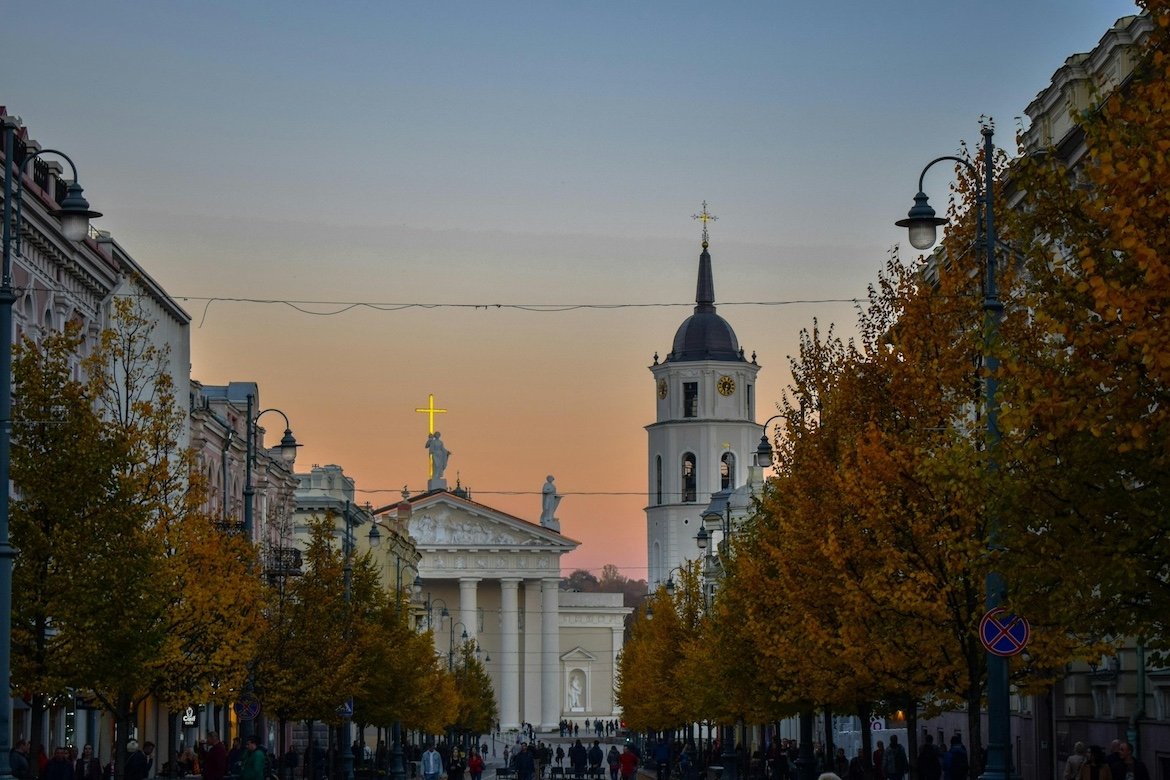
Peaceful nightscape of Vilnius, Lithuania - named Europe’s top destination for sleep tourism in 2025. Photo: Dan-Marian-Stefan Doroghi / Unsplash
A new kind of wellness travel is redefining how people take vacations. Instead of rushing through itineraries or chasing adventure, more travelers are seeking destinations that prioritize one simple goal – better sleep. Known as sleep tourism, this growing trend centers around rest, recovery, and mental rejuvenation.
According to a 2025 study by MattressNextDay, Vilnius, Lithuania, has emerged as the top European destination for travelers in search of true restoration.
The study analyzed over 300 European cities based on environmental and lifestyle factors such as air quality, noise and light pollution, green space, nightlife density, and climate conditions. The results highlight destinations that help visitors reset their minds and bodies, with Vilnius taking the number-one spot and several other European cities following closely behind.
Vilnius Leads the Way in Sleep Tourism
Vilnius scored an impressive 8.26 out of 10, ranking first in Europe’s Sleep Tourism Index. Its exceptional air quality, low noise levels, and 56% green space coverage make it a haven for rest-seekers.
The city’s cool nighttime temperatures, calm pace, and limited nightlife activity help travelers unwind naturally. Many of Vilnius’s boutique hotels and wellness resorts now offer amenities specifically designed for deep sleep – from blackout curtains and soft ambient lighting to herbal teas and soundproofed rooms.
Evenings in Vilnius exude a sense of quiet elegance. The Old Town’s cobblestone streets and the gentle glow of historic architecture create a calming atmosphere ideal for winding down. Beyond its scenic beauty, the city embraces wellness as part of its identity, with spa treatments and mindfulness retreats becoming central to its tourism offerings.
Europe’s Other Sleep Tourism Hotspots
While Vilnius leads the list, several other European cities stand out for their sleep-friendly environments. Dresden, Germany, ranked second with a score of 8.13, is known for its low light pollution, quiet urban landscape, and soothing rainfall – a natural lullaby for travelers seeking peace. Its balance of culture and calm makes it an ideal setting for restful stays.
In Poznan, Poland, which earned third place, visitors enjoy a slower pace than in major cities like Kraków or Warsaw. The city’s clean air, spacious parks, and minimal nightlife contribute to its relaxing vibe. For those looking to experience Polish culture without the crowds, Poznań offers tranquility alongside tradition.
Warsaw, Poland’s capital, also made the top five with an 8.01 score, thanks to its remarkable amount of green space – over 60% of the city is covered in parks and gardens. Despite being a bustling metropolis, it retains a surprising serenity that supports restful nights.
Completing the top five is Riga, Latvia, celebrated for its clean air, cooler temperatures, and balanced lifestyle. Riga’s riverside views and natural surroundings offer both visual and psychological calm, making it another leading destination for those prioritizing rest over rush.
Beyond these, other cities like Essen, Utrecht, Helsinki, Munich, and Amsterdam also ranked highly, showing that sleep tourism is not confined to remote locations – it’s spreading across Europe’s most livable cities.
Sleep experts emphasize that environmental factors play a crucial role in rest quality. Cooler temperatures, reduced noise, and natural surroundings all help lower stress hormones, allowing the body to achieve deeper sleep. Psychologists also note that sleep tourism helps travelers retrain their minds to slow down, disconnect from constant stimulation, and embrace restorative stillness.
As travelers increasingly prioritize wellness, destinations like Vilnius and its fellow European cities are redefining what it means to take a vacation. Instead of coming home exhausted, visitors are leaving refreshed – proof that sometimes, the best journeys begin when you finally close your eyes.
A new study reveals that Airbnb safety reviews, though rare, significantly affect bookings and prices – sparking debate over how much transparency platforms should offer.
By Yuliya Karotkaya
Published:
Updated:
A modern apartment building listed on Airbnb, reflecting growing debates over transparency and guest safety. Photo: Lotus Design N Print / Unsplash
A new academic study has found that Airbnb safety reviews – even when they make up less than one percent of all feedback – can have a powerful effect on traveler behavior. The research, published in Marketing Science, examined millions of Airbnb guest reviews and concluded that safety concerns, whether about a property or its neighborhood, reduce bookings and lower nightly prices.
The study analyzed 4.8 million reviews from listings across Atlanta, Chicago, Los Angeles, New Orleans, and New York City between 2015 and 2019. Researchers identified two types of feedback: listing safety reviews, which flag issues inside a property such as broken locks or poor maintenance, and vicinity safety reviews, which raise concerns about the surrounding neighborhood.
Although only 0.5% of all reviews mentioned safety issues, their impact was clear. Occupancy rates dropped by 1.5–2.4%, and nightly prices fell by roughly 1.5% following such mentions. Guests who personally experienced safety problems were 60% less likely to book with Airbnb again.
The findings also show that user-generated safety feedback aligns closely with official crime data from these cities. In other words, when guests described feeling unsafe in an area, those neighborhoods often had higher recorded crime levels. This correlation underscores how reviews can reflect real-world risks, even when they are subjective.
The research exposes a significant dilemma for Airbnb and other digital travel platforms. Removing or downplaying neighborhood safety reviews could protect short-term profits by keeping listings attractive, but it risks eroding guest trust and long-term credibility. On the other hand, promoting full transparency might reduce immediate bookings yet strengthen consumer confidence over time.
“Airbnb faces a difficult balance between consumer protection and platform profits,” said co-author Ginger Zhe Jin of the University of Maryland. “Highlighting safety concerns benefits users but can negatively impact revenues.”
Transparency, however, may be the key to long-term sustainability. The authors suggest that providing contextual information – such as verified safety data or clearer neighborhood profiles – could help users make better-informed decisions without entirely deterring them. This kind of openness might also strengthen Airbnb’s reputation for reliability, especially as travelers increasingly prioritize trust when booking accommodations online.
For its part, Airbnb has emphasized that the study covers an older period and doesn’t reflect the safety and review updates introduced in recent years. The company maintains that it does not remove reviews mentioning safety concerns, whether about a property or its surrounding area.
Airbnb’s core challenge remains finding the right level of transparency that reassures travelers without discouraging hosts. As platforms like Airbnb continue to evolve, the question becomes whether greater openness can transform skepticism into trust – and whether travelers will ultimately reward honesty over perfection.
Hurricane Melissa has rapidly intensified into a major Category 4 storm and is set to hit Jamaica and neighbouring islands, triggering mass cancellations and travel disruptions across the Caribbean.
By Yuliya Karotkaya
Published:
Updated:
Aerial view of Jamaica’s coastline as Hurricane Melissa approaches with devastating potential. Photo: Sid Verma / Unsplash
A powerful tropical storm known as Hurricane Melissa has rapidly intensified in the Caribbean, heading toward Jamaica, Haiti and the Dominican Republic with catastrophic potential. Sustained winds have already surpassed 145 mph (about 230 kph), classifying the system as a Category 4 hurricane, and meteorologists – including the U.S. National Hurricane Center – warn it may strengthen to Category 5 before making landfall.
Some regions of Jamaica may receive up to 40 inches (1 metre) of rain, accompanied by storm surges of up to 13 feet (4 metres) on the southern coast. The slow forward movement of the storm – at times as low as 1–5 mph – raises the risk of prolonged rainfall, flash floods and landslides.
The storm has forced urgent action across the Caribbean. Jamaica has closed its two major international airports and activated more than 650 emergency shelters. Officials are calling for evacuations in low-lying coastal areas and emphasising that the coming days will “rapidly deteriorate” into extreme weather conditions.
Meanwhile, Haiti and the Dominican Republic are already counting casualties – at least four people dead – with homes damaged, communities isolated and food-insecure regions hit by the storm’s outer bands.
Travel Disruptions and Safety Warnings for Visitors
Travel to the Caribbean is being severely disrupted as airlines cancel flights, hotels suspend operations, and tourist destinations shut down ahead of Melissa’s arrival. Jamaica’s leading resorts, cultural markets and transportation hubs are preparing for extended downtime. Tourists with upcoming plans to visit Jamaica, Haiti or the Dominican Republic are being advised to postpone journeys until conditions stabilise. Those already in the region should monitor advisories, follow instructions from hotel and local authorities, and maintain flexible travel schedules.
Tour operators note that the storm’s impact is not limited to weather – it affects travel budgets, itinerary planning and safe transit. Even once the storm passes, flood-related damage to roads, airports and utilities may delay the resumption of normal operations for several days. Visitors should expect renovations, temporary closures and possible rerouting of services until infrastructure is restored.
The Bigger Picture: What This Means for Travel in 2025
For the travel industry, Hurricane Melissa serves as a stark reminder of how climate-linked phenomena such as slow-moving systems are increasing risk in popular destinations. The unusually sluggish pace of Melissa is part of a broader pattern: storms that stall over a region produce more rainfall and longer disruption windows. Tourism stakeholders are already laying out recovery plans, working with local emergency services and reviewing protocols to ensure guest safety and business continuity.
As the storm rages, travellers and tourism professionals alike will be watching the recovery efforts closely. The ability of airports, hotels and tour operators to resume normal operations will shape the outlook for the broader region’s travel season. In the meantime, anyone considering travel to the impacted islands must remain cautious, prioritise flexibility and stay apprised of the evolving situation.
With new visa-friendly policies, stunning landscapes, and a growing media presence, Kazakhstan is positioning itself as a top destination for American travelers seeking authenticity and adventure.
By Yuliya Karotkaya
Published:
Updated:
Scenic view of the Almaty region, Kazakhstan, one of the country’s top destinations for adventure and cultural tourism. Photo: Ilyas Dautov / Unsplash
Kazakhstan is emerging as one of the world’s most exciting new travel destinations, drawing attention from American travelers in search of authenticity, cultural richness, and unspoiled nature. In the first half of 2025, the Central Asian nation welcomed over 7.5 million international visitors – a milestone that reflects both growing interest and new visa-friendly policies designed to make travel easier than ever.
For U.S. citizens, Kazakhstan has allowed visa-free entry for up to 30 days since 2017, and recent government initiatives have further expanded access with new visa categories for digital nomads and professionals. This openness has sparked a 25% increase in U.S. arrivals in 2024 alone, with nearly 47,000 American tourists visiting the country for both business and leisure. Many are now combining work with exploration, embracing the trend of “bleisure” travel to experience Kazakhstan beyond the boardroom.
A Destination Built on Nature and Culture
Kazakhstan’s appeal lies in its diversity. Spanning vast steppes, snow-capped mountains, deserts, and canyons, it offers travelers a chance to explore 14 national parks and countless protected areas. Popular sites like Charyn Canyon, Lake Kaindy, and the Tian Shan Mountains provide the perfect setting for hiking, skiing, and eco-tourism. The government has made sustainable and responsible tourism a core part of its long-term strategy, protecting natural habitats while promoting outdoor adventure.
Culturally, the country remains a fascinating crossroads of East and West. As a former hub of the Silk Road, Kazakhstan is home to ancient cities, rock carvings, and mausoleums that reflect its deep nomadic heritage. In Almaty, travelers can enjoy mountain views alongside modern art galleries, cafés, and museums. Meanwhile, the futuristic capital of Astana offers striking architecture and a glimpse into Kazakhstan’s ambitious vision for the future.
For those looking to go beyond sightseeing, the experience is deeply personal. Visitors can stay in traditional yurts, sample horse milk and local delicacies, or learn from artisans preserving centuries-old crafts. These encounters create the kind of authentic and immersive memories that modern travelers increasingly seek.
Reaching the American Audience
Kazakhstan’s tourism board has launched an ambitious campaign to raise awareness among U.S. audiences through storytelling, influencer partnerships, and digital visibility. The country has been featured in major media outlets like The New York Times, Condé Nast Traveler, and National Geographic Traveler. In addition, the travel show Travel by Dart filmed episodes in Almaty and Astana, introducing millions of viewers to the country’s landscapes and culture.
To help travel advisors promote the destination, Kazakh Tourism uses the “4E” approach:
Eco-Tourism – Emphasizing pristine nature and adventure.
Ethno-Tourism – Highlighting nomadic heritage, cuisine, and traditions.
Events Tourism – Promoting festivals, international forums, and cultural gatherings.
Entertainment Tourism – Showcasing vibrant city life, art, and music.
This strategic framework, combined with a year-round travel calendar – from spring’s Nauryz festival to winter skiing in Shymbulak – positions Kazakhstan as an all-season destination.
As American travelers continue to seek destinations that offer authenticity, safety, and meaning, Kazakhstan is standing out as a hidden gem waiting to be discovered. Whether it’s hiking among alpine peaks, exploring Silk Road ruins, or meeting nomads on the steppe, the country offers experiences that feel both timeless and new. For those ready to venture beyond the familiar, Kazakhstan may just be the next great journey.
Portugal has been voted Europe’s top destination for 2025, with Lisbon, Porto, the Algarve, and the Azores standing out among the continent’s most inspiring travel spots.
By Yuliya Karotkaya
Published:
Updated:
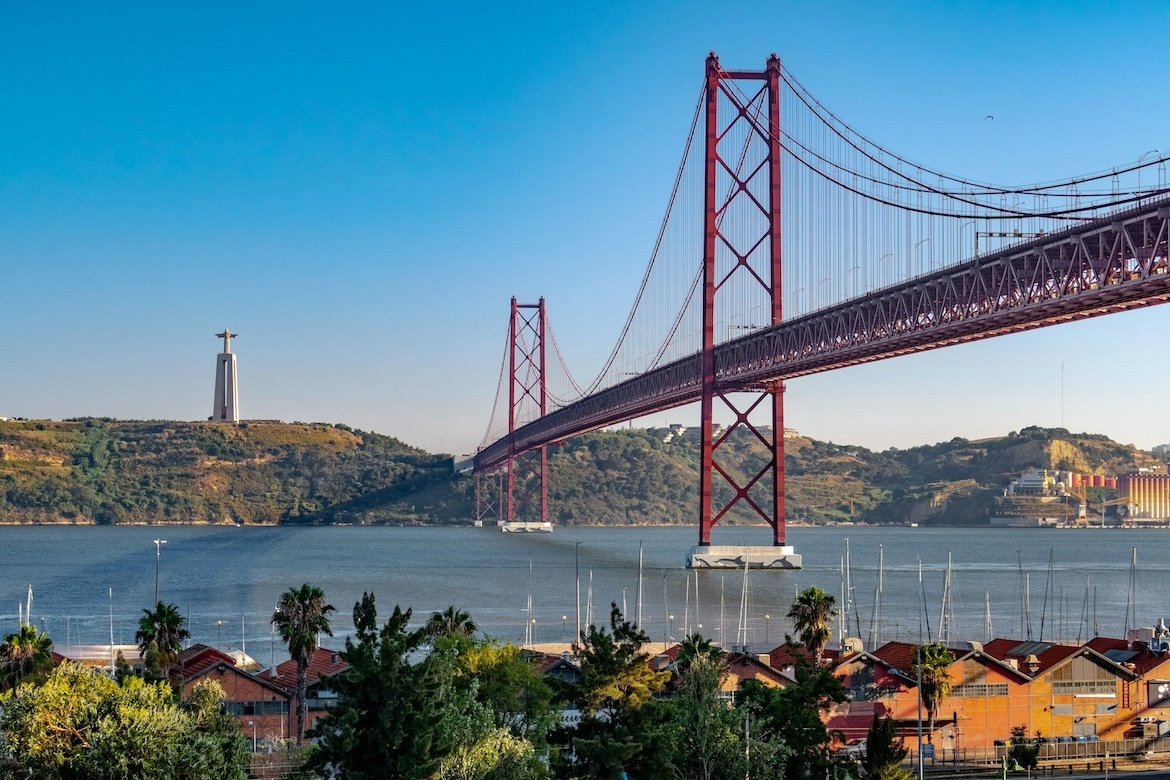
Coastal view of Lisbon, Portugal, named Europe’s top destination for 2025. Photo: Svetlana Gumerova / Unsplash
Portugal has officially been named Europe’s Best Destination for 2025 by the World Travel Awards, reaffirming its status as one of the continent’s most inspiring and multifaceted travel destinations. Known for its history, architecture, and world-class hospitality, Portugal continues to captivate visitors from all over the world. From bustling cities to remote islands, it offers the perfect blend of culture, relaxation, and adventure.
Lisbon, Porto, and the Algarve Shine
At the center of Portugal’s success is Lisbon, the sun-soaked capital perched along the Tagus River. Its historic trams, pastel-hued buildings, and lively waterfront create an irresistible charm. Travelers can wander through the narrow streets of Alfama, enjoy fresh seafood in Mercado da Ribeira, or experience the city’s creative energy in the regenerated LX Factory district. Lisbon’s unique combination of old-world character and contemporary lifestyle makes it one of Europe’s most dynamic urban destinations.
Further north, Porto continues to grow in international popularity. Known for its terracotta rooftops, baroque churches, and the iconic Dom Luís I Bridge, Porto is a city that balances tradition with innovation. The Douro River region nearby remains a favorite for wine lovers, offering scenic cruises and boutique vineyards surrounded by rolling hills. The city’s food scene, mixing hearty northern flavors with cutting-edge gastronomy, is another reason it stands out among Europe’s must-visit locales.
In the south, the Algarve offers an entirely different landscape, defined by golden cliffs, turquoise waters, and hidden coves. This coastal region remains Portugal’s most famous beach destination, but it’s also evolving beyond resort tourism. Visitors can explore fishing villages like Olhão, hike the Rota Vicentina trails, or enjoy eco-retreats focused on sustainability. With its blend of natural beauty and cultural heritage, the Algarve continues to define Portugal’s Mediterranean allure.
Islands and Hidden Gems
Beyond the mainland, Portugal’s islands are gaining global attention. The Azores, a volcanic archipelago in the middle of the Atlantic, are a paradise for nature lovers and adventure travelers. Whale watching, geothermal springs, and crater-lake hiking make it a true escape for those seeking tranquility and connection with nature. Similarly, Madeira – often called the “Island of Eternal Spring” – offers a blend of mountain scenery, tropical gardens, and dramatic ocean views.
Lesser-known regions such as Alentejo and Évora add another layer to Portugal’s appeal. Known for olive groves, medieval villages, and a slower pace of life, these areas represent the country’s growing focus on sustainable tourism and authentic experiences. Travelers are increasingly drawn to these quieter regions, where local traditions and craftsmanship still thrive, providing an alternative to the crowded hotspots of Western Europe.
As Portugal celebrates its title as Europe’s top destination, it’s clear the recognition goes beyond its beauty – it’s about balance. The country has managed to embrace modern tourism while preserving its soul, offering travelers both inspiration and comfort. From Lisbon’s hills to the cliffs of the Algarve and the green peaks of the Azores, Portugal in 2025 remains a place where every journey feels timeless.
Disney World has revealed dates, entertainment, and more than 80 exclusive treats for this year’s Jollywood Nights at Hollywood Studios.
By Yuliya Karotkaya
Published:
Updated:
Promotional poster for Disney’s Jollywood Nights 2025 at Hollywood Studios. Photo: Disney
Disney World is ushering in the holiday season with a dazzling celebration at Hollywood Studios, as Jollywood Nights returns for 2025. The annual Christmas-themed event will run on select nights from November 8 through December 22, bringing a mix of live shows, street festivals, and more than 80 exclusive festive treats to one of the park’s most glamorous settings.
Guests can expect to experience the park like never before, with entry beginning at 5:30 p.m. – two hours ahead of the official start time – allowing more time to soak in the atmosphere before the lights, music, and magic begin. The event transforms Hollywood Studios into a festive wonderland, complete with shimmering décor, themed performances, and shorter ride wait times, offering the ideal mix of fun and nostalgia.
Shows, Music, and Holiday Magic
Two new stage productions headline this year’s festivities. “The Little Mermaid – A Musical Adventure” and “Disney Villains: Unfairly Ever After” make their Jollywood debuts, promising Broadway-level performances with beloved characters. The Holiday Fiesta en la Calle, inspired by Coco, returns in a new location near Rock ‘n’ Roller Coaster, bringing Latin rhythms and color to the holiday celebration.
Guests can also enjoy the crowd-favorite musical, “Disney Holidays in Hollywood,” hosted by Kermit the Frog and Miss Piggy, alongside appearances from Mickey, Minnie, Belle, and Tiana. Meanwhile, “What’s This? Tim Burton’s The Nightmare Before Christmas Sing-Along” adds a touch of spooky holiday charm with Jack Skellington leading fans through Halloween Town and Christmas Town.
As Disney puts it, “Walking down Sunset Boulevard during Jollywood Nights feels like stepping into a Christmas movie.” Between the twinkling lights, themed photo ops, and live entertainment, the park offers an immersive dose of festive joy for all ages.
Festive Treats and New Food Experiences
No Disney event would be complete without its signature culinary creativity, and this year’s Jollywood Nights promises a feast for the senses. More than 82 exclusive treats will be available, including 35 brand-new creations served at various themed locations.
Highlights include the Jolly Jam Slider, a burger with bourbon-garlic-bacon jam, and the Hickory Holiday Mac, featuring macaroni and cheese topped with burnt ends and crispy onions. Sweet lovers can indulge in desserts like the Taco ’bout a Holiday Cookie!, a cranberry cheesecake-filled cookie coated in white chocolate, or the Mexican Hot Cocoa Cheesecake, topped with cinnamon-chocolate whipped cream.
Returning favorites like the Christmas Gertie Cookie and Sandy Claws Hot Cocoa will also make a comeback, along with playful pairings such as the Miss Piggy Strawberry Glam and Kermit Mint Whirl ice cream treats.
From the music to the menu, Disney’s Jollywood Nights continues to capture the spirit of the season, turning Hollywood Studios into a glittering holiday escape where magic, nostalgia, and flavor come together under the stars.
A major IT failure forced Alaska Airlines to ground all flights nationwide, causing hundreds of cancellations and raising serious operational concerns for the carrier.
By Yuliya Karotkaya
Published:
Updated:
Alaska Airlines jet cruising above the clouds on a clear day. Photo: Jeffry S.S. / Pexels
Alaska Airlines faced a nationwide operational crisis this week after a massive IT failure forced the carrier to ground its entire fleet for several hours. The outage, which began Thursday afternoon, disrupted both Alaska Airlines and its regional affiliate Horizon Air, halting departures and triggering widespread cancellations across the United States.
According to initial reports, the system malfunction originated from the airline’s main data center, causing a shutdown of essential operational tools used for flight planning and dispatching. The Federal Aviation Administration temporarily issued a ground stop while Alaska’s technical teams worked to restore service. Although systems were eventually brought back online later that evening, the damage had been done – over 200 flights were canceled and many more delayed.
Disruption Across the Network
Passengers across major airports, including Seattle, Los Angeles, and Portland, reported long lines and confusion as flight information displays went blank and online systems stopped updating. Customer communication channels were overwhelmed, with travelers waiting hours for updates or rebooking assistance. The outage also affected mobile app check-ins and gate assignments, further complicating the recovery process.
While Alaska Airlines confirmed that there was no evidence of a cybersecurity breach, the event underscored how vulnerable airline operations have become to digital disruptions. In today’s aviation industry, nearly every process – from crew scheduling to fuel tracking – depends on integrated IT systems. When one component fails, the entire network can come to a halt within minutes.
The incident marks Alaska’s second major technical issue this year. A smaller system failure in the summer caused several hours of delays but did not result in a complete ground stop. This recurrence raises concerns about the resilience of the airline’s technology infrastructure and its capacity to handle large-scale operational stress.
Restoring Order and Passenger Confidence
By Thursday evening, Alaska Airlines began gradually resuming service as IT systems stabilized and the FAA lifted the ground stop. The airline implemented flexible rebooking and refund options for stranded travelers, with customer service teams working overtime to reassign passengers to new flights.
Despite these efforts, the impact of the outage extended into Friday as crews and aircraft were repositioned. Analysts note that recovering from such a disruption can take several days, particularly when aircraft and staff are scattered across multiple hubs.
The outage also comes at a challenging time for the airline industry, with carriers facing high fuel costs, tight schedules, and growing passenger volumes. For Alaska Airlines, it was an especially ill-timed setback – just one day after the company had revised its profit forecast downward due to rising operational expenses.
As the airline works to stabilize its schedule and reassure customers, the event serves as a stark reminder of how dependent modern aviation has become on complex, interconnected technology. While Alaska Airlines has pledged to strengthen its systems and prevent future outages, the incident highlights a broader challenge for the entire industry: ensuring digital reliability in an era when every delay can ripple across the skies.
Japan is set to raise visa charges, departure levies and tax-free shopping rules in 2026 as travel demand surges and authorities shift toward sustainable tourism.
By Yuliya Karotkaya
Published:
Updated:
Visitors exploring Tokyo’s shopping district as Japan prepares new overtourism measures. Photo: Zoë Crafton / Pexels
Japan is preparing for a major tourism policy shift in 2026, introducing higher visitor fees to manage overtourism. The changes include increased visa charges, a higher departure tax, and a new system for tax-free shopping, all designed to balance the country’s record visitor growth with long-term environmental and cultural preservation.
After welcoming more than 36 million international travelers in 2024, Japan’s infrastructure and popular attractions – especially in Tokyo, Kyoto, and Mount Fuji – have faced unprecedented pressure. To counter this, officials are expected to raise the international departure tax from 1,000 yen (around $6.90) to as much as 5,000 yen. Accommodation taxes may also rise, with luxury hotels in Kyoto potentially adding up to 10,000 yen per night by March 2026.
The nation’s tax-free shopping rules will also change. Beginning late 2026, tourists will pay full prices – including consumption tax – during purchases, with refunds processed at airports. This move aims to ensure better tax control and channel more funds into tourism infrastructure and local communities most affected by heavy visitor traffic.
Promoting Sustainable Tourism and Responsible Travel
Japan’s 2026 travel reforms reflect a shift toward quality over quantity. Authorities are working to reduce overtourism in the most crowded destinations while encouraging travelers to explore lesser-known regions such as Kyushu, Shikoku, and Tohoku. The extra revenue from the fee increases will fund transport upgrades, preserve cultural landmarks, and strengthen environmental protections – all key aspects of sustainable tourism.
A significant part of this strategy is being pioneered in Kyoto, where officials have announced the highest hotel tax in Japan starting in 2026. This local initiative aims to regulate visitor numbers, protect cultural heritage, and fund city maintenance programs – making Kyoto a model for how major tourist destinations can balance popularity with preservation.
As previously reported on TravelCapybara, Kyoto’s approach serves as a preview of how Japan’s nationwide tourism policies may evolve in the years ahead, emphasizing a more thoughtful and sustainable approach to hospitality.
For travelers, these changes mean adjusting budgets and expectations but also gaining the opportunity to experience Japan in a more authentic and less crowded way. The government’s strategy is not to discourage visitors but to encourage longer stays, off-season travel, and meaningful cultural connections.
Even with the rising costs, Japan remains one of the world’s most inspiring destinations. The yen’s favorable exchange rate, efficient transport, and blend of tradition and innovation continue to attract those seeking both comfort and depth in their travels.
By addressing overtourism head-on and embedding Sustainable Tourism principles into its travel framework, Japan is redefining what responsible global travel looks like. The 2026 reforms mark not just a price adjustment, but a vision for a tourism future that benefits both visitors and the communities that welcome them.
Join our list to receive latest Blockchain, Crypto & Fintech news:
WordPress database error: [Table 'u752143311_aXVuj.wp_coingecko_coins' doesn't exist]
            SELECT coins.*, meta.post_id as post_id
            FROM `wp_coingecko_coins` coins
            INNER JOIN wp_postmeta meta ON (meta.meta_key = 'wpcf-coin-main-tag' AND meta.meta_value = coins.slug )
            ORDER BY market_cap_usd
            DESC LIMIT 9