Explora Journeys has appointed world No. 1 tennis star Jannik Sinner as its global brand ambassador. Their partnership highlights shared values of precision, wellness, and authenticity, with co-created onboard wellness activations and visibility during major tournaments.
By Yuliya Karotkaya
Published:
Updated:
Tennis champion Jannik Sinner with Explora Journeys president Anna Nash - revealed as the luxury cruise brand’s newest global ambassador ahead of the US Open. Photo: Explora Journeys
Explora Journeys, the luxury ocean travel brand created by the MSC Group, has officially announced Jannik Sinner, the world’s No. 1 ranked tennis player, as its new global brand ambassador. The partnership was revealed in New York ahead of the US Open, underscoring the company’s strategy to align itself with influential cultural and sporting figures. By bringing together the prestige of tennis and the allure of ocean voyages, Explora Journeys is highlighting its ambition to offer more than traditional cruising.
For Sinner, the partnership represents an opportunity to share his values of authenticity, balance, and dedication with a broader audience. Known not only for his powerful game but also for his grounded personality, he embodies the philosophy Explora Journeys calls The Ocean State of Min – a mindset built around relaxation, wellness, and meaningful travel experiences.
Sport, Wellness, and Authentic Travel
According to the brand, Sinner’s role will go beyond appearances. He is expected to collaborate in creating bespoke wellness programs that reflect the training, recovery, and mindfulness practices of a world-class athlete. Passengers can look forward to activities designed around holistic wellbeing, from curated fitness sessions to moments of calm that bring together the serenity of the sea and the discipline of sport.
Explora Journeys executives highlighted the alignment between the tennis star’s outlook and the company’s mission. Global President Anna Nash noted that Sinner’s drive and authenticity reflect exactly what the brand wants to convey: luxury that feels personal, genuine, and restorative. For Sinner, joining a travel company that emphasizes mindfulness and authenticity felt like a natural partnership.
The brand has previously tested similar lifestyle partnerships. For example, during the Monaco Grand Prix, Explora I transformed into a floating boutique hotel, offering exclusive hospitality to a select group of guests. By connecting itself with high-profile global events and now with an athlete at the very top of his sport, Explora Journeys is building a reputation as a lifestyle brand, not simply a cruise operator.
With EXPLORA I already sailing and EXPLORA II recently launched, the line is in an expansion phase, with four additional ships scheduled to join by 2028. Collaborations like this one with Jannik Sinner are designed to solidify its identity as a forward-looking luxury brand, combining the glamour of international sport with the timeless appeal of the ocean.
Hyatt’s loyalty program now includes a wide array of experiential rewards – from spa treatments to local adventures – allowing members to earn or redeem points beyond hotel stays.
By Yuliya Karotkaya
Published:
Updated:
Comfortable poolside lounge areas at a Hyatt property - now among many amenities where members can earn or redeem loyalty points. Photo: Hyatt
Hyatt has taken a bold step in redefining what a hotel loyalty program can be. The company recently announced that its World of Hyatt platform will now allow members to earn and redeem points not just on overnight stays, but also on a broad range of on-property experiences.
This includes spa treatments, poolside cabana rentals, curated dining options, and other activities that go far beyond the traditional scope of hotel benefits. For Hyatt, this expansion represents more than an upgrade in perks – it signals a larger strategy to meet evolving traveler expectations and to transform loyalty into a holistic lifestyle program.
For many years, hotel loyalty was synonymous with free nights or room upgrades. While those remain core benefits, Hyatt’s decision reflects a growing shift in the hospitality industry toward experiential value. Travelers increasingly want to feel that their loyalty points translate into memorable moments, not just discounted rooms. By integrating amenities and activities into the reward system, Hyatt is positioning itself as a brand that understands the modern traveler’s mindset.
Expanding Rewards to Real-Life Experiences
With this change, members can now accumulate and redeem points for services that directly enhance their trips, whether it’s unwinding at a luxury spa, reserving a private cabana to enjoy the day poolside, or booking special culinary experiences at participating hotels. These options are available across hundreds of properties worldwide, giving the program an unprecedented level of flexibility.
Hyatt’s integration with a specialized experiential platform ensures that the process is seamless – points can be used instantly for on-site offerings, without the need for complicated redemptions or pre-planning. This ease of use matters, as it empowers travelers to make spontaneous choices and maximize the value of their loyalty. For frequent guests, the ability to enjoy small luxuries on every stay, not just during milestone trips, reinforces their emotional connection to the brand.
Strategy and Implications for Travelers
From a strategic perspective, Hyatt’s move has clear benefits. It boosts ancillary revenue by encouraging guests to spend on-site, while also strengthening member engagement. Guests are more likely to return when they feel their loyalty is rewarded in flexible, meaningful ways. Analysts believe that this approach could set a new benchmark in hospitality, challenging competitors to rethink how loyalty extends beyond the room.
For travelers, the implications are equally significant. A family might choose to redeem points for a special poolside experience, while a solo traveler may opt for a wellness package during a business trip. The range of choices ensures that the program appeals to different travel styles and budgets. By offering more personalized value, Hyatt ensures its loyalty program remains competitive in an increasingly crowded market.
Ultimately, Hyatt’s expansion illustrates how loyalty is evolving. Today, it’s no longer just about accumulating nights – it’s about creating experiences that resonate on a personal level. With this initiative, Hyatt reaffirms its commitment to guest satisfaction, ensuring that every stay can become a memorable journey, supported by a loyalty program that rewards more than just sleep.
OYO is making a third attempt to go public, planning to file its Draft Red Herring Prospectus (DRHP) in November 2025 with a valuation goal of $7–8 billion – approximately 25-30 times its EBITDA – as investment banks and SoftBank weigh in.
By Yuliya Karotkaya
Published:
Updated:
OYO eyes a November DRHP filing for its third IPO attempt, targeting a $7–8 billion valuation - reflecting renewed confidence after financial turnaround and improved performance. Photo: TravelCapybara
OYO, the Indian-founded hospitality giant, is set to file for its long-awaited initial public offering in November 2025. This marks the third time the company has pursued an IPO, after two previous attempts were shelved due to unfavorable market conditions and regulatory complexities. The new filing represents a significant milestone for OYO, which has spent years reworking its business model, improving profitability, and restoring investor confidence.
In earlier attempts, the company faced concerns over mounting losses and aggressive expansion that strained its finances. However, OYO’s leadership has stressed that its latest strategy is more sustainable, with a stronger focus on operational efficiency and long-term stability. The target valuation of $7–8 billion, while lower than the lofty figures once associated with the company, reflects a more grounded and realistic approach to growth in today’s market.
Financial Recovery and Market Outlook
Over the past two years, OYO has made meaningful progress in improving its financial position. Losses have narrowed as the company streamlined operations and focused on high-performing markets, including India, Southeast Asia, and select international hubs. At the same time, revenue has grown steadily thanks to increased occupancy rates and better integration of technology within its partner hotels.
This financial recovery has been a critical factor in convincing investors that OYO may finally be ready for the public markets. Analysts believe that while the company’s valuation target is ambitious, its renewed emphasis on profitability rather than pure scale could make it more attractive to institutional investors. The IPO will also serve as an important test of market appetite for hospitality-tech companies in a post-pandemic environment where travel demand continues to fluctuate.
What Lies Ahead
For OYO, the upcoming IPO is more than just a financial milestone – it represents an opportunity to redefine its global identity. With competition from other hospitality platforms and traditional hotel chains still intense, going public could provide the capital needed to strengthen its international presence and further invest in technology.
The company’s ability to strike the right balance between growth and profitability will determine how successful its stock market debut becomes. While uncertainties remain, OYO’s leadership is optimistic that this third attempt will finally achieve what has eluded the company for years: a stable position on the public markets backed by a credible valuation and long-term investor trust.
Twiliner launches a luxury night bus service across Europe in November 2025, offering lie-flat beds, sustainability, and connection between major cities.
By Yuliya Karotkaya
Published:
Updated:
Twiliner’s lavish interiors feature lie-flat seats resembling business-class cabins, offering comfort and style during overnight journeys. Photo: Twiliner
Europe’s overnight travel is set to get a major – and stylish – upgrade with the arrival of Twiliner. Launching in November 2025, this Swiss-operated network introduces premium sleeper buses designed to close what Twiliner calls the “comfort gap in long-distance travel.” A clear choice for eco-conscious travellers, these buses offer a tranquil, hotel-like experience that promises to rival short-haul flights.
A Journey with Comfort and Class
Twiliner’s interior design leans heavily into luxury. Each coach accommodates just 21 seats – 18 on the upper deck and 3 below – all modeled after business-class airline seating. These aren’t your typical bus seats: with the press of a button, they fully recline into beds, allowing passengers to transition from sit to sleep effortlessly.
Expect to find amenities such as pillows, blankets, individual tables, reading lights, power outlets, free Wi-Fi, and personal storage compartments. On the lower deck, passengers gain access to a spacious bathroom and changing room – no showers, but plenty of comfort – and a snack bar for light refreshments.
Luggage is also handled thoughtfully: each passenger may bring one checked suitcase (up to 23 kg, 80 × 50 × 35 cm) and one carry-on (up to 5 kg, 50 × 30 × 20 cm). Additional gear like bicycles or surfboards can be accommodated if booked in advance. Twiliner’s attention to detail creates a journey that blends convenience with a sense of indulgence.
Connectivity, Sustainability, and Expansion Plans
Twiliner isn’t just about comfort – it’s also green. The buses run on HVO diesel, a renewable fuel derived from waste fats and vegetable oils, allowing journeys to emit up to 85% less CO₂e than flights. Twiliner markets its overnight service as both sustainable and city-centre convenient, saving time, transfers, and hotel costs by letting travellers board in the city and wake up refreshed at their destination.
Two routes will debut: Zurich to Amsterdam (via Basel, Luxembourg, Brussels, and Rotterdam) and Zurich to Barcelona (via Bern and Girona). Initially operating several times per week, Twiliner aims to increase frequency soon. Their vision is bold – connecting the 25 most visited European cities by 2028, and expanding the network to 30 destinations within three years.
The service is geared toward mature, quiet travellers; children under five are not permitted, and older kids must respect a rest-friendly environment. At prices starting around €180 one-way (or CHF 150–200 return), Twiliner aims to offer a premium experience at economy pricing.
This venture arrives at a time when Europe’s travel landscape seeks sustainable, comfortable alternatives to flying. With sleeper trains already gaining popularity, Twiliner stands out for blending high-end comfort with low environmental impact. Travelers and industry observers alike will be watching to see how this innovative approach shapes the future of overnight travel.
Set to open in 2027, Rosewood Calistoga redefines Napa Valley luxury with a forested hillside estate offering bespoke wellness, culinary immersion, and residential living, all rooted in vineyard terroir.
By Yuliya Karotkaya
Published:
Updated:
Scheduled for a 2027 debut, Rosewood Calistoga will deliver a luxury wine-country resort and residences on a 118-acre Calistoga hillside, with farm-to-table dining, integrative wellness spa, and private villas. Photo: Rosewood Hotels & Resorts
Rosewood Hotels & Resorts is set to unveil Rosewood Calistoga, a luxurious reimagining of Napa Valley hospitality scheduled to open in 2027. This forested‐hillside estate spans 118 acres near downtown Calistoga and will seamlessly blend modern design with the natural terroir, anchored in local culture, cuisine, and connection.
Design, Dining & Wellness in Harmony with Nature
Rosewood Calistoga aims to feel like a living ecosystem, built to foster exploration, renewal, and communal harmony. Design firm Atelier Marsh will honor the architectural legacy of Ed Tuttle, ensuring the resort’s 129 guestrooms and suites, along with 20 private villas and 13 estate homesites, harmonize with the land’s ridgeline and seasonal rhythms.
The culinary experience will be deeply rooted in place. Drawing from its own gardens and nearby farms and wineries, the signature restaurant will champion an earth-to-table approach with fresh, organic produce and sustainably sourced meats and seafood. Guests can also unwind at a cozy cocktail bar or a relaxed poolside eatery that offers sweeping vineyard views. Culinary immersion deepens through vineyard dinners and cooking workshops, allowing guests to truly taste and understand the local terroir.
Wellness at Rosewood Calistoga will be centered around Asaya®, the brand’s integrative spa concept. Set against a lush forest backdrop, this sanctuary will feature six treatment rooms, a garden, hydrotherapy experiences, and a fitness center. There will also be two pools – one exclusively for adults – and a children’s Explorer Club. With over 20,000 square feet of indoor and outdoor event space, the resort is designed to host celebrations both intimate and grand.
Residential Living and “Sense of Place”
Beyond hotel experiences, Rosewood Calistoga invites long-term connection through its residential offerings. The private villas and homesites are thoughtfully designed for those who wish to call Calistoga home, offering access to the resort’s amenities and privileges of the Rosewood Reserve program. These residences are crafted to reflect a timeless, nature-driven aesthetic—prioritizing serenity, understated luxury, and a sense of belonging.
Radha Arora, President of Rosewood Hotels & Resorts, emphasizes that every detail is curated to celebrate Napa Valley’s culinary heritage and vinicultural legacy. The concept revolves around the idea that time spent in good company, in an environment shaped by nature and terroir, is the greatest luxury of all.
In a hospitality landscape rich with hotels opening in cosmopolitan centers or urban enclaves, Rosewood Calistoga is a compelling return to place-based storytelling. It promises a retreat where grounding design, seasonally expressive cuisine, and immersive wellness foster a more meaningful connection to the wine country – and to oneself.
Japan welcomed 3.43 million visitors in July 2025, setting a new monthly record. While arrivals from Hong Kong and South Korea fell, strong demand from China, the U.S., and Europe kept the momentum high.
By Yuliya Karotkaya
Published:
Updated:
Tourists flocked to Japan in July 2025, setting a new monthly record despite typhoon disruptions and quake-related fears. Photo: Nguyen Khac Tien / Pexels
Japan reached a major milestone in July 2025, welcoming 3.43 million international visitors, the highest figure ever recorded for that month. The number represents a 4.4% increase compared to July 2024, highlighting the resilience of the country’s tourism sector even in the face of natural disruptions and unexpected public fears. A mix of seasonal travel demand, cultural attractions, and a favorable exchange rate helped drive the surge.
Regional Declines and Market Shifts
Despite the record total, the picture was not equally bright across all markets. Visitor arrivals from Hong Kong fell by nearly 37%, while South Korea recorded a 10% drop. These declines were largely attributed to flight cancellations caused by typhoons and heightened concerns over potential natural disasters. Rumors of an imminent earthquake, fueled by social media and unfounded predictions, also discouraged some travelers from neighboring regions.
However, other markets saw significant growth. Tourists from mainland China increased by more than 25%, reflecting renewed interest in Japan following years of restricted travel. The United States also posted a double-digit increase, confirming Japan’s position as a top long-haul destination for American travelers. European markets contributed positively as well, adding further balance to the inbound tourism profile.
A Strong Outlook Despite Setbacks
Overall, the July surge underscores Japan’s ability to attract international visitors even amid short-term turbulence. From January through July 2025, the country welcomed nearly 25 million travelers, marking an 18% rise year-on-year. The combination of a weak yen, diverse cultural offerings, and well-developed tourism infrastructure continues to make Japan an appealing destination.
Looking ahead, officials remain optimistic that seasonal peaks in autumn and winter will maintain momentum. While regional drops from South Korea and Hong Kong highlight the vulnerability of travel demand to external shocks, the broader trend suggests Japan is well-positioned to exceed its annual targets and cement its role as one of the world’s most resilient tourism markets.
Delta Business has revealed a newly reimagined digital platform replacing Delta Professional. Rolling out late 2025, the enhanced site offers intuitive navigation, natural-language smart search, and a streamlined wallet of loyalty and service tokens – shaping a smarter future for business travel.
By Yuliya Karotkaya
Published:
Updated:
Delta Business unveils its next-generation digital platform for corporate travel - featuring smarter tools, streamlined navigation, and centralized loyalty token management. Photo: Delta Business
Delta Business is revolutionizing how corporations and travel agencies manage air travel by rolling out an entirely redesigned digital experience. The new platform – previewed at Delta’s signature event, SHOWCASE – will replace the legacy Delta Professional site, offering enhanced digital tools tailored to the needs of today’s business travel.
The corporate-facing platform is scheduled to launch later this year, with the travel agency version following in early 2026. This upgrade underscores Delta’s commitment to innovation in business travel.
Smarter Tools for Modern Travel Programs
At the heart of the update are three powerful enhancements designed to improve usability and operational efficiency. First, intuitive navigation provides a cleaner interface structured around real-world travel booking workflows, enabling users to locate and act on information quickly.
Second, smart search allows users to enter natural language queries – such as “last-minute flight to Chicago next Wednesday” – and instantly surface relevant results, replacing rigid search forms with conversational flexibility. Third, a unified wallet consolidates Loyalty Tokens, Service Points, and Amenity Points into a single hub, giving travel managers seamless control over how value is deployed across their programs.
These tools build upon Delta’s legacy of pioneering innovations in corporate travel: from early joint contracting and Sky Partner Reports to the creation of Delta Professional and recent launches like SkyMiles for Business. The new platform sets the foundation for future enhancements, including customizable dashboards and deeper data insights, all developed with customer feedback in mind.
Turkish Airlines’ €300 million offer to acquire a roughly 26–27% stake in Air Europa has been accepted. The deal is set to close within 6–12 months and is aimed at advancing connectivity and reinforcing both carriers’ strategic reach.
By Yuliya Karotkaya
Published:
Updated:
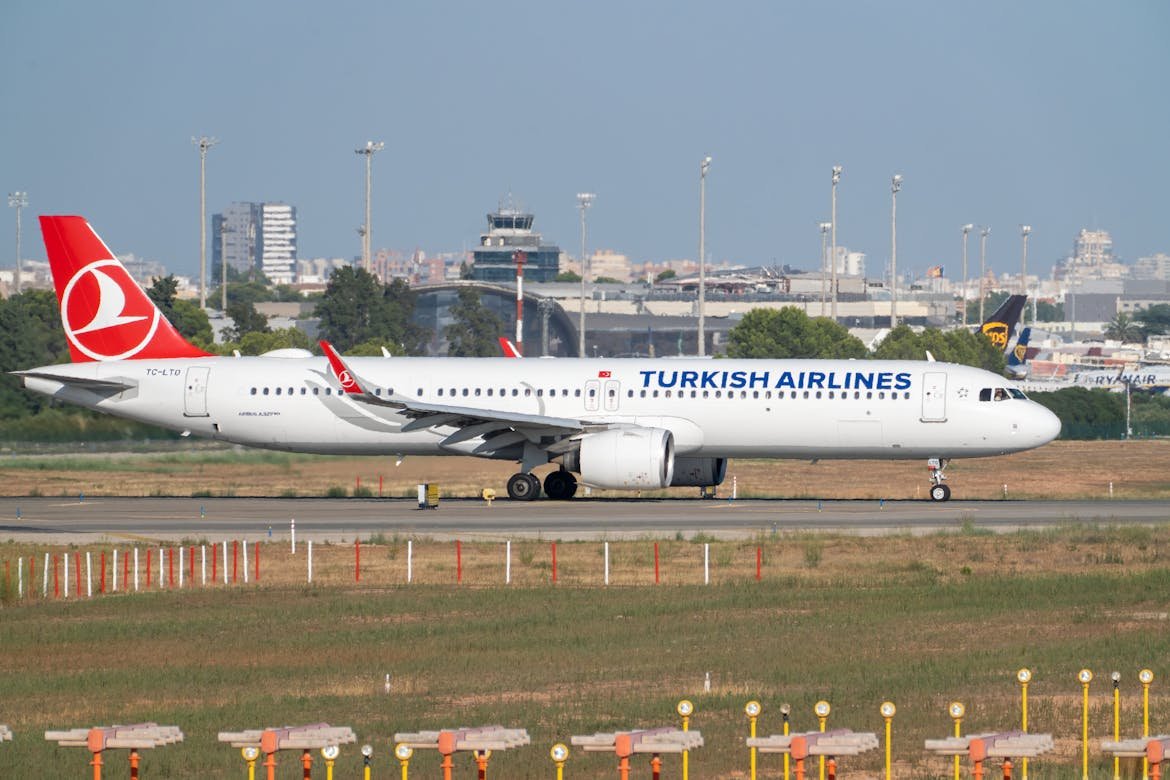
Turkish Airlines and Air Europa are preparing for a strategic partnership as the former acquires a 26–27% minority stake in the Spanish carrier. Photo: Rafael Minguet Delgado / Pexels
Turkish Airlines has moved forward with a significant strategic investment by securing an agreement to acquire a minority stake in Spain’s Air Europa. The binding offer, valued at approximately €300 million – mostly structured as a capital increase – is poised to give Turkish Airlines control of approximately 26–27% of Air Europa’s equity. The acceptance of the offer has set both airlines on a path toward a closing process expected within six to twelve months, pending regulatory approvals.
Reinforcing Global Routes and Financial Stability
For Air Europa, the timing couldn’t be more critical. The airline, long burdened by a pandemic-era loan of €475 million from Spain’s strategic enterprise fund, now sees a chance at financial stabilization. The incoming investment not only enables Air Europa to settle a sizable portion of its outstanding debt but also positions the carrier to enhance its fleet, expand maintenance operations, and improve overall operational resilience. Turkish Airlines’ seasoned expertise with aircraft and technical support presents an invaluable opportunity for modernization.
Meanwhile, for Turkish Airlines, this move represents a strategic expansion into critical markets. Air Europa’s well-established routes throughout Latin America and strong stance in the Iberian Peninsula align seamlessly with Turkish’s ambition to expand its network. By forging this equity partnership, Turkish effectively creates deeper connectivity south of Europe – from Madrid to Mexico City, Buenos Aires, and beyond – complementing its already extensive global footprint. The deal also highlights the airline’s ability to complement rather than consolidate, offering a creative path forward amid the competitive landscape.
Preserving Independence While Expanding Influence
Despite the new ownership dynamic, Air Europa is expected to continue operating independently outside the major European airline groups. The deal refrains from integrating the airline into any alliances or merging its brand, allowing Air Europa to retain its identity while benefiting from Turkish’s stable backing and support. This approach is seen as strengthening competition in Europe, particularly against larger groups like IAG, Lufthansa, and Air France–KLM.
Once completed, Turkish Airlines will hold shares second only to the founding Globalia group, potentially eclipsing IAG’s current 20% position. That spells deeper involvement in Air Europa’s strategic direction without homogenizing the brand. The alignment opens up new revenue channels across transatlantic routes while creating stronger bridges – for tourism, cargo, and bidirectional travel flows – between Spain and Turkey, and onward to Latin America.
In summary, the investment marks a bold chapter in both airlines’ trajectories. Turkish Airlines gains access to new markets and technical avenues, while Air Europa secures financial breathing room, access to modern operations, and a strategic ally. For passengers and the wider aviation industry, the deal signals more choice, stronger networks, and revived momentum in a competitive post-pandemic landscape.
Paris’s Montmartre neighborhood is facing a backlash from residents amid overtourism. Once a bohemian enclave, the area is now overrun by selfie lines, souvenir stalls, and short-stay rentals – prompting calls for urgent action to preserve its character.
By Yuliya Karotkaya
Published:
Updated:
Residents of Montmartre lay banners reading 'Behind the postcard: locals mistreated' as they push back against overtourism and the neighborhood’s transformation into a tourist spectacle. Photo: Alina Rossoshanska / Pexels
Paris’s Montmartre – once a vibrant, art-laden bohemian quarter – has become ground zero in the city’s struggle against overtourism and
“disneyfication“. Locals are alarmed by the rapid transformation of their cobbled streets into crowded selfie zones, interspersed with swathes of souvenir stalls and tourist-only cafés. With over 11 million annual visitors frequenting landmarks like Sacré-Cœur, residents feel shuffled aside.
Streets turned pedestrian-only have made daily life harder for individuals with disabilities. Grocery stores and neighborhood services have closed, replaced by transient business models. Banners such as “Let Montmartre residents live” and “Behind the postcard: locals mistreated” now hang in windows, summing up the creeping frustration that the neighborhood is becoming less home and more spectacle.
Fighting Back: Resident-Led Action and Policy Demands
The residents’ group Vivre à Montmartre has been leading the charge, advocating for measures to curb tourism’s mechanical grip. They call for enforceable limits on tour group sizes, bans on loudspeaker activity, and reform of short-term rental policies. While city authorities have responded by reducing annual rental caps on primary residences from 120 to 90 days, the pace of transformation continues to outpace policy.
Rising real estate values – some apartments now costing upwards of 500,000 euros – only deepen the fears of displacement and hollowing out of local culture. These warning signs echo broader concerns heard globally – in Venice, Amsterdam, and Barcelona, neighborhoods suffer as rapid tourism replaces community life with polished facades.
Tourism vs. Livability: Broader Implications and Solutions
Montmartre’s struggle is emblematic of a growing dilemma: how to balance global tourism with the rights of residents to remain rooted. UNESCO and urban planners call these places “authenticity casualties,” warning of “zombie city” effects where local life vanishes beneath tours and trend-driven eateries. Paris recorded nearly 49 million tourist visits in 2024, and 2025 is tracking even higher. If Montmartre is illustrative, the enduring power of pop culture – from “Amélie” to “Emily in Paris” – and high-profile events like the Tour de France final stage intensify exposure but erode the soul of the place.
For a broader perspective on regional responses to overtourism, see how other European cities are implementing strategies to protect community integrity and sustainable travel – from targeted taxes to visitor management systems and learn how public backlash even reached celebrity events, such as a high-profile protest during a wedding in Venice.
Chicago’s O’Hare Airport has begun construction on its first new concourse since 1993 – Concourse D. This $1.3 billion expansion includes 19 new gates, lounge and commercial spaces, and iconic architectural design, pushing forward the larger $8.5 billion O’Hare 21 modernization plan.
By Yuliya Karotkaya
Published:
Updated:
Construction officially begins on O’Hare’s new Concourse D, a $1.3 billion expansion marking the first new concourse since 1993 and a major milestone in the O’Hare 21 redevelopment. Photo: City of Chicago
Chicago’s O’Hare International Airport, one of the world’s busiest aviation hubs, has officially broken ground on a major new infrastructure project. Mayor Brandon Johnson, alongside aviation officials and airline leaders, marked the start of construction for Concourse D, a $1.3 billion satellite terminal that marks O’Hare’s first major concourse addition in over 30 years.
Slated for completion in late 2028, Concourse D will feature 19 new gates – designed for narrow-body jets but adaptable for wide-body aircraft – and will be connected to United’s existing Concourse C via a pedestrian bridge. The new facility forms the first phase of a larger modernization effort known as O’Hare 21, which aims to transform the entire airport complex over the next decade.
A Gateway Designed for the Next Generation of Travel
The new Concourse D represents a sweeping leap forward in passenger experience and operational capacity. The concourse will span roughly 590,000 square feet and house 20,000 square feet of lounge space along with 30,000 square feet dedicated to retail and dining. A standout architectural feature is a soaring 40-foot-high atrium adorned with an oculus to bring natural light into the space, creating an inviting and airy ambiance.
The design incorporates tree-like structural columns – a deliberate nod to the former apple orchard that once occupied the site – designed by Skidmore, Owings & Merrill in collaboration with Ross Barney Architects, Arup, and Juan Gabriel Moreno Arquitectos. Interior planning also includes a dedicated children’s play area, modern amenities, and infrastructure upgrades such as a new central cooling plant, with additional airfield utility improvements expected.
Chicago’s aviation commissioner emphasized that Concourse D alone will generate more than 3,800 construction jobs – an economic boost to the region. The project stands as a key part of ORDNext, the initial phase of the Terminal Area Plan under the O’Hare 21 umbrella. Following this, the plan calls for a new Global Terminal replacing Terminal 2, construction of a second satellite concourse (Concourse E), and an underground tunnel to seamlessly connect the sprawling campus.
Wizz Air has partnered with Travelfusion to expand its distribution reach – enabling its fares to appear on agency systems, corporate booking tools, and OTAs – enhancing accessibility and flexibility for both leisure and business travelers.
By Yuliya Karotkaya
Published:
Updated:
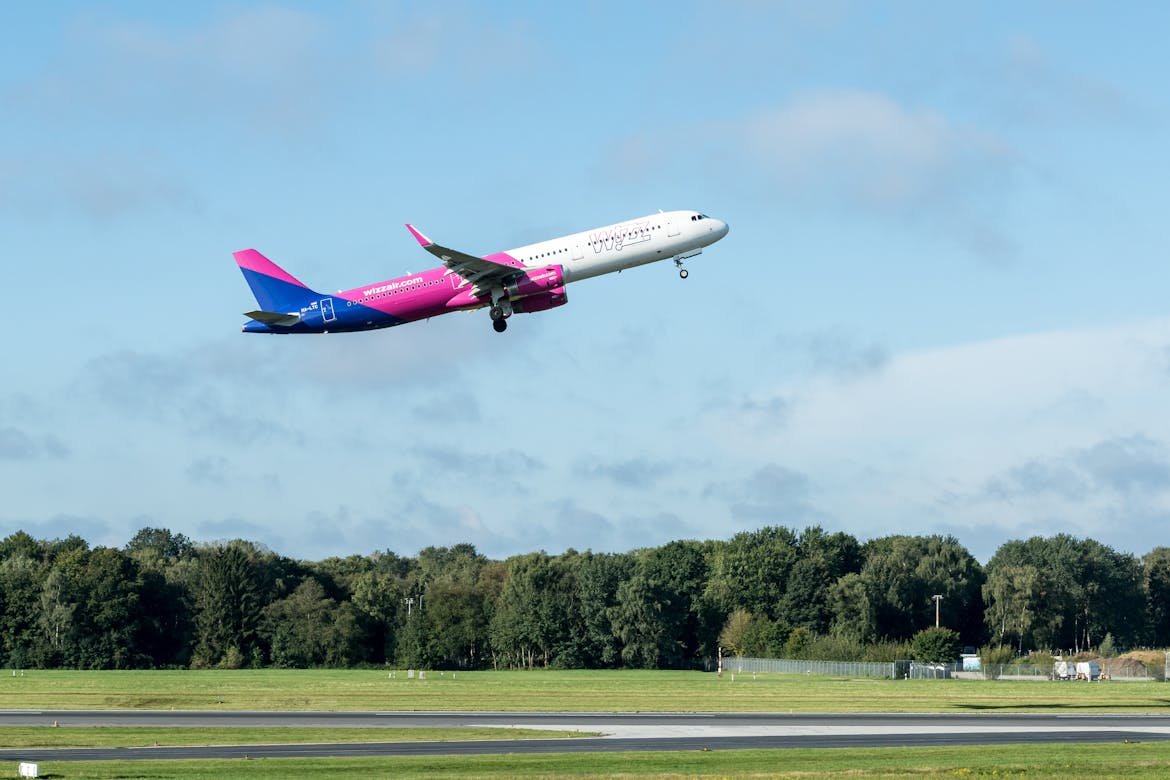
Wizz Air expands its reach by partnering with Travelfusion, enabling agents, OTAs, and corporate platforms to access and book its low-cost fares. Photo: Wolfgang Weiser / Pexels
Wizz Air, one of Europe’s fastest-growing low-cost carriers, has taken a strategic step to boost its market reach by partnering with Travelfusion, a leading global flight content aggregator. This alliance allows Wizz Air to distribute its flight content more broadly – posting fares directly into travel agencies, online travel websites, corporate booking tools (OBTs), and travel management companies (TMCs). The move significantly increases the airline’s visibility among both everyday travelers and business clients, ensuring competitive low fares are accessible through a wider range of booking channels.
Opening New Channels: From Agencies to Corporate Portals
Historically, Wizz Air’s distinctive low-cost fares were primarily available through its proprietary platform, making direct booking the default route for customers. However, the Travelfusion partnership flips the script by embedding Wizz Air’s content across agency interfaces and corporate booking systems. Travel agencies and OTAs can now compare and book Wizz Air fares alongside other carriers, streamlining the search and purchase process.
For the corporate sector, this integration brings significant benefits: businesses can now include Wizz Air’s competitive pricing within their managed travel policies. Companies that rely on OBTs and TMC platforms will gain access to Southwest’s low fares bundled with easy expense tracking, cost control, and flexibility – important in today’s budget-conscious corporate environment.
Strategic Impacts: Broader Reach and Leaner Operations
This partnership has dual strategic value. On one side, Wizz Air gains access to markets and client segments that previously needed targeted marketing efforts to reach – especially corporate customers and fare-conscious travelers using multiple OTA platforms. On the other, Travelfusion strengthens its portfolio by adding rich low-cost content from a leading European airline.
From an operational standpoint, this collaboration enables efficient scaling without proportional increases in customer service or distribution costs. Agents and corporate platforms will handle bookings while Wizz maintains streamlined pricing and policy consistency. This translates to growth in ancillary income from services like baggage or seat selection, driven by volume rather than direct retail.
Industry watchers see this move as emblematic of broader trends: low-cost carriers seeking partnerships over direct exclusivity, and travel tech companies building bridges between disparate players. The outcome: wider fare exposure, better service access, and enhanced traveler choice – all with the hallmark flexibility Wizz Air is known for.
Southwest Airlines unveils ‘Getaways by Southwest’ – a new vacation package service combining flights, hotels, and car rental into seamless, branded travel deals, offering value and convenience directly through Southwest.
By Yuliya Karotkaya
Published:
Updated:
Southwest Airlines expands into vacation packages with its new 'Getaways by Southwest' service, pairing flights, hotels, and car rentals into branded bundles. Photo: Soly Moses / Pexels
Southwest Airlines has taken a strategic step into the vacation package market with the new offering “Getaways by Southwest.” Travelers can now book bundled deals including flights, hotels, and car rentals – all packaged under the trusted Southwest brand. Aimed at simplifying the booking process, Getaways reflects the airline’s mission to provide transparent pricing, flexibility, and value, now extended beyond flights.
The announcement follows a growing industry trend of airlines diversifying their offerings to meet traveler demand for convenience and one-stop planning. With embedded package creation right within Southwest.com, this move streamlines vacation planning, especially for cost-conscious and brand-loyal customers who appreciate the airline’s familiar approach – no change fees, open seating, and no surprise charges.
Seamless Booking, Branded Value
“Getaways by Southwest” integrates seamlessly into the airline’s existing website ecosystem. Customers can choose from suggested packages or customize their travel by selecting flights, preferred hotel properties (ranging from full-service to select brands), and car rental options – all in one booking flow. The process highlights Southwest’s core advantages: transparent pricing, clarity in inclusions, and simplified policies.
For example, hotel options include value-tier, mid-range, and higher-tier properties, while rental cars come from familiar providers. Once booked, travelers manage all components from one itinerary, saving time and reducing the pain of toggling between multiple websites. Early feedback shows strong interest from travelers looking for affordable multi-night getaways and small-group trips under one trusted brand.
Cosmos, part of the Globus family, is launching three fresh North America tours for 2026 – exploring Utah’s Mighty Five and the Grand Canyon, music hubs of the South, and foundational U.S. history – all starting at just $235 per day.
By Yuliya Karotkaya
Published:
Updated:
Cosmos unveils three new North America tour itineraries for 2026 - including iconic national parks, musical legacies of the South, and historic U.S. trails. Photo: Cosmos
Cosmos is expanding its value-driven product line in North America with three immersive itineraries scheduled to launch in 2026. Known for delivering experiential but affordable guided travel, the company aims to meet rising demand for authentic, place-based journeys by combining scenic landscapes, cultural storytelling, and expert-led excursions. The new tours start at approximately $235 per day, positioning them as accessible options for both domestic travelers and international visitors eager to explore the United States in depth.
Epic Landscapes and Living Culture
The first itinerary – Grand Canyon & Utah’s Mighty Five – is a nine-day western adventure that begins in Phoenix and ends in Las Vegas. It covers six legendary national parks including Zion, Bryce Canyon, Capitol Reef, Canyonlands, Arches and, of course, the Grand Canyon.
Travelers experience scenic byways like Highway 12, 4WD tours in Monument Valley with Navajo guides, and time to explore small desert towns and viewpoints at their own pace.
The second offering, Music & Legends with Elvis & Dolly, is an 11-day journey through the soul of the American South. Beginning in Atlanta, the itinerary moves through Memphis, Nashville, Louisville and the foothills of the Smokies, with stops at Graceland, the Grand Ole Opry, Dollywood and smaller museums dedicated to icons like Tina Turner and Colonel Sanders. Nightly live shows, Honky Tonk visits and studio tours immerse guests in the sounds of blues, rock and country while honoring the communities that shaped them.
History in Motion: A Journey Through America’s Past
The third itinerary, Untold Tales of Historic Trails, taps into the growing appetite for heritage travel. Timed to lead up to the United States’ 250th anniversary, the ten-day tour explores Philadelphia, Washington D.C., Gettysburg, Shenandoah, Richmond and other sites central to early U.S. history.
Highlights include guided walks through Monticello and Valley Forge, battlefield interpretation led by expert historians, and opportunities to extend the experience with visits to Colonial Williamsburg or Mount Vernon. Rather than simply listing historic facts, the itinerary frames them through stories of people and places – bringing the past to life through on-the-ground interpretation.
Cosmos’ new tours reflect a broader shift in traveler behavior following the pandemic: a desire for meaning, context and connection over simple sightseeing. By pairing knowledgeable guides with thoughtful routing and affordable pricing, the brand brings experiential travel within reach of a wider audience – and sets the stage for one of its most compelling North America seasons to date.
Disney Cruise Line has released its fall 2026 through spring 2027 itineraries, complete with enhanced California and Texas cruise offerings, festive seasonal voyages, and an extended Florida and Singapore roster – along with early booking windows for loyal cruisers.
By Yuliya Karotkaya
Published:
Updated:
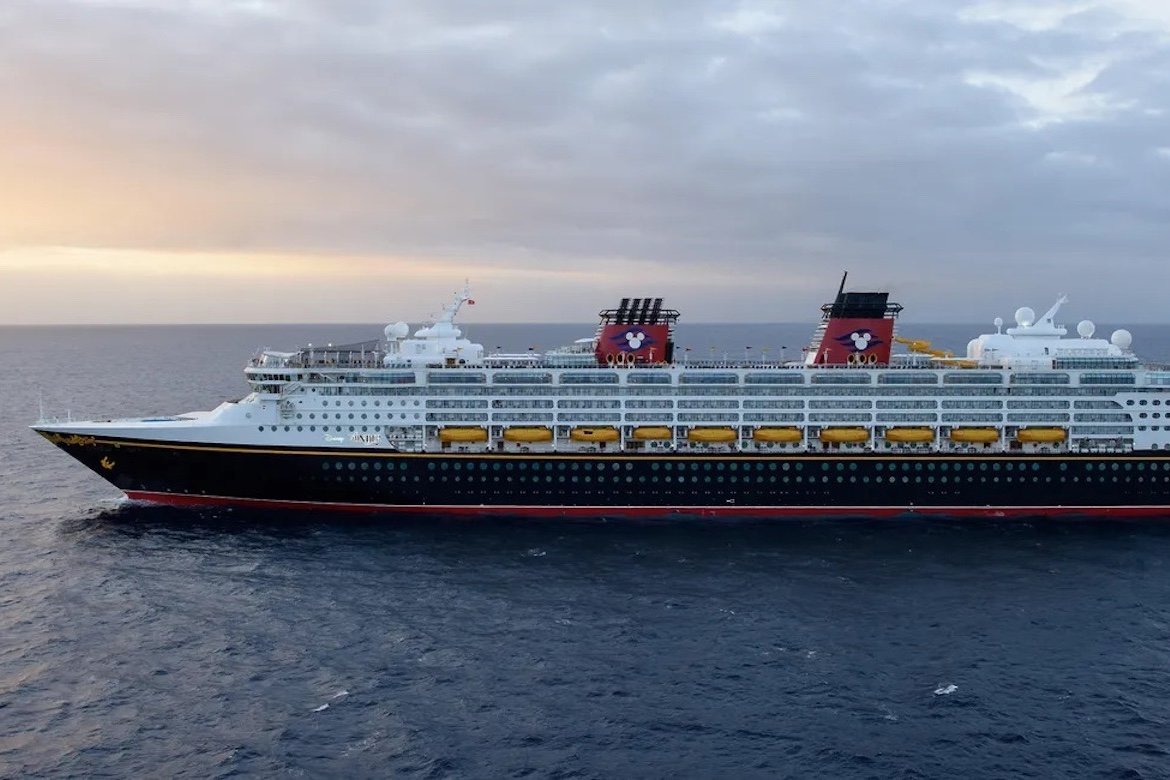
Disney Cruise Line expands fall 2026–spring 2027 sailings, including new West Coast and Texas departures, holiday cruise celebrations, and an enriched global roster. Photo: Disney Cruise Line
Disney Cruise Line has officially announced its Fall 2026 to Spring 2027 itineraries, offering a broad and exciting array of new departure ports and thematic experiences designed to elevate the Disney vacation-at-sea. Early booking opens on August 25, 2025 for Castaway Club members, with general bookings starting September 2. The expanded lineup includes fresh sailings from California and Texas, themed fall and holiday cruises, and robust offerings from Florida and Singapore.
West Coast & Texas Get Mega Expansion
For the first time in years, Disney is ramping up its presence on the West Coast and in Texas. The Disney Magic will sail from San Diego in October and November 2026 on voyages ranging from three to seven nights, visiting Catalina Island and Mexican destinations such as Cabo San Lucas, Ensenada, and Puerto Vallarta. Starting in November, the Magic transitions to Galveston, offering four-, five-, and seven-night cruises through April 2027 that include stops in Cozumel, Progreso, Nassau, and Disney’s private islands – Disney Castaway Cay and Disney Lookout Cay.
Meanwhile, the Disney Wonder will be based in San Diego from October 2026 through April 2027, also offering a series of three- to seven-night itineraries to West Coast and Mexican coastal destinations. These home-port expansions deepen Disney’s reach and make travel more accessible to West and South Central U.S. guests by reducing travel barriers.
Celebrate at Sea: Halloween, Holidays & Special Voyages
The 2026–2027 season brings back beloved mini-holidays at sea. Disney will offer “Halloween on the High Seas” sailings from September through October, followed by “Very Merrytime Cruises” from November through December, featuring themed decorations, character experiences, and seasonal goodies.
The itinerary lineup also includes special destinations beyond standard departures. The Disney Treasure will offer sailings calling at San Juan, Puerto Rico – welcoming guests eager for Caribbean charm and island culture. Travelers seeking a bucket-list experience will want to mark the calendar for a 14-night Panama Canal voyage, sailing from Galveston to San Diego, which uniquely crosses the iconic canal en route. This curated mix balances holiday energy with immersive, longer-route exclusivity.
Florida & Singapore: Full Seasons & Global Reach
Disney’s paddlewheel-style expansion isn’t limited to U.S. ports. In Florida, cruise bookings unfold across Port Canaveral, Fort Lauderdale, and beyond. By fall 2026, a full cadre of ships – including the newest additions to the fleet—will rotate Caribbean, Bahamas, Eastern, Southern, and Western Caribbean itineraries. Families can expect options ranging from short three-night getaways to weeklong voyage adventures.
In Asia, the Disney Adventure returns to Singapore, offering three- and four-night sailings from the Marina Bay Cruise Centre. This marks continued global connectivity for Disney, catering to the international guest base and reinforcing its appeal as a worldwide vacation brand.
The announcement reflects Disney Cruise Line’s multi-faceted strategy: extending reach through new Western and Southern home ports, delivering seasonal holiday flair, and sustaining robust presence in traditional Florida and Asian markets. With early booking windows privileging loyal Castaway Club members and a wealth of itinerary options, the Fall 2026–Spring 2027 season stands to offer something remarkable for every type of Disney traveler.
W Hotels has made a bold entrance into the all-inclusive market with W Punta Cana. Set to open in late 2026, this stylish adults-only resort promises W’s iconic design, vibrant nightlife, and elevated service – with all-inclusive offerings and 202-degree ocean views.
By Yuliya Karotkaya
Published:
Updated:
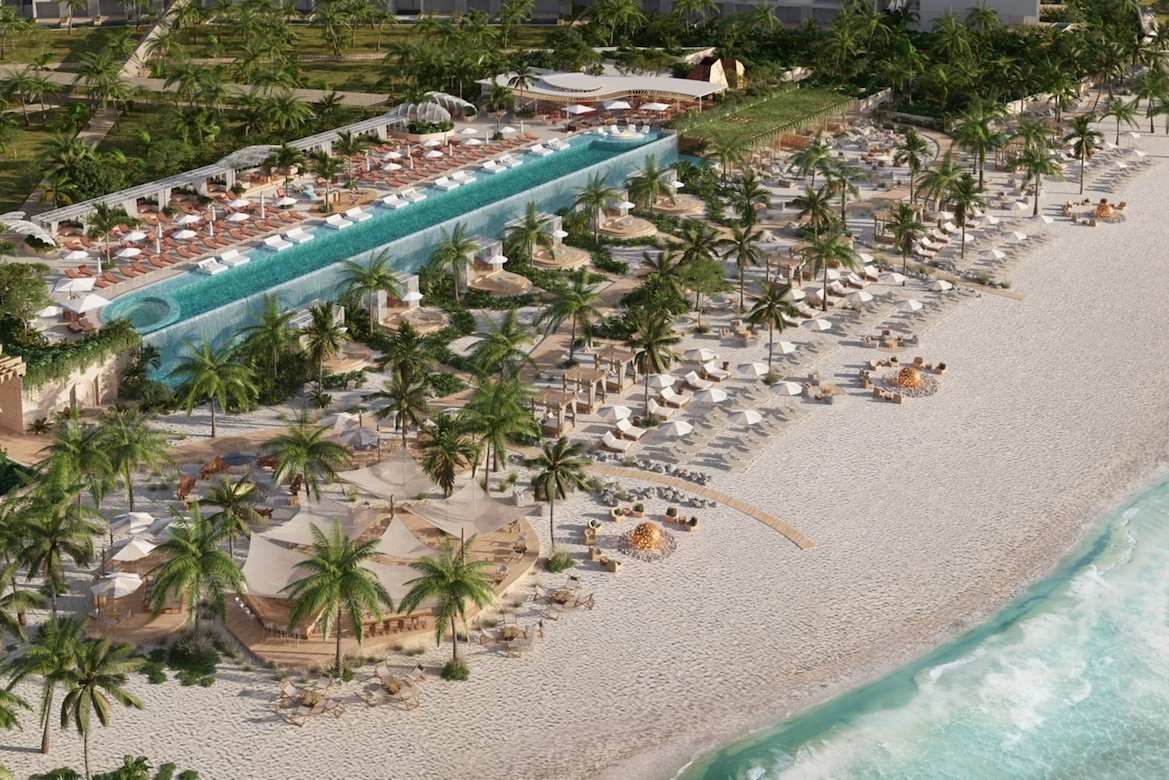
W Hotels enters the all-inclusive realm with W Punta Cana - an adults-only resort opening late 2026, boasting chic design, inclusive luxury, and panoramic ocean views. Photo: W Hotels Punta Cana
W Hotels is reinvigorating the all-inclusive category with the announcement of W Punta Cana, its very first property in this space. Set to open in late 2026, the resort brings W’s electrifying design style, immersive social experiences, and vibrant nightlife into the all-inclusive landscape.
Perched along the shores of the Dominican Republic, the property introduces an adult-focused escape that combines premium amenities with creative energy – perfectly suited for guests seeking elevated hospitality with no missed moment.
A New Chapter: All-Inclusive, Elevated
W Punta Cana represents a purposeful shift for W Hotels. Rather than integrating into existing all-inclusive chains, this debut brings W’s pre-existing brand identity – think bold interiors, music-driven programming, and high-concept F&B – fully into resort territory.
Core features include a 202-degree ocean view wherever you stand, signature amenities like on-demand playlists, petal turndown rituals, an exclusive ‘Life Burst’ wellness journey, and nightlife experiences infused with W’s curated DJ sessions and at-sea cabanas. All of this falls under one inclusive price: meals, drinks, wellness access, and spirited social moments.
By allowing guests to be immersed in W’s expressive flair – ones that combine local culture with flamboyant design – the resort isn’t just opening a new property – it’s defining a new luxury benchmark in the all-inclusive world.
Architecture, Adults-Only Retreat, and Experiential Play
Consistently forward-thinking, the resort’s adults-only format ensures its vibe remains laid-back yet vibrant. Rooms and suites feature clean lines, sharp accents, and sweeping ocean views.
Public spaces are equally designed for energy: a lounge energised with local funk playlists, an infinity pool crafted for both lounging and parties, and hidden wellness corners where mornings flow gradually into evenings of elevated conversation.
W Punta Cana’s programming raises the bar on immersion. The resort’s opening will include a curated art installation series spotlighting Dominican talent, inclusive spa journeys inspired by local rituals, open-air mixology classes, and beach bonfires with live acoustic performances – situated so each moment feels uniquely tailored yet effortless.
Strategic Move into the All-Inclusive Market
From a strategic standpoint, the launch unfolds at a moment where travel preferences are shifting. Travelers – especially within adults-only and design-forward segments – seek clarity, flexibility, and confident indulgence.
W Hotels’ all-inclusive introduction meets this head-on. Brand leaders acknowledge that guests want both value and experience, and by owning the narrative from suite to social, W can command price integrity while nurturing expressive identity.
Moreover, this move widens W’s footprint in epic vacation destinations. While most all-inclusive brands compete on volume, W adds volume with personality – an angle likely to attract their loyal clientele while inviting curious travelers into a fresh canvas of relaxed luxury. Late 2026 will mark its true entry; for now, the industry watches with curiosity.
Join our list to receive latest Blockchain, Crypto & Fintech news:
WordPress database error: [Table 'u752143311_aXVuj.wp_coingecko_coins' doesn't exist]
            SELECT coins.*, meta.post_id as post_id
            FROM `wp_coingecko_coins` coins
            INNER JOIN wp_postmeta meta ON (meta.meta_key = 'wpcf-coin-main-tag' AND meta.meta_value = coins.slug )
            ORDER BY market_cap_usd
            DESC LIMIT 9