Winter Storm Gianna is rapidly emerging as one of the most disruptive weather events of the winter travel season, compounding delays and cancellations across the United States just as many regions continue to recover from an earlier storm.
Forecasts indicate that Gianna is intensifying into a powerful bomb cyclone, bringing a dangerous mix of snow, strong winds, coastal flooding, and extreme cold from the Southeast through New England. The storm’s timing and trajectory are proving especially problematic for travelers, as it targets major transportation corridors and airline hubs that underpin the national travel network.
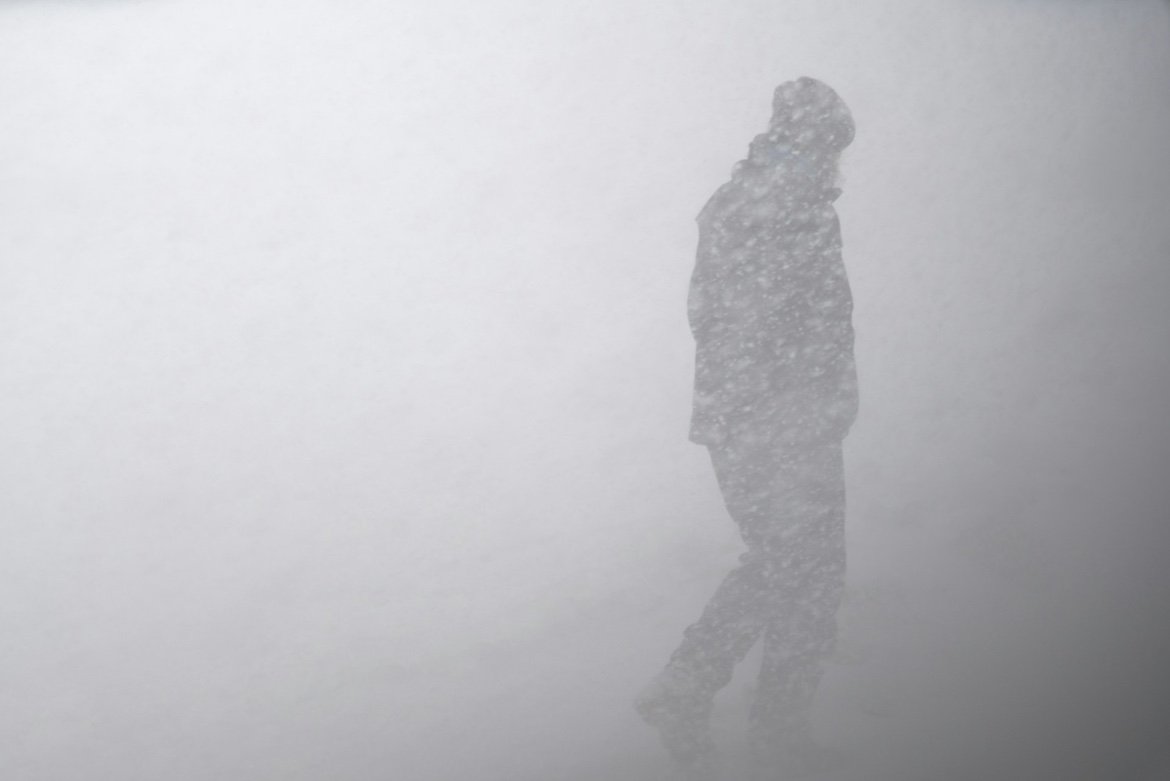
The storm began affecting the southern United States late Friday, spreading northward through the weekend. Unusual snowfall totals are being reported in parts of the Southeast, including areas of Virginia and North Carolina where blizzard conditions are rare.
Even cities farther south, including parts of Florida and Georgia, are experiencing unusually cold temperatures under extreme cold warnings. These conditions are creating hazardous driving environments, straining local infrastructure, and severely limiting travel options by road and air.
Airlines, Cruises, and Rail Operators Brace for Ongoing Impact
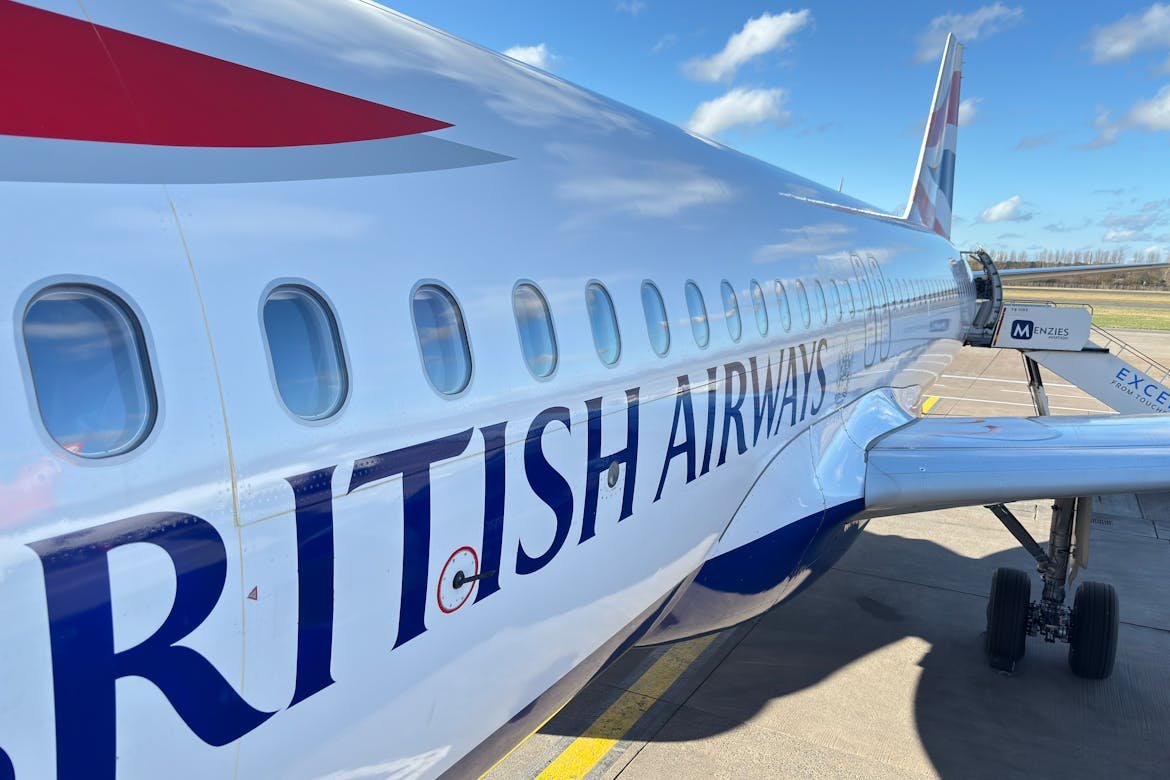
Air travel has borne the brunt of the disruption so far. Hundreds of flights have been canceled or delayed, with major hubs such as Atlanta and Charlotte among the hardest hit. These airports play an outsized role in U.S. aviation, meaning that disruptions there are rippling nationwide, affecting travelers far beyond the storm’s immediate path.
Airlines including American, Delta, United, and Southwest have issued broad travel waivers, allowing customers to rebook without change fees as carriers attempt to manage shifting schedules and aircraft positioning challenges.
The scale of the impact highlights how vulnerable the aviation system remains to severe weather. Even travelers flying into clear-weather destinations may face disruptions if their aircraft or crew are out of position due to earlier cancellations. As Gianna continues to deepen offshore, strong winds and lingering snow are expected to prolong operational challenges well after snowfall tapers off inland.
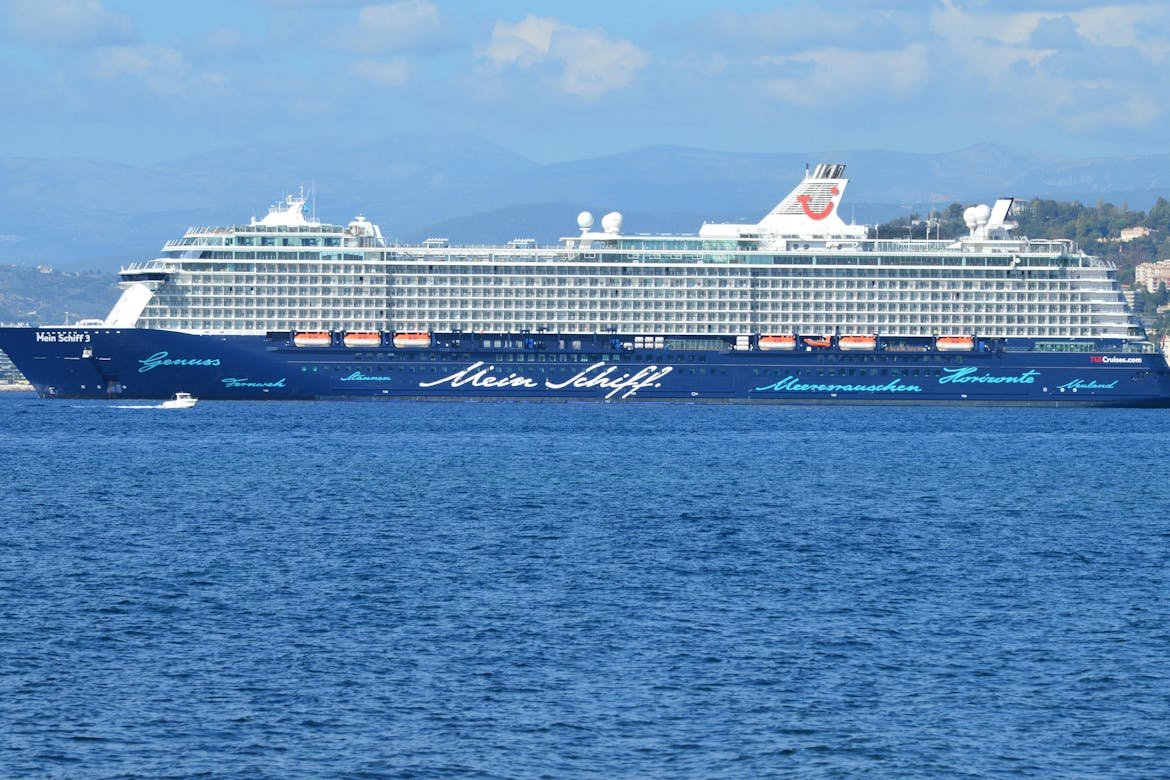
The cruise industry is also adjusting in response to the storm. At least two cruise ships have altered their itineraries to return to port ahead of Gianna’s arrival, underscoring how coastal storms can disrupt not only air travel but also maritime operations. High winds and rough seas along the East Coast pose safety risks that cruise lines are keen to avoid, even if it means cutting voyages short or modifying port calls.
Rail travelers are not immune either. Passenger rail services have warned of possible delays and service adjustments as the storm system moves through key corridors. Snow, ice, and wind can affect tracks, switches, and power systems, particularly in densely traveled regions of the Northeast.
For travelers, flexibility and preparedness are essential as Winter Storm Gianna continues to unfold. Monitoring airline apps, checking connection cities rather than just final destinations, and packing essentials in carry-on luggage can help mitigate the stress of extended delays. While airlines typically do not offer hotel or meal compensation for weather-related disruptions, travelers may find some relief through travel insurance or credit card benefits.
As Gianna’s impacts stretch into the coming days, the storm serves as a reminder of how quickly winter weather can destabilize travel at a national scale, particularly when major hubs and coastal regions are involved.