Valentine’s Day travel is less about grand gestures and more about shared moments. A change of scenery, slower mornings, and places that invite conversation often matter more than luxury or distance.
Europe is ideal for this kind of escape, offering compact cities, rich atmosphere, and destinations that feel romantic without trying too hard. These 14 ideas focus on mood, setting, and experience rather than checklists. They work just as well for a long weekend as for a spontaneous midweek getaway.
1. A Design-Led Weekend in Copenhagen
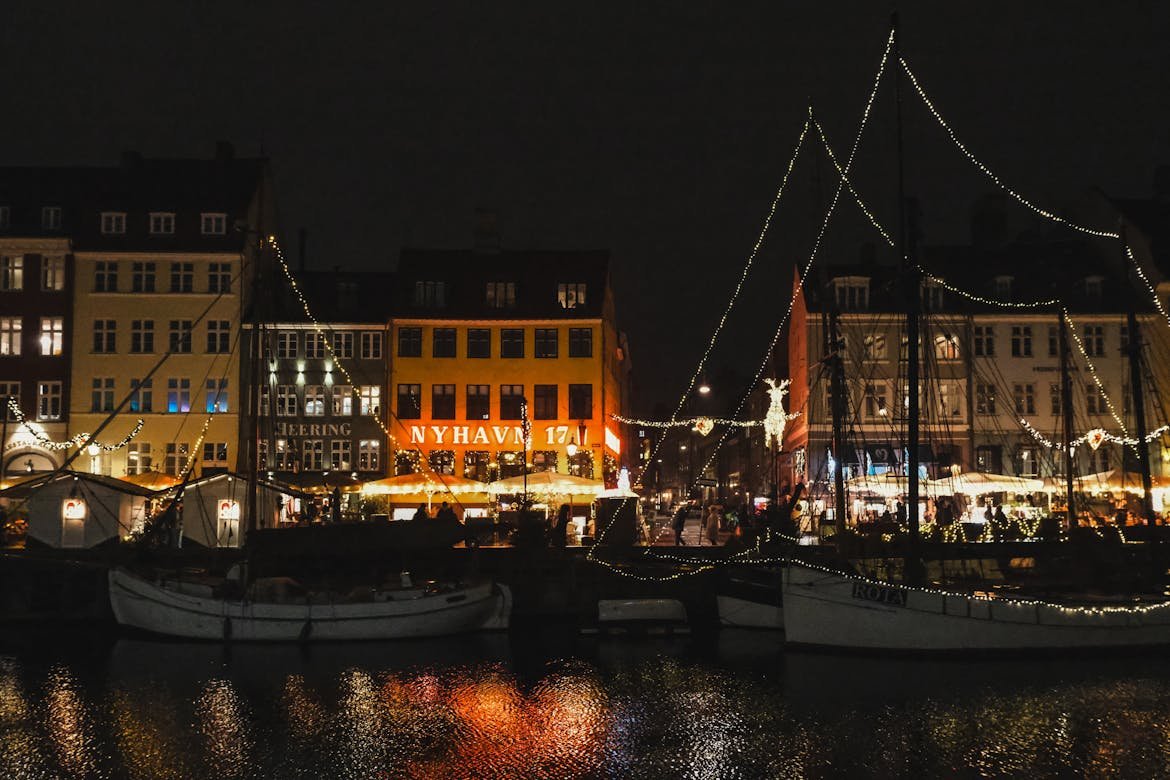
Copenhagen is perfect for couples who appreciate calm, order, and understated beauty. The city encourages slow mornings, thoughtful walks, and meals that stretch longer than planned. Winter adds intimacy, with soft light, quiet streets, and warm interiors. You can spend hours simply walking along the water or exploring neighborhoods without feeling rushed. Romance here feels modern and relaxed rather than dramatic. It’s an ideal choice if you want quality time without constant stimulation.
2. Nighttime Canals in Amsterdam
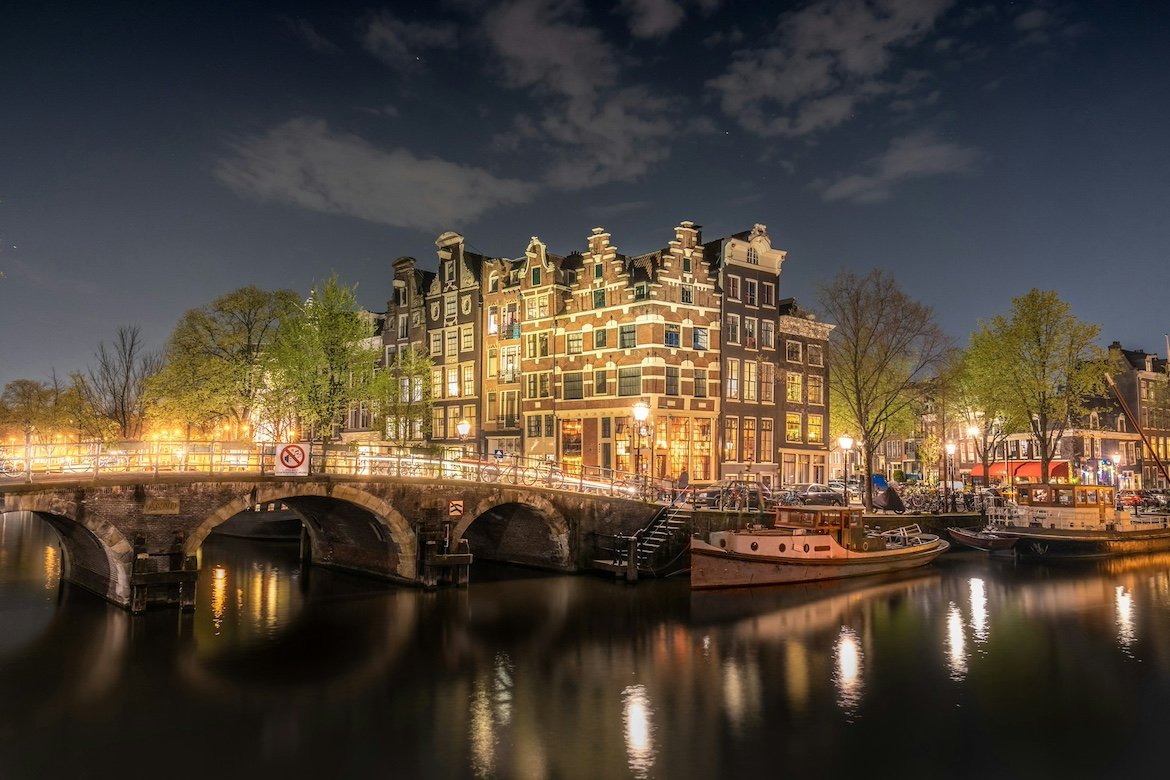
Amsterdam feels most romantic after dark, when the streets quiet down and the canals reflect soft lights. The city’s compact layout makes wandering easy and unplanned. You can move from one neighborhood to another without effort, letting the evening unfold naturally. Mornings are unhurried, with time for coffee and browsing small streets. The overall mood is intimate rather than grand. It’s well suited to couples who like conversation, walking, and a sense of discovery.
3. Thermal Baths and Winter Evenings in Budapest
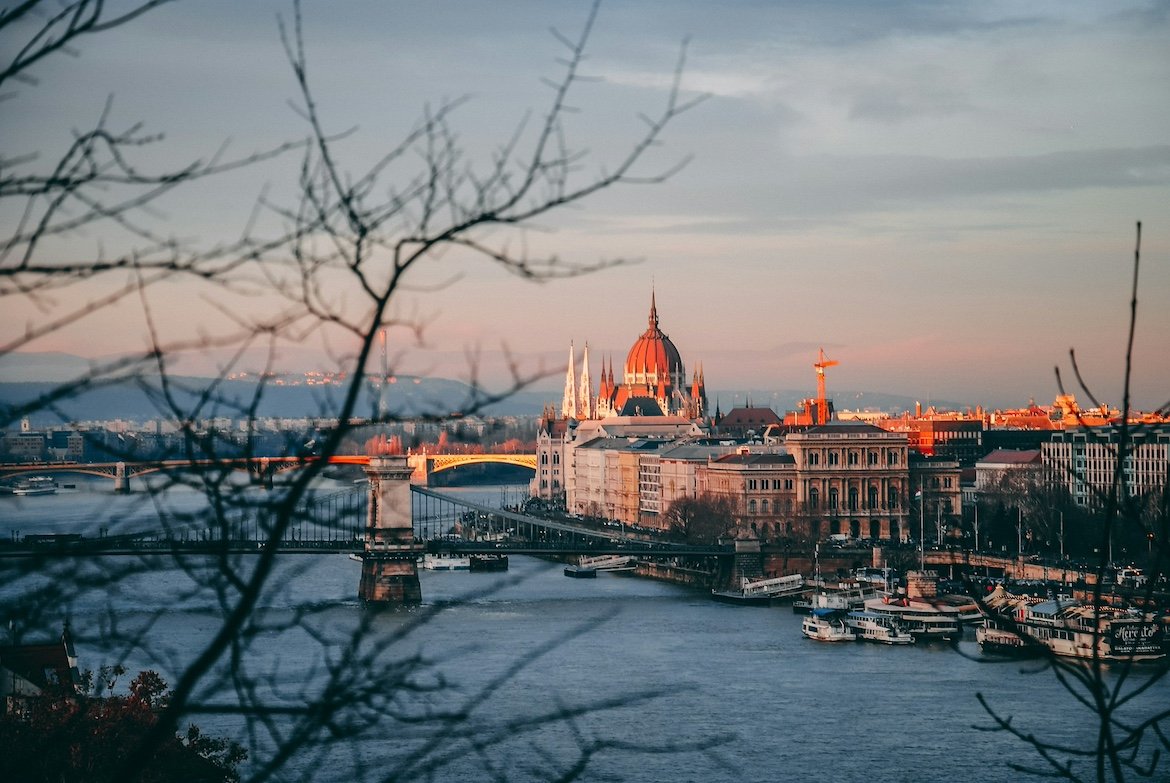

Budapest is built around the idea of warmth and contrast. Winter days spent moving between hot water and cold air feel grounding and indulgent at the same time. The city’s architecture adds drama, especially at night when buildings are softly lit. Evenings tend to slow down, encouraging long dinners and quiet walks. It’s romantic without being precious. This is a great option if you want relaxation mixed with a sense of place.
4. A Focused Cultural Escape in Florence
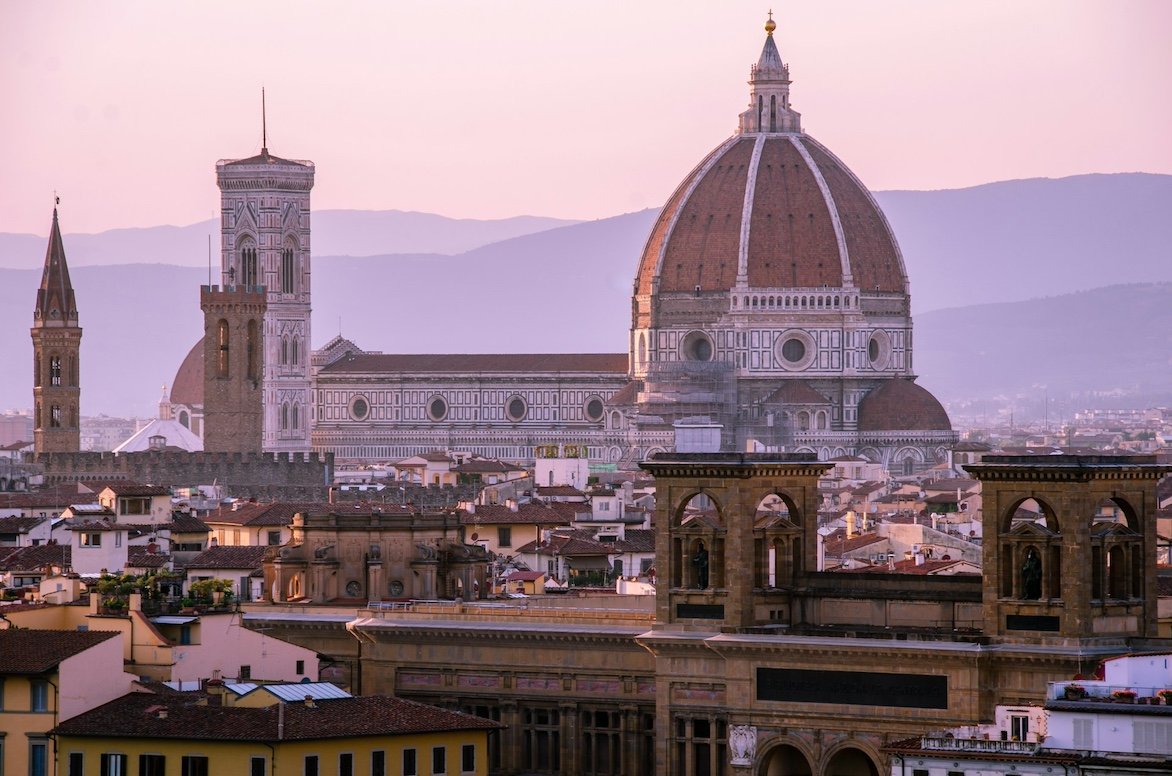

Florence rewards couples who resist the urge to do too much. Choosing just one cultural highlight and giving it your full attention changes the experience entirely. The city feels more intimate when you move slowly through it. Sunset walks and shared meals become the real highlights of the trip. There’s a natural rhythm to days here that suits Valentine’s travel well. Florence works best when you let it breathe.
5. Quiet Mornings in Venice
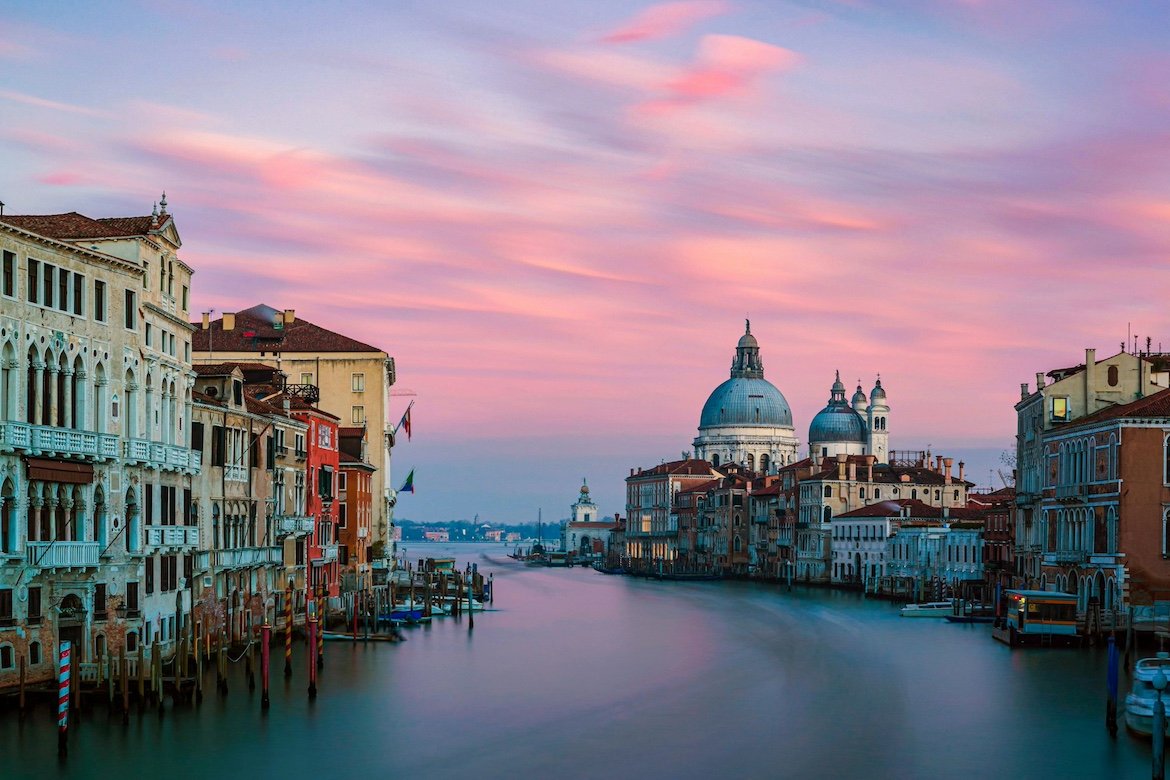
Venice reveals its most romantic side early in the day. Without crowds, the city feels almost private, with empty bridges and echoing footsteps. Wandering without a plan is part of the charm. Small moments, like crossing a canal or sitting in a quiet square, become meaningful. Evenings are best kept simple and unstructured. Venice rewards couples who appreciate atmosphere over activity.
6. Winter Calm in Santorini
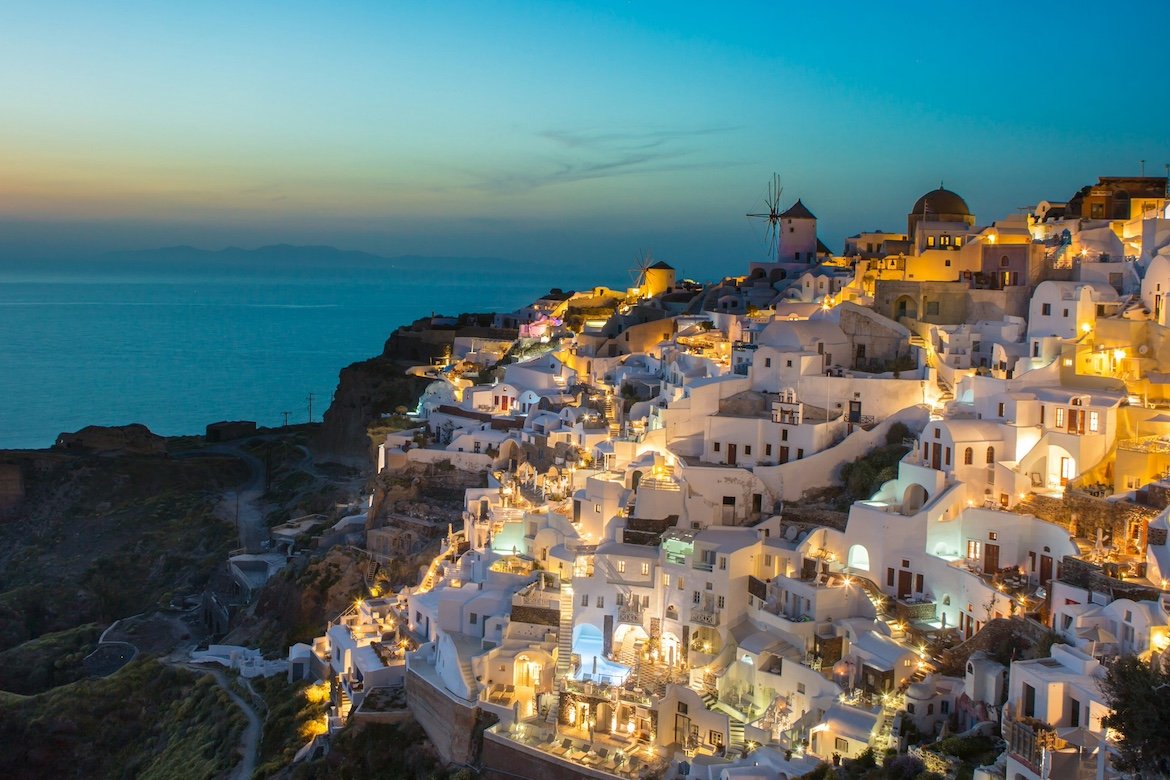
Santorini outside peak season feels dramatic and introspective. The landscape is raw, with wind, sea, and light shaping the mood. Days are slower, often built around walks and long views rather than plans. Evenings feel cozy and quiet, ideal for conversation. The island becomes more about space and silence than spectacle. It’s a strong choice for couples who enjoy moody settings and minimal distractions.
7. Château Towns in the Loire Valley
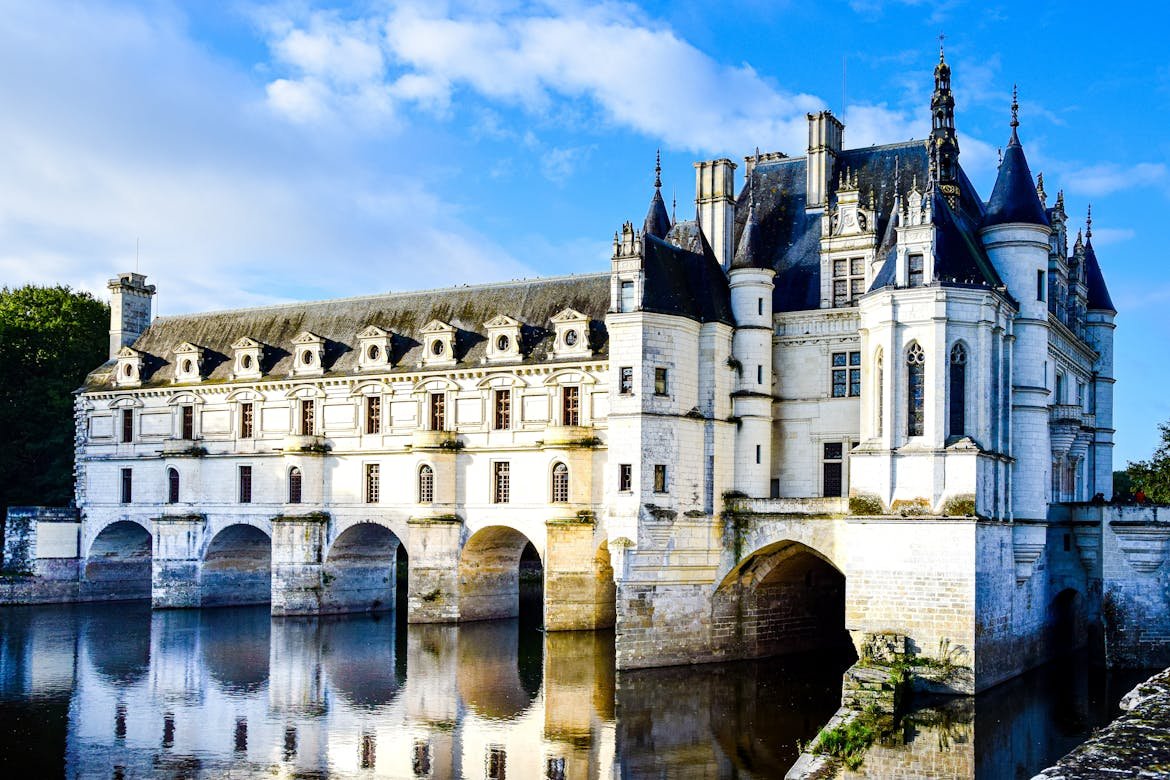
The Loire Valley in winter feels timeless and unhurried. Smaller towns become the focus rather than major attractions. Days revolve around architecture, landscape, and simple meals. The absence of crowds makes everything feel more personal. Evenings are quiet and reflective. This kind of trip suits couples who want elegance without intensity.
8. Clifftop Walks and Sea Air in Étretat
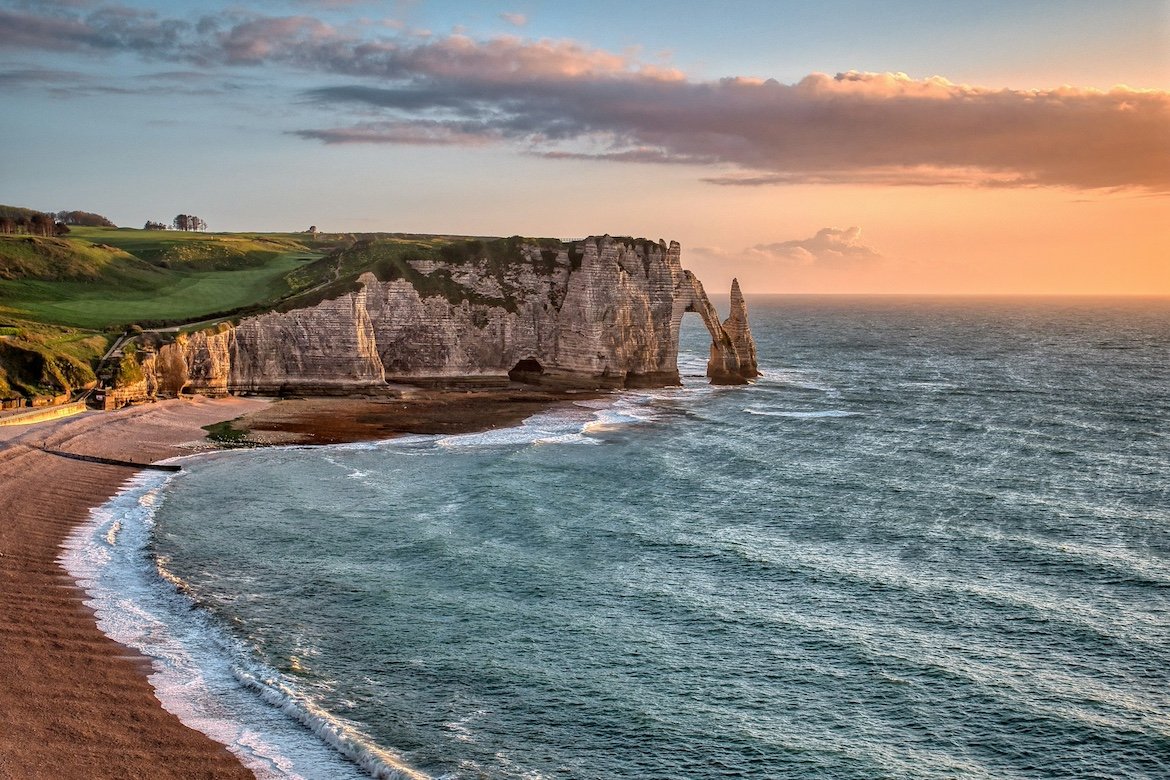
The white cliffs of Étretat offer a kind of romance that feels raw and cinematic rather than polished. Long walks along the edge of the cliffs encourage quiet conversation and shared pauses, especially in winter when the landscape feels more dramatic and less crowded. The sound of the sea and the changing light create a natural rhythm to the day. There is little pressure to plan or perform here, just space to be together. Even simple moments, like watching waves crash below, feel memorable. Étretat suits couples who prefer nature-driven romance over traditional city escapes.
9. Winter Stillness in Hallstatt
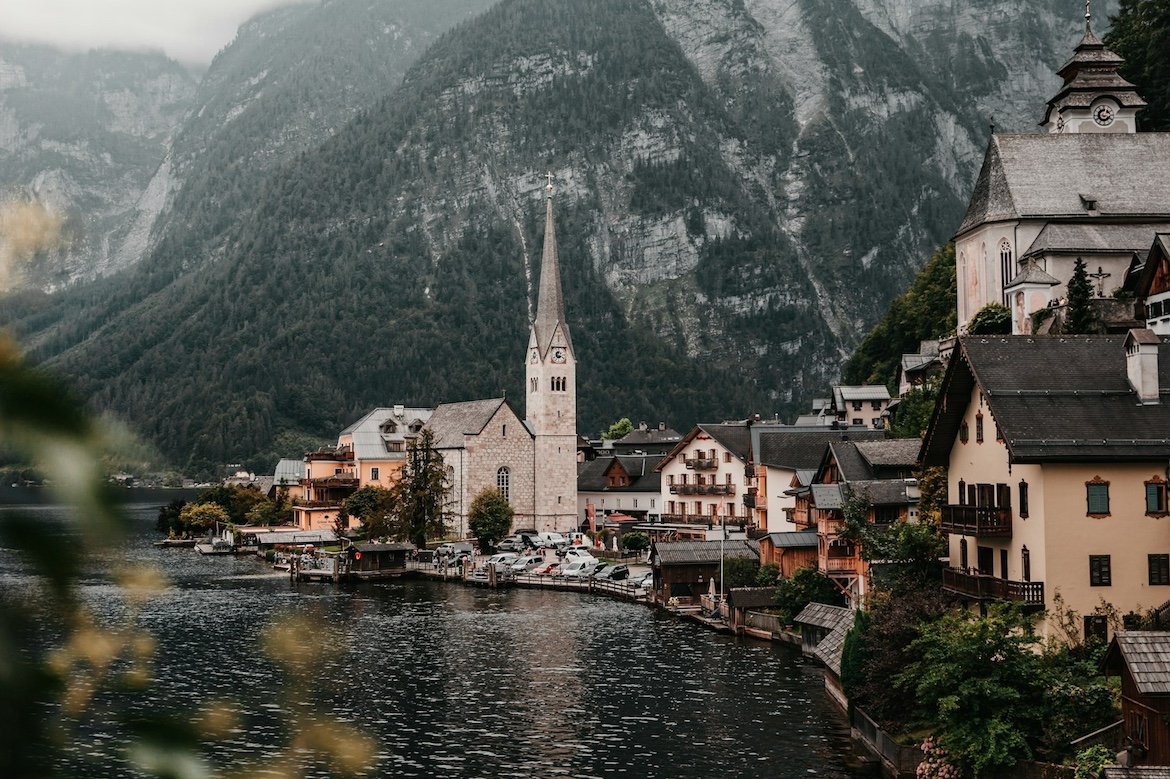

Hallstatt in winter feels almost unreal, especially when snow settles on rooftops and the lake goes still. The village is small enough to explore entirely on foot, making every walk feel intimate and unhurried. Views across Lake Hallstatt change constantly with the light, turning simple moments into shared pauses. Without summer crowds, the town feels quieter and more personal. Afternoons naturally slow down, encouraging time indoors and long conversations. Hallstatt suits couples who want visual beauty, silence, and a setting that feels removed from everyday life.
10. Winter Sun and Slow Days in Andalusia
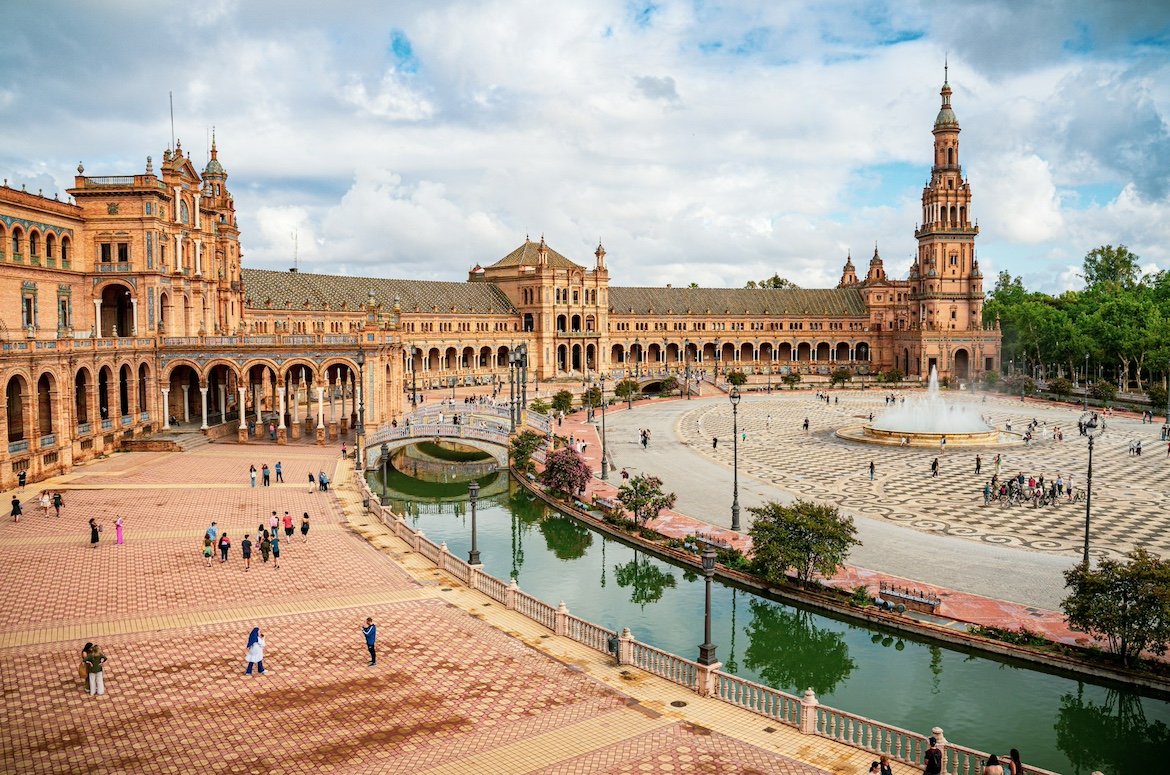

Andalusia offers one of the most comfortable winter climates in mainland Europe, making it ideal for a Valentine’s escape without cold weather. Cities like Seville, Cordoba, and Granada are compact, atmospheric, and easy to explore on foot. Days naturally revolve around wandering historic streets, pausing in courtyards, and sitting in the sun with no urgency. The rhythm is slow and human, encouraging conversation rather than sightseeing marathons. Evenings stay mild, perfect for long walks after dinner. Andalusia suits couples who want warmth, culture, and a sense of place without the logistics of long travel.
11. Train Journeys Across Swiss Alps
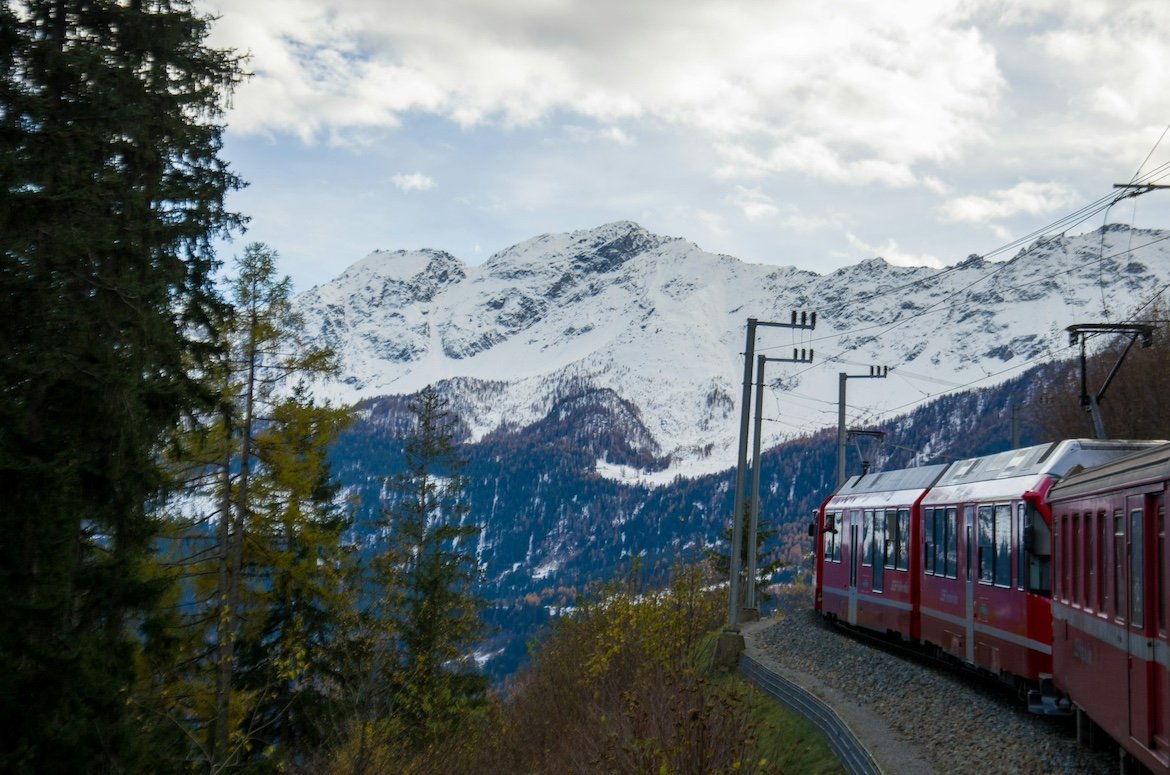
A scenic train journey through the Swiss Alps turns travel itself into the main experience. Routes connecting places like Zermatt, St. Moritz, and Lucerne offer constant views of mountains, valleys, and frozen lakes. Sitting side by side, watching the scenery change, creates shared quiet moments that feel surprisingly intimate. Stops are purposeful rather than rushed, encouraging shorter walks and relaxed evenings. Winter adds clarity and contrast to the landscapes. This idea suits couples who enjoy observation, conversation, and a slower pace.
12. Off-Season Coastal Days in Algarve
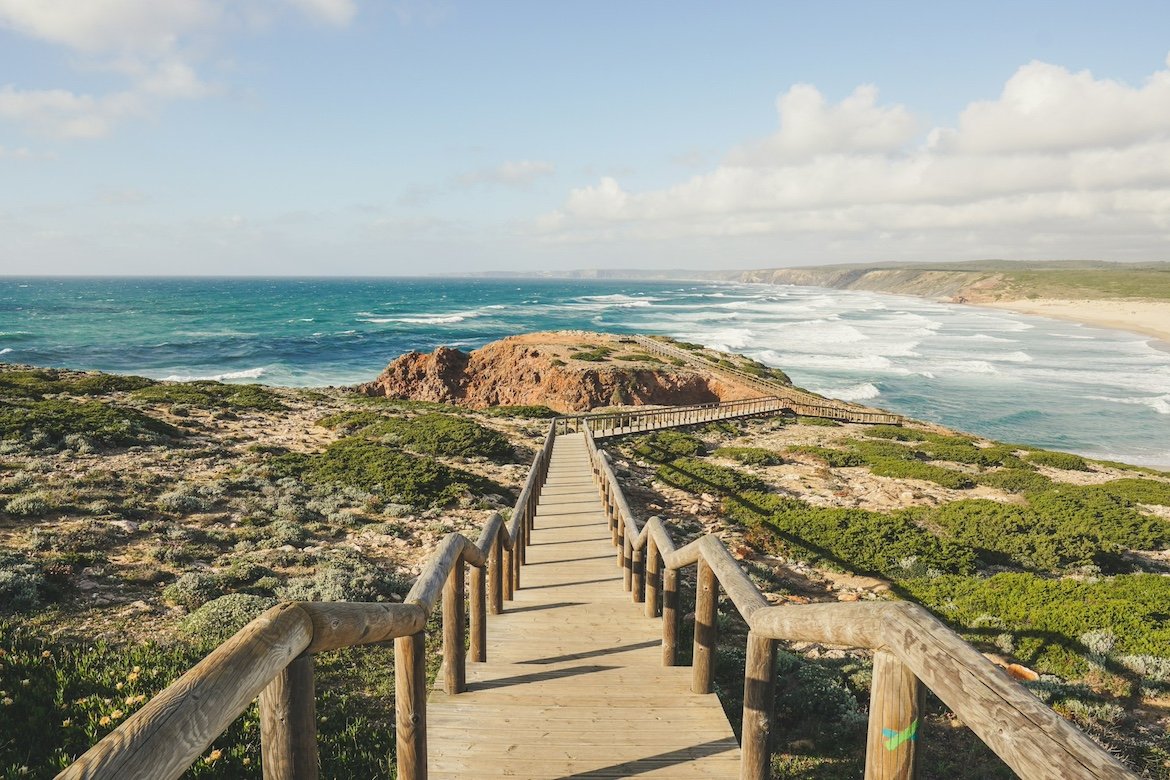
The Algarve in winter offers a softer, calmer version of the coast. Towns like Lagos or Tavira feel more local and less touristic outside peak season. Long coastal walks along cliffs become the focus of the day, followed by slow afternoons indoors. The light is bright but gentle, making even simple moments feel elevated. Evenings are quiet and unstructured. It’s a strong choice for couples who want warmth, sea air, and simplicity rather than constant activity.
13. A Winter Mountain Stay in Chamonix Without Skiing
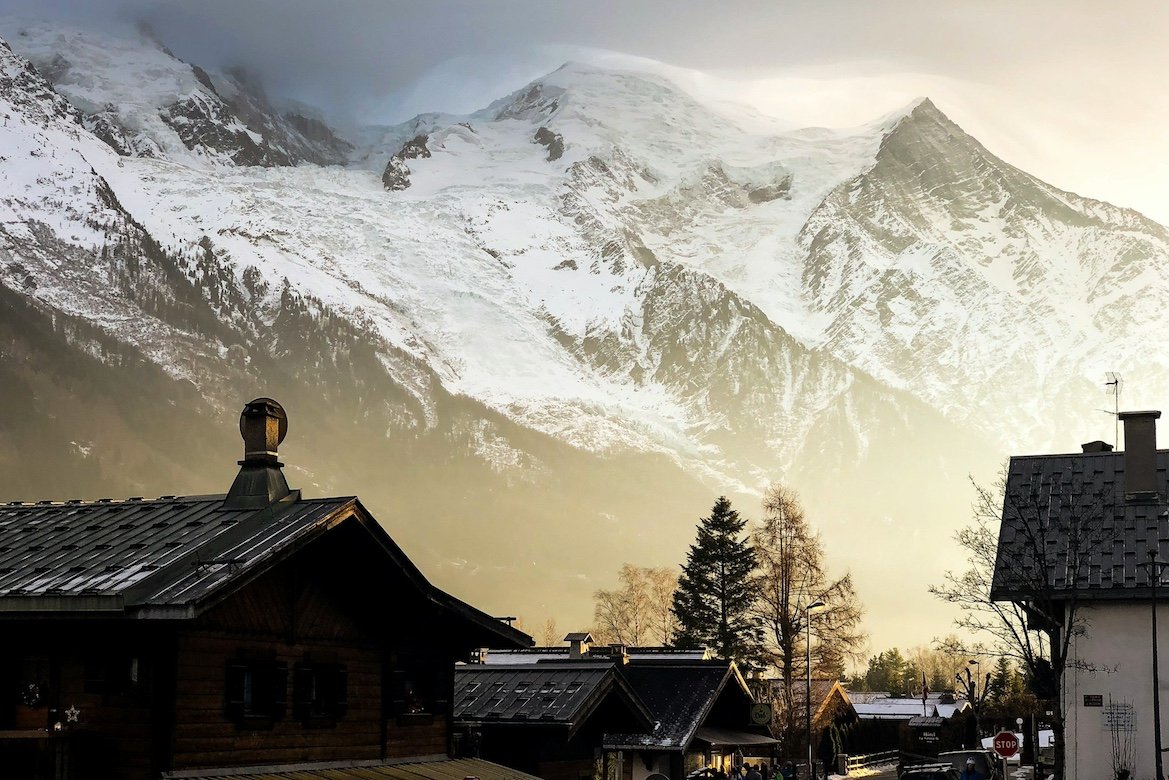

Chamonix offers winter romance even if you never touch the slopes. The town sits beneath dramatic peaks, making scenery unavoidable and ever-present. Cable cars and viewpoints provide access to high-altitude landscapes without physical effort. Days naturally alternate between short outings and long periods of rest. Snow creates a sense of enclosure that draws attention inward, toward shared time. This is ideal for couples who want a winter atmosphere without a packed schedule.
14. Living Inside a Neighborhood in Paris
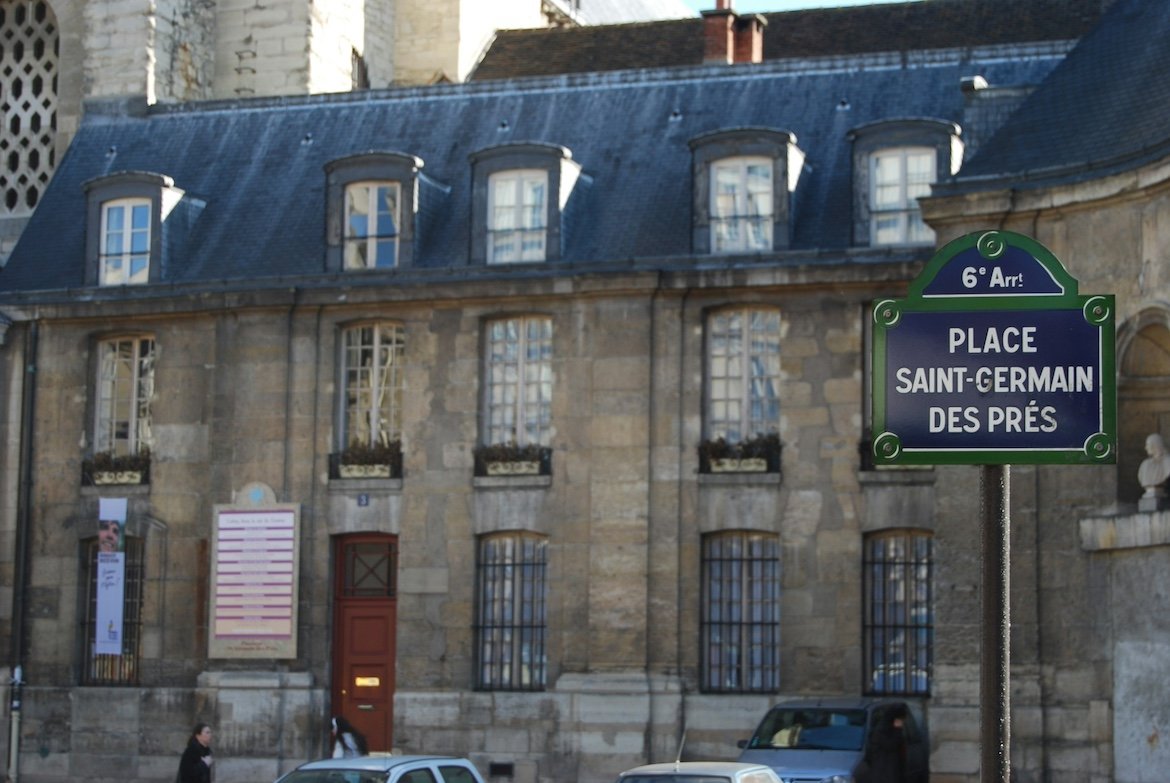
Paris becomes far more romantic when you limit your radius. Choosing a neighborhood like Canal Saint-Martin or Saint-Germain-des-Prés shifts the focus from sightseeing to daily life. Days revolve around walking familiar streets, returning to the same corners, and noticing small details. Without rushing between landmarks, the city feels personal rather than performative. Valentine’s Day here is about routine made special. Paris works best when it feels lived in, not consumed.