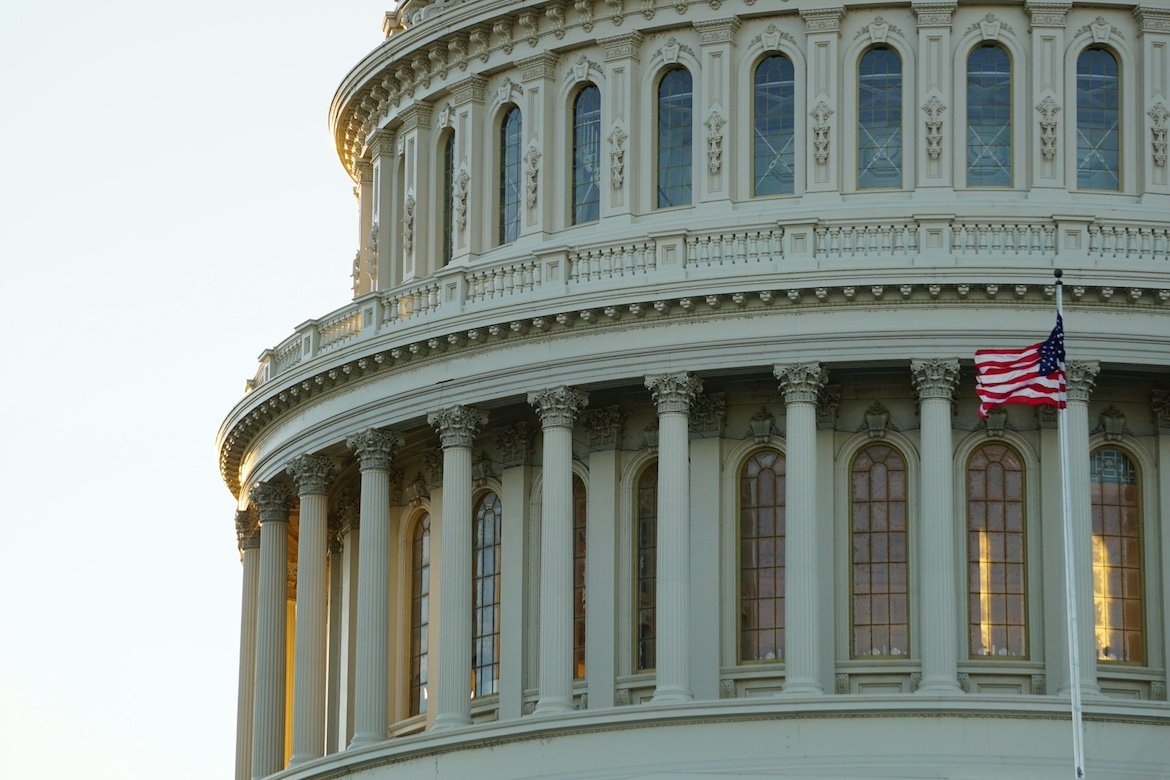
Federal government shutdowns are often framed as political stalemates, but their real-world consequences extend far beyond Washington, delivering immediate and measurable damage to the U.S. travel industry and the broader economy.
A recent analysis by the U.S. Travel Association and Tourism Economics shows that the most recent 43-day shutdown resulted in an estimated $6.1 billion in losses across travel and related sectors, underscoring how vulnerable the nation’s travel system is to prolonged funding disruptions.
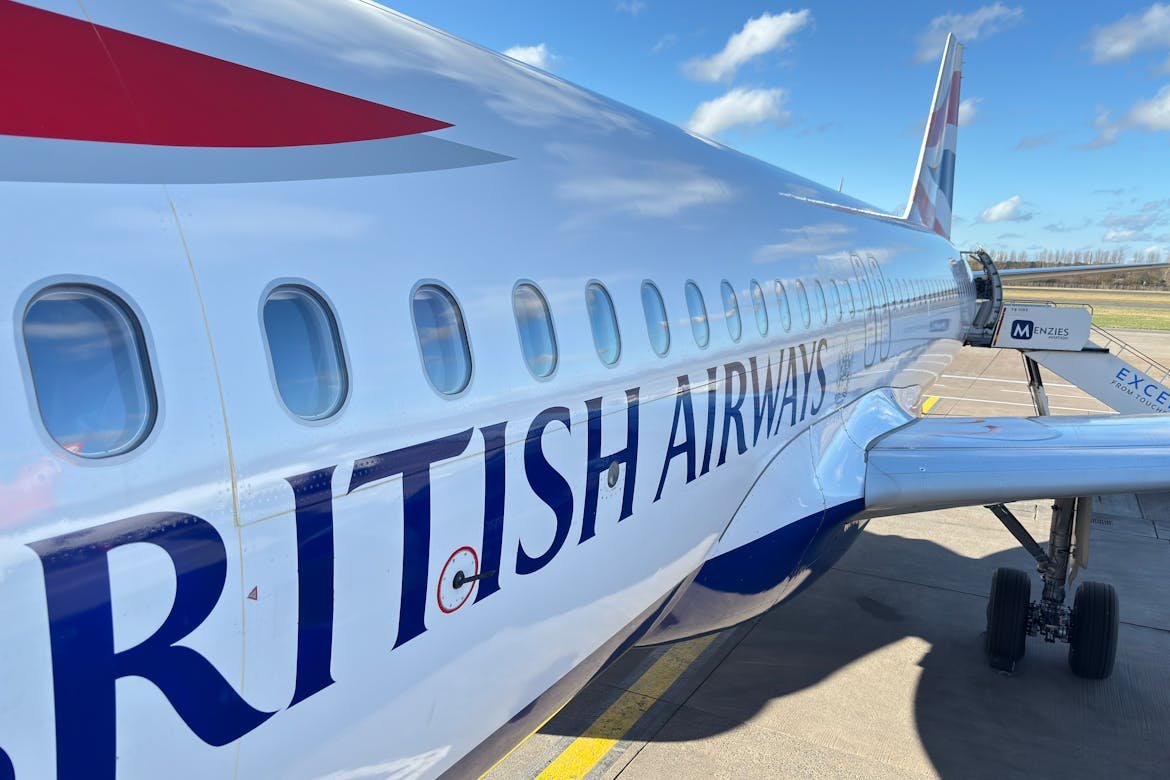
One of the most immediate impacts is felt across aviation. During shutdowns, essential workers such as air traffic controllers, TSA officers, and Customs and Border Protection staff are required to continue working without pay. This policy places severe strain on a workforce already operating under pressure.
Past shutdowns have demonstrated how quickly this stress translates into operational breakdowns. Controller shortages have forced flight reductions at dozens of major airports, triggering widespread delays and cancellations that ripple through the national air network and disrupt travel plans for millions of passengers.
Beyond operational strain, shutdowns sharply suppress travel demand. Government-related travel effectively stops, including trips by federal employees and contractors. At the same time, the closure of national parks, museums, and other federally operated attractions reduces the appeal of travel to gateway cities and regional destinations. These closures discourage leisure travel and cut off a critical source of visitor spending for local economies that rely heavily on tourism dollars.
The economic impact extends well beyond airlines and airports. Hotels, restaurants, tour operators, small businesses, and transportation providers all feel the effects of fewer visitors and shorter stays. According to the analysis, the U.S. experienced an average of 88,000 fewer trips per day during the shutdown period. Direct trip-related losses alone totaled $2.7 billion, while flight delays added more than $180 million in additional costs. Government-related air travel losses approached $1 billion, with non-air travel losses nearing $1.3 billion.
Despite these consequences, there is growing public and political recognition that the current system is unsustainable. Surveys show strong bipartisan support for ensuring that essential aviation and security personnel continue to be paid during shutdowns. Legislative efforts are already underway in Congress to protect funding for air traffic controllers in future shutdown scenarios, reflecting an understanding that keeping the travel system stable is not optional but essential.
Ultimately, government shutdowns represent an avoidable threat to an industry that supports roughly 15 million jobs and plays a central role in U.S. economic growth. The $6 billion price tag attached to a single shutdown makes clear that political deadlock carries real economic costs. Protecting the continuity of travel operations and fairly compensating essential workers is not only a matter of fairness, but a practical necessity for safeguarding the nation’s travel infrastructure and economic resilience.