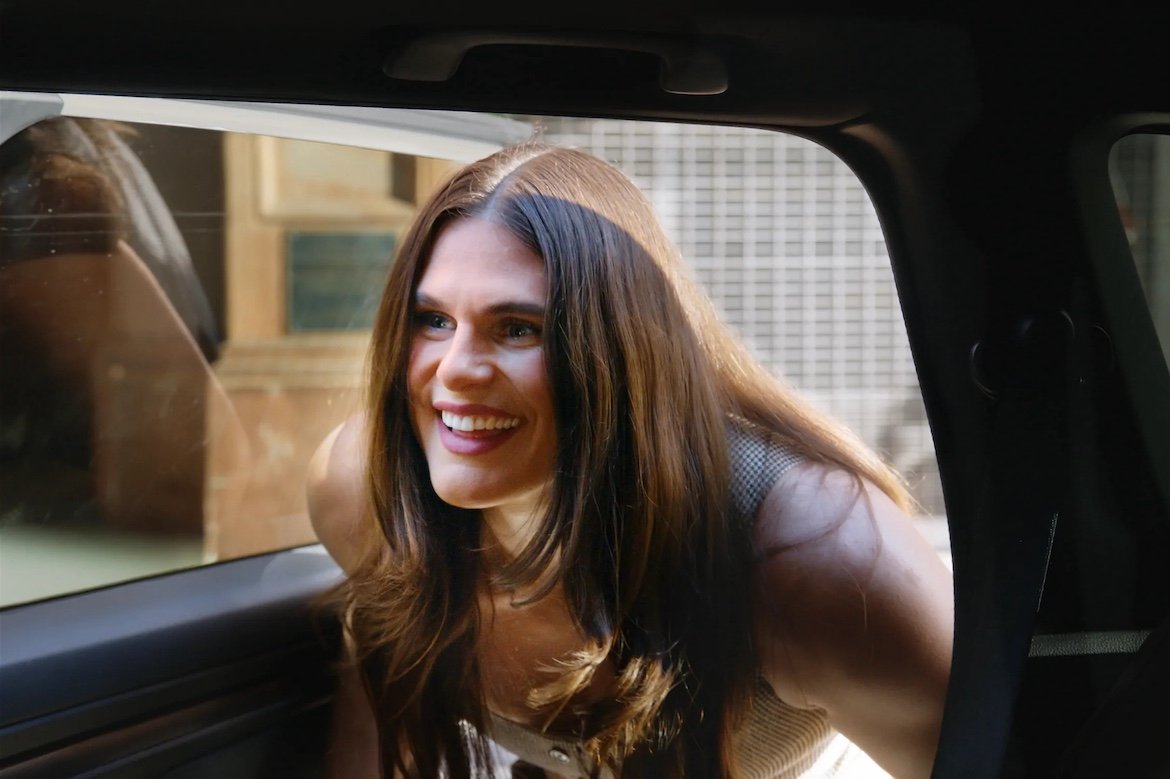
Uber has introduced a new nationwide feature in the United States that allows women riders and drivers to be matched with each other during trips. The option, called Women Preferences, expands a pilot program previously tested in several U.S. cities and is designed to address safety concerns while giving female users greater control over how they use the ride-hailing platform.
The feature allows women passengers to request a female driver directly through the Uber app by selecting an option labeled “Women Drivers.” Riders can also reserve trips with female drivers in advance or set a preference in their account settings that increases the chances of being matched with a woman driver when requesting a ride. While the preference does not guarantee a match, it is intended to make the option more accessible in areas where female drivers are available.
The system also offers additional flexibility for drivers. Women driving for Uber can choose to prioritize trip requests from female riders by activating a preference within the driver app. The setting can be switched on or off at any time, allowing drivers to decide how they want to accept ride requests and manage their working hours.
Safety Concerns Shape New Platform Features
Uber says the feature was introduced after repeated feedback from women using the platform who said they would feel more comfortable being matched with other women during rides. The company states that both riders and drivers have long requested tools that offer more control over who they share trips with, particularly during late hours or in unfamiliar areas.
Ride-hailing companies have faced scrutiny for years over passenger and driver safety. Reports published by Uber show thousands of sexual assault incidents reported during rides in previous years, though the company says such incidents represent a very small percentage of total trips. According to Uber data, reports declined from nearly 6,000 cases between 2017 and 2018 to around 2,700 between 2021 and 2022.
In response to safety concerns, Uber and its competitor Lyft previously introduced additional safety tools such as emergency assistance features and trip monitoring. The two companies also collaborated in 2021 on a shared database intended to prevent drivers removed from one platform for serious misconduct from working for the other.
Legal Challenges and Broader Expansion
Despite the safety goals behind the feature, the new option has already sparked legal challenges. Two Uber drivers in California filed a class-action lawsuit arguing that the Women Preferences feature discriminates against male drivers. The lawsuit claims that allowing female drivers access to both male and female passengers while male drivers cannot access the same pool creates unequal opportunities.
Uber has responded by stating that the feature serves an important public policy interest by improving safety and comfort for riders and drivers who request it. The company also noted that similar matching options are already available in dozens of countries and have been widely adopted by users.
The Women Preferences system was first introduced in Saudi Arabia in 2019 after women gained the right to drive in the country. Since then, Uber has expanded the feature globally, with versions now operating in more than 40 countries, including Canada, Mexico, and several European markets.
In the United States, women represent roughly one-fifth of Uber’s drivers, though the share varies significantly by city. The company says the nationwide rollout aims to give female riders and drivers more flexibility while continuing to refine safety tools as the ride-hailing industry evolves.