Sri Lanka has officially joined the growing list of destinations courting remote workers, launching its long-awaited digital nomad visa in February 2026.
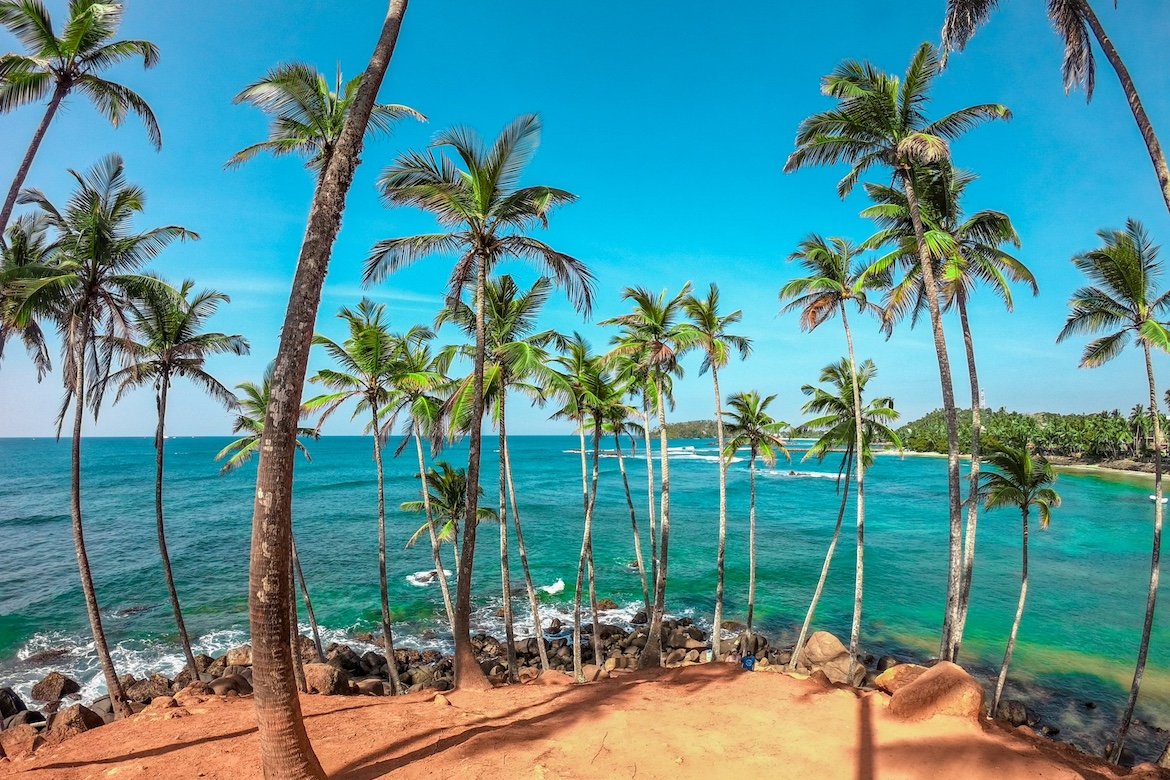
Often described as the “pearl of the Indian Ocean,” the island has long appealed to travelers drawn to its beaches, biodiversity, spiritual heritage, and slower pace of life. With the new visa now in effect, that short-term escape can be extended into a full year of living and working remotely from one of South Asia’s most diverse destinations.
The visa is designed for people employed by companies or clients outside the country, reinforcing Sri Lanka’s aim to attract foreign income without affecting the domestic job market.
For digital nomads who value affordable living, strong cultural identity, and varied landscapes within short travel distances, the launch formalizes what had already become an informal trend across the island’s surf towns, hill country, and historic cities.
How Sri Lanka’s Digital Nomad Visa Works
To qualify for the digital nomad visa, applicants must be at least 18 years old and demonstrate a minimum monthly income of €1,700, or roughly $2,000. This income threshold also applies to applicants relocating with up to two children. For families with more than two dependents, the requirement increases by an additional €425, or $500, per child. The visa itself costs €425, or $500, per person, including dependents.
Successful applicants are granted permission to live in Sri Lanka for up to one year while continuing to work remotely. Visa holders must earn their income exclusively from foreign sources and are prohibited from engaging in local employment, political activity, or actions deemed disruptive. Provided these conditions are met, the visa can be renewed annually, offering the possibility of longer-term residence without repeated short-term extensions.
The application process requires a comprehensive set of documents, including proof of income, a valid passport, health insurance coverage, medical and police clearance certificates, and security screening forms. Applicants must also demonstrate that their work aligns with the country’s digital economy framework. Applications are submitted through the official immigration system, where final approval is assessed by Sri Lankan authorities.
Beyond the administrative details, Sri Lanka’s appeal lies in its lifestyle advantages. Remote workers can balance professional routines with sunrise train rides through the hill country, surf sessions along the east coast, wildlife encounters near national parks, or quiet evenings in historic cities like Kandy and Galle. The country’s reputation for hospitality and community life adds to its attractiveness for longer stays.
By launching this visa, Sri Lanka signals its intent to compete in the global digital nomad market while encouraging slower, more sustainable travel. For remote professionals seeking a destination that blends cultural depth with natural beauty, the new digital nomad visa positions Sri Lanka as a compelling base for living and working abroad in 2026 and beyond.