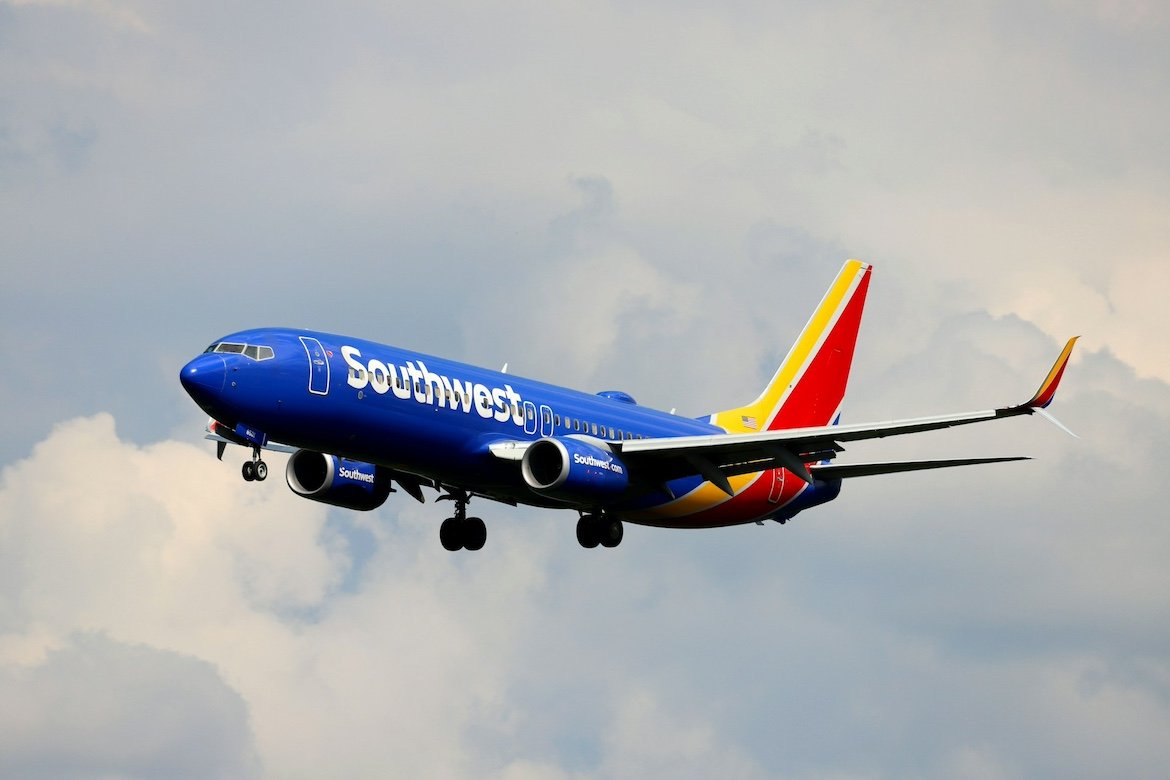
Southwest Airlines is taking a major step into new territory with the announcement of its first service to Anchorage, Alaska, beginning in 2026. The move marks a significant expansion for the carrier, which has historically focused on U.S. domestic and leisure-heavy markets in the Lower 48 states.
By adding Alaska to its growing list of destinations, Southwest aims to capture a share of one of America’s most unique and increasingly popular travel markets.
The airline has described Alaska as “The Great Land,” emphasizing both its natural beauty and strong appeal for travelers seeking outdoor adventure. With Anchorage as the entry point, Southwest will offer travelers more affordable and convenient options for reaching Alaska, a state long dominated by legacy carriers and regional airlines.
A Strategic Step North
Anchorage’s addition to the Southwest network highlights the airline’s focus on diversification. For decades, Southwest has concentrated on high-demand, short- and medium-haul markets, but in recent years it has stretched its reach to include Hawaii and international leisure routes. The move into Alaska represents another bold step in broadening its footprint.
The route is expected to cater to a mix of leisure travelers and those seeking more budget-friendly options compared to existing carriers. Alaska’s tourism industry continues to thrive, with strong demand for adventure travel, cruises, and cultural experiences. By entering this market, Southwest is positioning itself as a key player in meeting that demand while challenging established competitors.
Anchorage also provides an important strategic hub within Alaska itself. From the city, travelers can easily connect to smaller communities, national parks, and cruise departure points. Southwest’s ability to deliver competitive fares and frequent service could open Alaska to a wider segment of travelers who previously found visiting too costly or complex.
Expanding Opportunities for Travelers
For passengers, the new Anchorage service signals greater flexibility in planning trips to Alaska. The addition of Southwest’s customer-friendly policies – such as no change fees and two free checked bags – will likely be a strong draw for families and budget-conscious adventurers.
The route also adds a competitive edge to the Alaska market, where fares have traditionally been higher. Increased competition often leads to better prices and improved service, meaning travelers could benefit significantly from Southwest’s entry.
Beyond leisure, Anchorage serves as a critical point for business travel and freight operations, given its geographic position as a major cargo hub. Southwest’s expansion could eventually extend beyond passenger service, tapping into Alaska’s growing role in global trade and logistics.
As the airline prepares for its 2026 launch, details such as flight frequencies, departure cities, and schedules are still to be finalized. However, the announcement alone underscores Southwest’s commitment to evolving from a domestic-only carrier into a more versatile player with reach across diverse regions.
With Anchorage joining the map, Southwest Airlines is signaling to both travelers and competitors that it is ready to explore new horizons, offering fresh opportunities to connect America with one of its most remarkable destinations.