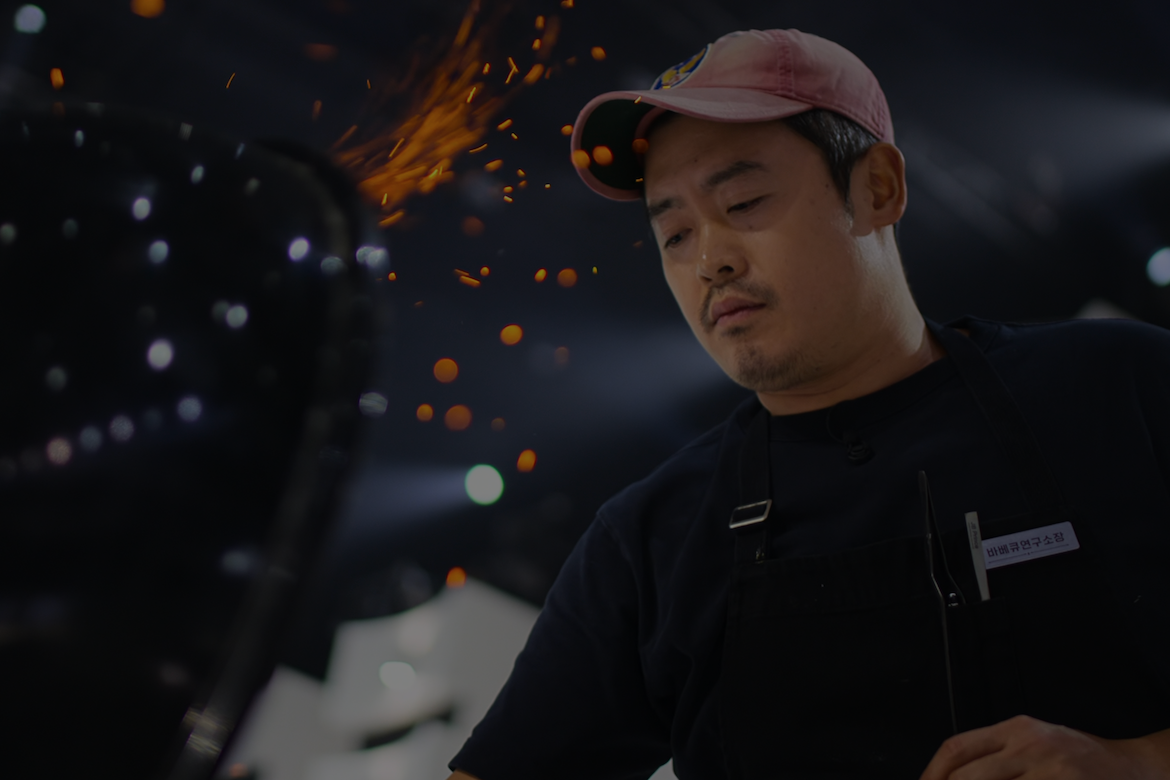
A Netflix cooking show is doing more than entertaining audiences – it is actively reshaping how and where people travel. “Culinary Class Wars,” a South Korean series that pits elite chefs against lesser-known culinary talents, has triggered a surge in global food tourism, with measurable impacts on restaurants, hotels, and destination strategies.
According to booking data, restaurants featured in the show saw reservations and waitlists jump by an average of 303% in the weeks following the release of its second season. The spike highlights how streaming content is increasingly influencing real-world consumer behavior, particularly among younger travelers seeking immersive, experience-driven trips.
Entertainment Meets Travel Demand
The concept behind “Culinary Class Wars” – dividing chefs into “White Spoons” and “Black Spoons” – has resonated strongly with audiences by showcasing both fine dining and street food cultures. This duality has encouraged travelers to explore a wider spectrum of culinary experiences, from Michelin-level restaurants to local food stalls.
Millennials and Generation Z are driving much of this trend. Surveys indicate that these groups prioritize cultural immersion over traditional sightseeing, with food emerging as one of the most accessible and engaging ways to experience a destination. Rather than focusing solely on landmarks, travelers are increasingly building itineraries around restaurants, markets, and local culinary traditions.
The effect is already visible in major Asian destinations. In Singapore, spending on food and beverage tourism rose by 15% despite only modest overall visitor growth. In Japan, more than 80% of tourists now consider local cuisine a core part of their travel expectations, reflecting a steady increase over the past decade.
Governments and Hotels Adapt to Culinary Demand
The influence of food tourism is now shaping national strategies. South Korea has formally integrated culinary tourism into its 2026 development plans, recognizing its potential to attract visitors and differentiate the country in a competitive global travel market.
Hospitality brands are also adjusting their offerings. Hotels are moving beyond traditional dining formats, positioning their restaurants as standalone destinations rather than secondary amenities. Industry data shows that 60% of luxury travelers now prioritize hotels with strong food experiences, while nearly one in five actively seeks out new culinary activities during their trips.
To meet this demand, some hotel groups are introducing curated food experiences such as guided market tours, cooking classes, and chef-led cultural programs. These initiatives blur the line between accommodation and local exploration, allowing travelers to engage more deeply with a destination’s culinary identity.
From Dining to Cultural Storytelling
Beyond the numbers, the rise of food tourism reflects a broader shift in traveler mindset. Food is increasingly seen not just as a necessity, but as a gateway to culture, history, and human connection. Travelers are showing growing interest in seasonal ingredients, traditional cooking methods, and the stories behind local dishes.
Importantly, this trend is not limited to high-end dining. While fine dining offers curated, narrative-driven experiences, casual and street food continue to play a central role in shaping authentic travel moments. Many travelers actively seek out local markets and neighborhood eateries, valuing authenticity over formality.
Experts note that this shift has accelerated since the pandemic, as travelers prioritize meaningful, personal experiences over conventional tourism. Culinary exploration, whether through a chef’s tasting menu or a street-side meal, provides a direct connection to local culture that few other travel experiences can match.
As streaming platforms continue to shape global tastes and interests, the success of “Culinary Class Wars” underscores a new reality for the travel industry: what people watch increasingly determines where they go – and what they eat when they get there.