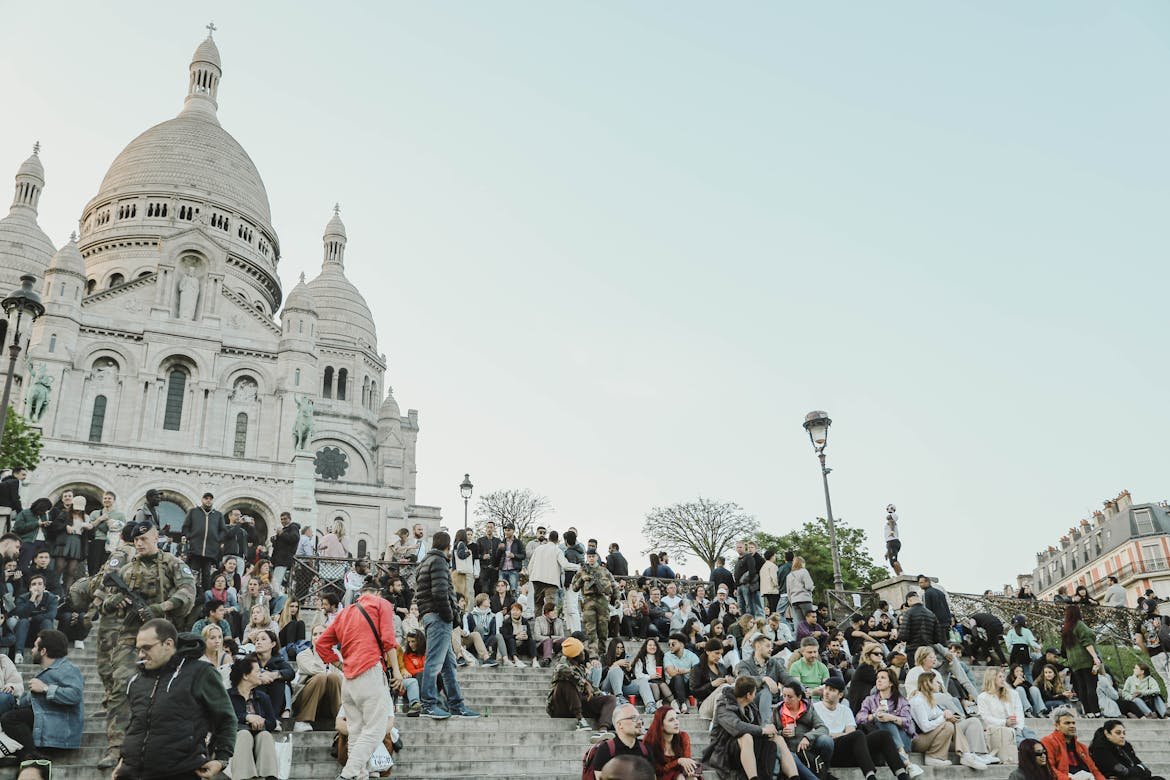
Paris’s Montmartre – once a vibrant, art-laden bohemian quarter – has become ground zero in the city’s struggle against overtourism and
“disneyfication“. Locals are alarmed by the rapid transformation of their cobbled streets into crowded selfie zones, interspersed with swathes of souvenir stalls and tourist-only cafés. With over 11 million annual visitors frequenting landmarks like Sacré-Cœur, residents feel shuffled aside.
Streets turned pedestrian-only have made daily life harder for individuals with disabilities. Grocery stores and neighborhood services have closed, replaced by transient business models. Banners such as “Let Montmartre residents live” and “Behind the postcard: locals mistreated” now hang in windows, summing up the creeping frustration that the neighborhood is becoming less home and more spectacle.
Fighting Back: Resident-Led Action and Policy Demands
The residents’ group Vivre à Montmartre has been leading the charge, advocating for measures to curb tourism’s mechanical grip. They call for enforceable limits on tour group sizes, bans on loudspeaker activity, and reform of short-term rental policies. While city authorities have responded by reducing annual rental caps on primary residences from 120 to 90 days, the pace of transformation continues to outpace policy.
Rising real estate values – some apartments now costing upwards of 500,000 euros – only deepen the fears of displacement and hollowing out of local culture. These warning signs echo broader concerns heard globally – in Venice, Amsterdam, and Barcelona, neighborhoods suffer as rapid tourism replaces community life with polished facades.
Tourism vs. Livability: Broader Implications and Solutions
Montmartre’s struggle is emblematic of a growing dilemma: how to balance global tourism with the rights of residents to remain rooted. UNESCO and urban planners call these places “authenticity casualties,” warning of “zombie city” effects where local life vanishes beneath tours and trend-driven eateries. Paris recorded nearly 49 million tourist visits in 2024, and 2025 is tracking even higher. If Montmartre is illustrative, the enduring power of pop culture – from “Amélie” to “Emily in Paris” – and high-profile events like the Tour de France final stage intensify exposure but erode the soul of the place.
For a broader perspective on regional responses to overtourism, see how other European cities are implementing strategies to protect community integrity and sustainable travel – from targeted taxes to visitor management systems and learn how public backlash even reached celebrity events, such as a high-profile protest during a wedding in Venice.