

Four Seasons Hotel Kuala Lumpur is introducing a suite of AI-powered capabilities for meetings, weddings, and large-scale events, making one of the clearest pushes yet by a luxury hotel in Southeast Asia to turn artificial intelligence into a visible part of the guest experience.
The hotel is framing the rollout as an optional enhancement rather than a replacement for traditional service, but the significance is wider than that. In practical terms, it signals that AI is moving from the back office into the front of house, where guests can see it, use it, and judge whether it improves the event itself.
That matters because luxury hospitality has typically approached technology with caution. Hotels have long invested in digital tools for reservations, marketing, and operations, yet many have been careful not to let automation dilute the sense of personal service that defines the high end of the market. |
Four Seasons Kuala Lumpur is trying to strike a different balance. Its message is that AI should reduce friction, speed up logistics, and expand what an event can do, while the hotel team continues to deliver the emotional and human part of hospitality.
The new platform covers the full event journey. Guests can use an AI conference assistant for self check-in, seat allocation, and access to practical information such as agendas, speaker details, and venue layouts. Organizers can receive post-event summaries and other AI-supported reporting.
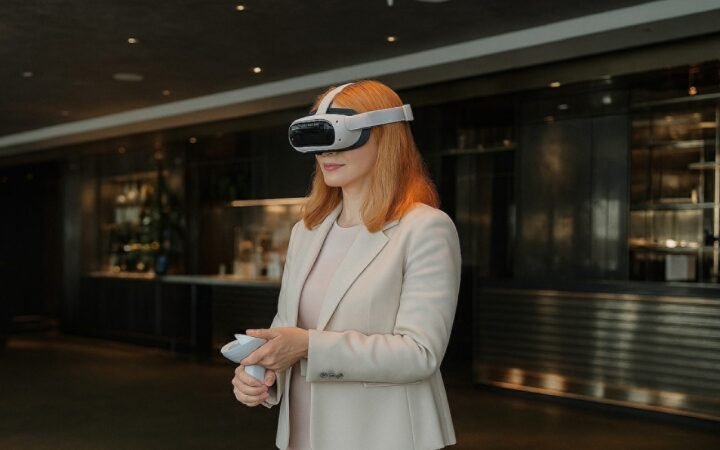
The hotel has also introduced real-time interpretation in more than 40 languages, available through personal devices and LED displays, with AI-enabled glasses offered for selected experiences. In a city like Kuala Lumpur, where business, diplomacy, and multicultural social events often overlap, that language layer could be one of the most commercially relevant parts of the launch.
A Luxury Hotel Tries to Redefine Event Technology
The most attention-grabbing features are the ones designed for spectacle. Four Seasons Kuala Lumpur says it is the first luxury hotel in the city to offer an AI hologram emcee, a digital avatar that can introduce speakers, guide proceedings, and deliver multilingual messages in a customized tone. The hotel is also adding AI live-feed production, instant social-ready highlight reels, 360-degree virtual showcases with AI avatars, and same-day branded video playback designed to extend the event beyond the ballroom.
This is not just about novelty. The hotel is responding to a real shift in client expectations. Corporate planners want events that are efficient, measurable, and easy to distribute across digital channels. Wedding and social clients want experiences that feel immersive and highly personal but also instantly shareable. AI tools that can edit content quickly, translate in real time, and guide remote participants through virtual previews directly support those demands.
The larger implication is that premium event venues are entering a new phase of competition. Location, design, food, and service still matter, but increasingly hotels also need to show they can support complex, multilingual, media-heavy gatherings with minimal friction. Four Seasons Kuala Lumpur is positioning itself at that intersection, using AI not as a gimmick alone, but as part of a broader argument that luxury hospitality can be both high-touch and future-ready.
For now, the test will be whether clients see these features as useful enhancements rather than distractions. But the direction is clear. In Kuala Lumpur, AI is no longer being presented as something that quietly supports hospitality in the background. It is being placed directly on the event stage.