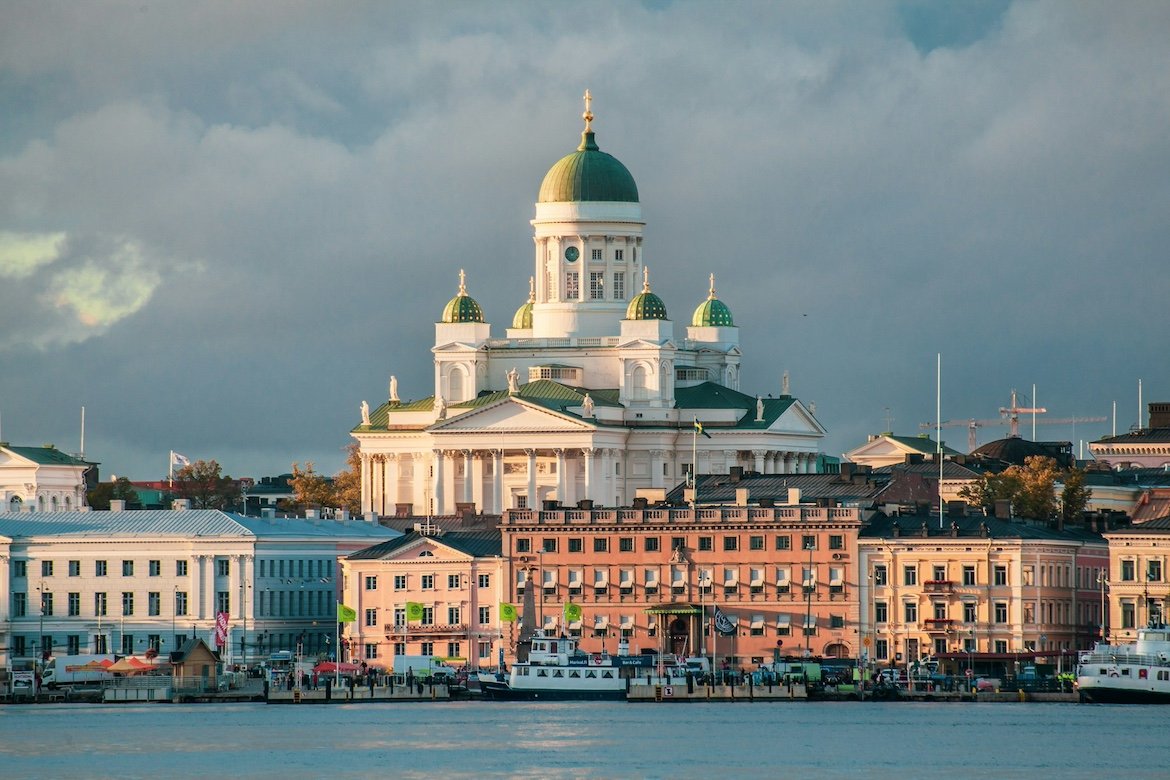
Finland has once again been named the happiest country in the world, marking its ninth consecutive year at the top of the World Happiness Report 2026. The latest rankings reinforce a familiar pattern, with Nordic countries continuing to dominate global wellbeing metrics and setting the benchmark for quality of life.
The report, compiled by the Wellbeing Research Centre at the University of Oxford in partnership with Gallup, evaluates life satisfaction across 147 countries. Respondents are asked to rate their lives on a scale from zero to ten, with results averaged over three years to account for global disruptions such as economic downturns or geopolitical crises.
Nordic Model Continues To Lead
Finland leads the ranking with a score of 7.764, followed closely by Iceland and Denmark. Sweden and Norway also feature in the top 10, underscoring the region’s consistent performance. These countries share several defining characteristics, including strong welfare systems, high levels of trust in institutions and a culture of social cohesion.
Experts point to the ability of these societies to maintain stability and cooperation even during periods of uncertainty. Access to healthcare, education and social support plays a critical role, while relatively equal wealth distribution helps reduce disparities that can undermine wellbeing. In Finland, everyday factors such as trust among citizens and confidence in public systems contribute to a sense of security that translates into higher life satisfaction.
Beyond Europe, Costa Rica achieved its highest-ever ranking at fourth place, reflecting the importance of social connections and community life. Countries such as the Netherlands, Luxembourg and Switzerland also remain firmly within the top tier, highlighting a broader European presence among the world’s happiest nations.
Youth Wellbeing And The Digital Factor
While the overall picture shows stability at the top, the report highlights emerging concerns around declining happiness among younger populations in several developed countries. In the United States, Canada, the United Kingdom, Australia and New Zealand, life satisfaction among people under 25 has dropped significantly over the past decade.
Researchers identify excessive social media use as a key contributing factor, particularly when it replaces real-world interaction or encourages constant comparison. However, the findings suggest that the impact of digital platforms is not uniform. In regions such as Latin America, where social ties remain strong, youth wellbeing has remained stable despite high internet usage.
The report emphasizes that moderation is key. Limited and meaningful use of digital tools – such as staying connected with friends or learning new skills – can support wellbeing, while excessive consumption tends to have the opposite effect.
A Complex Global Picture
The rankings also reflect broader global realities. Countries affected by conflict and instability continue to rank lowest, with Afghanistan again placed at the bottom of the list. Economic hardship, political uncertainty and limited access to basic services all contribute to lower levels of life satisfaction in these regions.
At the same time, wealth alone does not guarantee happiness. Several high-income countries, including the United States and the United Kingdom, remain outside the top 20, suggesting that social trust, community and public services play an equally important role.
As global travel continues to recover, the findings offer insights into what makes destinations attractive beyond traditional tourism factors. Quality of life, safety and social cohesion are increasingly shaping how countries are perceived by both residents and visitors.