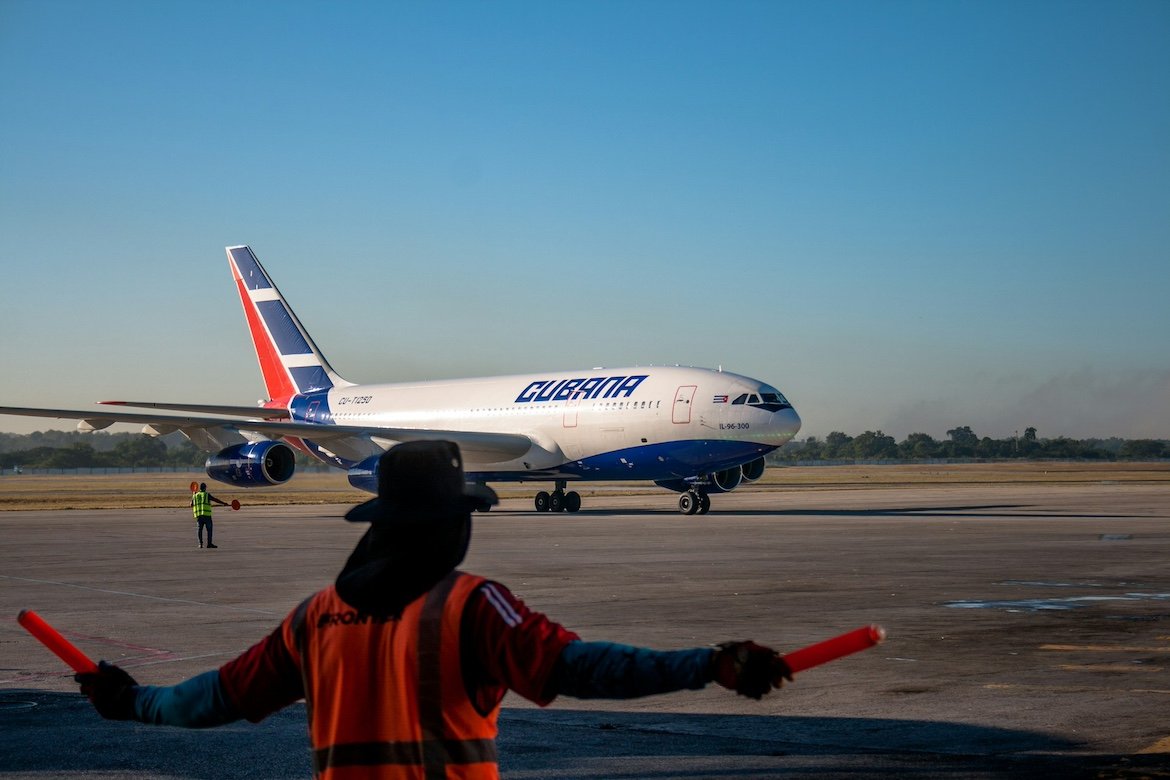
Cuba has warned airlines that jet fuel will no longer be available for refueling at nine airports across the island, including José Martí International Airport in Havana.
The measure, announced in early February and set to run through mid-March, marks a significant escalation in the country’s energy crisis. For an economy heavily dependent on tourism, the decision introduces immediate operational challenges for carriers serving the island.
The refueling suspension comes amid mounting fuel shortages linked to tightened U.S. sanctions and reduced access to petroleum supplies from key partners such as Venezuela and Mexico.
Political pressure from Donald Trump has effectively severed Cuba’s main energy lifelines, including a recent executive order targeting countries that provide oil to the island. The resulting fuel scarcity has rippled across transportation systems, from aviation to public buses.
Airlines Adjust Routes and Schedules
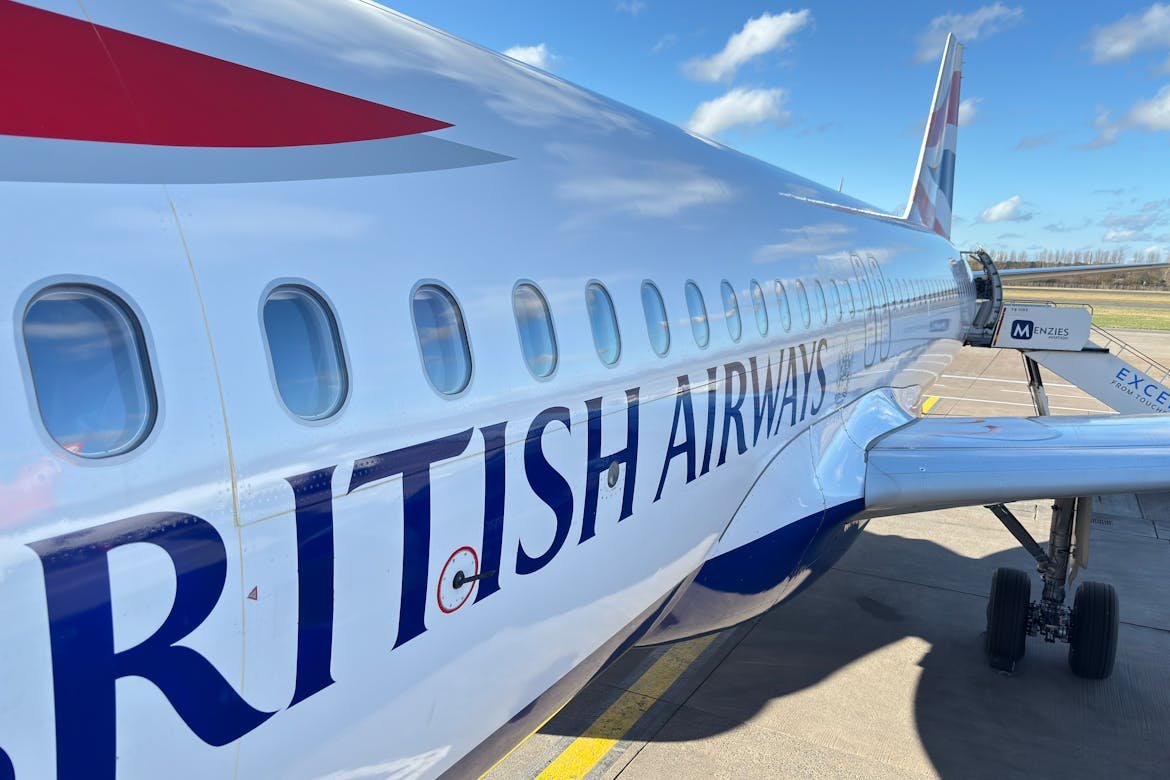
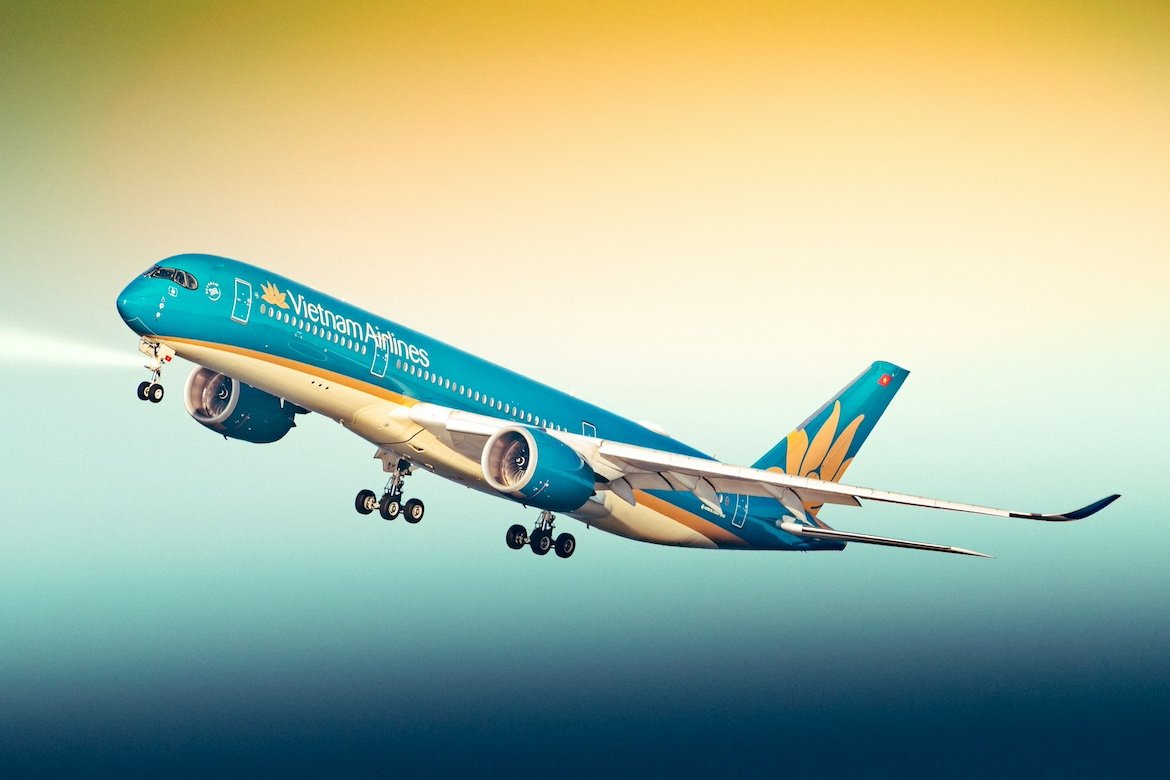
While shorter regional flights may be able to operate by carrying additional fuel, long-haul routes face greater complexity. Airlines from Canada and Europe, which represent a vital share of Cuba’s inbound tourism, must now consider refueling stops outside the country. Air Canada has already announced a suspension of flights to Cuba, while other carriers are planning technical stops in destinations such as the Dominican Republic or Mexico before continuing to Havana.
Pilots and aviation analysts note that fuel shortages are not entirely new for the island, but an official, broad-scale suspension of refueling services is unusual even by Cuban standards. Similar measures more than a decade ago required aircraft to refuel in third countries before crossing the Atlantic. The current notice signals a deeper supply strain, raising uncertainty about how long restrictions may remain in place.
Tourism and Daily Life Under Pressure
Tourism has long served as one of Cuba’s primary sources of foreign currency, generating billions in annual revenue before the pandemic. Any disruption to international air connectivity risks further weakening a sector that has struggled to fully recover. Reduced flight frequency, added layovers, and potential cancellations may deter travelers already weighing logistical concerns.
Beyond aviation, the energy emergency is reshaping daily life on the island. Authorities have reduced bank operating hours, suspended major cultural events such as the Havana International Book Fair, and scaled back public transportation services. Reports of power outages lasting up to ten hours and fuel rationing at gas stations underscore the severity of the crisis. Fuel distribution companies have also limited gasoline sales and shifted transactions to U.S. dollars.
Cuban President Miguel Díaz-Canel addressed the nation in a televised speech, acknowledging the strain and signaling that additional measures may follow. U.S. sanctions, in place for more than six decades, have historically constrained Cuba’s economy, but recent actions have intensified the pressure.
For the travel industry, the suspension of jet fuel availability illustrates how geopolitical shifts can rapidly affect connectivity. As airlines adapt with rerouted flights and contingency planning, the broader question remains how long Cuba’s aviation infrastructure can operate under such constraints without further impact on tourism flows in 2026.