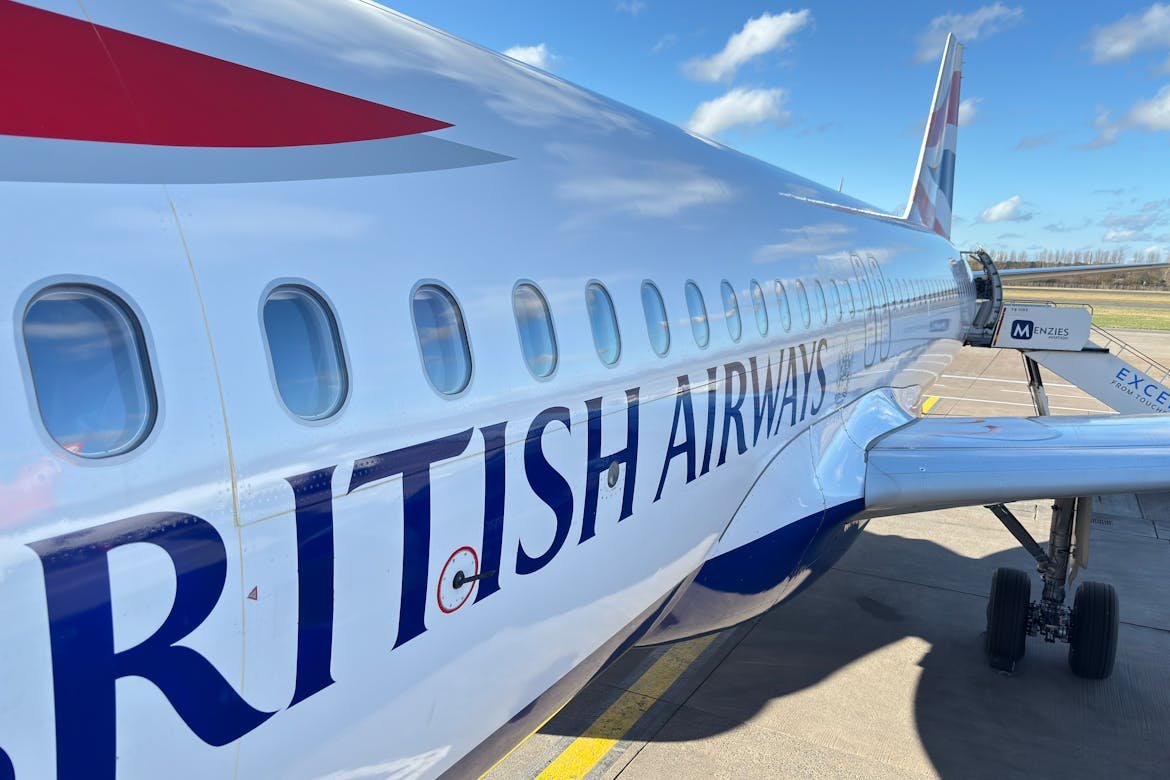
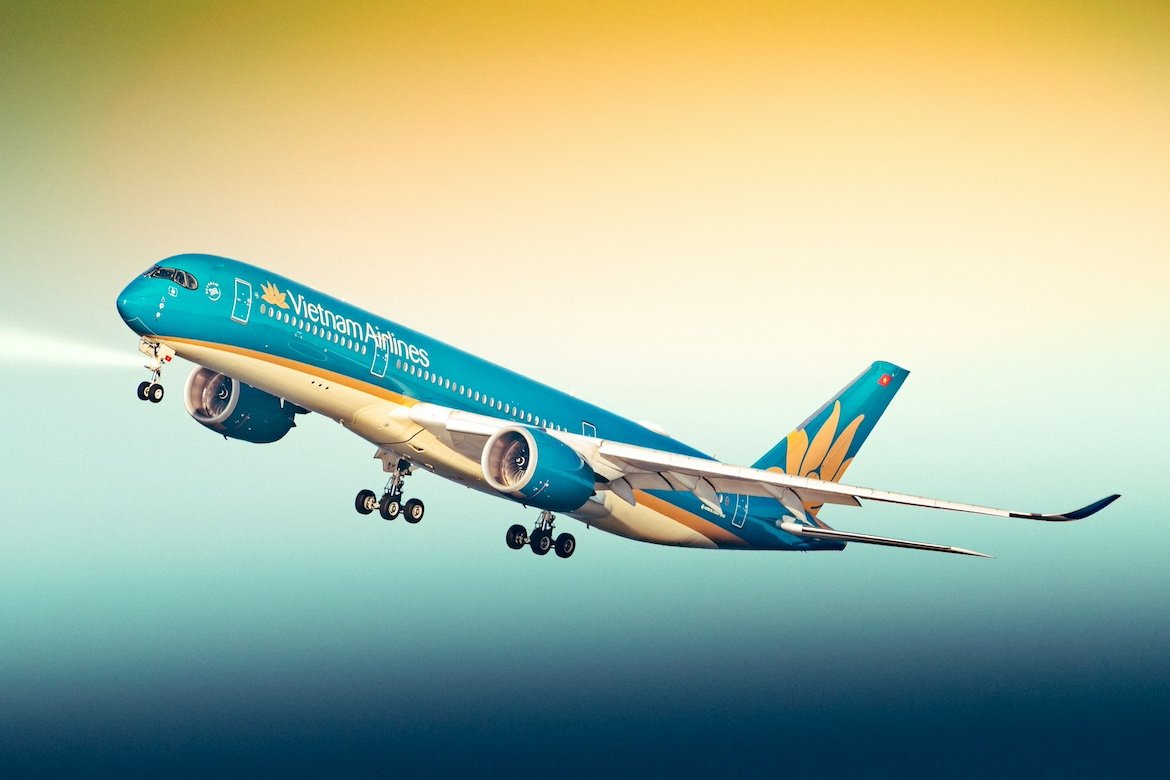
China has confirmed that British citizens can now enter the country visa-free for stays of up to 30 days, marking a significant shift in travel policy and a notable thaw in bilateral relations.
The decision, finalized during Prime Minister Keir Starmer’s visit to Beijing, is the first time in more than two decades that China has waived short-term visa requirements for UK passport holders. The policy takes effect immediately and places the United Kingdom alongside dozens of other countries that already benefit from China’s expanding visa-free access framework.
The new arrangement applies to travelers visiting for tourism, business meetings, family visits, or transit, provided their stay does not exceed 30 days. While the removal of visa paperwork simplifies entry, travelers must still comply with standard arrival procedures, including advance passenger information and, in some cases, proof of onward travel and accommodation.
Longer stays or activities such as employment or study will continue to require appropriate visas, maintaining a clear distinction between short-term mobility and long-term residency.
A Boost for Travel, Trade, and Airline Connectivity
The visa waiver arrives as air connectivity between China and the UK continues its steady recovery. Passenger routes linking major cities in both countries have already returned to a stable growth phase, with load factors on primary routes hovering in the mid-80% range.
Airlines responded swiftly to the announcement, reporting an immediate surge in bookings for services to Beijing and Shanghai. This early demand signals strong pent-up interest from both leisure travelers and business passengers who were previously deterred by visa processing times and costs.
For companies operating across borders, the policy removes a key administrative barrier. Short-notice business trips, trade fair attendance, and client visits can now be arranged more flexibly, a change welcomed by small and medium-sized enterprises in particular. Travel managers also note that eliminating visa fees and processing delays could shave weeks off planning cycles while reducing overall trip costs.
Wider Economic and Tourism Implications
The implications extend beyond aviation. Tourism authorities expect the visa-free policy to support reciprocal growth in visitor flows, especially as Chinese travel to the UK has already rebounded to around 80% of pre-pandemic levels. Forecasts suggest Chinese arrivals to Britain could rise sharply in 2026, generating significant tourism revenue and reinforcing people-to-people exchanges.
At a strategic level, the move is widely viewed as a confidence-building measure amid broader efforts to stabilize trade and economic cooperation. Alongside travel liberalization, both governments have signaled interest in deeper engagement across services, education, and investment. Business leaders see easier mobility as a practical foundation for expanding commercial relationships, particularly in sectors where face-to-face interaction remains critical.
However, officials and risk consultants caution that visa-free entry does not eliminate all complexities. Travelers are advised to remain mindful of local regulations, data security considerations, and exit procedures that may still involve scrutiny. Even so, the overall sentiment is optimistic.
With flight searches, hotel inquiries, and corporate travel planning all trending upward, the reopening of visa-free access suggests that the UK–China travel corridor is poised to regain its role as a key channel for tourism and economic exchange in the years ahead.