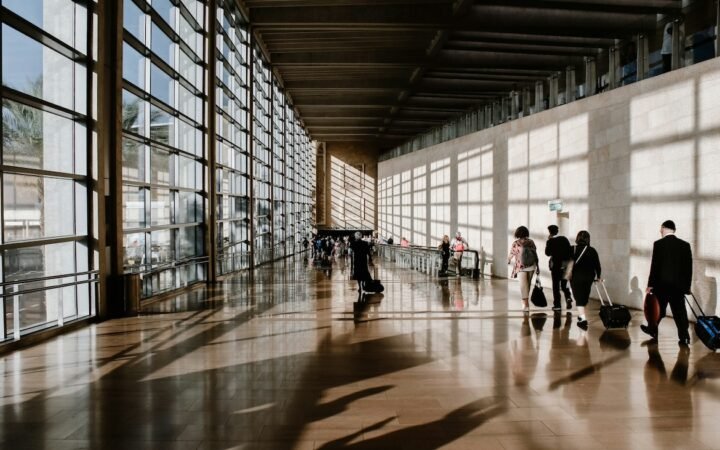

Ben Gurion Airport has reopened to full operations after weeks of severe disruption caused by the war with Iran, giving Israel’s travel market its clearest sign yet that regular aviation activity can resume.
Terminals, duty-free shops, and airport services are returning, and Israeli airlines are rebuilding schedules from Tel Aviv as quickly as they can. But for travelers, the reopening of the airport is not the same as a return to normal. The bigger immediate issue is that fares are rising again just as spring and summer demand begins to accelerate.
The reason is straightforward. Capacity remains too limited. Israeli carriers are expanding frequencies and putting more seats on sale, but they are still operating in a market where many foreign airlines are not yet ready to come back.
That leaves local airlines carrying more of the burden at a time when travelers who postponed trips for weeks are suddenly trying to rebook holidays, family visits, and summer travel. The result is the familiar equation that has shaped much of Israel’s recent air market: high demand, low competition, and sharply elevated prices.
Reopening the Airport Does Not Reopen the Market
Israeli airlines such as El Al, Arkia, and Israir are all working to restore broader schedules, and the airport authority has been preparing for a larger passenger flow. But foreign carrier capacity remains the missing piece. The return is expected to be gradual, not immediate, because airlines still need regulatory clearance, aircraft reallocation, crew planning, and confidence that the ceasefire will hold. That means the airport can be open while the market remains structurally constrained.
Some movement is beginning. Wizz Air has signaled a phased return later in April, which matters because the airline was expected to play a major role in restoring low-cost competition. But several larger international airlines are still staying away for longer. British Airways is not due back until July on a reduced schedule, while United is still pushing its Tel Aviv return into September. Regional aviation warnings are also reinforcing the wait-and-see mood among European operators.
Why Prices Are Climbing So Fast Again
This is why fares are moving up so quickly. Travel demand did not disappear during the shutdown period. It was delayed. Now that flights are available again, that demand is returning all at once, especially for summer routes to nearby leisure markets and for long-haul trips that were canceled during the war period. Without enough foreign carriers in the market, Israeli airlines have more pricing power and less pressure to moderate fares.
Fuel is also part of the story. The Iran war drove up global oil and jet fuel costs, and those higher input prices are feeding into already constrained ticket markets. That creates a double squeeze: fewer seats and more expensive operating conditions. For passengers, that means the reopening of Ben Gurion may improve access, but not affordability.
The likely path from here is gradual normalization rather than a sudden reset. European carriers may return first, while transatlantic service could take longer to rebuild. Until that happens, Ben Gurion’s reopening is best understood as the first step in recovery, not the end of disruption. The airport is functioning again. The market around it is still far from settled.