The construction of a 182 meter glass elevator at Bali’s Kelingking Beach has been officially halted and ordered for demolition following a series of regulatory and environmental violations.
The project, which aimed to offer easier access down the steep cliff to the famous beach, quickly became one of the most contentious developments in Nusa Penida. Authorities confirmed that the structure, already roughly 70 percent complete, will be dismantled within six months, and the surrounding area must be restored within three months after demolition is finished.
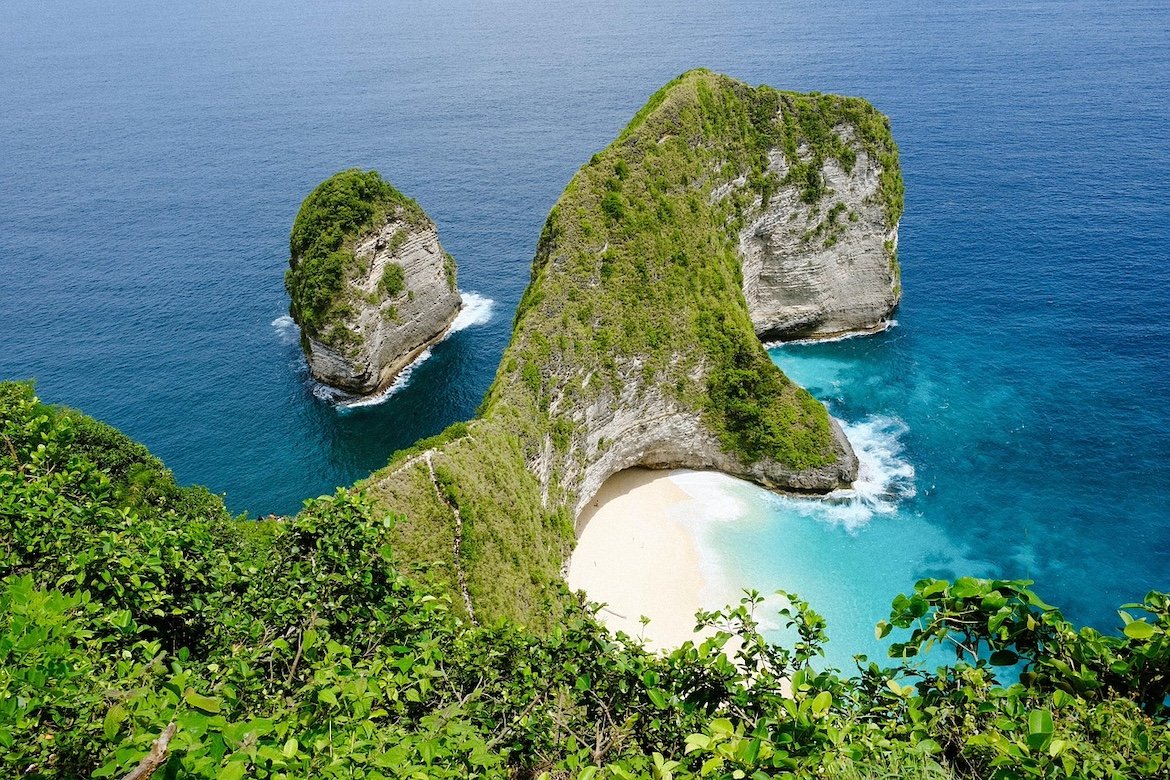
Kelingking Beach is renowned for its dramatic landscape and sweeping views of a cliff often compared to a T-rex silhouette. For years, visitors have navigated a steep and physically demanding trail to reach the shoreline.
The elevator was promoted as a safer alternative for tourists, offering a quick ride down the cliff and dedicated photo stops along the way. Construction began in 2023 and included a glass shaft, a restaurant built into the rock, a ticketing area, and a flyover linking the entrance to the lift.
But as the structure grew, so did public concern, especially once images of the elevator cutting through the cliff began circulating widely on social media.
The Bali Provincial Government later confirmed that the developer, PT Indonesia Kaishi Tourism Property Investment Development Group, had moved forward without completing the required permits.
After a multi-agency investigation, authorities identified five major violations, spanning spatial planning rules, environmental regulations, licensing requirements, marine spatial planning laws, and standards for culture-based tourism. These findings gave the government full authority to halt the project and order its removal.
Local officials expressed strong concern about the project’s impact on the surrounding environment, noting that sections of the cliff had already undergone irreversible alteration. The site sits within a sensitive coastal area that requires strict oversight for any development.
The investigation also revealed overlapping jurisdictional issues, with different parts of the project falling under different branches of local and provincial government. This complexity contributed to delays in recognizing the extent of the violations, raising broader questions about oversight and coordination.
Community reaction has been intense. Residents, environmental groups, and long-time visitors to Bali voiced frustration that the project advanced so far before being stopped. Many argue that Kelingking Beach is one of the island’s most iconic natural landmarks and should not be compromised by large scale construction.
While the developer had billed the elevator as a solution for improving safety and managing crowds, critics countered that its presence fundamentally altered the landscape and risked increasing long term erosion.
The demolition order now turns attention toward how effectively the cliffside can be restored. Early reports suggest that some damage may be permanent, but authorities insist on a full restoration effort.
The outcome will influence ongoing discussions about tourism development in Bali, where natural beauty remains central to the island’s global identity yet continues to face pressure from rapid growth.